Rick Wilkerson Oral History
Rick Wilkerson is a central figure in Indiana’s modern music history, known for his work as a musician, record-store owner, label partner, and as the founder of the Indiana Entertainment Foundation and the Indiana Music History Project (IMHP). His career reflects a deep commitment to independent music and a long-standing dedication to preserving Indiana’s rich and often overlooked musical legacy.
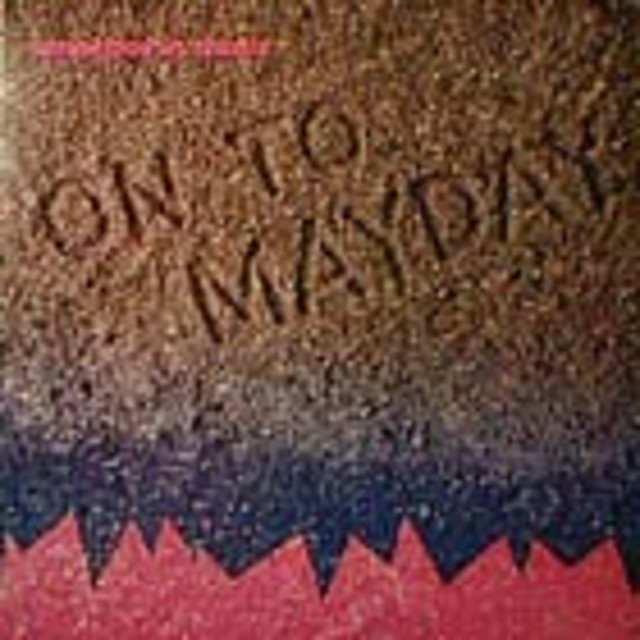
Wilkerson became active in Bloomington’s underground music scene in the late 1970s and early 1980s, performing with several bands during a formative period for Indiana’s new-wave and post-punk community. He was a member of Amoebas in Chaos, a group formed from the remnants of Blind Date and Premature Babies. The band appeared on Red Snerts, the influential 1981 Gulcher Records compilation, and later released their sole full-length album, On To Mayday, through the Hardly Music label, where Wilkerson was also a partner. Recorded at Zounds Studio in West Lafayette, the album documented a brief but ambitious chapter in Indiana’s independent music history.
After returning to Indiana, Wilkerson continued performing with bands including Red Square and Tombstone Valentine while expanding his role within the music community. He co-owned Missing Link Records, a respected independent record store that became a gathering place for musicians, collectors, and fans. Years later, he also co-owned Irvington Vinyl, helping strengthen Indianapolis’s Irvington neighborhood as a destination for vinyl culture and music discovery. Through record retail, Wilkerson developed a deeper awareness of Indiana’s musical past, learning directly from customers, artists, and collectors whose stories were rarely documented elsewhere.
That growing awareness led Wilkerson to help initiate efforts in the early 2010s to document Indiana’s music heritage. In 2015, he founded the Indiana Entertainment Foundation, launching what would become a long-term, volunteer-driven effort to build a sustainable organization dedicated to music history. With no funding, no physical space, and limited nonprofit experience, the project advanced slowly—through pop-up exhibits, public events, small archival initiatives, and years of persistence.
Following a reorganization and renewed focus, the Indiana Music History Project emerged as the foundation’s primary public initiative. With the establishment of a permanent museum and archive, IMHP gained the credibility and infrastructure needed to expand its work. Today, the project documents Indiana’s music history through oral history interviews, archival preservation, museum exhibits, and public programming, capturing first-person stories that might otherwise be lost.
Rick Wilkerson continues to guide IMHP’s mission, driven by the belief that Indiana’s music story—across genres, eras, and communities—is far larger than most people realize, and that preserving those stories is essential to understanding the state’s cultural legacy.
This interview is part of the Indiana Music History Project’s Amazing Indiana Music Stories series, made possible with generous support from the Allen Whitehill Clowes Charitable Foundation. On this page, you’ll find the Complete Interview, an Interview Highlight, and an Image Gallery featuring archival photographs that help bring Rick Wilkerson’s story to life.
Interview Highlight
Rick Wilkerson reflects on the pivotal moments that shaped his lifelong relationship with music and led to the founding of the Indiana Music History Project. From early experiences discovering music to unexpected personal turning points, he shares how loss, curiosity, and persistence fueled a deeper commitment to preservation. This highlight offers insight into how IMHP began as a volunteer-driven idea and grew into a statewide effort to document Indiana’s music history.
The Complete Interview
Rick Wilkerson’s complete interview explores his personal music journey in greater depth, tracing his path as a musician through Indiana’s underground scenes of the late 1970s and early 1980s. He discusses his time performing with bands such as Amoebas in Chaos, Red Square, and Tombstone Valentine, reflecting on recording, touring, and the creative communities that shaped his outlook. Along the way, Rick shares how performing, collecting records, and running independent record stores deepened his understanding of Indiana’s diverse music ecosystem, laying the foundation for his later work as a historian and preservationist.
Image Gallery

Young Rick Wilkerson

Missing Link Record Store
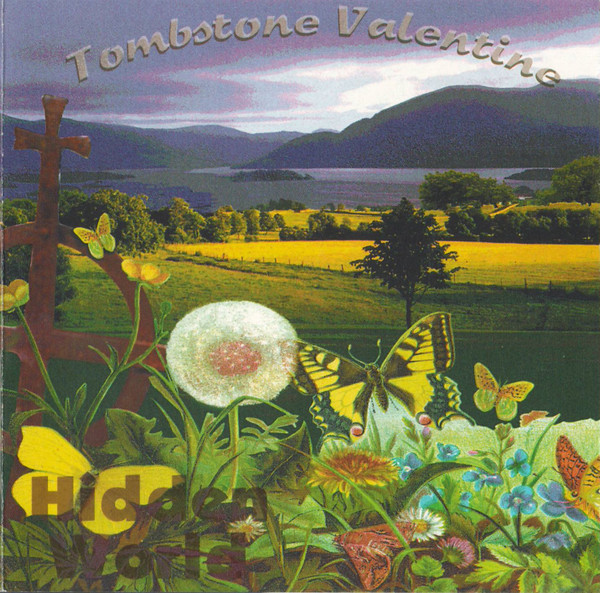
Tombstone Valentine Album Cover
Time Change Records
Missing Link Sign
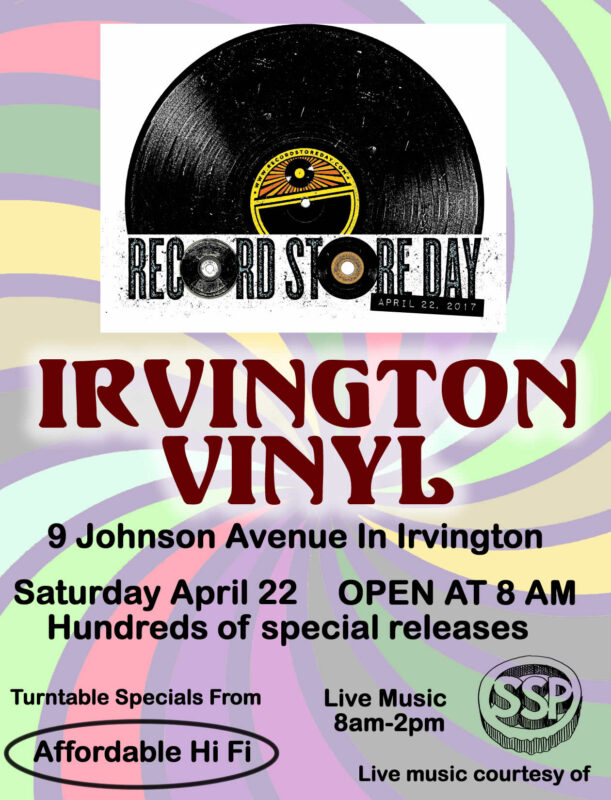
Irvington Vinyl
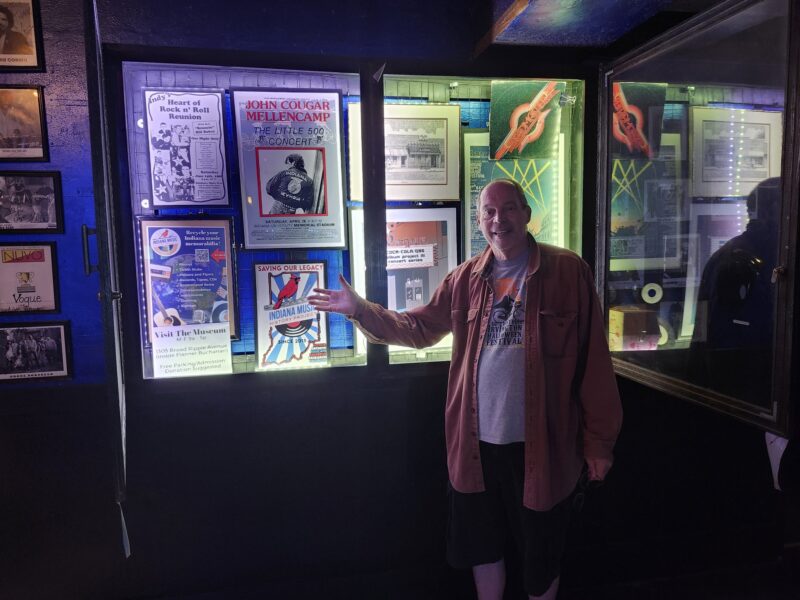
Rick Wilkerson and a Display
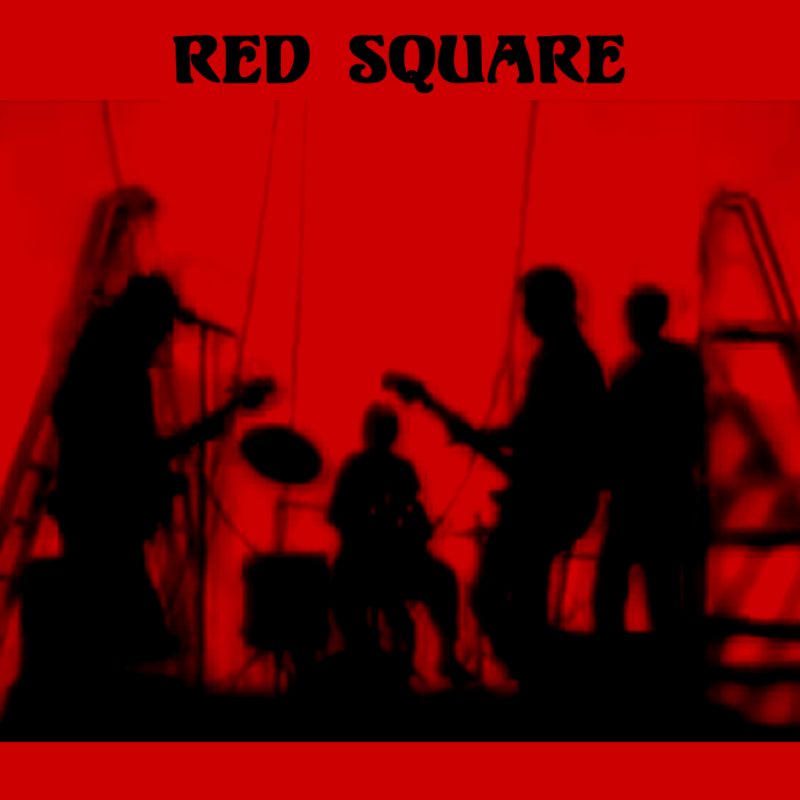
Red Square Album Cover
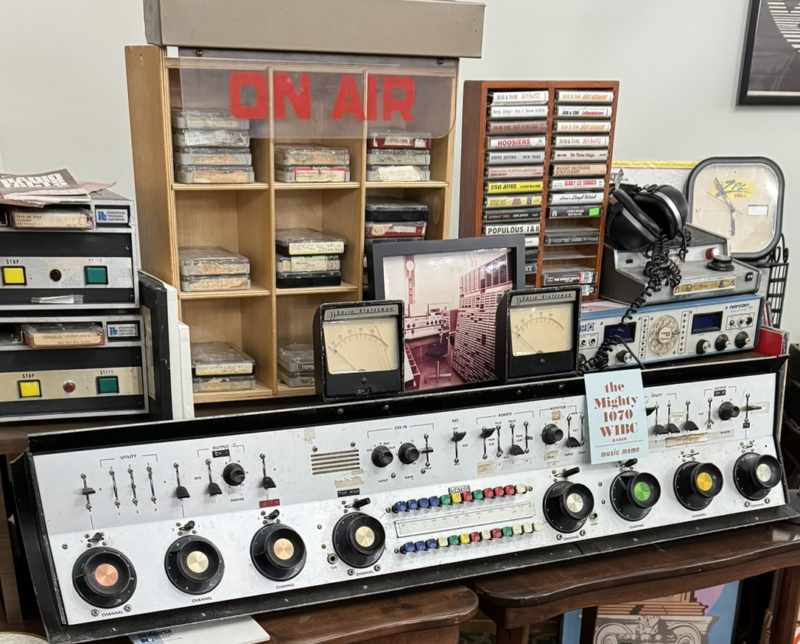
The Mighty 1070 WIBC Radio Mixing Board
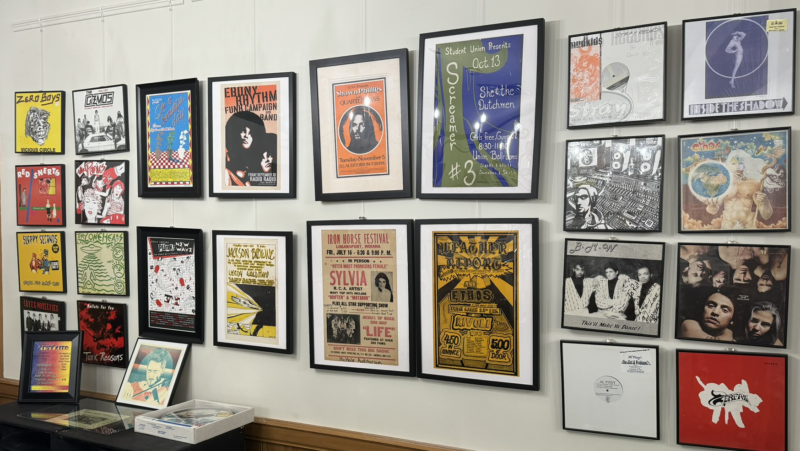
IMHP Poster Collection
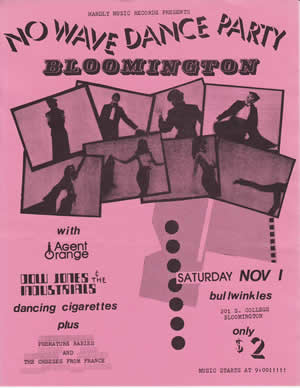
No Wave Dance Party

Irvington Vinyl Logo
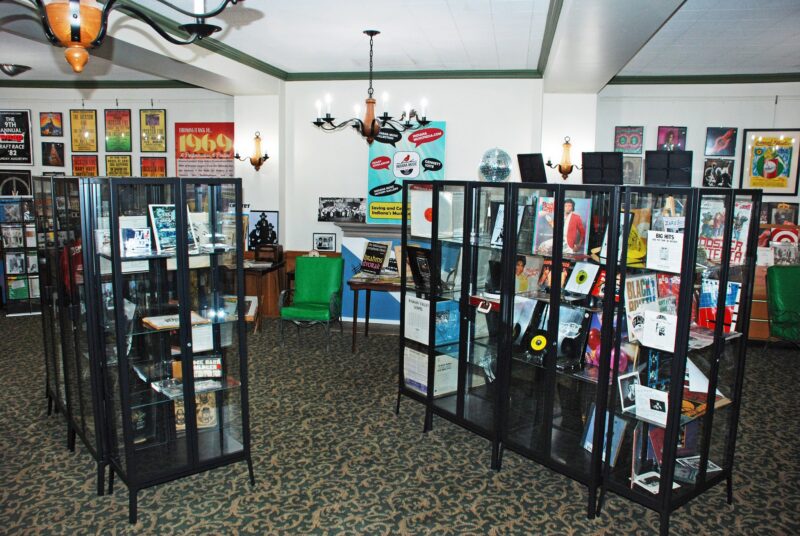
Indiana Music History Museum
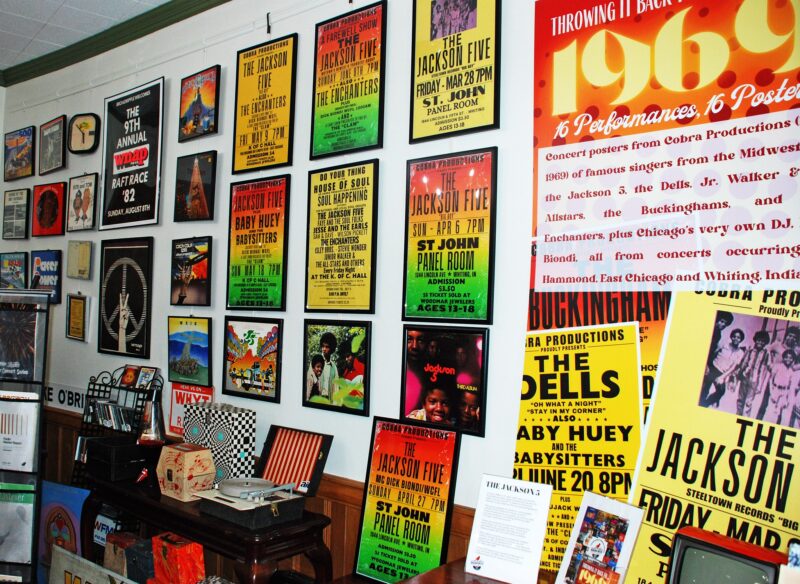
Indiana Music History Museum Posters
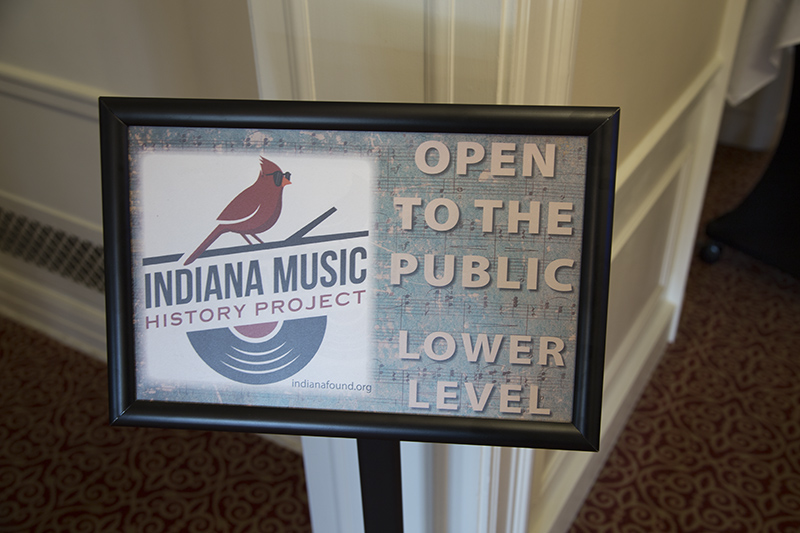
IMHP Museum Sign
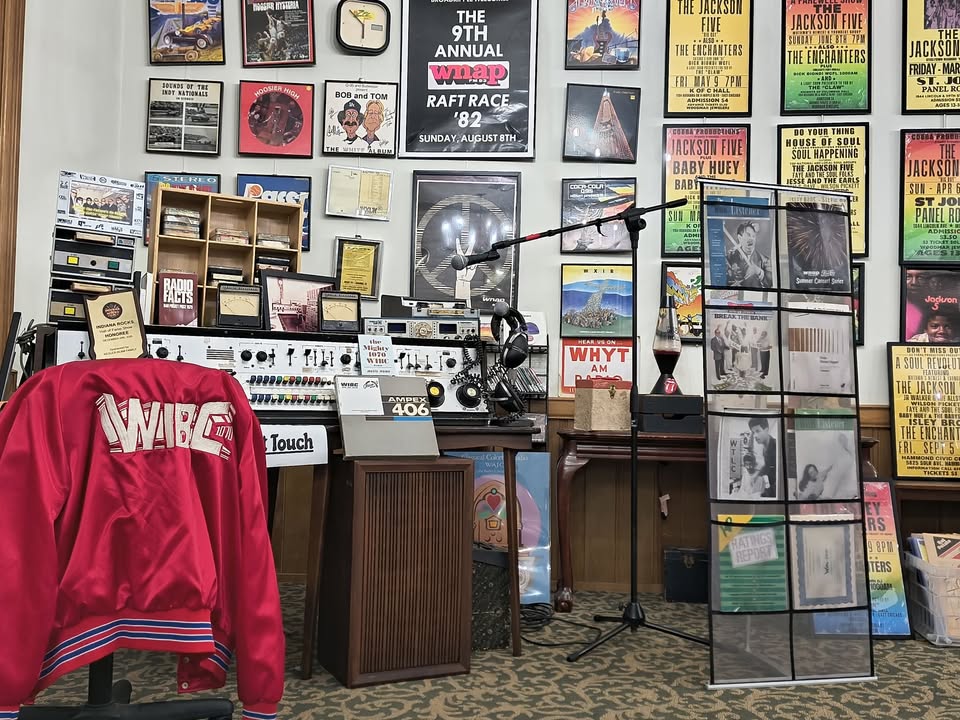
The Mighty 1070 WIBC Radio Mixing Board

IMHP Album Poster
IMHP Poster
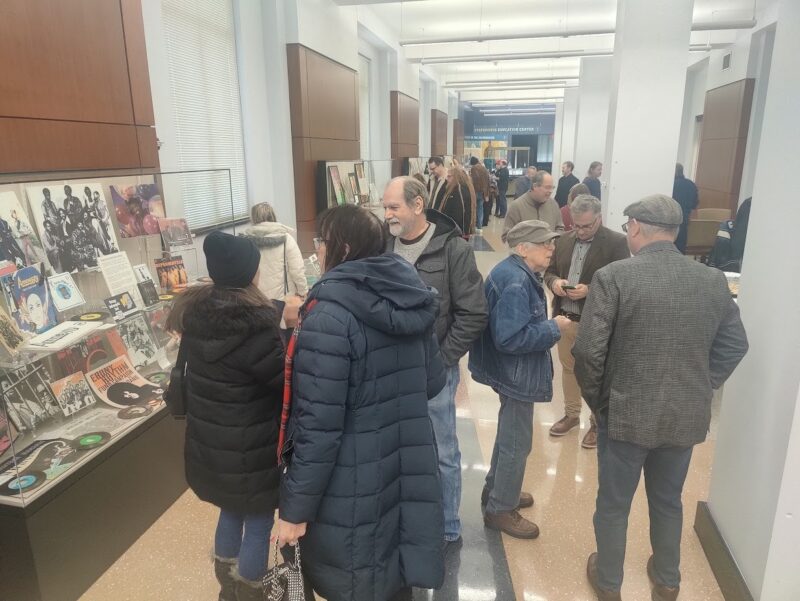
Indiana State Library Exhibit

Young Rick Wilkerson
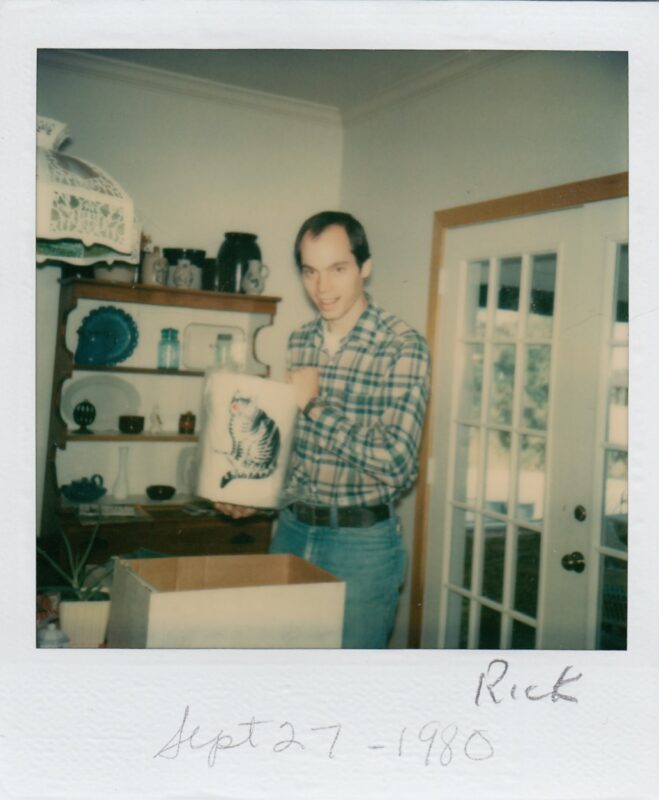
Rick Wilkerson September 27 1980
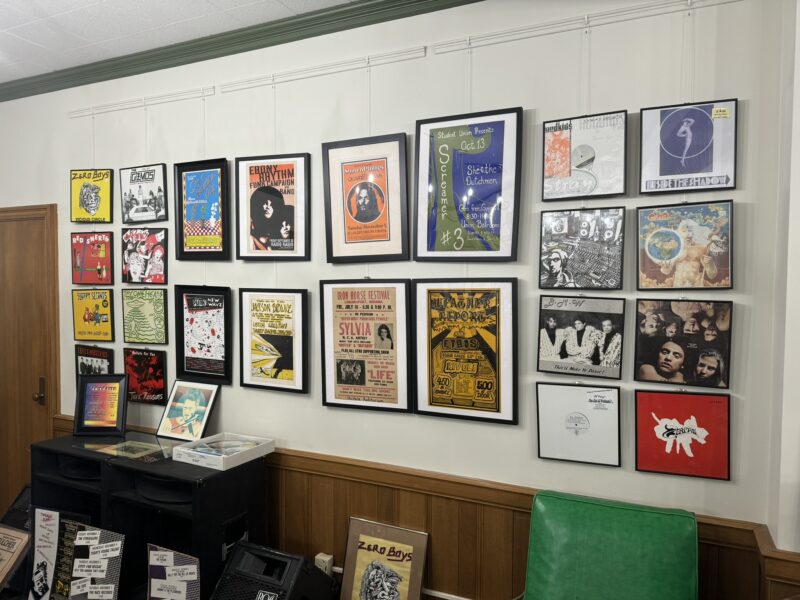
Posters on Display
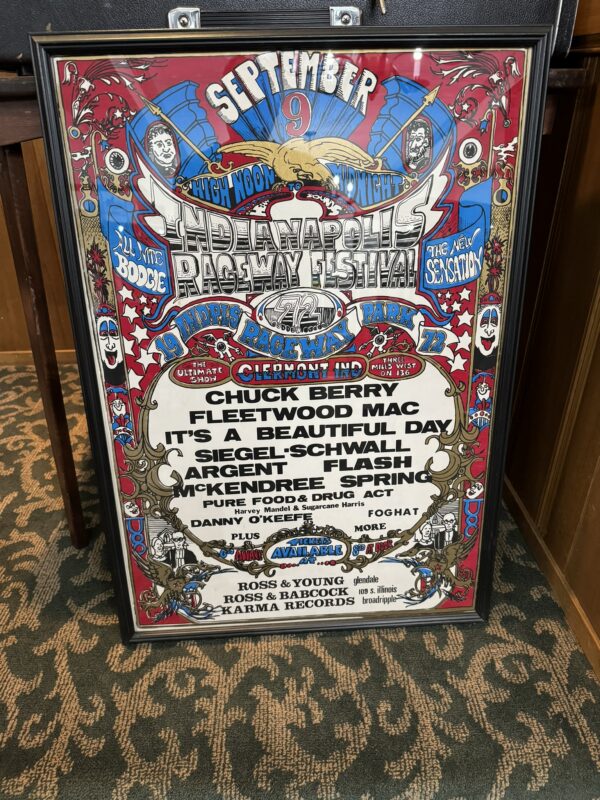
Indianapolis Raceway Poster
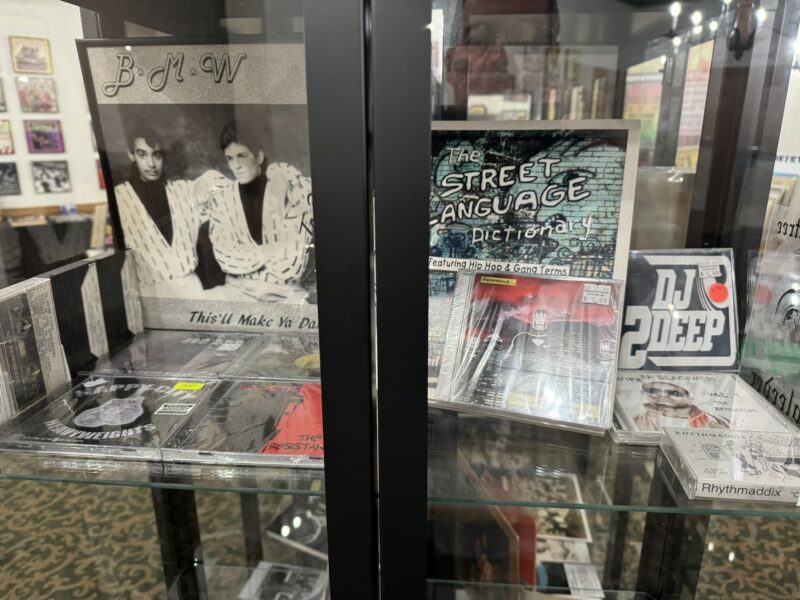
Museum Display Case
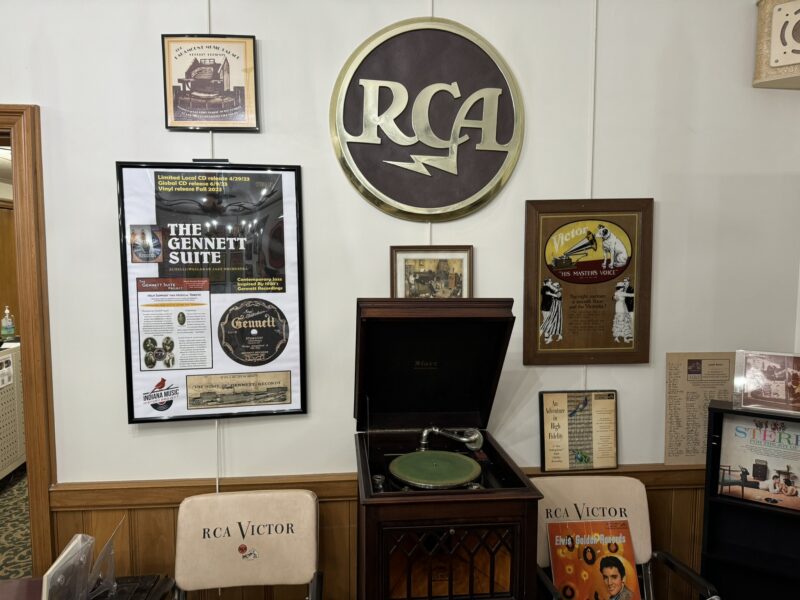
RCA Memorabilia at the Museum
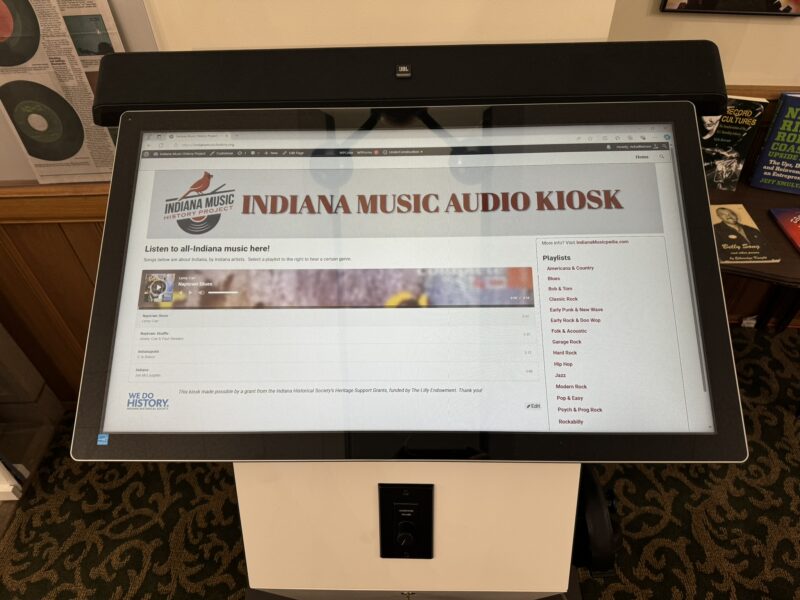
Indiana Music Audio Kiosk at the Museum
Saving Our Legacy Poster
Early Indiana Music & Entertainment Museum Logo
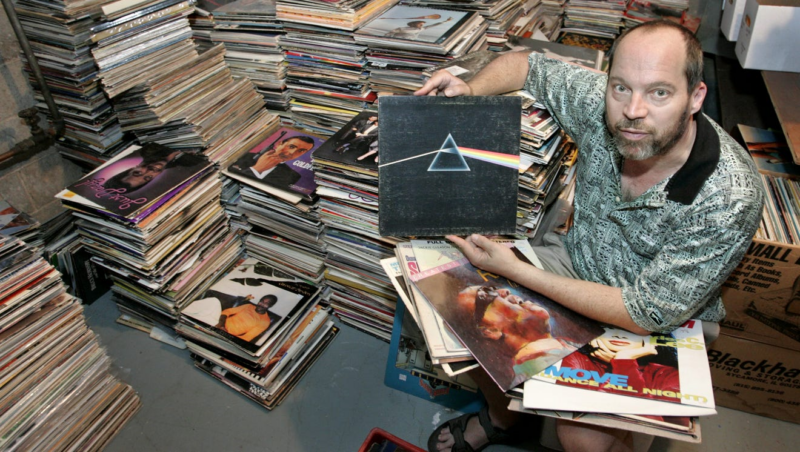
Rick Wilkerson with his Record Collection
Hardly Music Logo
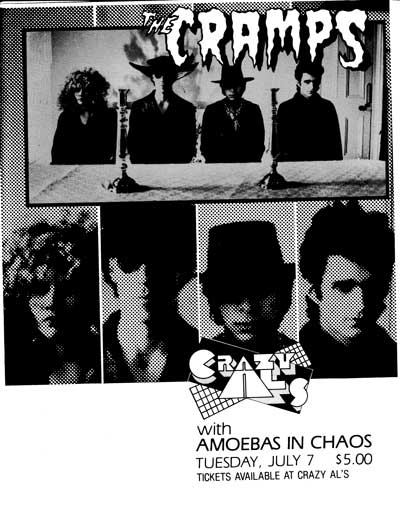
Cramps and Amoebas In Chaos at Crazy Als
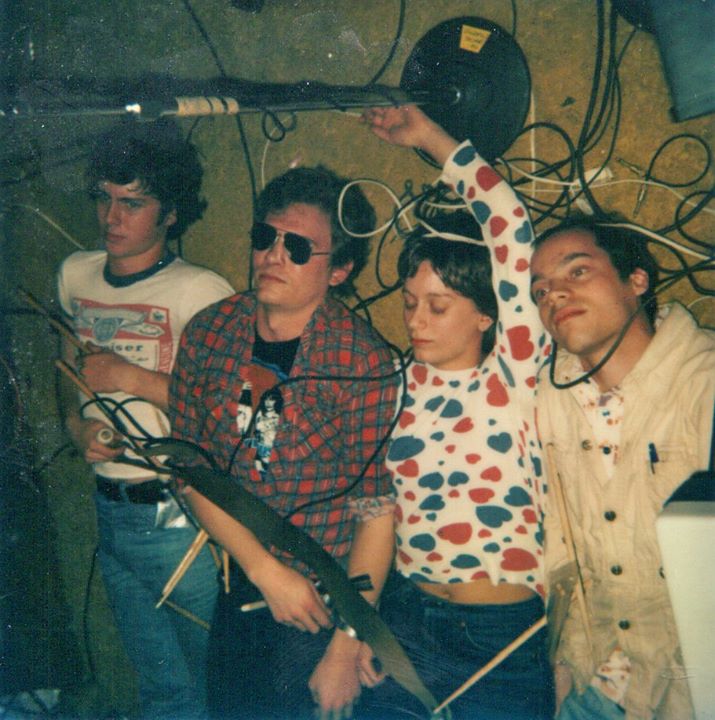
Amoebas In Chaos