
The Wright Brothers Oral History

Karl Hinkle poses for the photograph while Tom Wright talks. Photograph by Mylan Ray.
The Wright Brothers Band is an Indiana-based country-rock and bluegrass group whose distinctive blend of harmony, humor and accomplished musicianship has entertained audiences for more than five decades. Originally known as the Wright Brothers Overland Stage Company, the group was founded by brothers Tom and Tim Wright with longtime musical partner Karl Hinkle.
Beginning in the early 1970s, the Wright Brothers developed a loyal following through performances at clubs, restaurants, theaters, festivals and concert venues throughout Indiana and across the country. Their career has included national touring, television appearances, original recordings and memorable encounters with performers, public figures and audiences from many generations.
Interview Highlight
In this Interview Highlight, Tom and Tim Wright recount one of the funniest stories of their career—the day a publicity photo shoot turned into what they jokingly call the “last stagecoach wreck of the 20th century.” While posing aboard an authentic stagecoach with horses that had been improperly harnessed, the runaway team sent the band careening down a hill before the coach overturned, injuring bandmate Karl Hinkle and landing the group in the hospital. The unbelievable mishap became an international UPI news story and one of the Wright Brothers Band’s most enduring legends.
Complete Interview
In this Complete Interview, Tom and Tim Wright trace their musical journey from singing with their family in church and discovering rock ’n’ roll after watching The Beatles on The Ed Sullivan Show to forming the Wright Brothers Overland Stage Company in the early 1970s. They share stories about the origin of the group’s name and distinctive western image, their early recording sessions with Bloomington recording engineer Jack Gilfoy, and the infamous stagecoach accident that became an international UPI news story. The brothers also reflect on performing at the Grand Ole Opry and appearing on NBC’s Today show, working with artists including Dolly Parton, and recording music for the Goldie Hawn and Kurt Russell film Overboard. They recall traveling to Northern California, working on the movie set, recording vocals while performing in Las Vegas and the unexpected experiences that became part of more than five decades in the music business.
Biography
The Wright Brothers Band, originally known as the Wright Brothers Overland Stage Company, is one of Indiana’s longest-running musical groups. Formed in 1972 by brothers C. Thomas Wright and W. Timothy Wright, along with longtime musical collaborators Karl Hinkle and later John W. McDowell, the band has entertained audiences for more than five decades with its unique blend of country, bluegrass, gospel, pop standards and rock.
Born in French Lick, Indiana, Tom and Tim Wright later moved with their family to Indianapolis, where music continued to play a central role in their lives. Their father played guitar and sang, while their mother and grandmother were pianists. Inspired by gospel music at church and later by The Beatles and the explosion of rock ‘n’ roll, the brothers developed the close vocal harmonies that would become the band’s signature sound.
Originally performing as the Wright Brothers Overland Stage Company, the group quickly established itself throughout Indiana with its memorable western image, polished musicianship and entertaining stage show. Their popularity throughout the Midwest led to the independent release of several successful albums, including two deluxe boxed sets that demonstrated the band’s ability to build a loyal following and sell records long before signing with a major label.
By the early 1980s, the Wright Brothers Band had reached the national stage. They signed recording contracts with Warner Bros. Records and later Mercury Records, placing nine singles on Billboard’s Hot Country Singles chart. Their patriotic recording “Made in the U.S.A.” brought national attention by celebrating American manufacturing during a period when many companies were moving production overseas.
The band’s national exposure continued with appearances on NBC’s Today show, performances on the Grand Ole Opry, and 12 appearances on the nationally televised country music program Nashville Now. They also toured with many of country music’s biggest stars. Unfortunately, two major national tours were canceled at the last minute—one with Dolly Parton because of her illness and another with Barbara Mandrell following her automobile accident—preventing what might have been the band’s biggest breakthrough.
One of the group’s most famous stories occurred during a publicity photo session when an authentic stagecoach unexpectedly ran out of control, overturned and sent members of the band to the hospital. The accident became an international UPI news story and has since become part of Indiana music folklore as what the band jokingly calls the “last stagecoach wreck of the 20th century.”
In 1987, the Wright Brothers Band appeared in the Metro-Goldwyn-Mayer motion picture Overboard, starring Goldie Hawn and Kurt Russell. In addition to appearing on screen, the band recorded two songs for the film’s soundtrack, including Shot Down in Hot Blood and a cover of Jim Dandy, while balancing an active performance schedule in Las Vegas.
The band’s lineup evolved over the years. Keyboardist John W. McDowell joined after performing with the Indiana band Light, while Karl Hinkle, who had briefly performed with Zerfas before becoming a well-known gospel singer, remained an important part of the Wright Brothers story.
Although national success was interrupted by circumstances beyond the band’s control, the Wright Brothers returned to Indiana, where they have continued performing for devoted audiences. More than fifty years after their formation, they remain a beloved part of Indiana’s musical heritage, highlighted by recent sold-out performances at The Palladium in Carmel.
Image Gallery
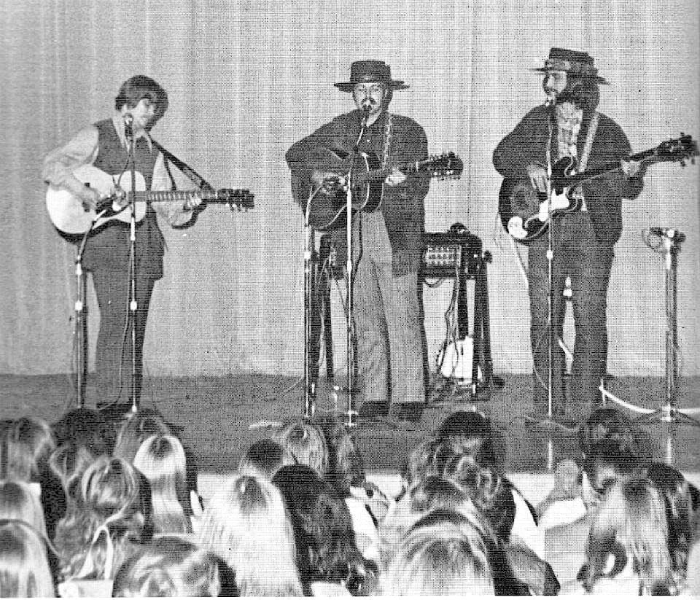
Wright Brothers at Hamilton Southeastern High School 1972 LtoR Don Larson, Tom Wright, Tim Wright-Photo Rebecca Wright Noot
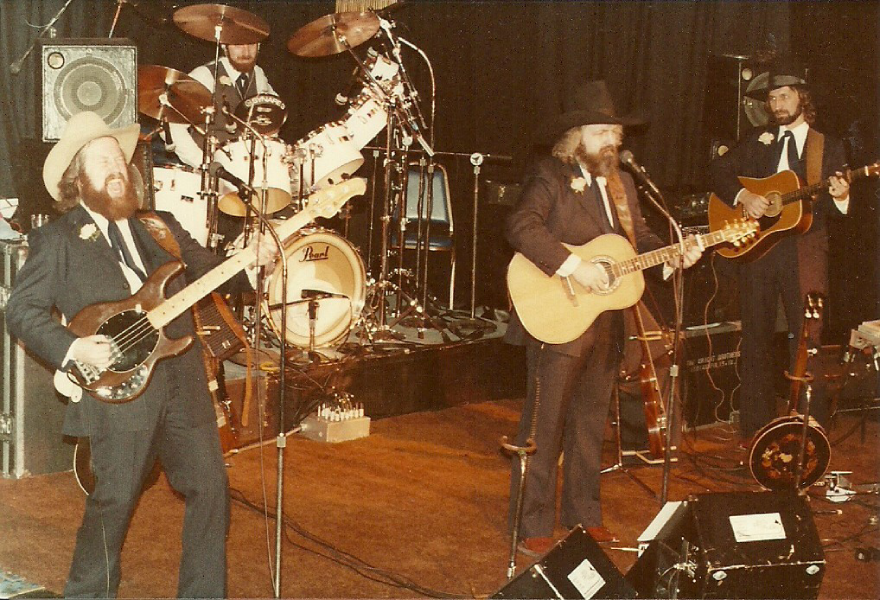
The Wright Brothers Band Late 1970s Carlton Dinner Theater Bloomington MN Karl Hinkle posing while Tom talks – Pic by Mylan Ray
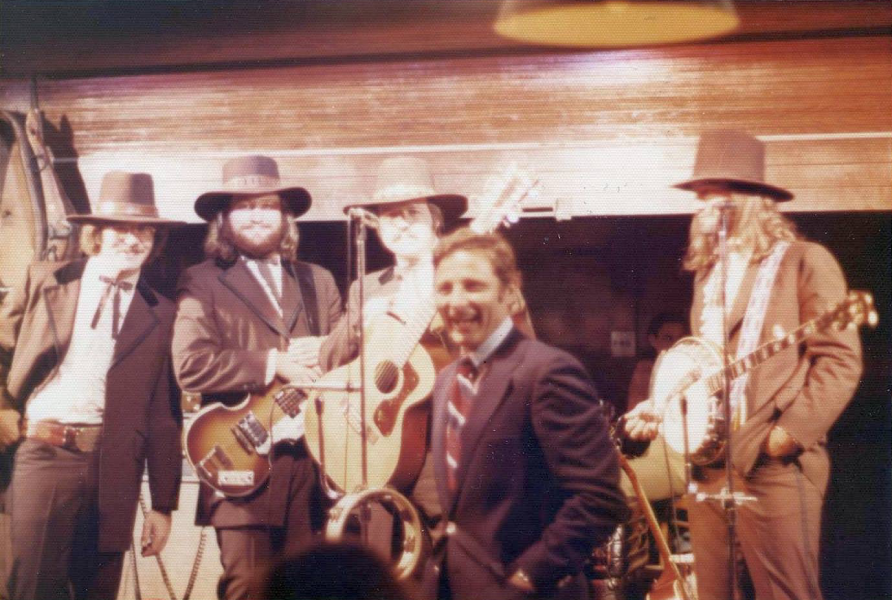
The Wright Brothers Overland Stage Co with Birch Bayh – 1973 – The State of INNdiana Restaurant in Indy
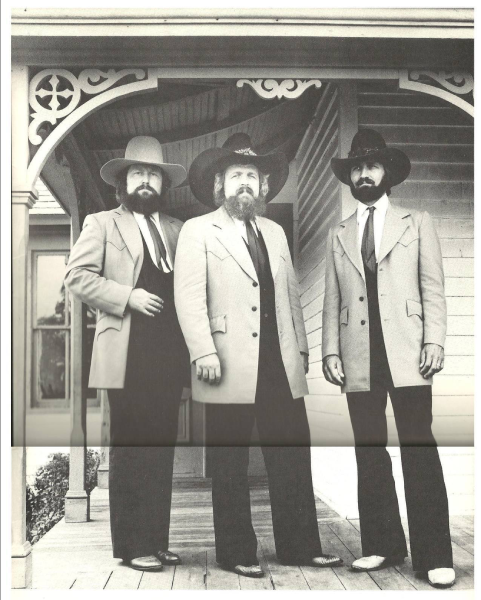
The Wright Brothers – Photo from Don Elbreg
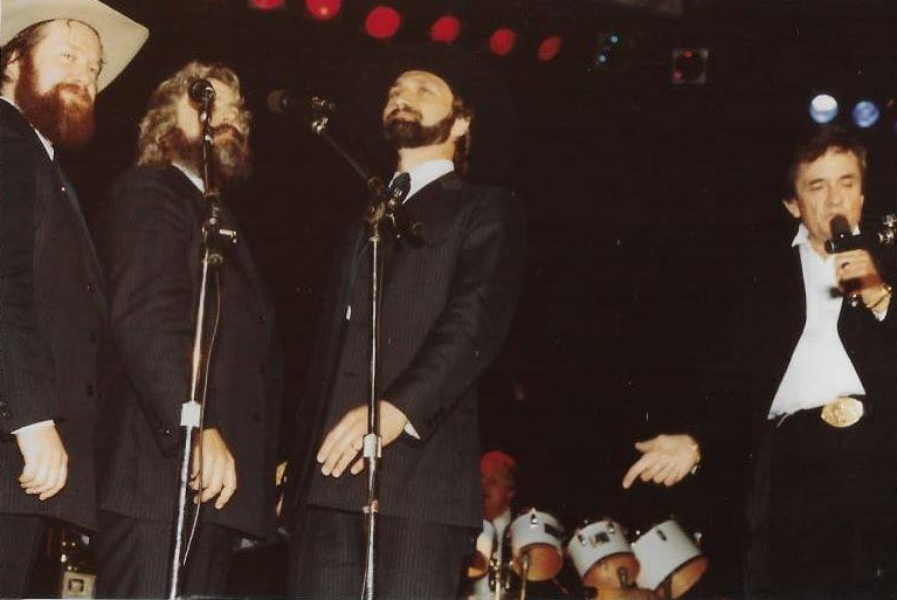
The Wright Brothers performing with Johnny Cash and June Carter – Bloomington MN – Photo from Steve L Camcro
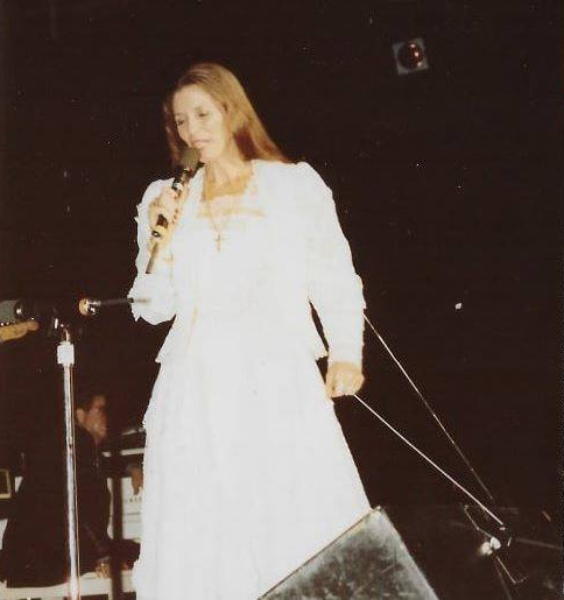
The Wright Brothers performing with Johnny Cash and June Carter – Bloomington MN – Photo from Steve L Camcro – June Carter
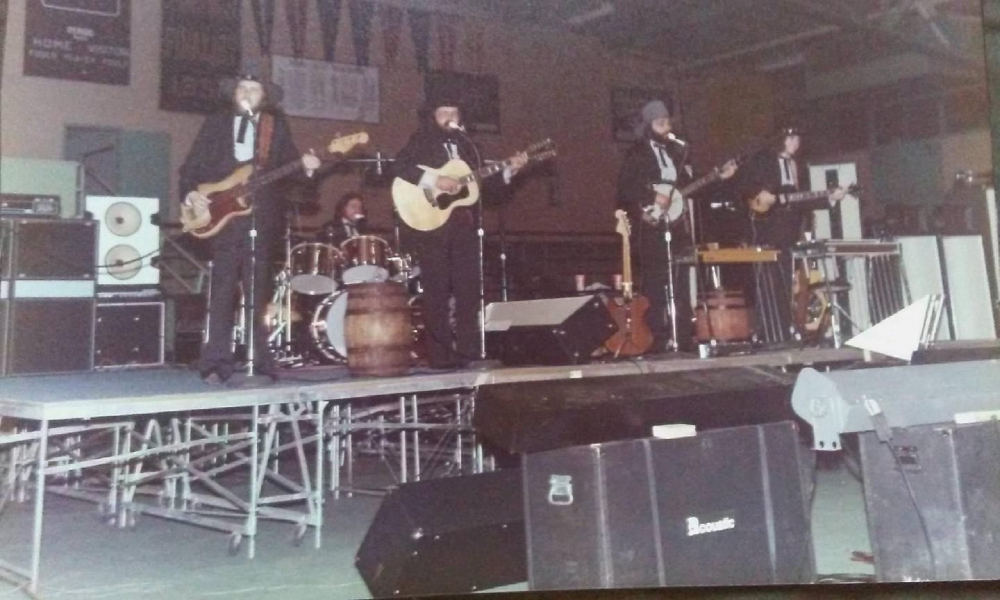
The Wright Brothers live in a school gym – Photo from Robin Coulter
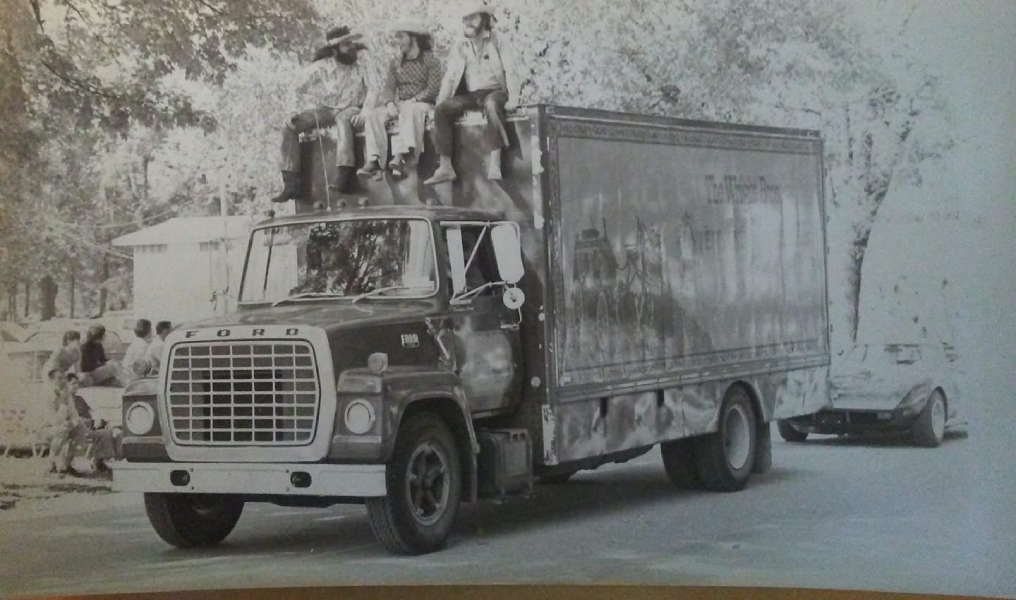
The Wright Brothers on top of truck in Pumpkin Festival Parade Springs Valley High School 9-27-1981 Photo from Robin Coulter
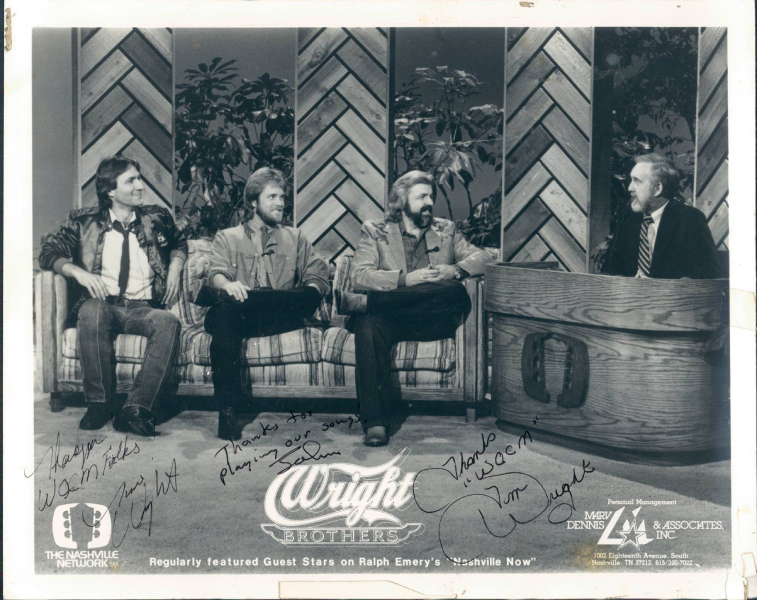
Wright Brothers on Ralph Emery’s Nashville Now
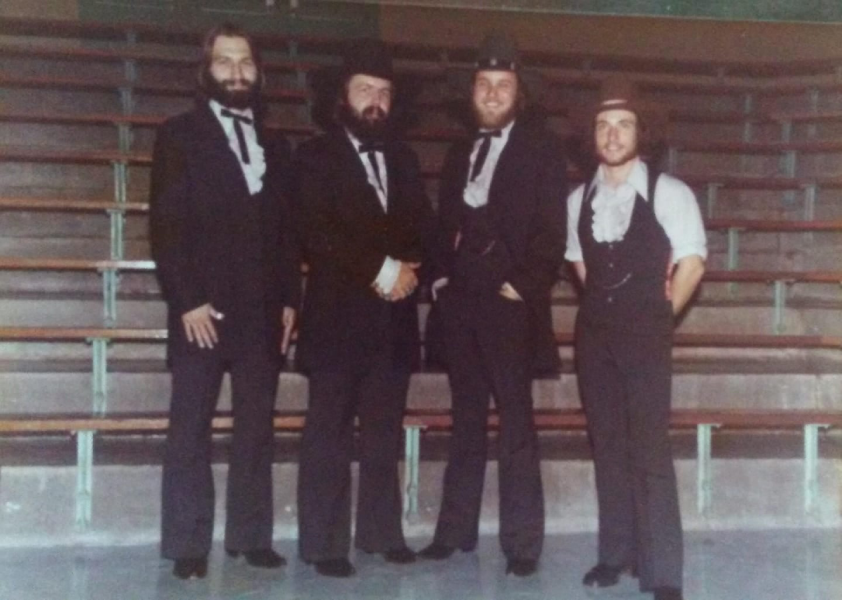
The Wright Brothers Pose in Front of the Bleachers.
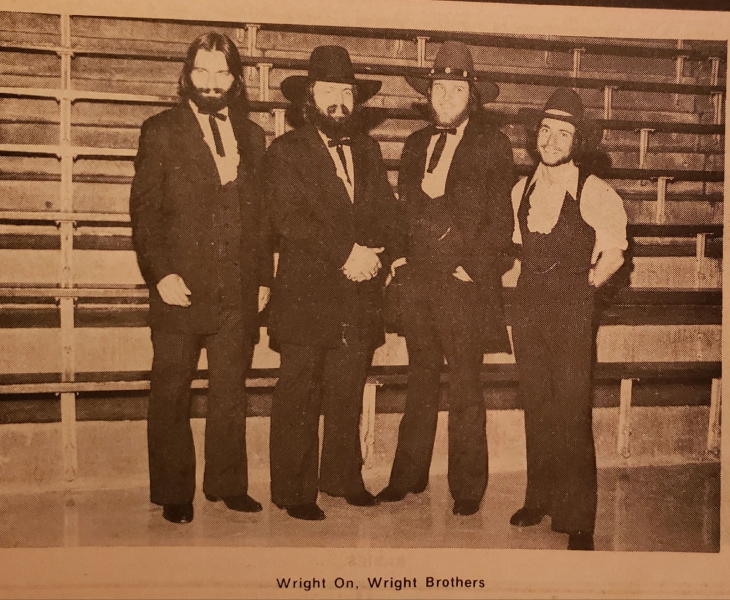
The Wright Brothers in the Newspaper – Photo from Robin Coulter
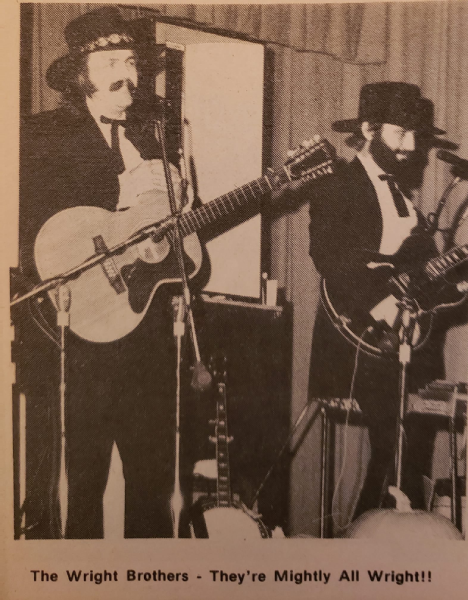
The Wright Brothers – Tom Wright and Tim Wright – Photo from Robin Coulter
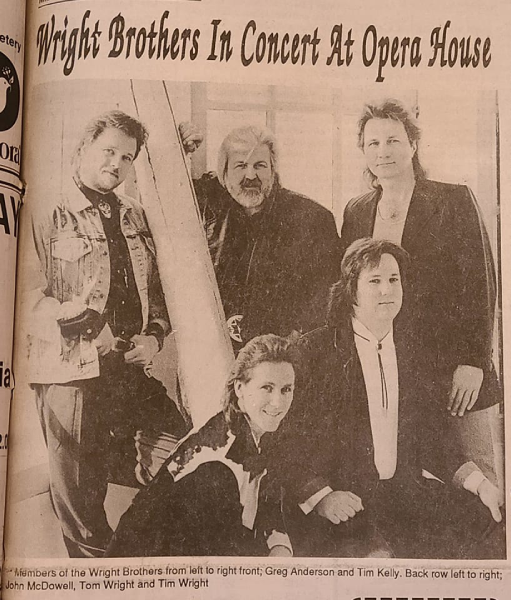
The Wright Brothers in concert at Opera House – Ad – Springs Valley Herald, 1992 photo from Robin Coulter
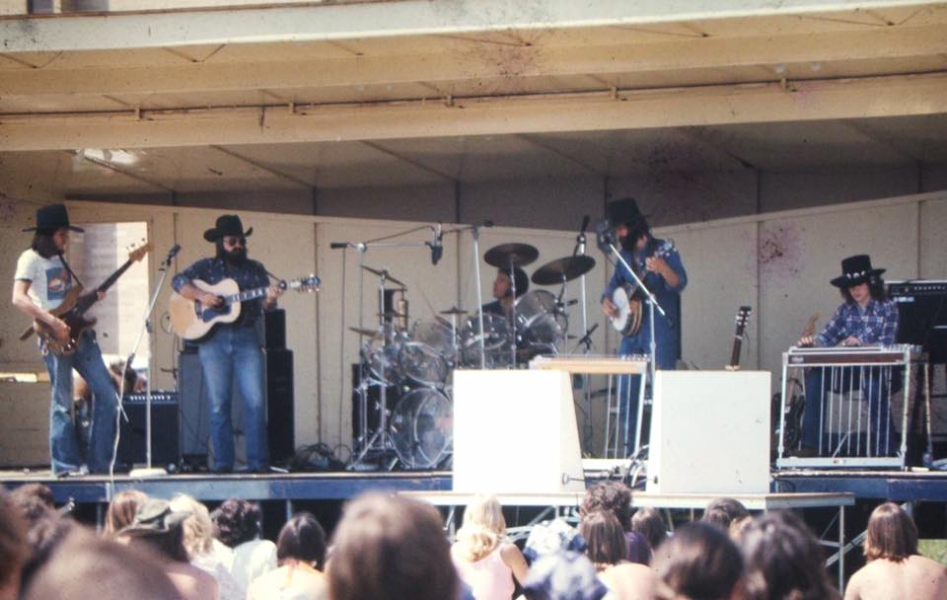
The Wright Brothers Band – 1975 on a bill with Mason Proffit and Rush – Photo From James Nye
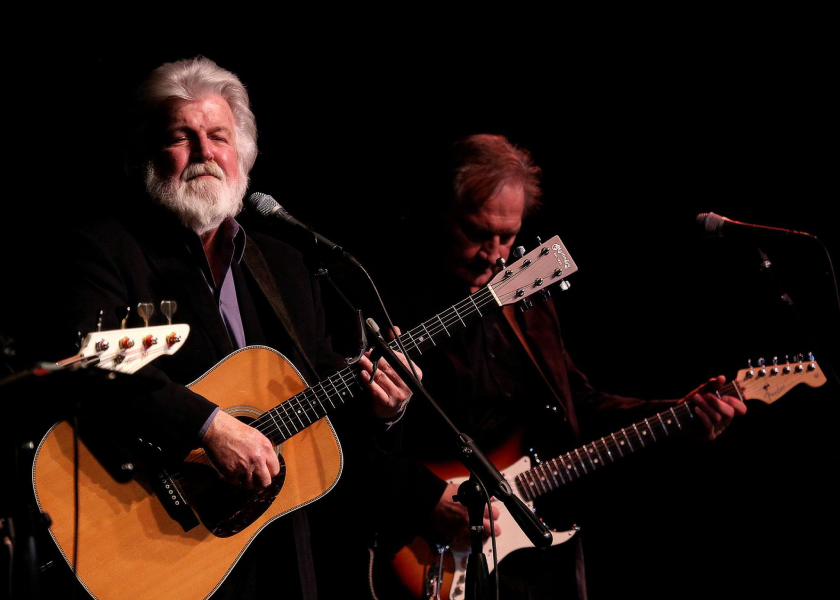
The Wright Brothers Live
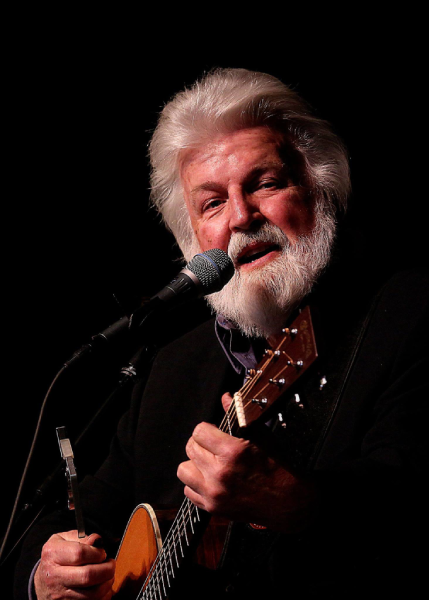
Tom Wright
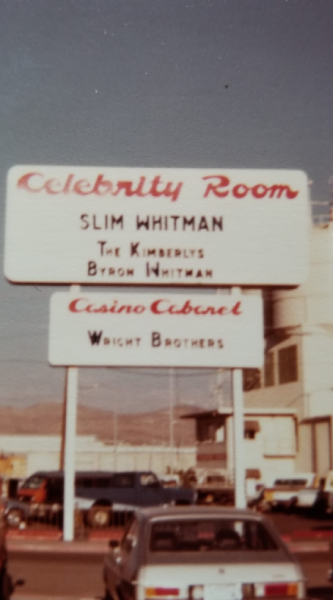
Asquaga’s Nugget Casino in Reno – Summer of 1981 – Slim Whitman headliner with the Wright Brothers – Photo by Julie Gaisser
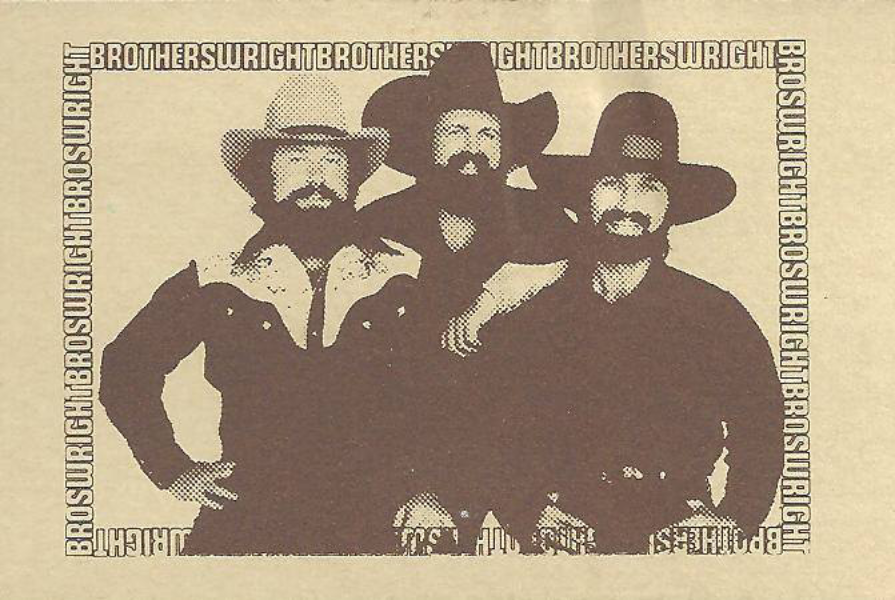
The Wright Brothers Fan Club Picture – Photo from Don Elbreg
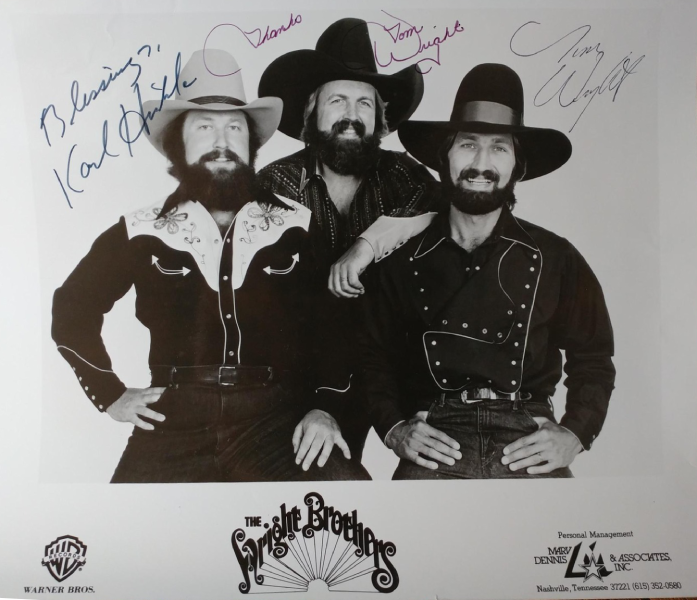
The Wright Brothers Promo Pic with Autographs – Photo from Jo Gelfand
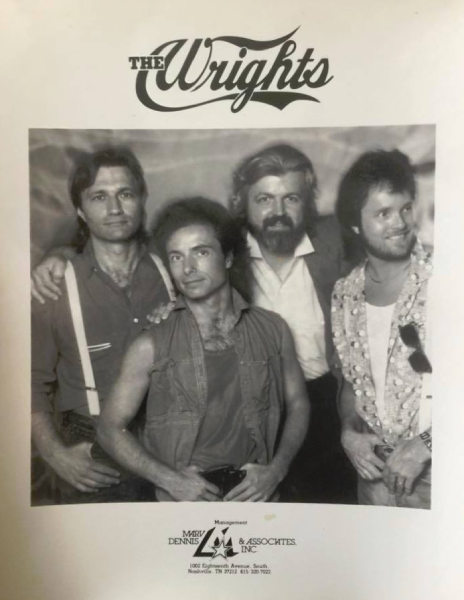
The Wrights Promo – No Autographs – LtoR – Tim Wright, Steve Walker, Tom Wright, and John W. McDowell
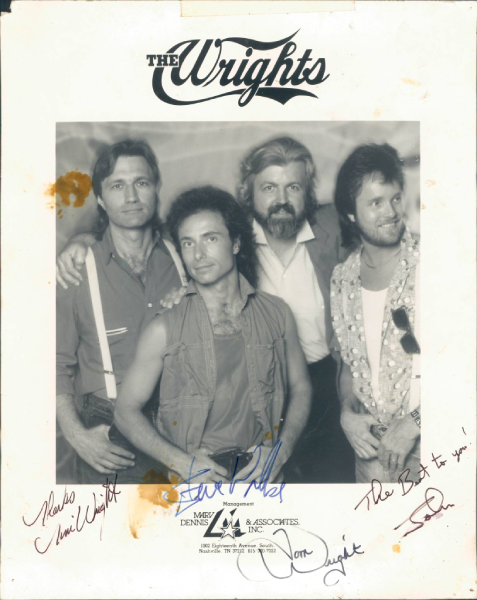
The Wrights Promo – Autographs – LtoR – Tim Wright, Steve Walker, Tom Wright, and John W. McDowell
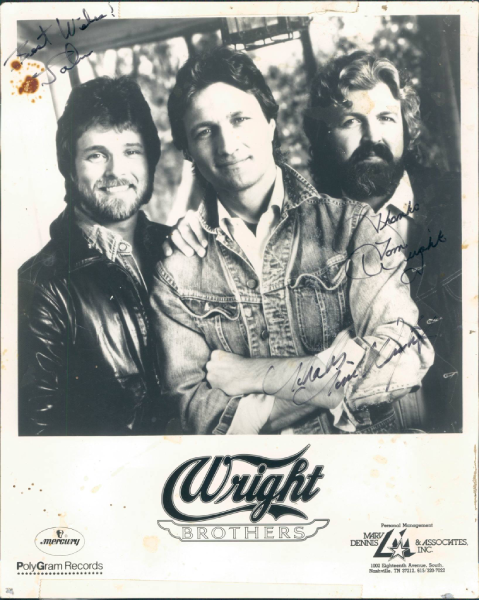
The Wright Brothers Promo – LtoR – Autographs – LtoR – Tim Wright, Tom Wright, and John W. McDowell
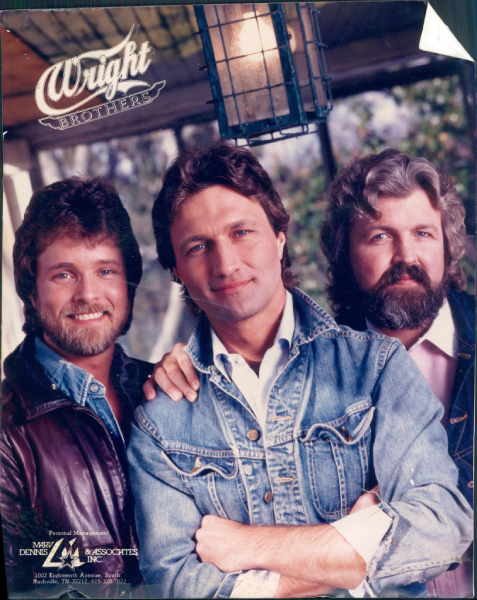
The Wright Brothers Promo in Color – LtoR – Autographs – LtoR – Tim Wright, Tom Wright, and John W. McDowell
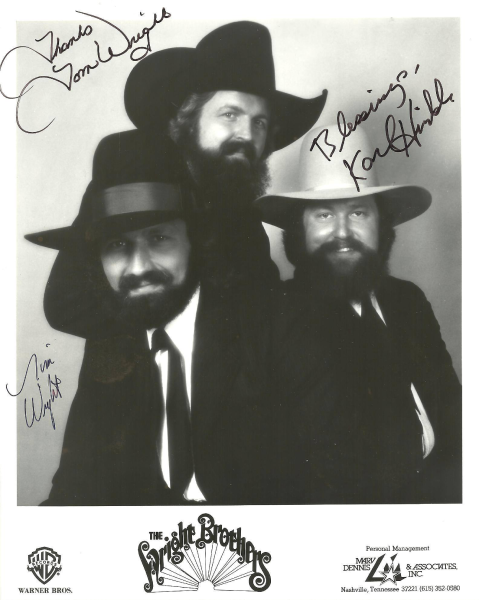
The Wright Brothers – Promo from Warner Brothers – Autographed
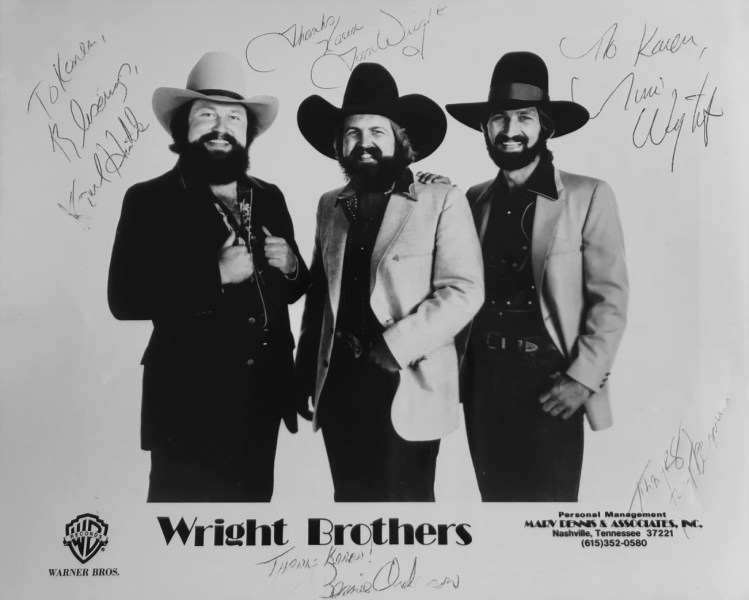
To Karen – Wright Brothers Carlton Celebrity Dinner Theater in Bloomington, MN. 1980s – Photo from Karen Olson
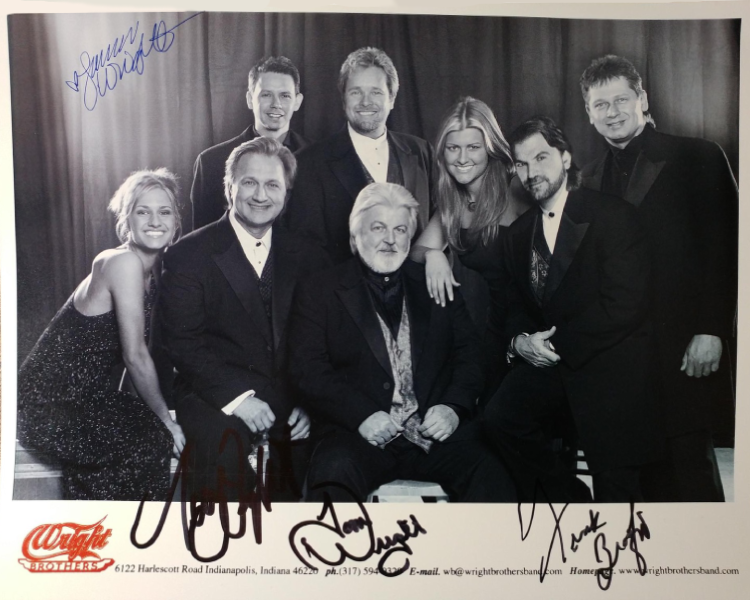
The Wright Brothers Promo Pic – Autographed Photo by Jo Gelfand
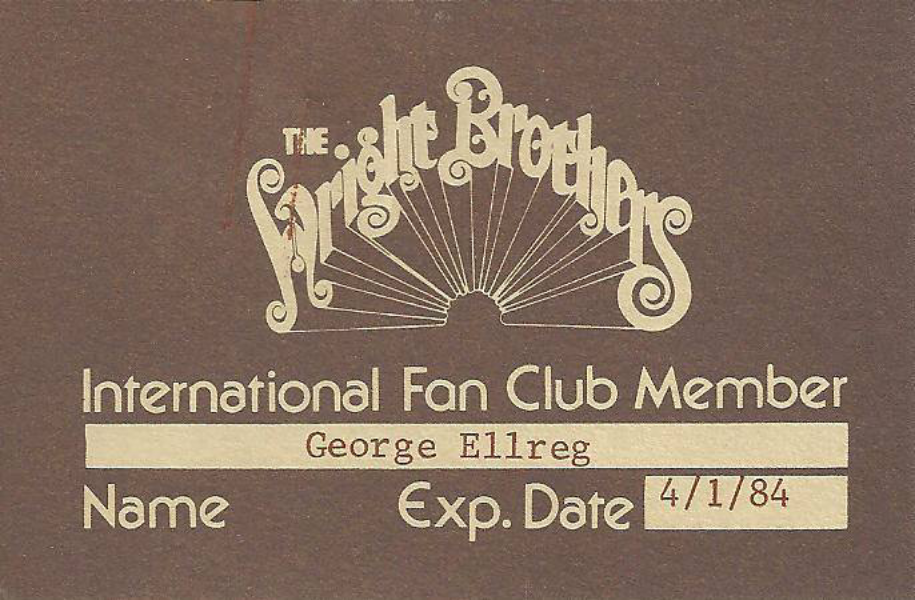
The Wright Brothers International Fan Club Membership Card – Expired 4-1-1984 – Photo from Don Elbreg
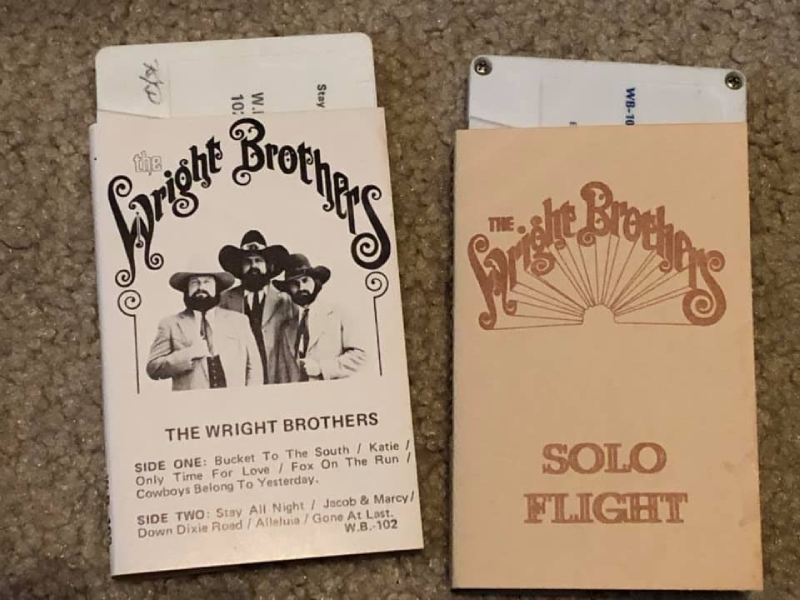
The Wright Brothers Cassettes – Photo from Rick Poelhuis
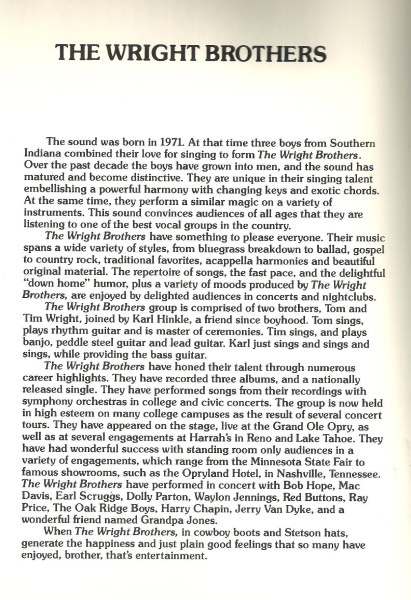
The Wright Brothers Bio – Photo from Don Elbreg
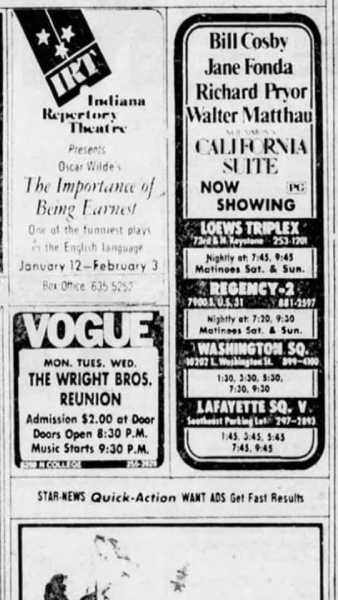
The Wright Brothers at the Vogue – Ad 1979 – Photo from Bill Kirsch
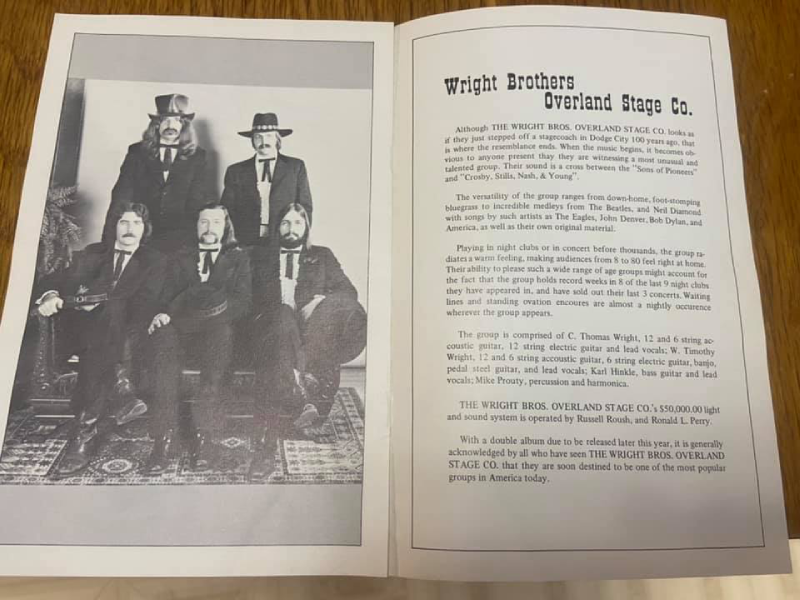
The Wright Brothers Overland Stage Co – Bio and Photo – Photo by John Rabold
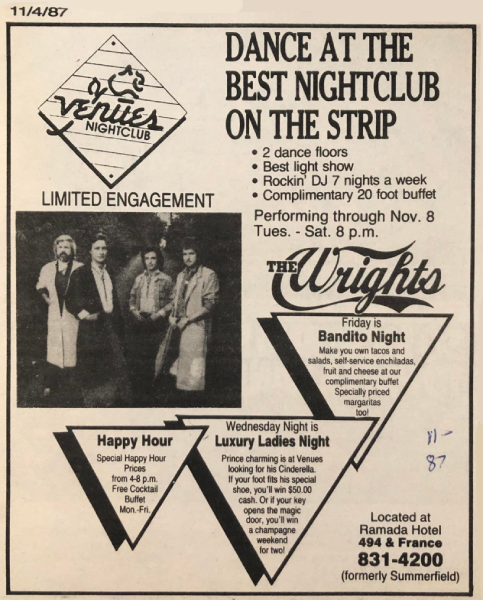
The Wright Brthers – Ad in Minnesota – 11-4-1987
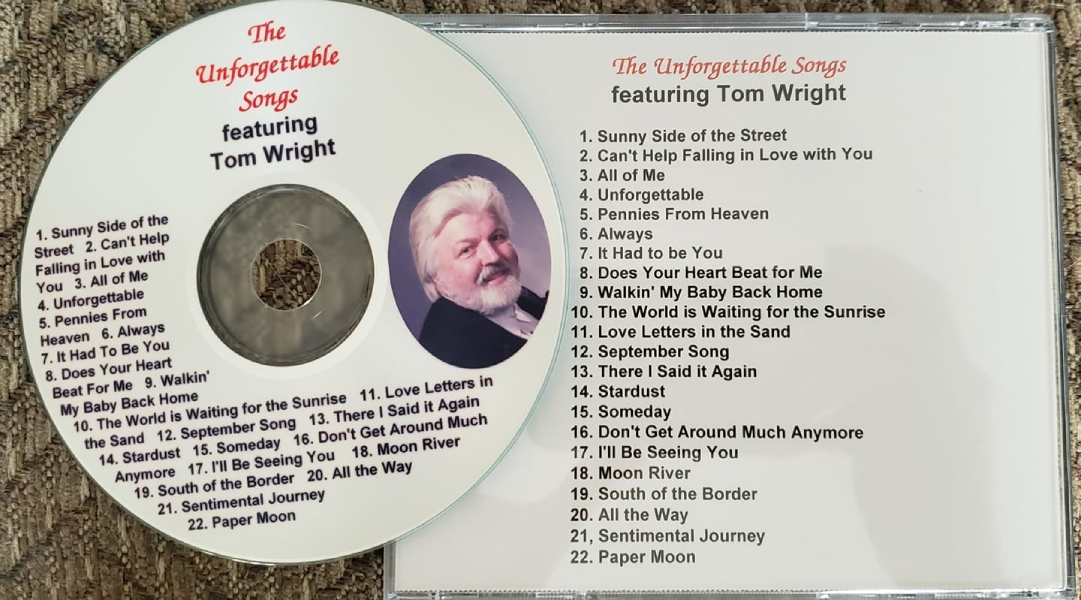
The Unforgettable Songs CD – Featuring Tom Wright – Photo from Robin Coulter
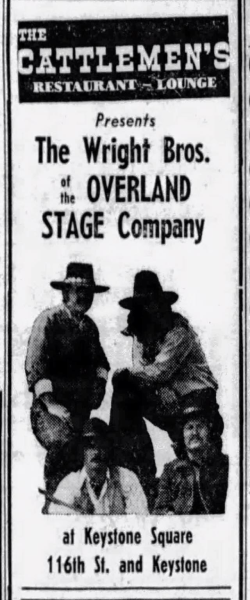
The Cattlmen’s Restaurant – Lounge Presents The Wright Bros Overland Stage Company – Photo from James Nye
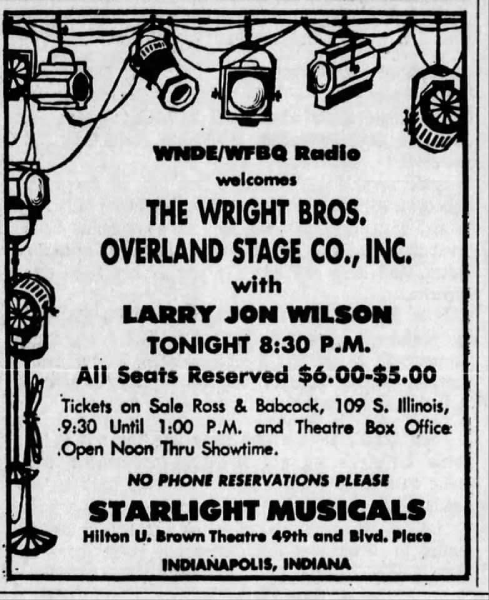
Starlight Musicals Ad – The Wright Brothers Overland Stage Company with Larry Jon Wilson – Indy – Photo from Bill Kirsch
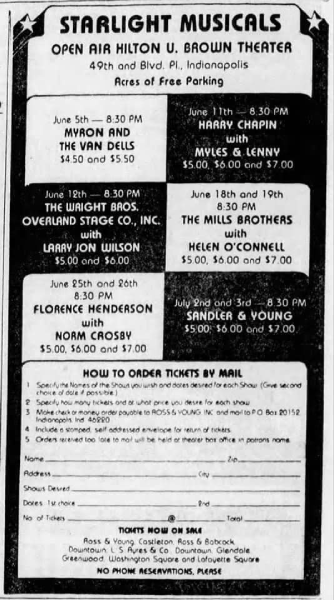
Starlight Musicals Ad – The Wright Brothers Overland Stage Company and Others – Indy – Photo from Bill Kirsch
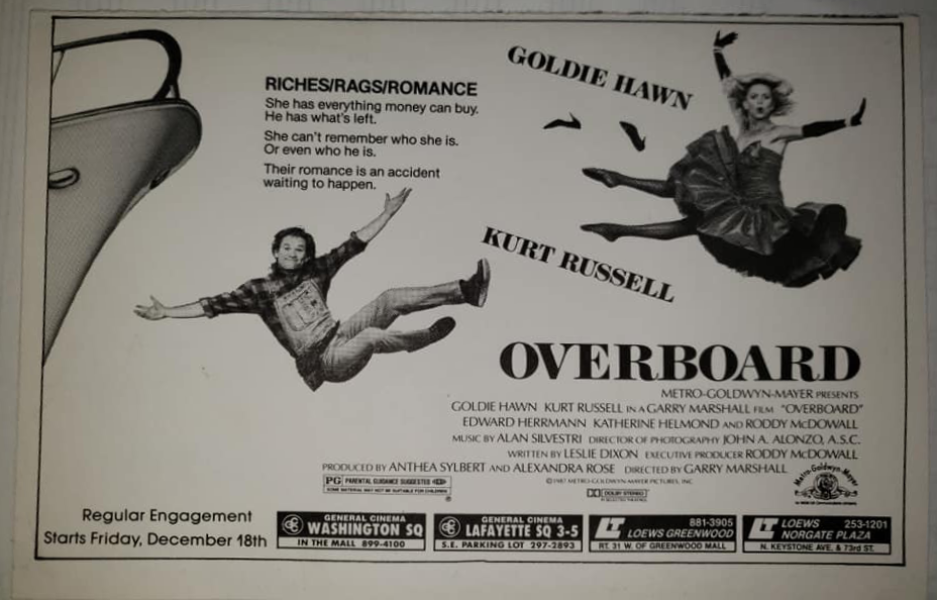
Overboard Promo Poster – Photo by Gayle Bedwell
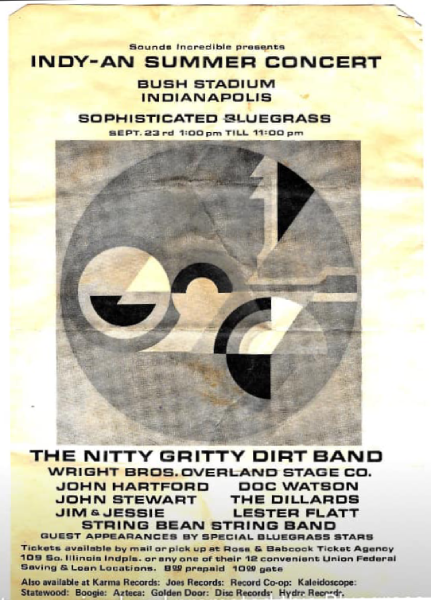
Indy-AN Summer Concert – Bush Stadium Indianapolis – The Nitty Gritty Dirt Band – The Wright Brothers circa 1973
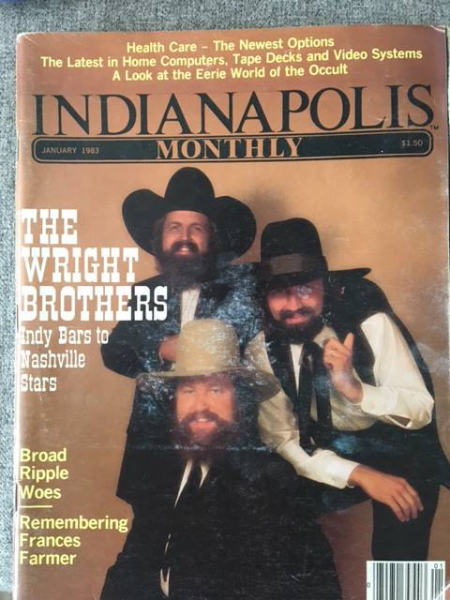
Indianapolis Monthly – The Wright Brothers on the Cover – January 1983 Photo from Susi Shipp Fryer
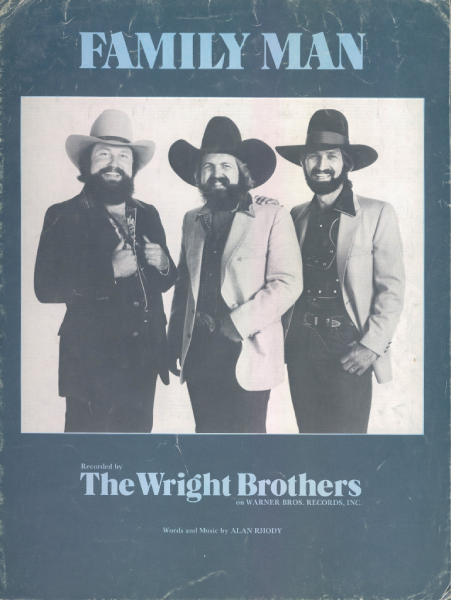
Family Man – Sheet Music – Front Cover
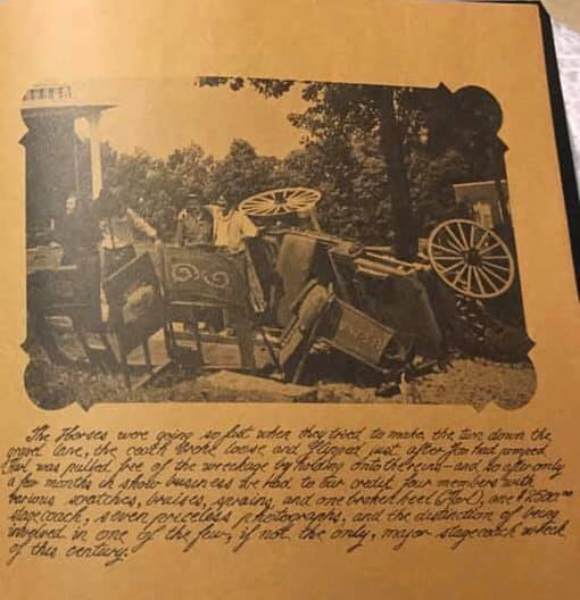
The Wright Brothers Overland Stage Company – Stage Coach Wreck – Photo from – John Rabold
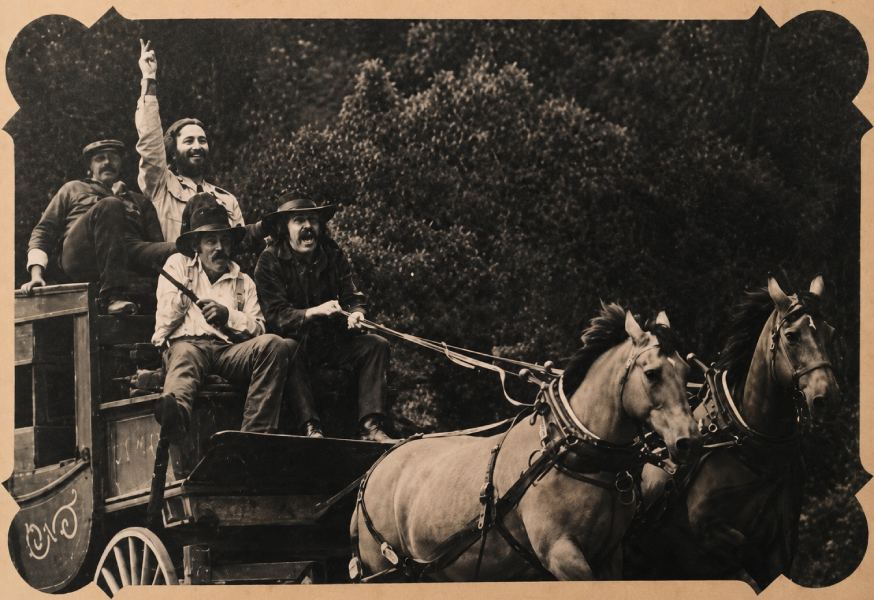
The Wright Brothers Overland Stage Company – Stage Coach Horses Running Before the Crash
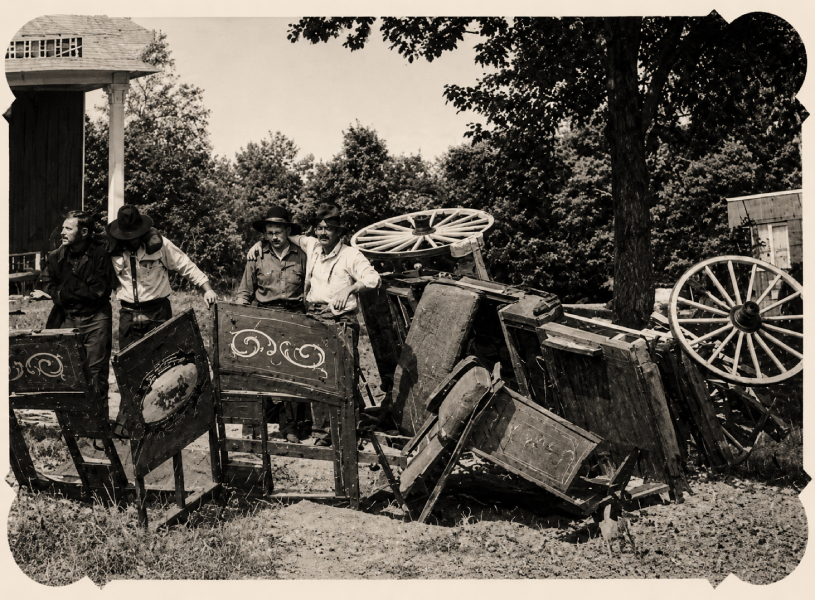
The Wright Brothers Overland Stage Company – Stage Coach Wreck
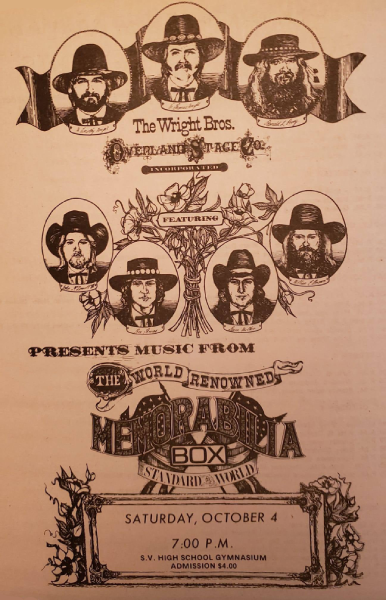
The Wright Brothers – Poster for S.V. High School – October 4 1975
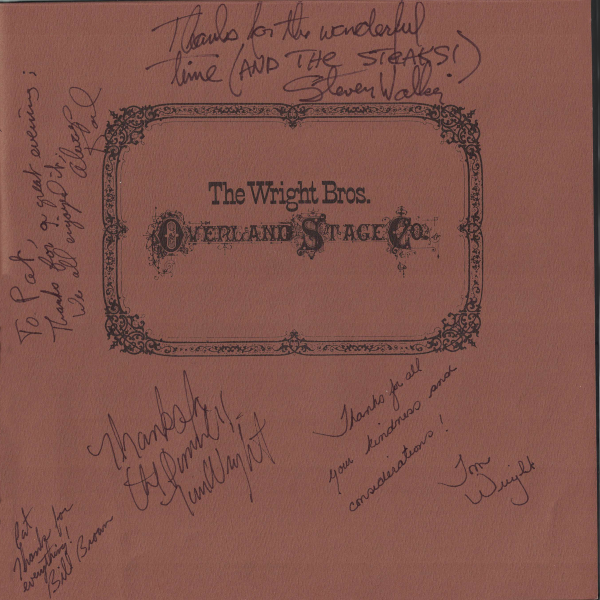
Wright and Perry presents The Wright Brothers Overland Stage Company – Back Cover – Photo from Jason S. Voss
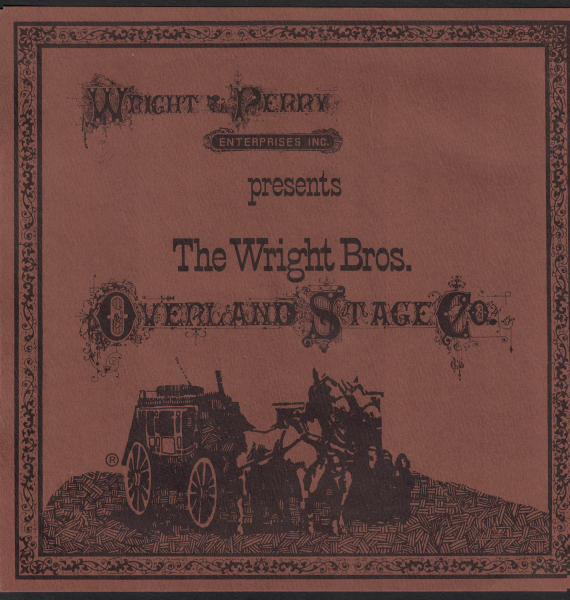
Wright and Perry presents The Wright Brothers Overland Stage Company Front Cover – Photo from Jason S. Voss
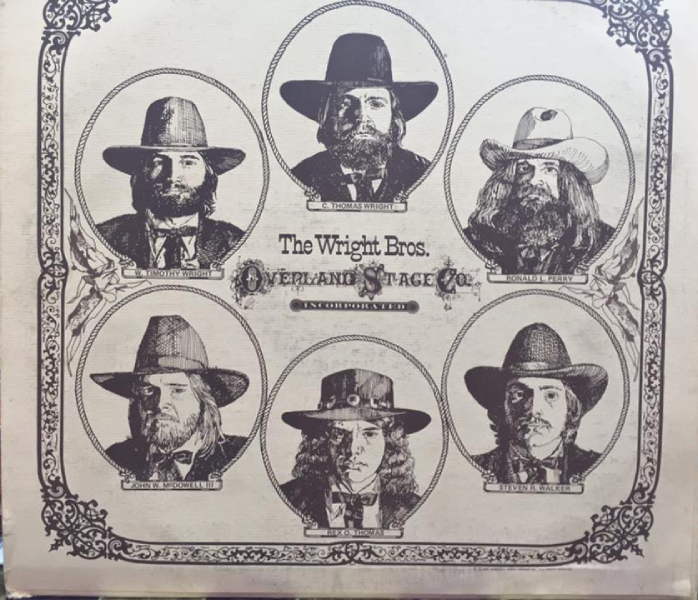
The Wright Brothers Overland Stage Co – Cover
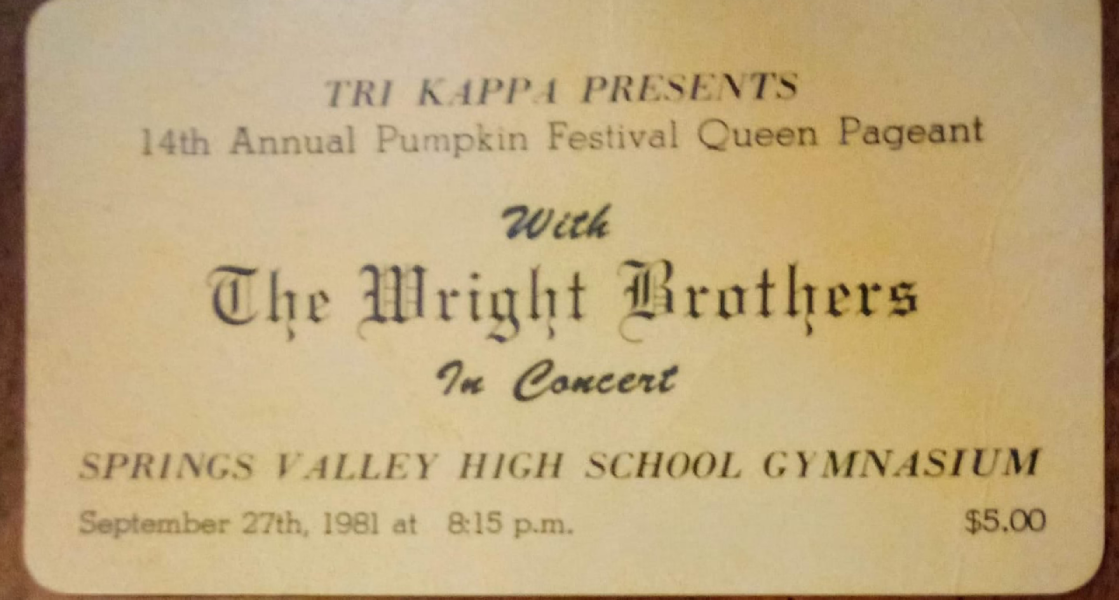
Flyer for The Wright Brothers at Pumpkin Festival Parade Springs Valley High School 9-27-1981 Photo from Robin Coulter
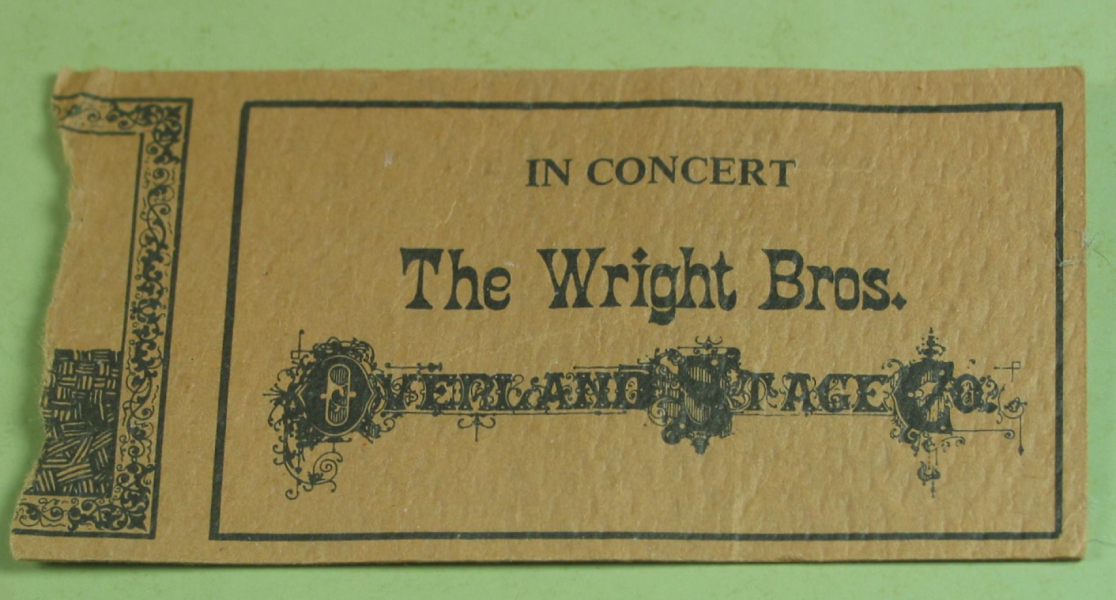
Ticket stub In Concert – The Wright Bros. Overland Stage Company – Photo from Michael Wilson
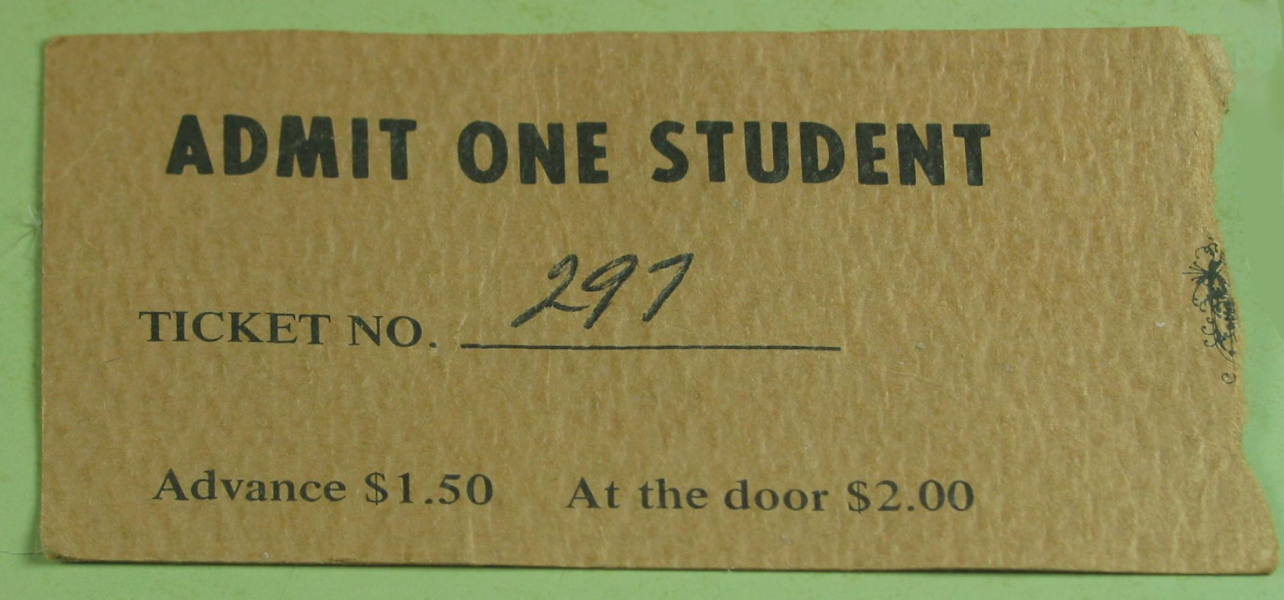
Front of the Ticket stub In Concert – The Wright Bros. Overland Stage Company – Photo from Michael Wilson
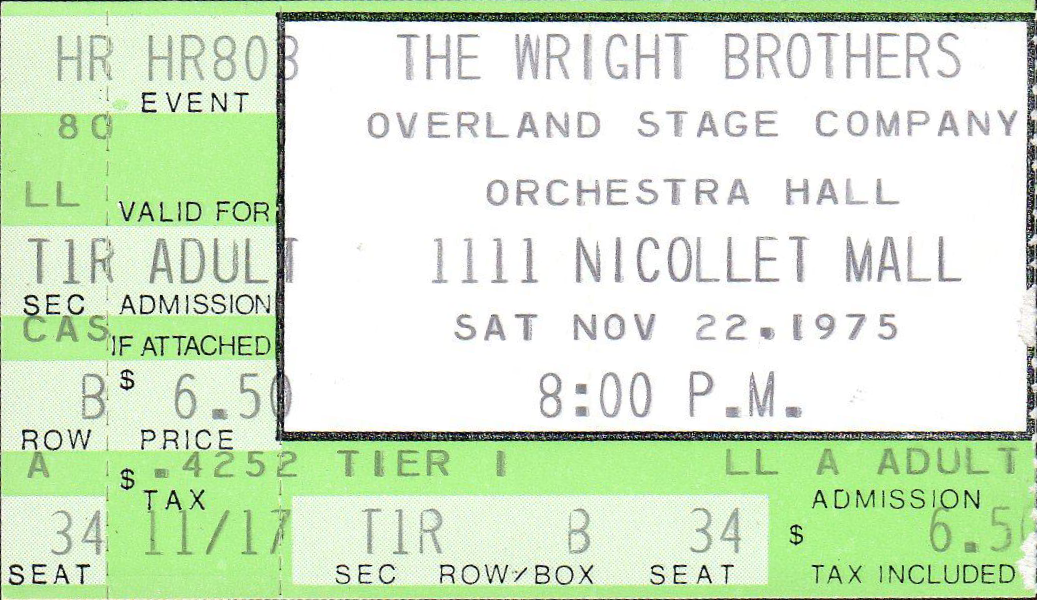
Ticket stub from Orchestra Hall in Mpls Nov. 22 1975 – Photo from Mark Borchardt
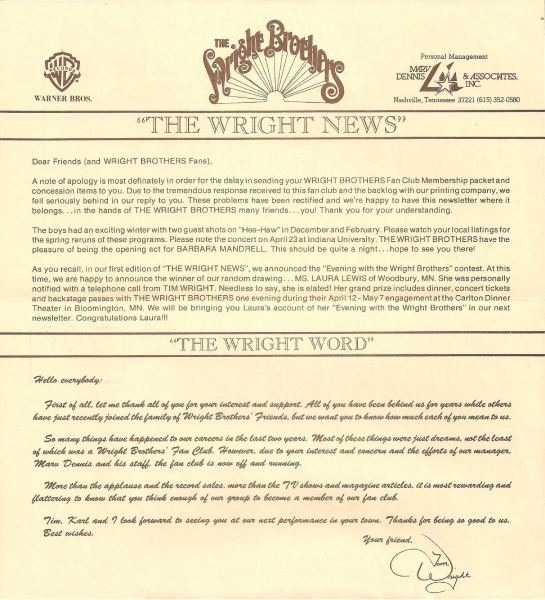
The Wright Brothers Fan Club – The Wright News – Photo from Don Elbreg
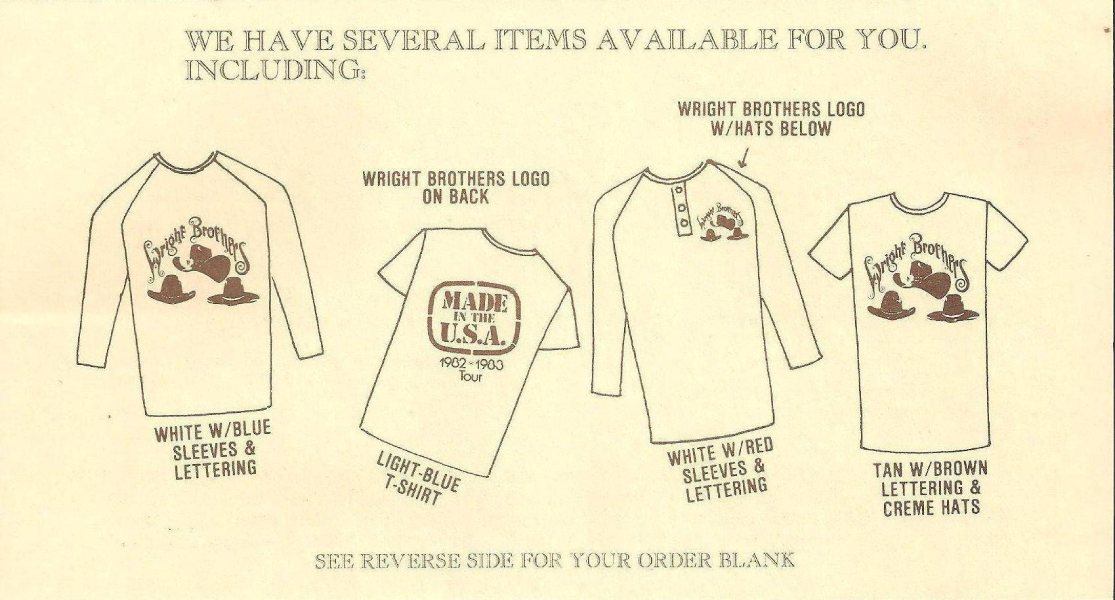
The Wright Brothers Fan Club Shirts – Photo from Don Elbreg
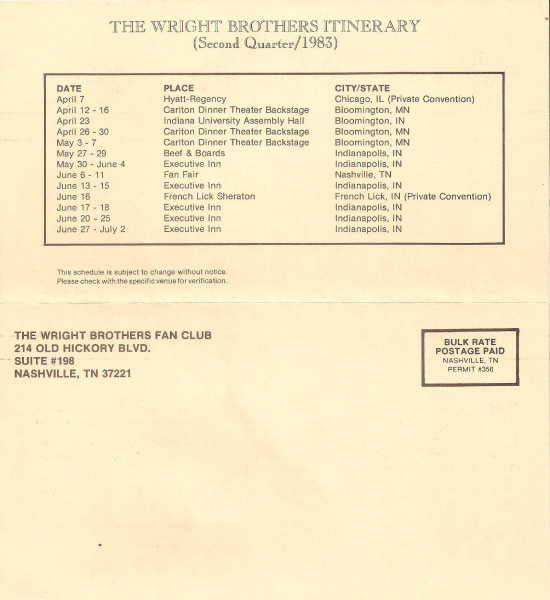
The Wright Brothers Itinerary 2nd Quarter of 1983 – Fan Club Mail Photo from Don Elbreg
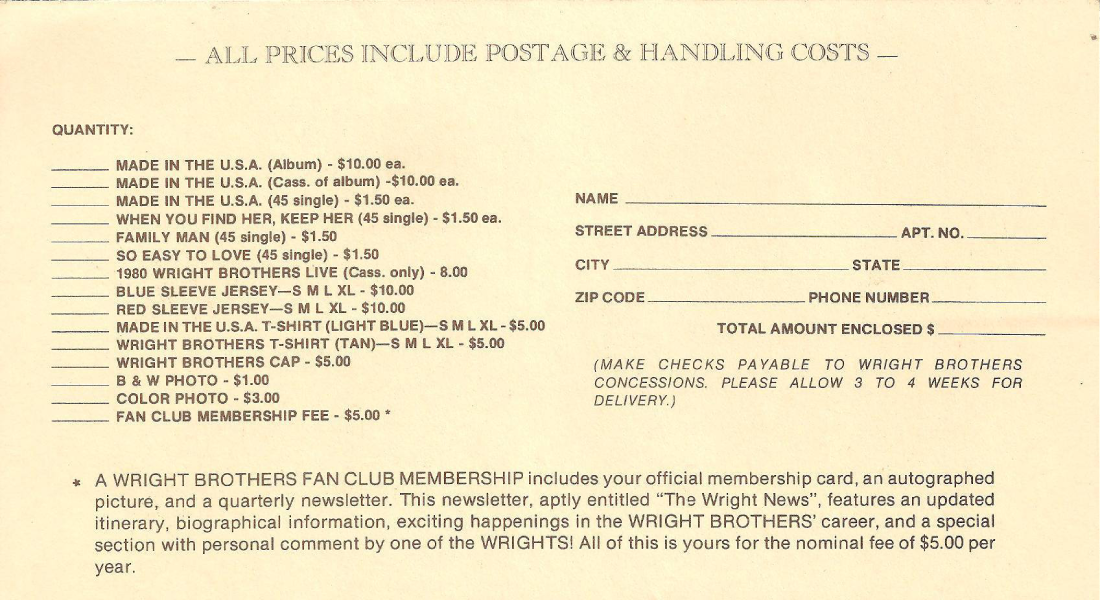
The Wright Brothers Order by Mail Form – Photo from Don Elbreg
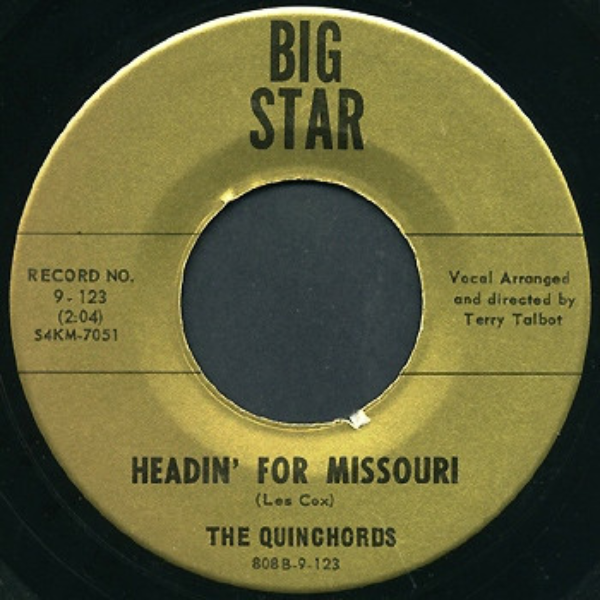
The Quinchords – Headin’ For Missouri – Released in 1965 by Big Star – Tom Wright was in The Quinchords Before Forming The Wright Brothers
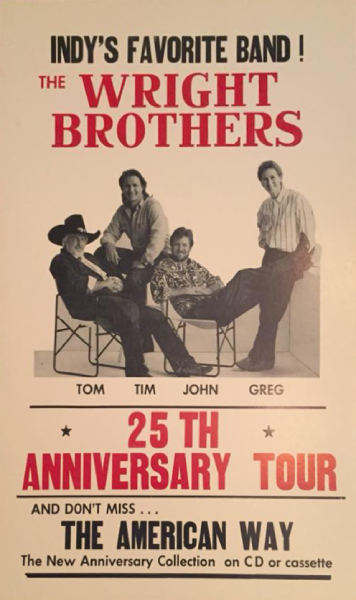
The Wright Brothers – 25th Anniversary Tour Poster – Photo from Steve Huff
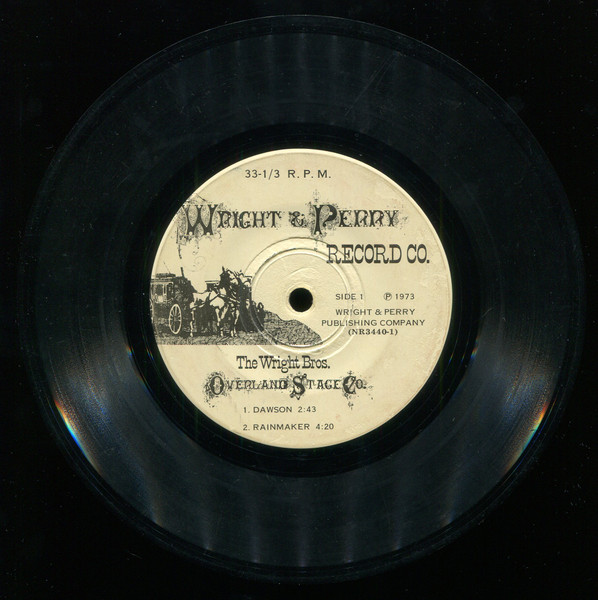
The Wright Brothers Overland Stage Company – Album Label – Released in 1973 by Wright and Perry Records
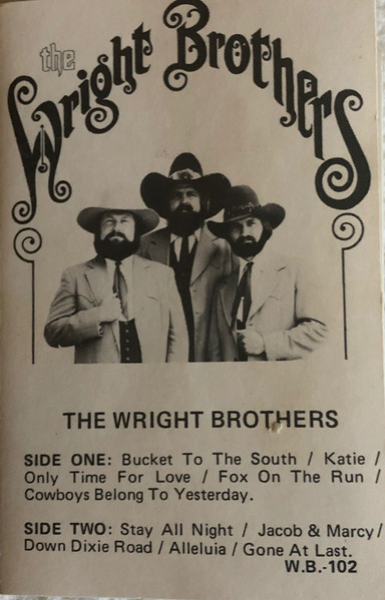
The Wright Brothers – Demo Tape – Tape Front Cover
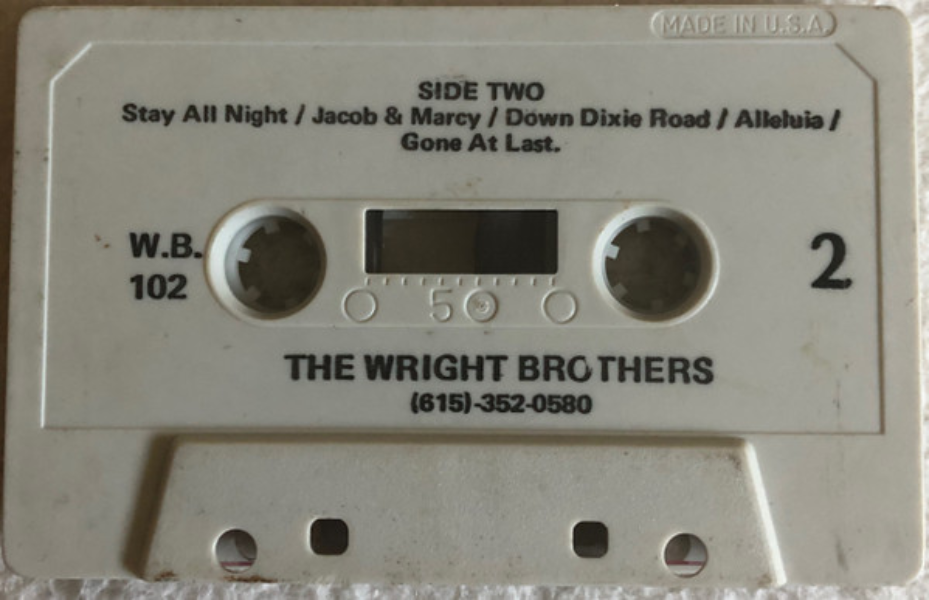
The Wright Brothers – Demo Tape – Side 2
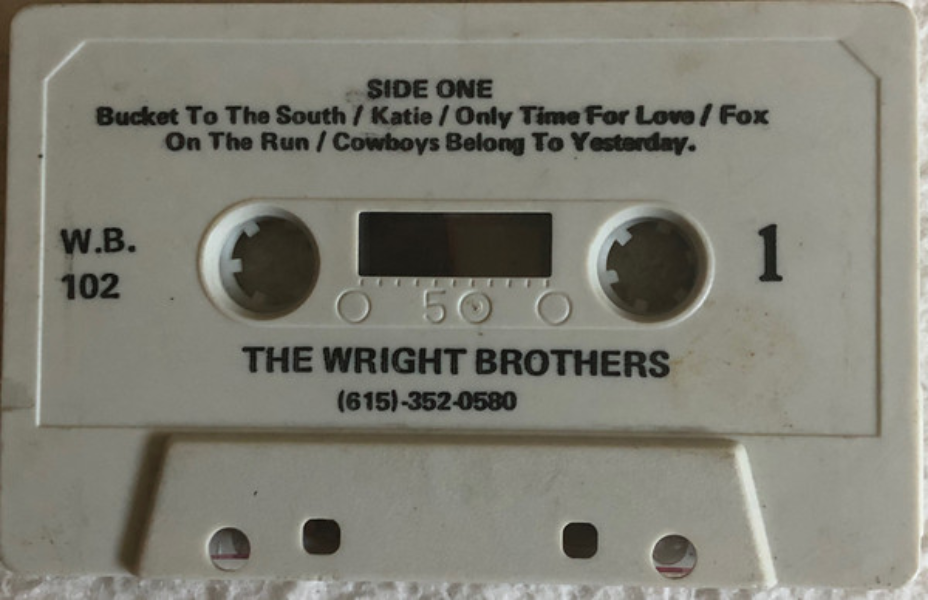
The Wright Brothers – Demo Tape – Side 1
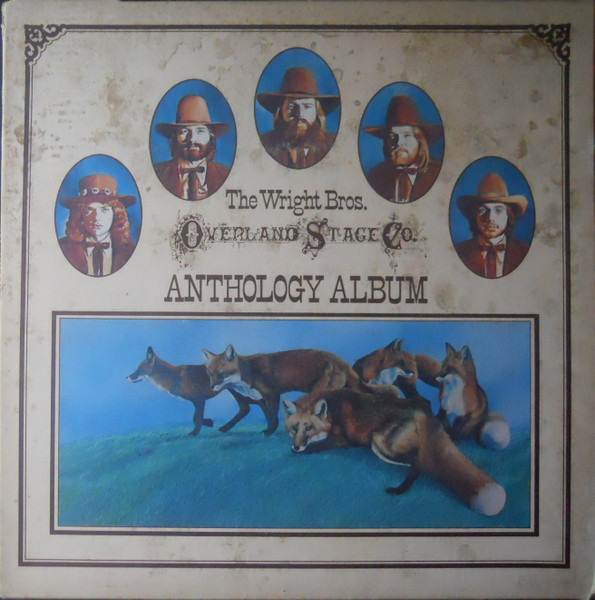
The Wright Brothers Overland Stage Company – Anthology Album – Front Cover – Released in 1977 by Wright & Perry Records
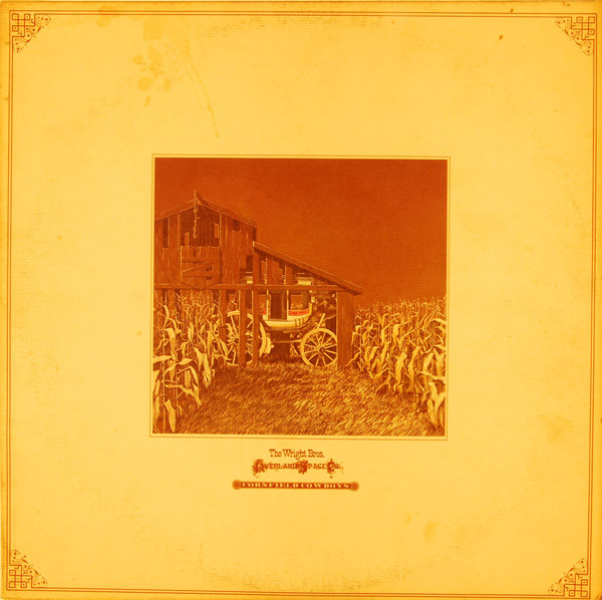
The Wright Brothers Overland Stage Co – Cornfield Cowboys, Front Cover – Released in 1975 by Wright & Perry Records
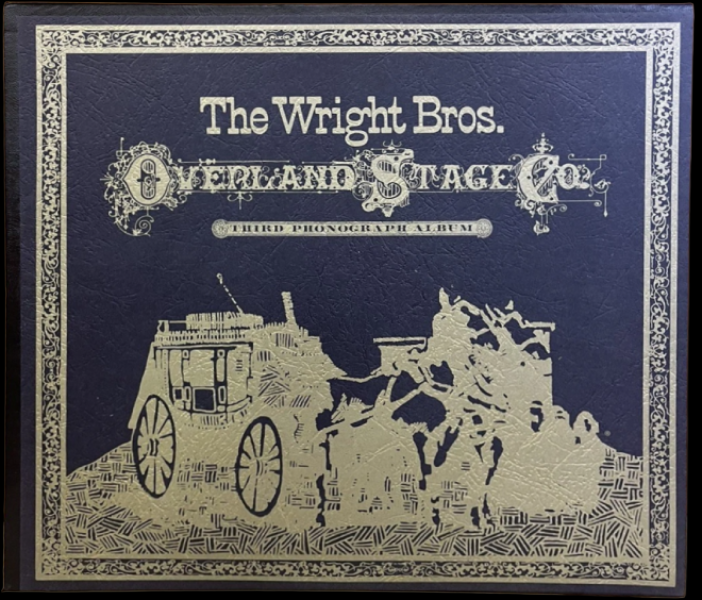
The Wright Brothers Overland Stage Co – Third Phonograph Album, Front Cover – Released in 1976 by Wright & Perry Records (2)
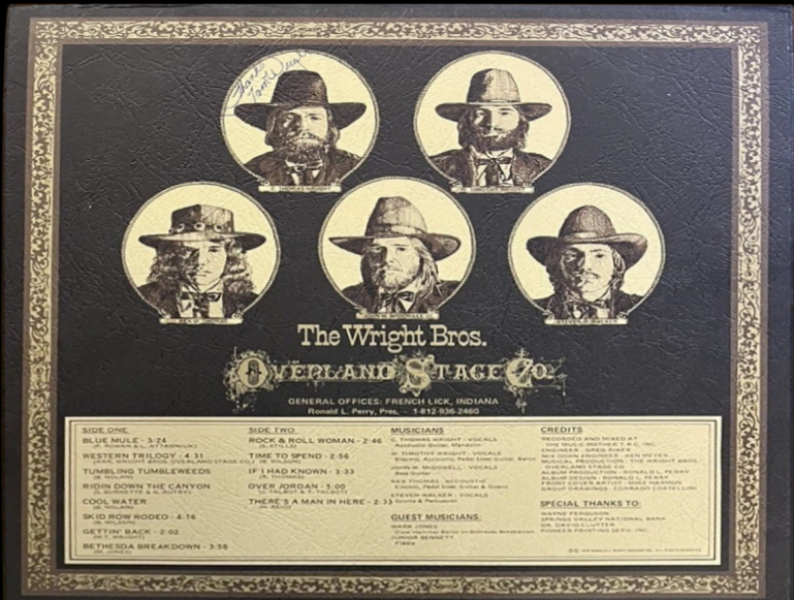
The Wright Brothers Overland Stage Co – Third Phonograph Album, Back Cover – Released in 1976 by Wright & Perry Records
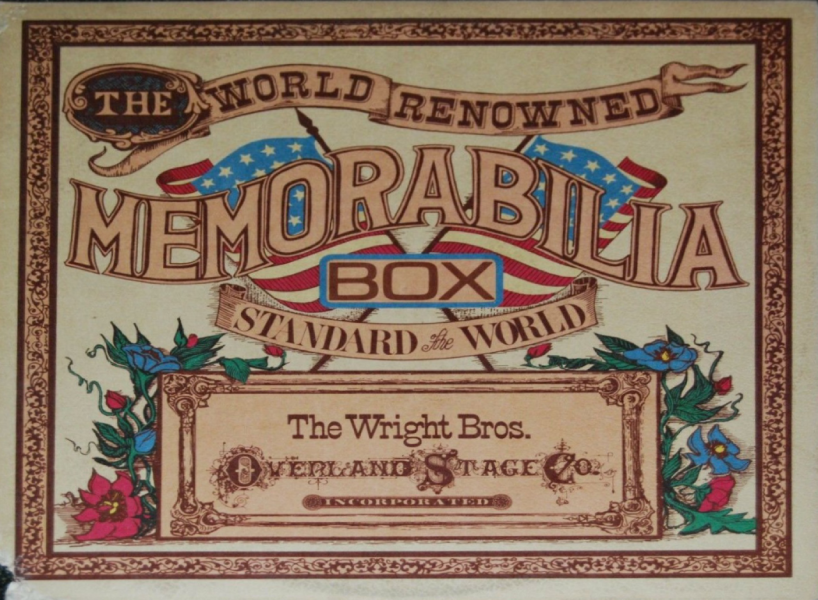
The Wright Brothers – Memorabilia Box – Front Cover – Photo from Rebecca Wright Noot
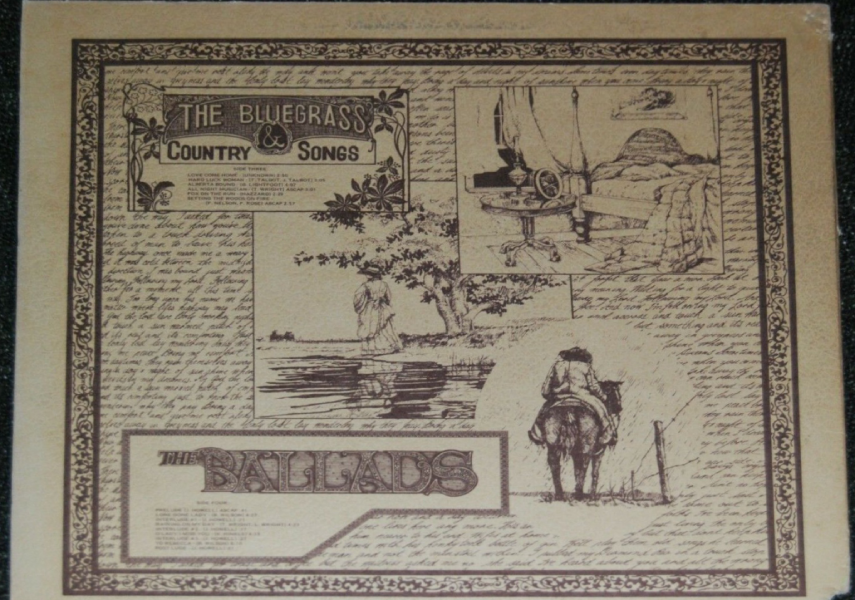
The Wright Brothers – Memorabilia Box – Back Cover – Photo from Rebecca Wright Noot

The Wright Brothers Overland Stage Company – Memorabilia Box – Front Cover – Released in 1975 by Wright & Perry Records – Recorded at Gilfoy Studios
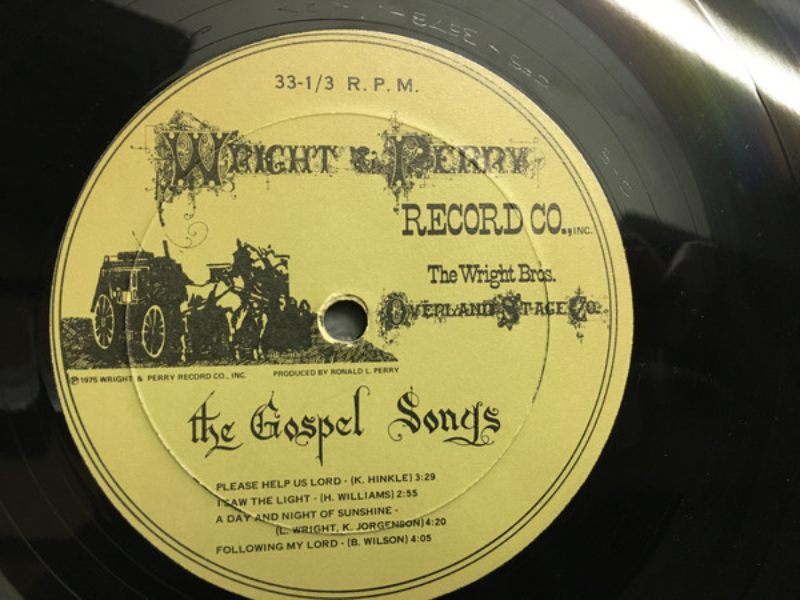
The Wright Brothers Overland Stage Company – Memorabilia Box – The Gospel Songs – Album Label – Released in 1975 by Wright & Perry Records – Recorded at Gilfoy Studios
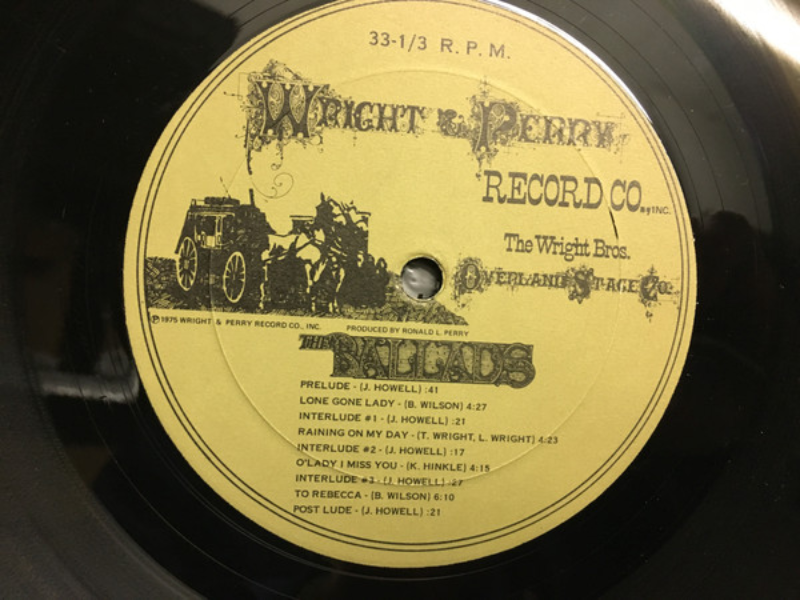
The Wright Brothers Overland Stage Company – Memorabilia Box – The Ballads – Album Label – Released in 1975 by Wright & Perry Records -Recorded at Gilfoy Studios
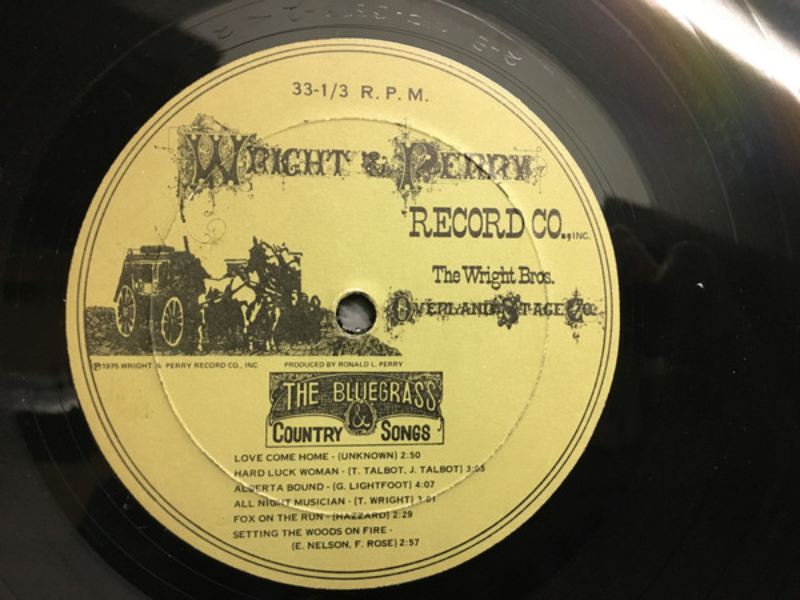
The Wright Brothers Overland Stage Company – Memorabilia Box – The Bluegrass Country Songs – Album Label – Released in 1975 by Wright & Perry Records – Recorded at Gilfoy Studios
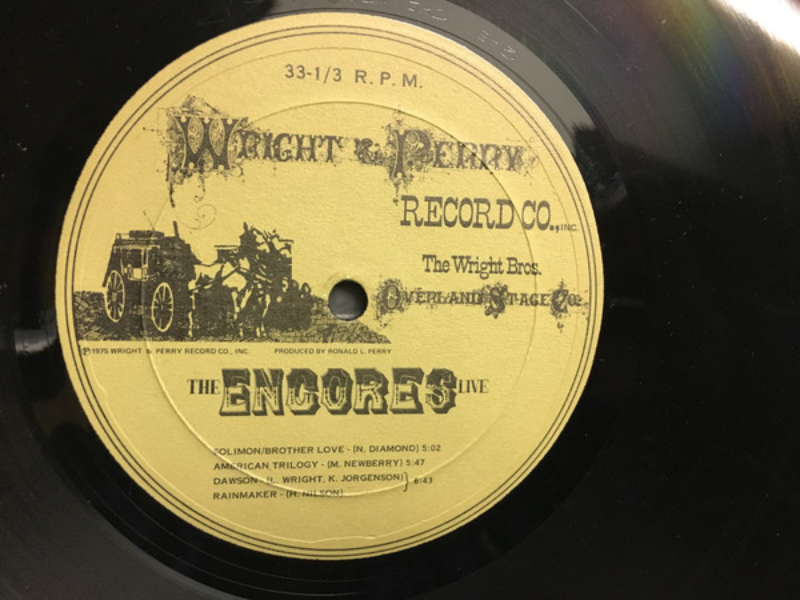
The Wright Brothers Overland Stage Company – Memorabilia Box – The Encores – Album Label – Released in 1975 by Wright & Perry Records -Recorded at Gilfoy Studios

The Wright Brothers Overland Stage Company – Memorabilia Box – Back Cover – Released in 1975 by Wright & Perry Records – Recorded at Gilfoy Studios
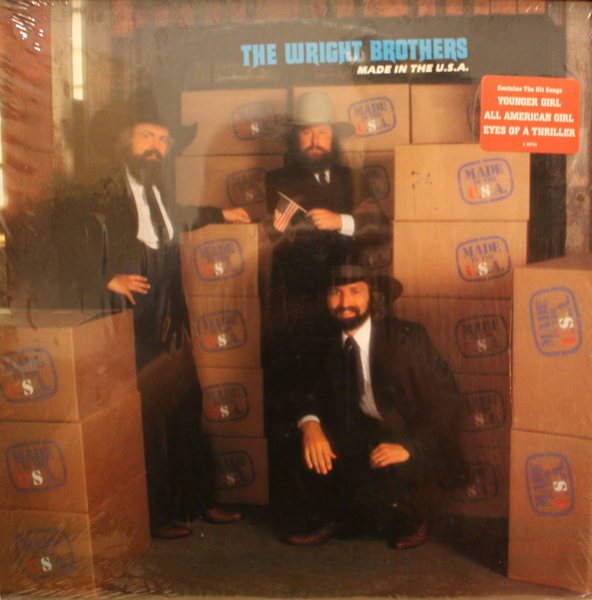
The Wright Brothers – Made in the U.S.A. – Front Cover – Released in 1982
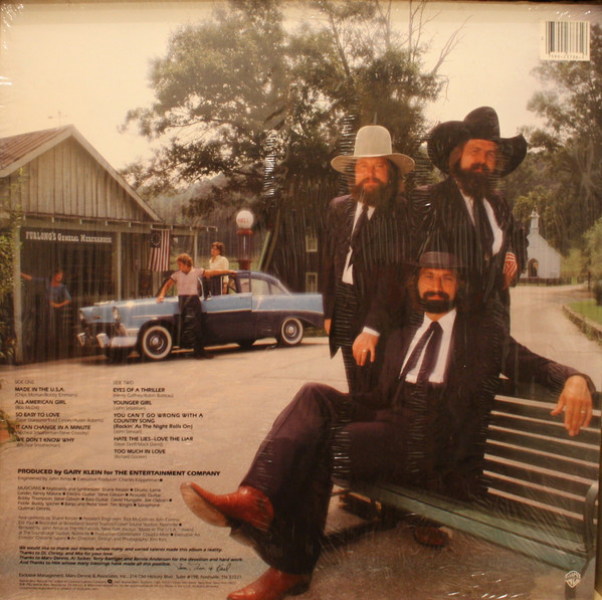
The Wright Brothers – Made in the U.S.A. – Back Cover – Released in 1982
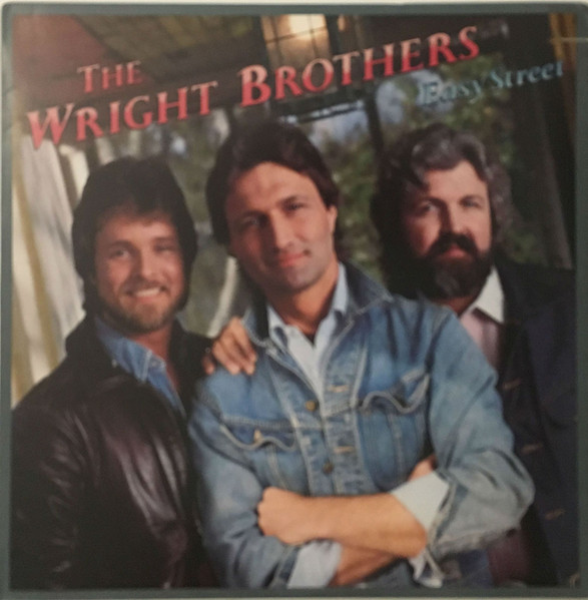
The Wright Brothers – Easy Street – Front Cover
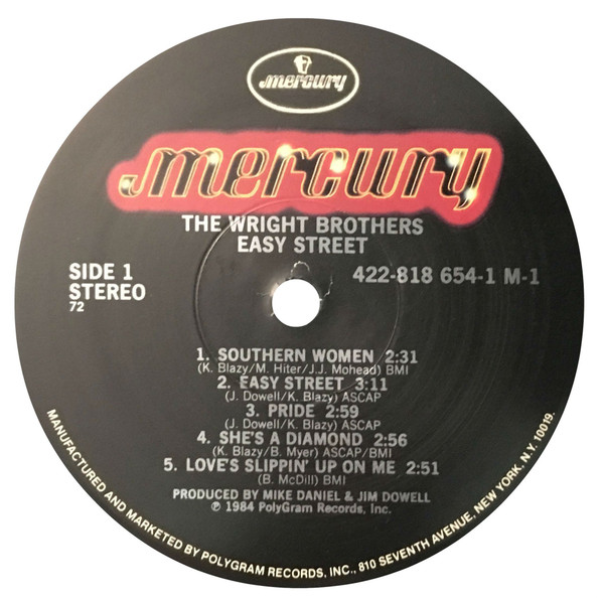
The Wright Brothers Album – Featuring Southern Women – 1984 – Side 1
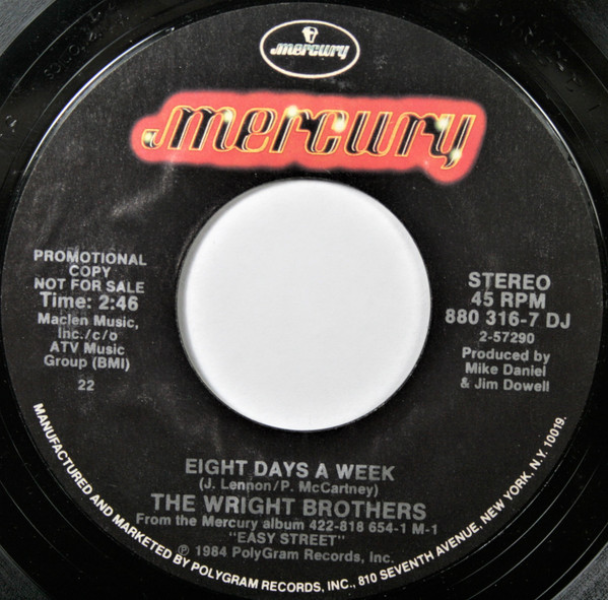
The Wright Brothers – Eight Days a Week – Album Label – Released by Mecury Records
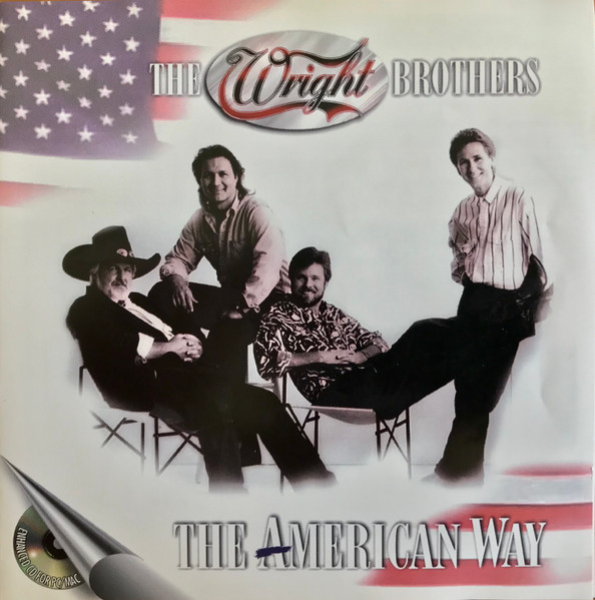
The Wright Brothers – The American Way – Front Cover – Released 1997
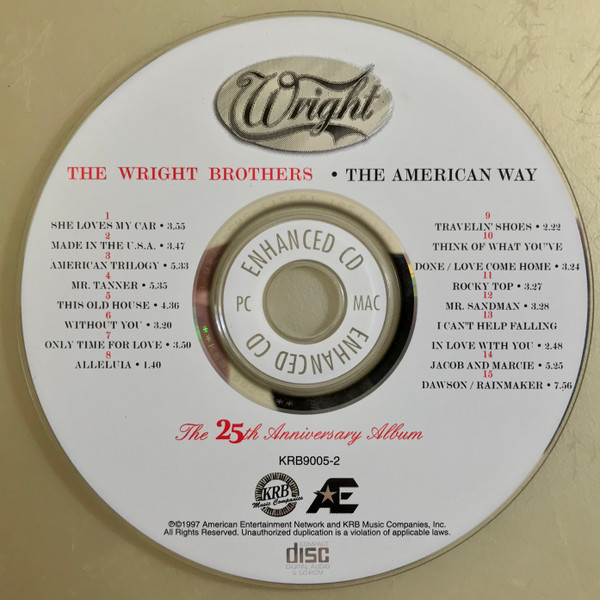
The Wright Brothers – The American Way – 25th Anniversary Album – CD Label – Released in 1997
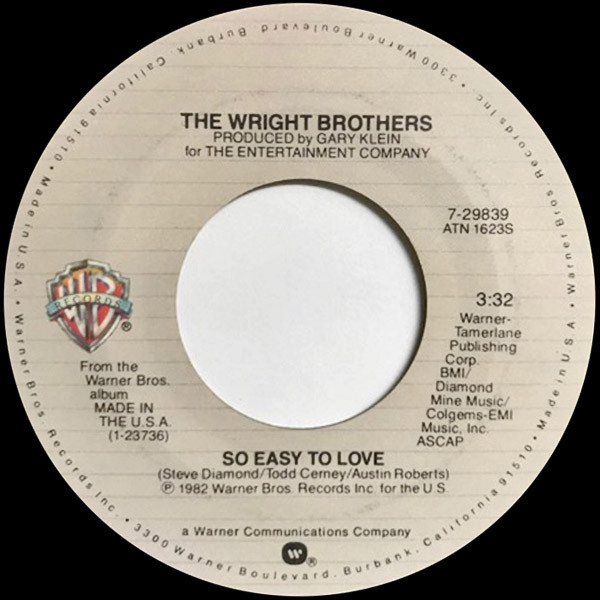
The Wright Brothers – So Easy To Love – Album Label – Released in 1982 by Warner Brothers
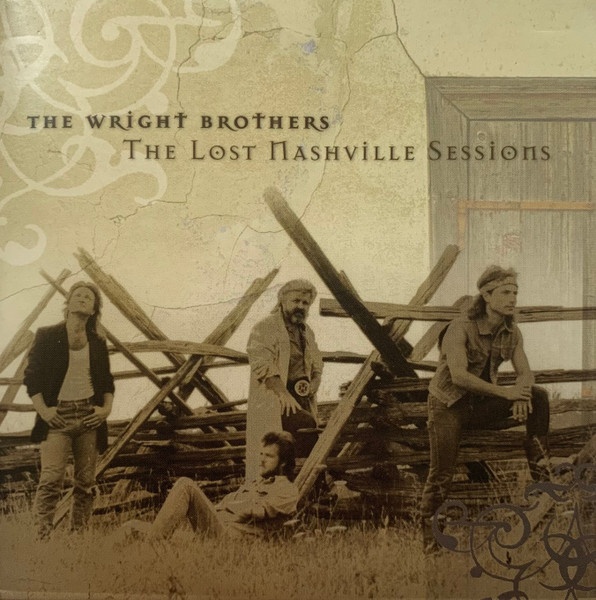
The Wright Brothers – The Lost Nashville Sessions – 12 Tracks Recorded Between 1988 and 1989 and Officially Released in 2006
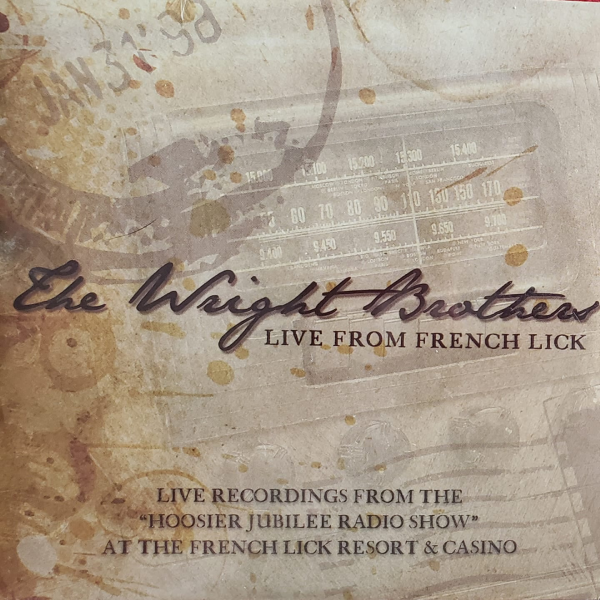
The Wright Brothers Live from French Lick – Front Cover – Hoosier Jubliee Radio Show – 2008 – Photo from Robin Coulter
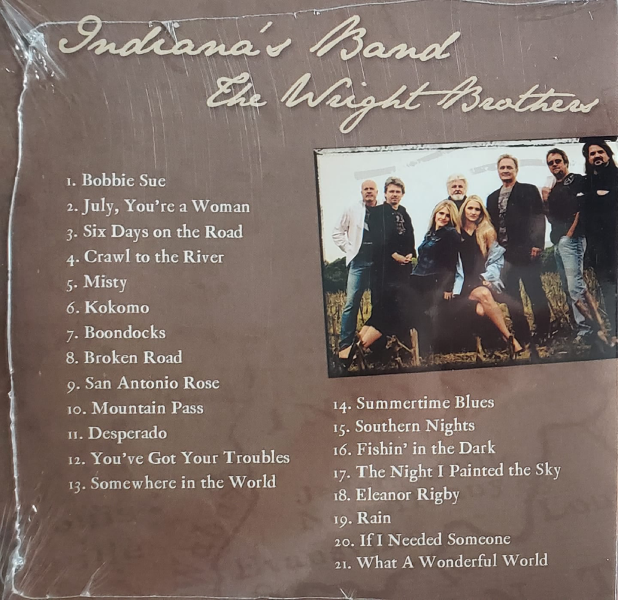
The Wright Brothers Live from French Lick – Back Cover – Hoosier Jubliee Radio Show – 2008 – Photo from Robin Coulter
Preserving Indiana’s Music History
The Indiana Music History Project is made possible through the generous support of the Allen Whitehill Clowes Charitable Foundation. Their commitment to preserving Indiana’s rich musical heritage helps ensure these oral histories remain accessible for future generations.

Help Improve This Archive
Have additional information about this artist, story, or any of the photographs? If you can identify people, dates, locations, or have memories you’d like to share, we’d love to hear from you. Please use the button below and select “Submit Historical Information or Corrections” as the reason for your message.

