Bill Levin Oral History
Bill Levin is a pivotal figure in Indiana’s live-music history, best known as one of the state’s most prolific and influential concert promoters during the 1970s and 1980s. At a time when touring acts depended on regional champions to bring live music to new audiences, Levin played a central role in connecting national, international, and local artists with Indiana fans—helping shape the sound, scale, and ambition of the state’s concert scene.
Over the course of his career, Levin booked an extraordinary range of performers, from emerging and groundbreaking national acts like R.E.M. to the boundary-pushing shock-metal theatrics of GWAR. At the same time, he was a passionate supporter of Indiana’s homegrown music culture, promoting influential local bands such as Club Pressure and Zero Boys, among many others.
By bringing both nationally recognized artists and cutting-edge local acts to Indiana stages, Levin helped establish the state as a viable and exciting tour destination. His work elevated venues, created opportunities for sound engineers and crews, and exposed audiences to music that was often raw, new, and culturally transformative.
Levin’s impact extended far beyond individual shows. Through persistence, calculated risk-taking, and an unwavering belief in live music, he helped professionalize concert promotion in Indiana during a formative era. His efforts laid important groundwork for the live-music infrastructure that continues to support artists and audiences across the state today.
In addition to his impact on Indiana’s music scene, Bill Levin is also the founder of First Church of Cannabis, a nonprofit religious organization he established in Indianapolis in 2015 under Indiana’s Religious Freedom Restoration Act, where he serves as Grand Poobah. The church has drawn national attention for its unconventional approach to worship and advocacy for personal freedom, and under Levin’s leadership has developed a robust outreach program that provides meals and support to people experiencing homelessness in the city each week, feeding dozens of individuals across multiple sites from 38th Street south toward Garfield Park with the help of volunteers and community donations.
In his Amazing Indiana Music Story interview, Bill Levin reflects on the realities of concert promotion in the 1970s and 1980s—the hustle behind the scenes, the financial and logistical challenges, and the unforgettable moments that came with bringing live music to Indiana. His story offers a rare behind-the-scenes look at an essential but often overlooked role in music history, highlighting how promoters like Levin helped build Indiana’s enduring live-music legacy.
Visitors can explore more below, including the Complete Interview, Interview Highlight, and Image Gallery from Bill Levin’s Amazing Indiana Music Story.
Interview Highlight
In this Amazing Indiana Music Story Interview Highlight, legendary Indiana concert promoter Bill Levin shares one of his most unforgettable stories from the early days of independent promotion. He recalls the infamous “chicken mobile” rolling down Broad Ripple Avenue—pulling a trailer with Club Pressure performing live as it passed the The Vogue—a perfect snapshot of the DIY energy that defined the era. Levin also reflects on bringing R.E.M. to Indianapolis, highlighting the risks, creativity, and passion it took to introduce groundbreaking artists to Indiana audiences.
The Complete Interview
In The Complete Interview, Indiana concert promoter Bill Levin offers a wide-ranging, behind-the-scenes look at a life spent pushing creative boundaries and building unforgettable music experiences. Expanding on stories like the infamous chicken mobile rolling down Broad Ripple Avenue with Club Pressure performing in tow, Levin also reflects on bringing early appearances by R.E.M. to Indianapolis and working with the wildly theatrical GWAR. He discusses Mondo Mondays, his long-running, anything-goes variety show inspired by the spirit of the Gong Show, and shares stories from running Carfax, his Broad Ripple shop that sold leather apparel, concert posters, and counterculture essentials. Together, these stories paint a vivid portrait of an era when imagination, risk, and community fueled Indiana’s live-music and arts scene.
Image Gallery
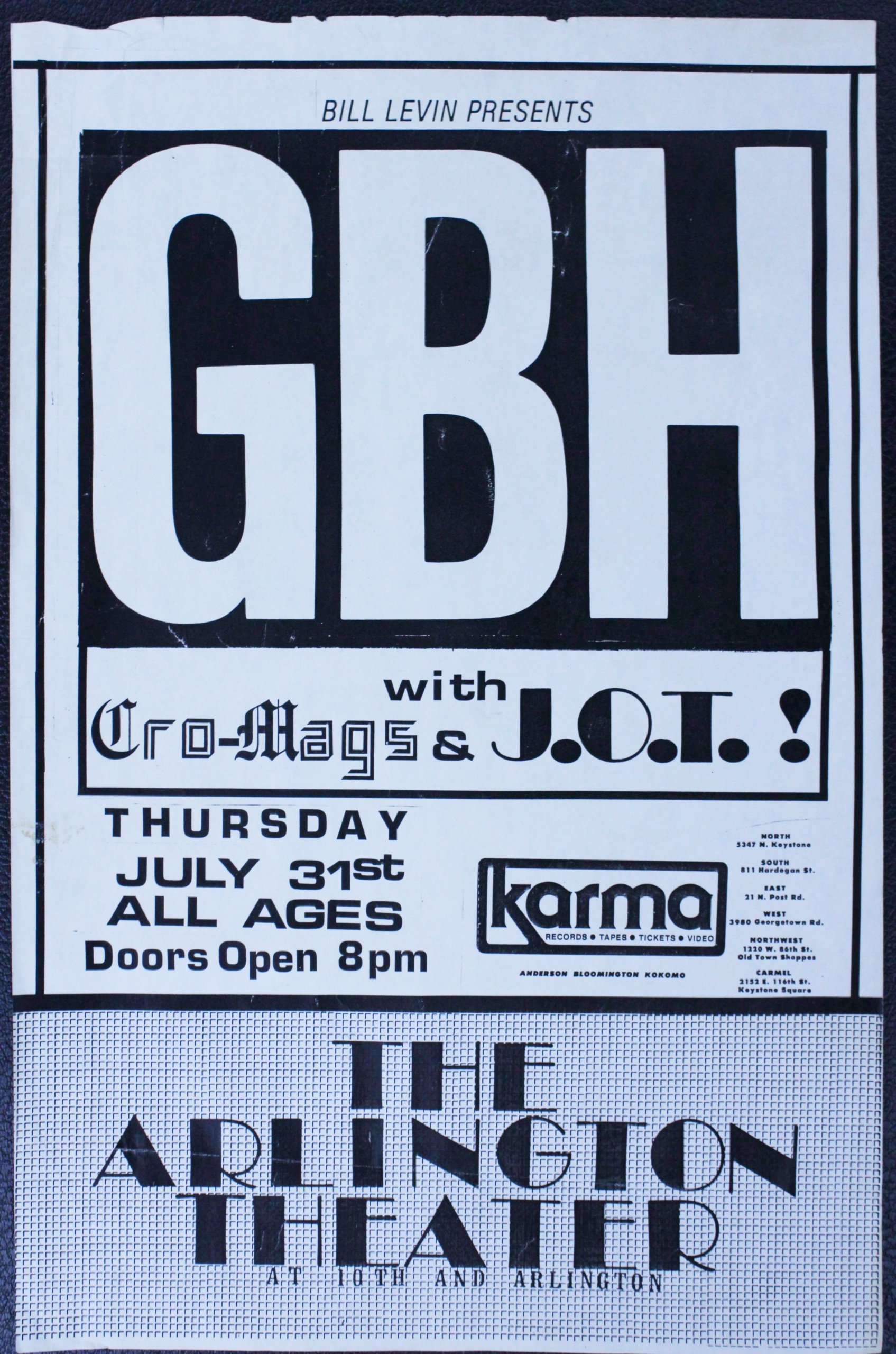
Bill Levin Presents GBH with Cro-Mags & JOT at The Arlington Theater July 31
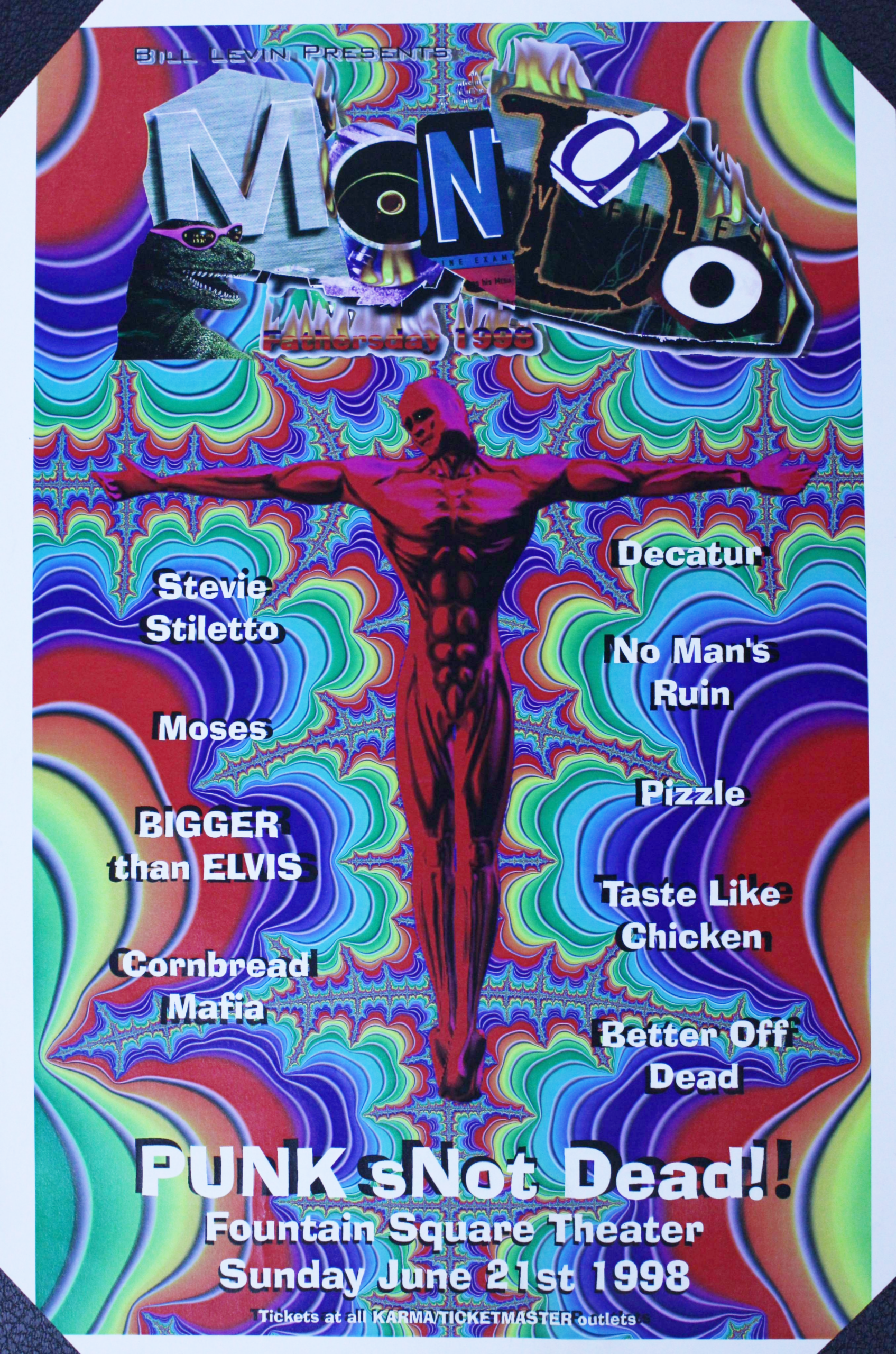
Bill Levin Presents Mondo PUNKsNot Dead June 21 1998
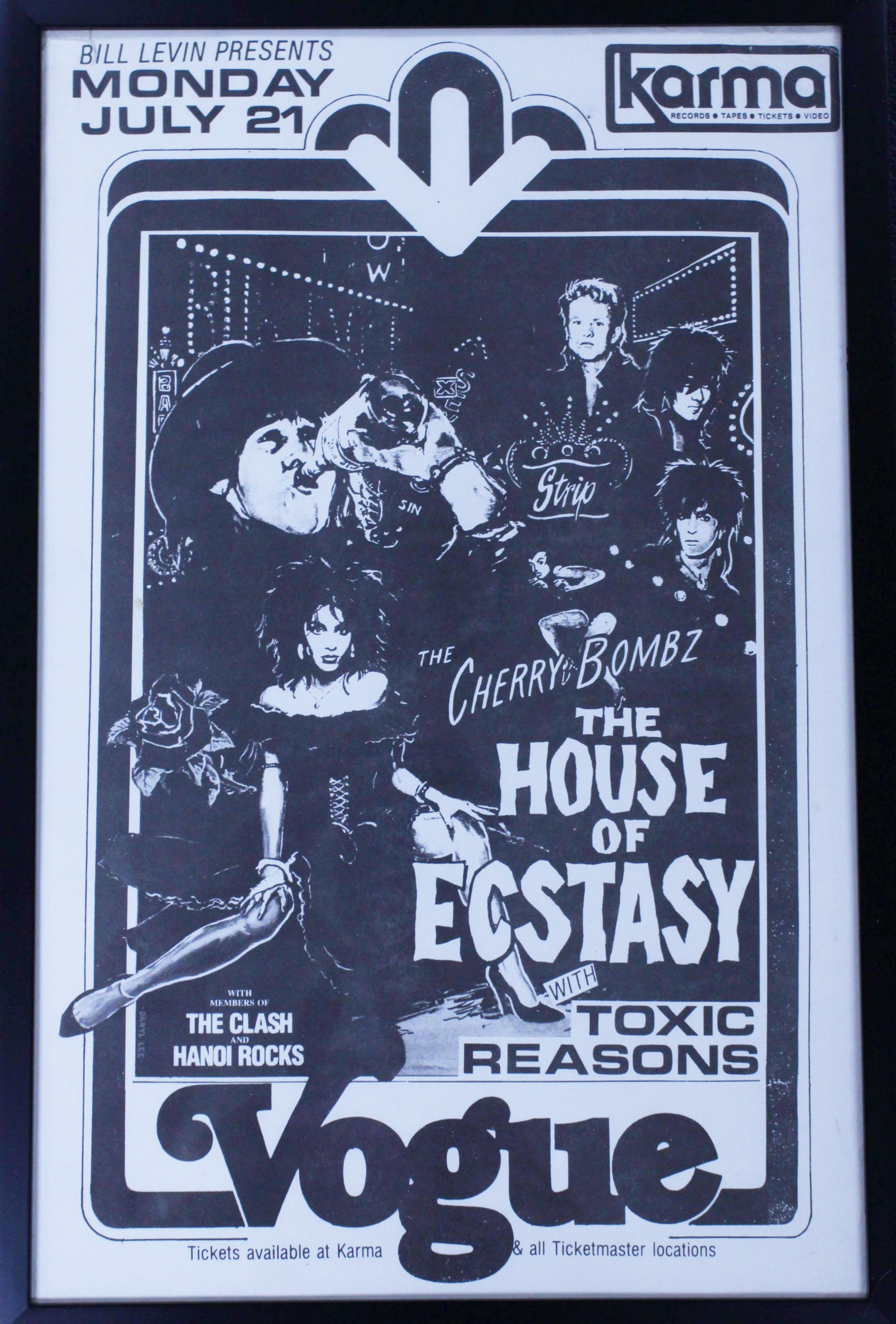
Bill Levin Presents The Cherry Bombz, The House of Ecstasy with Toxic Reason at The Vogue July 21
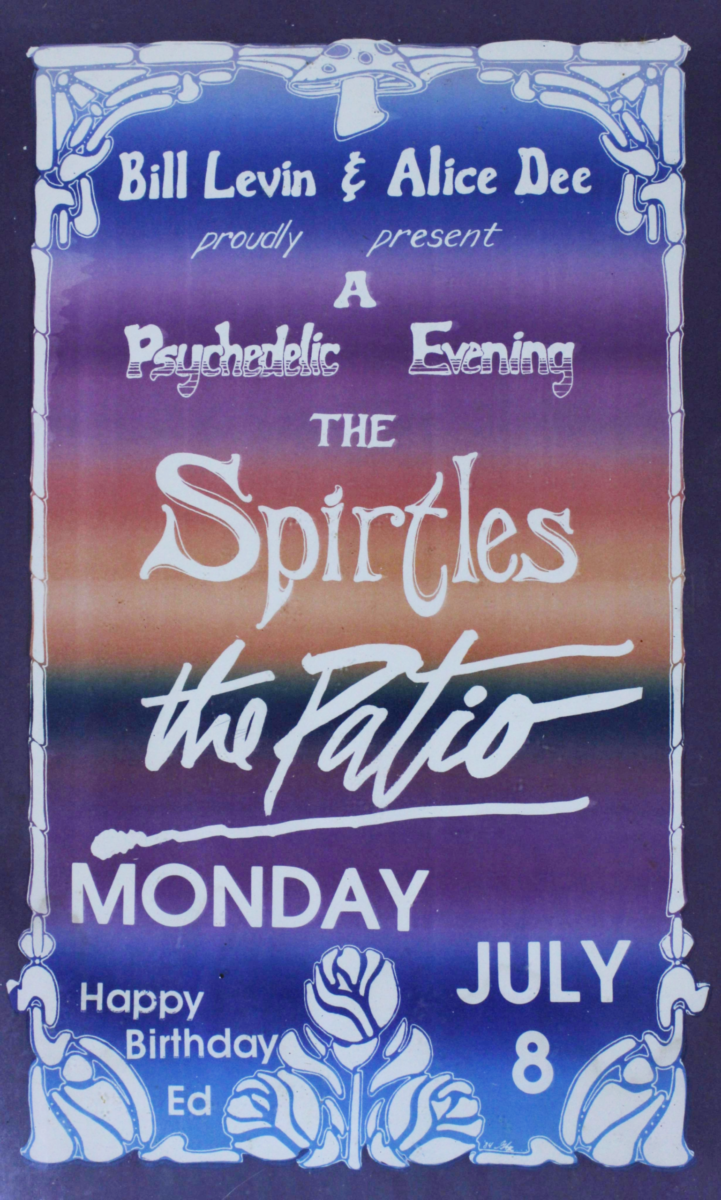
Bill Leving & Alice Dee aka James Booth Presents The Spritles at the Patio July 8
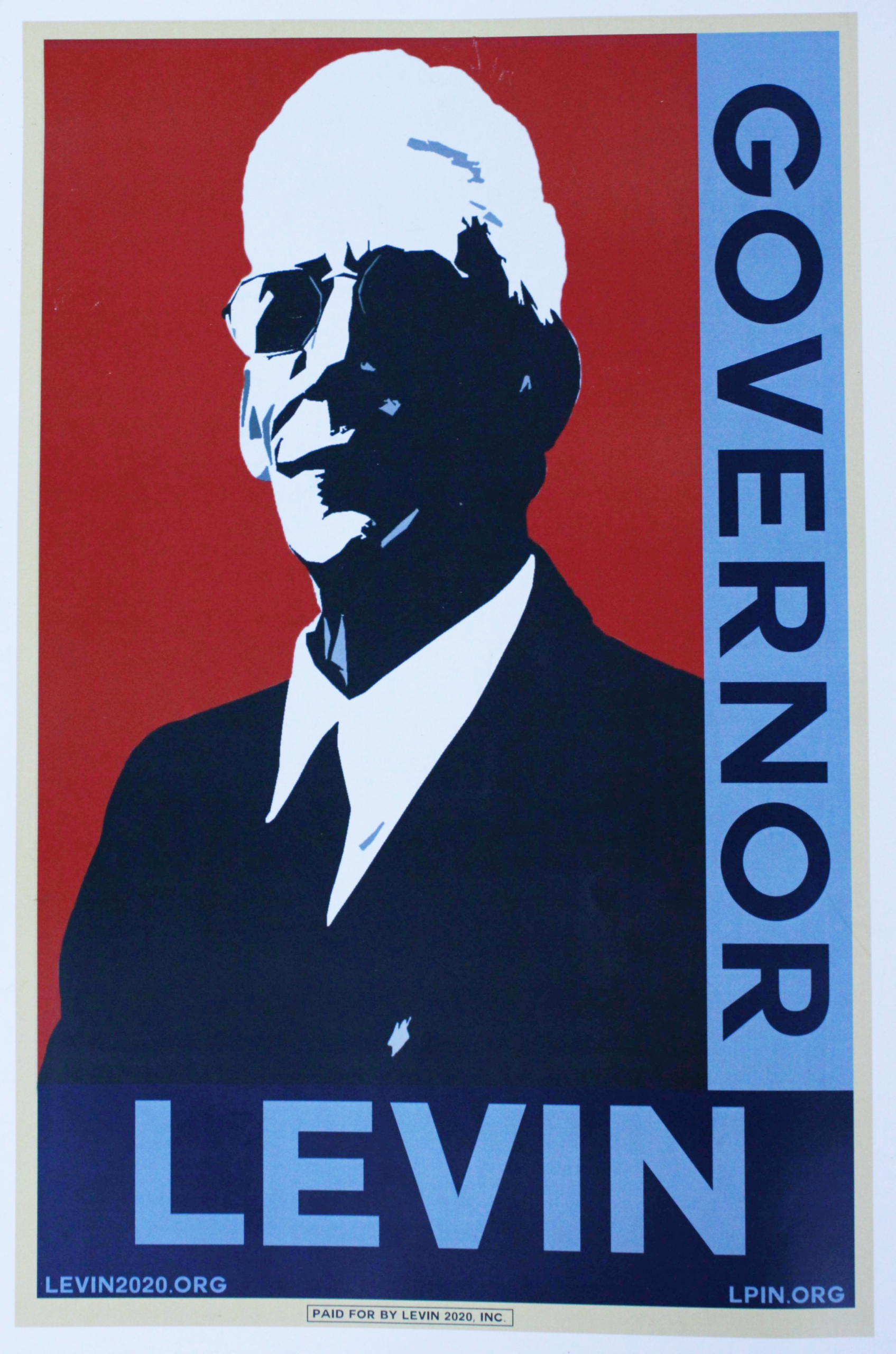
Govenor Levin
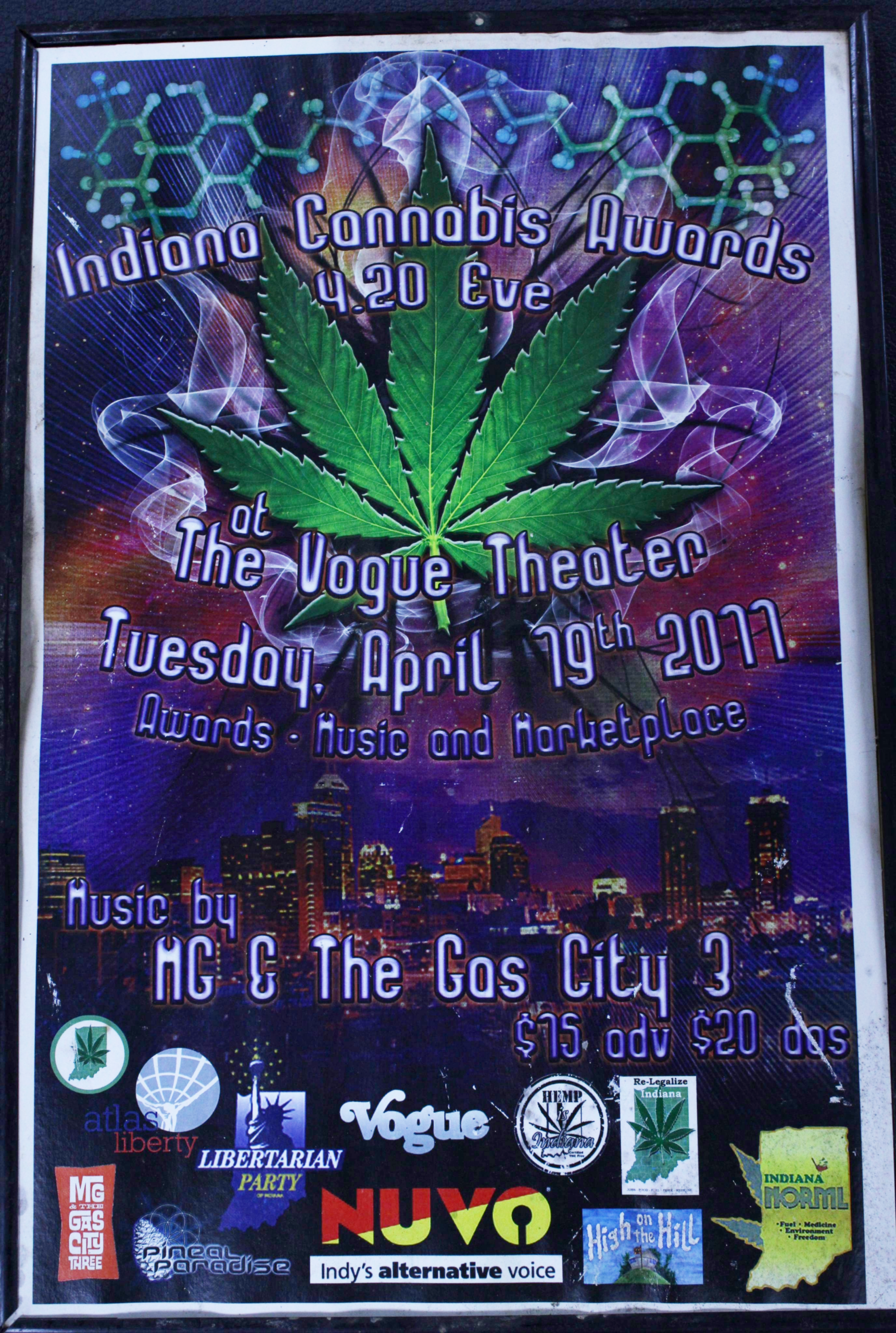
Indiana Cabbabis Awards at The Vogue 4-79-2077
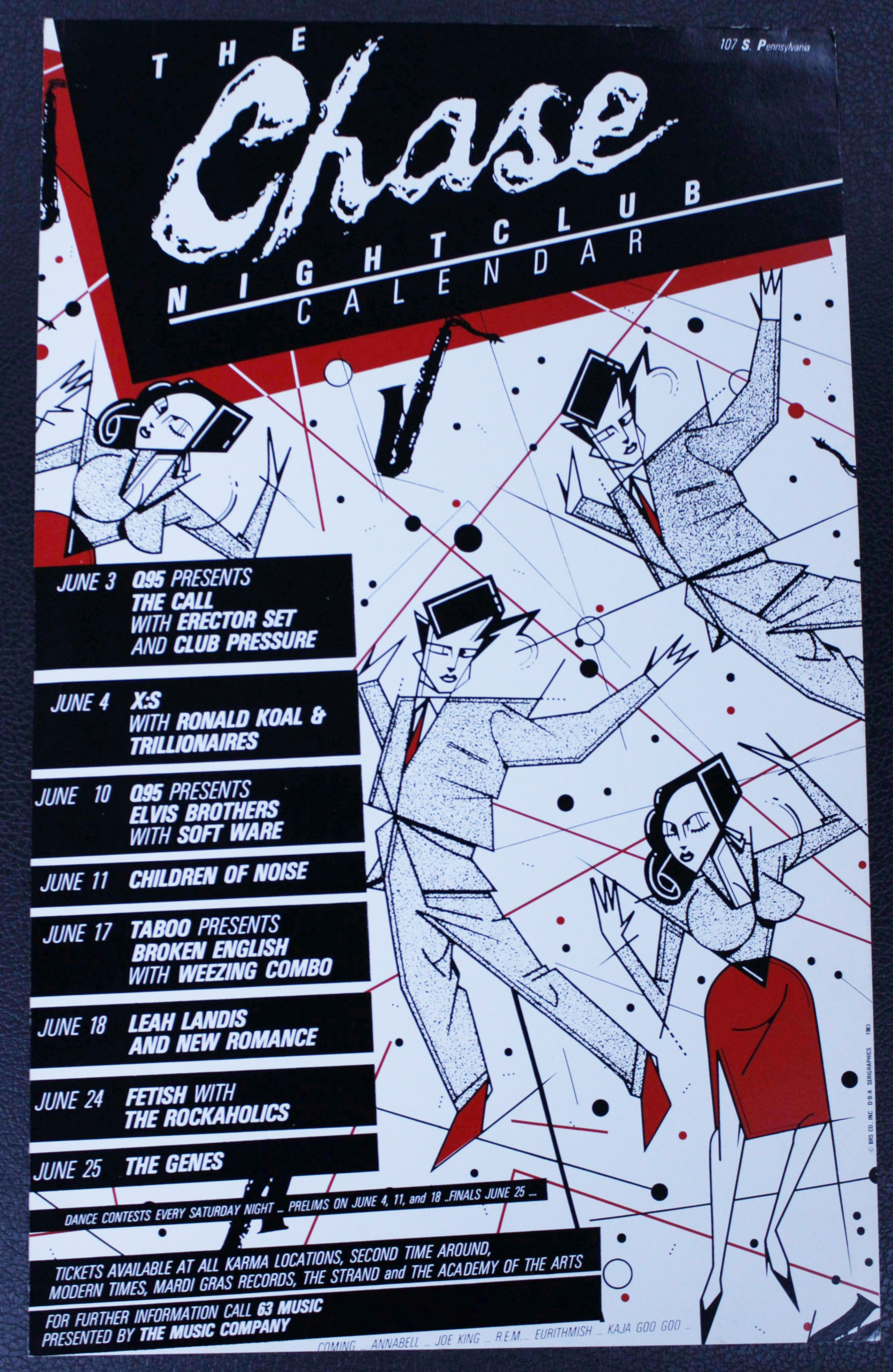
The Chase Nightclub June Calendar
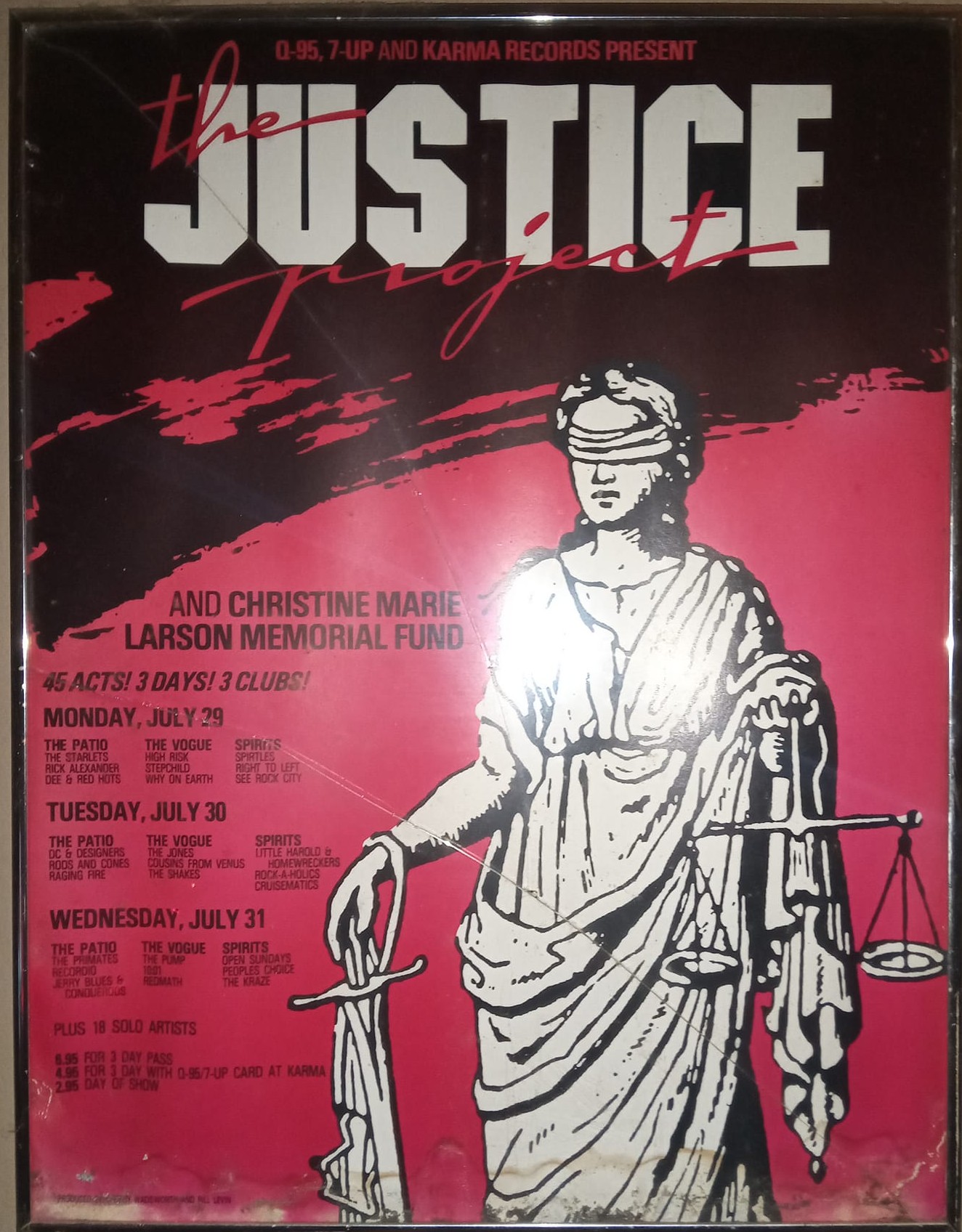
The Justice Project Poster
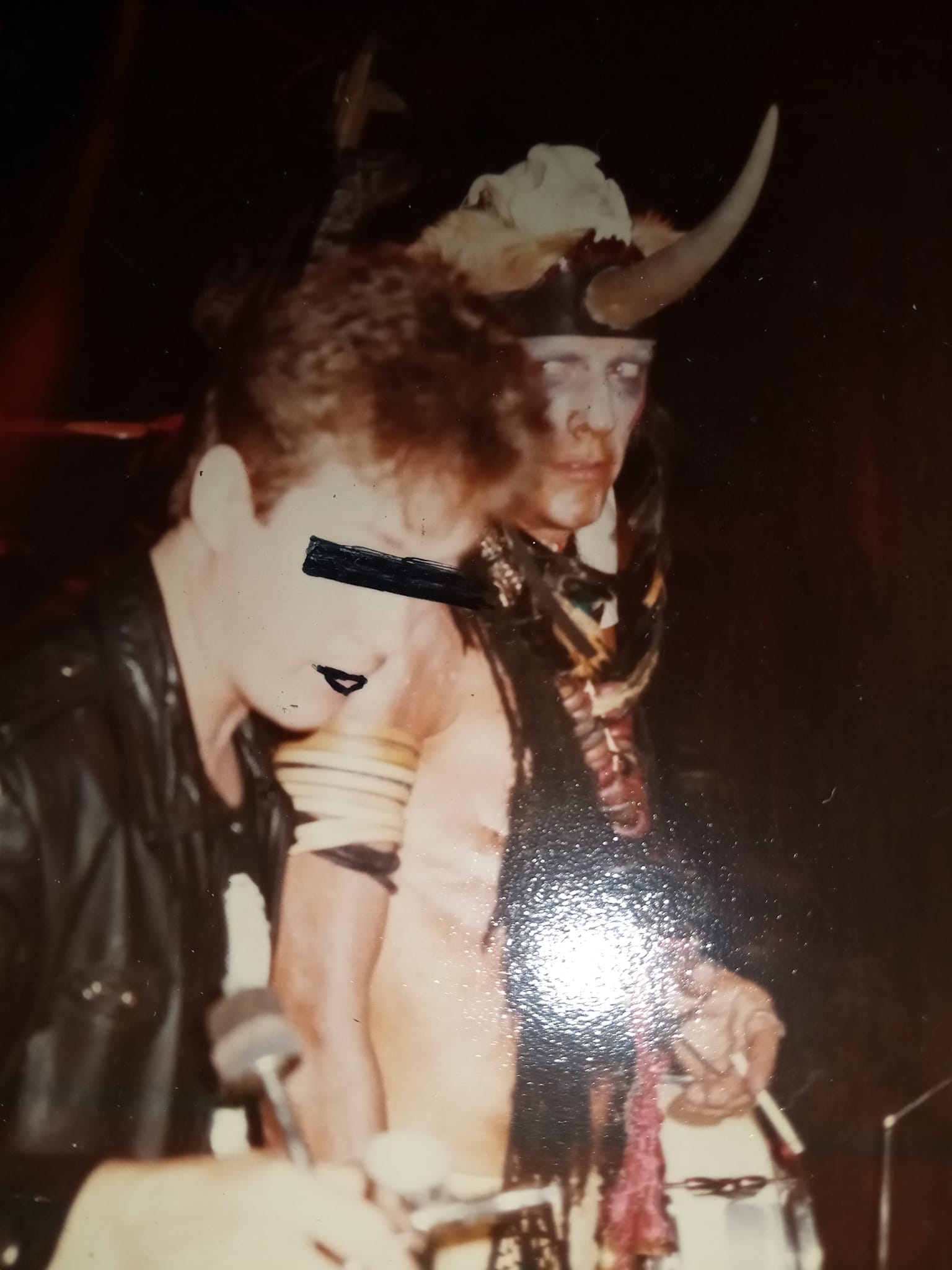
Bill Levin in Costume
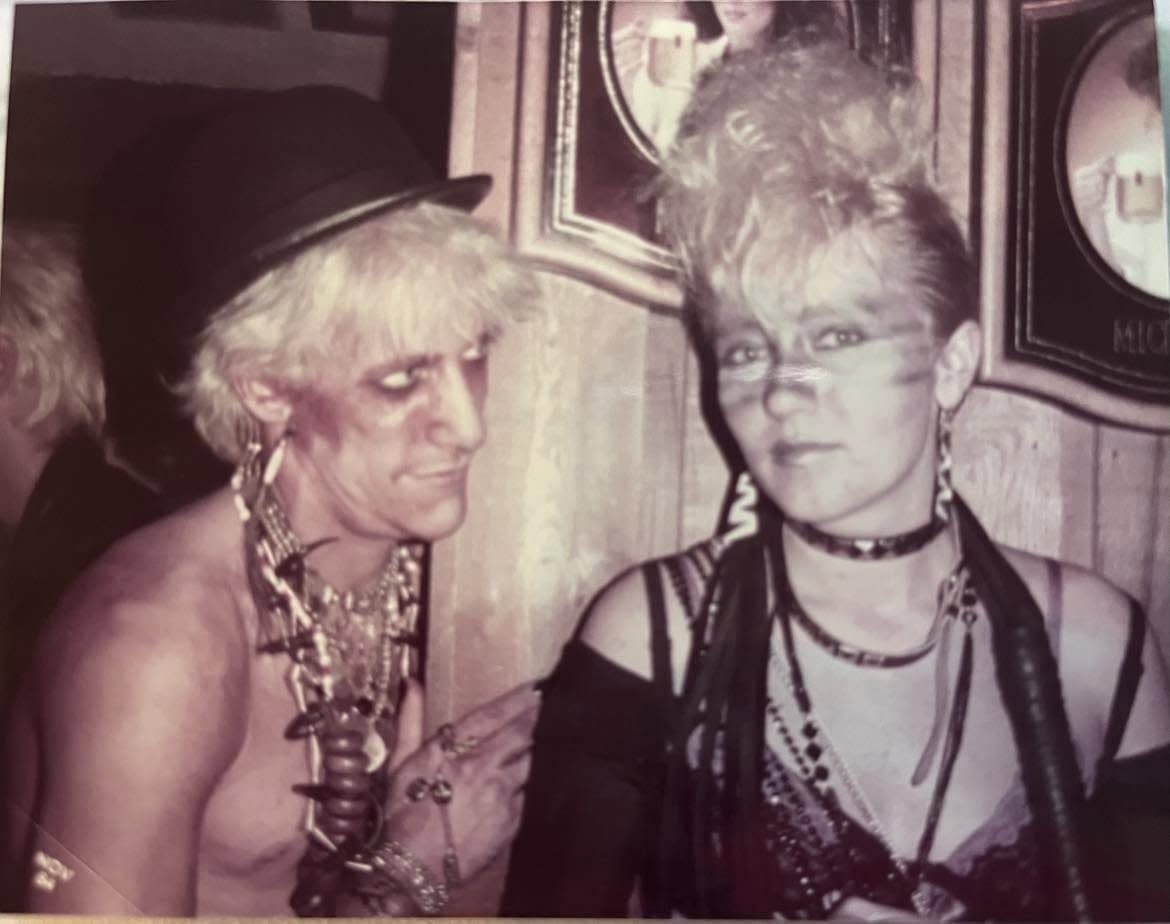
Bill Levin in Costume
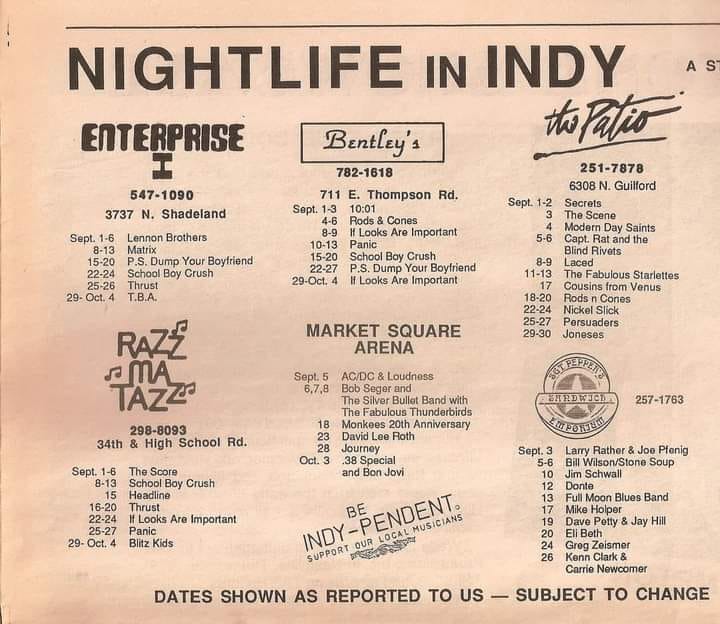
Nightlife in Indy 1986
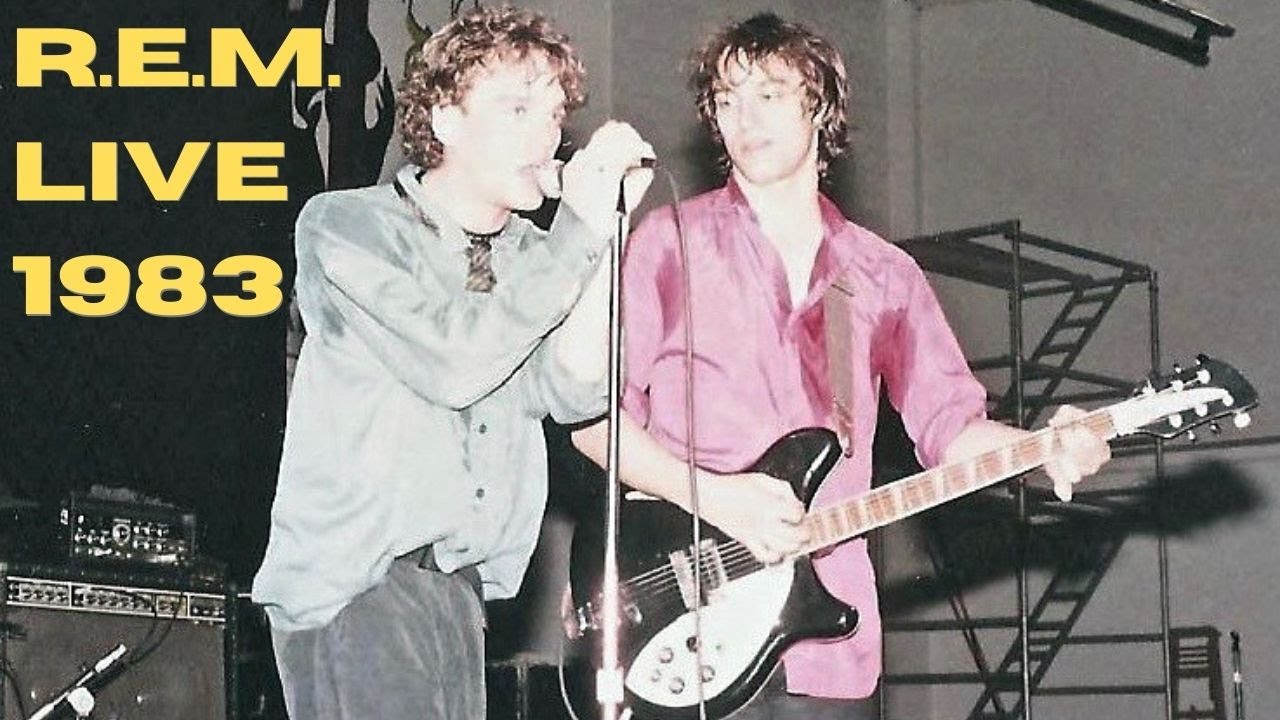
R.E.M Live July 2nd 1983 Chase Night Club – Indianapolis, IN
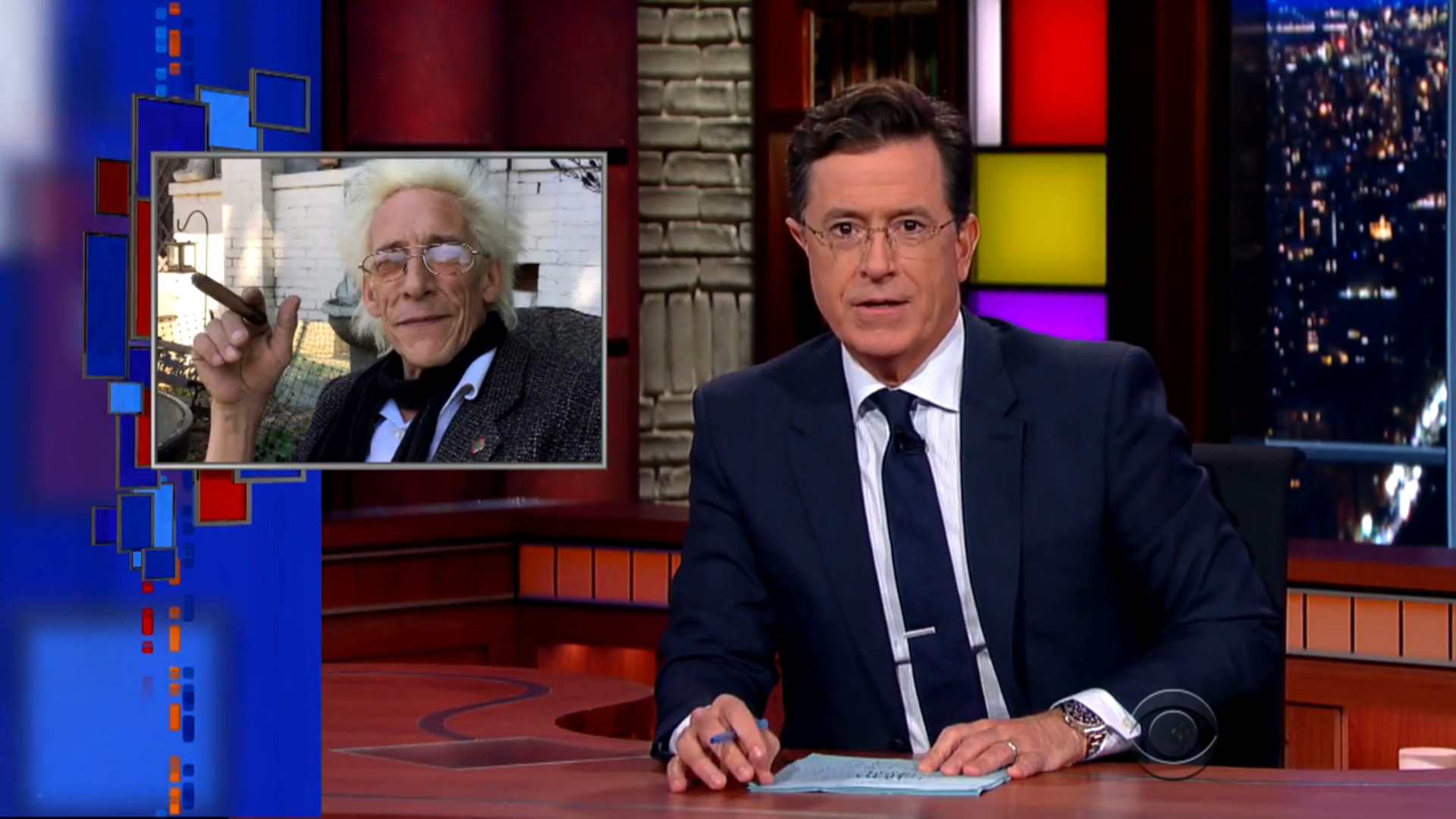
Bill Levin and the First Church of Cannabis were Featured on The Colbert Report
The First Church of Cannabis Logo
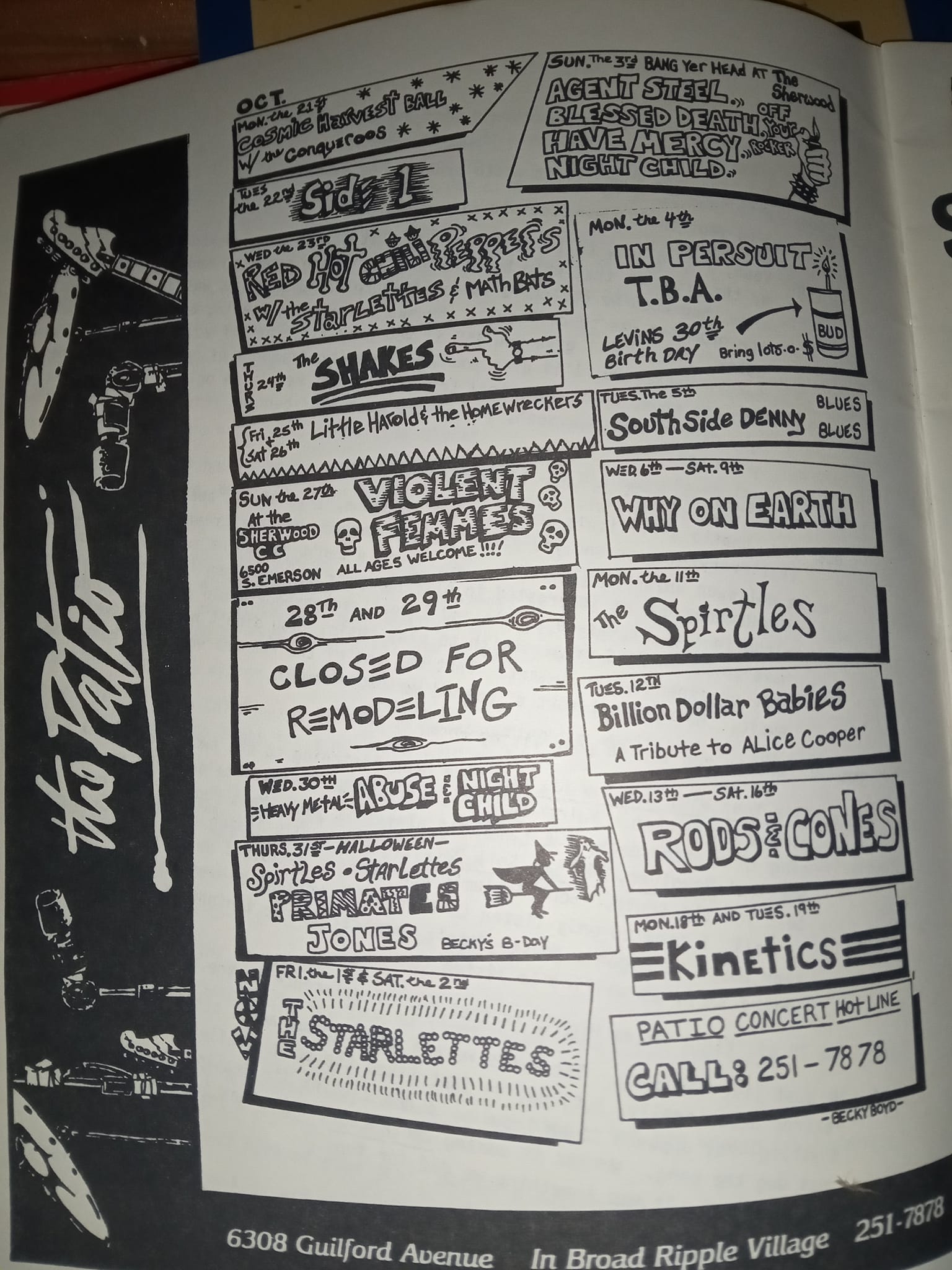
The Patio Show Line Up 1980’s
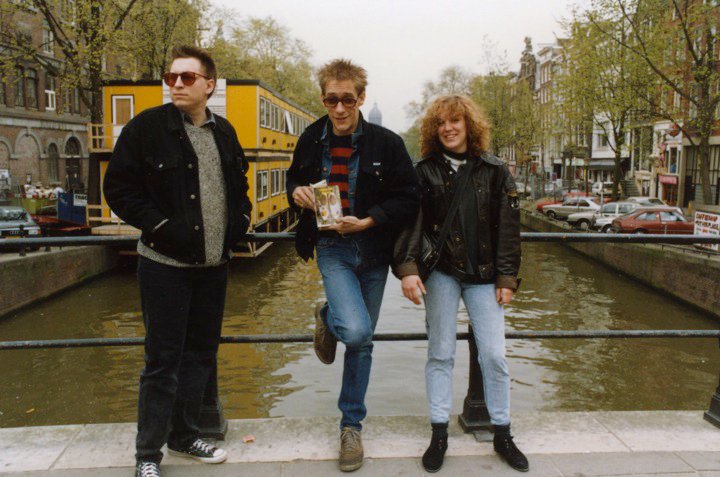
Tony Philputt, Bill Levin and Julie Lahr – Amsterdam 1989
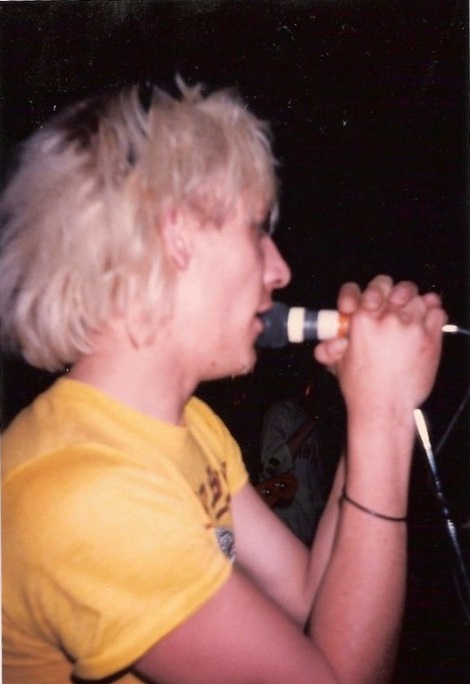
Bill Levin – Younger Days
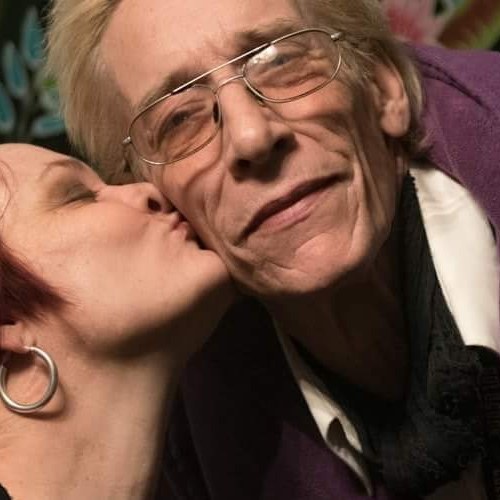
Bill Levin and Roo Elizabeth Levin
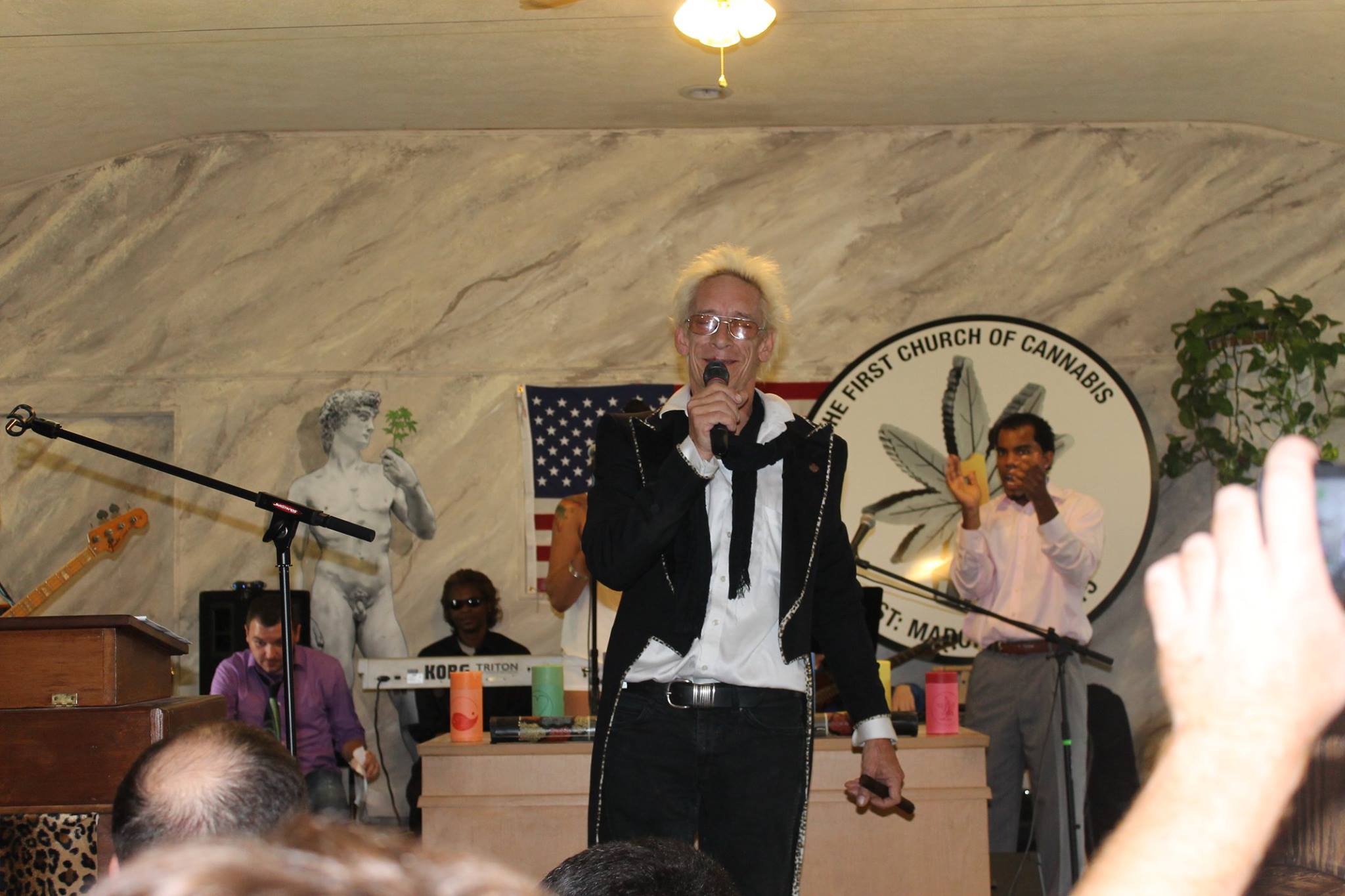
Bill Levin at the First Church of Cannabis
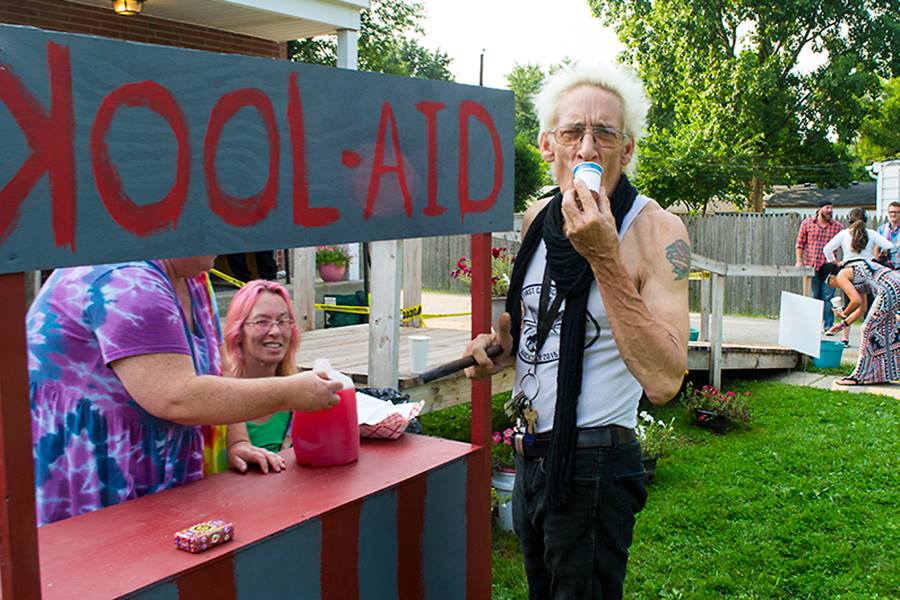
Bill Levin drinks the Kool Aid
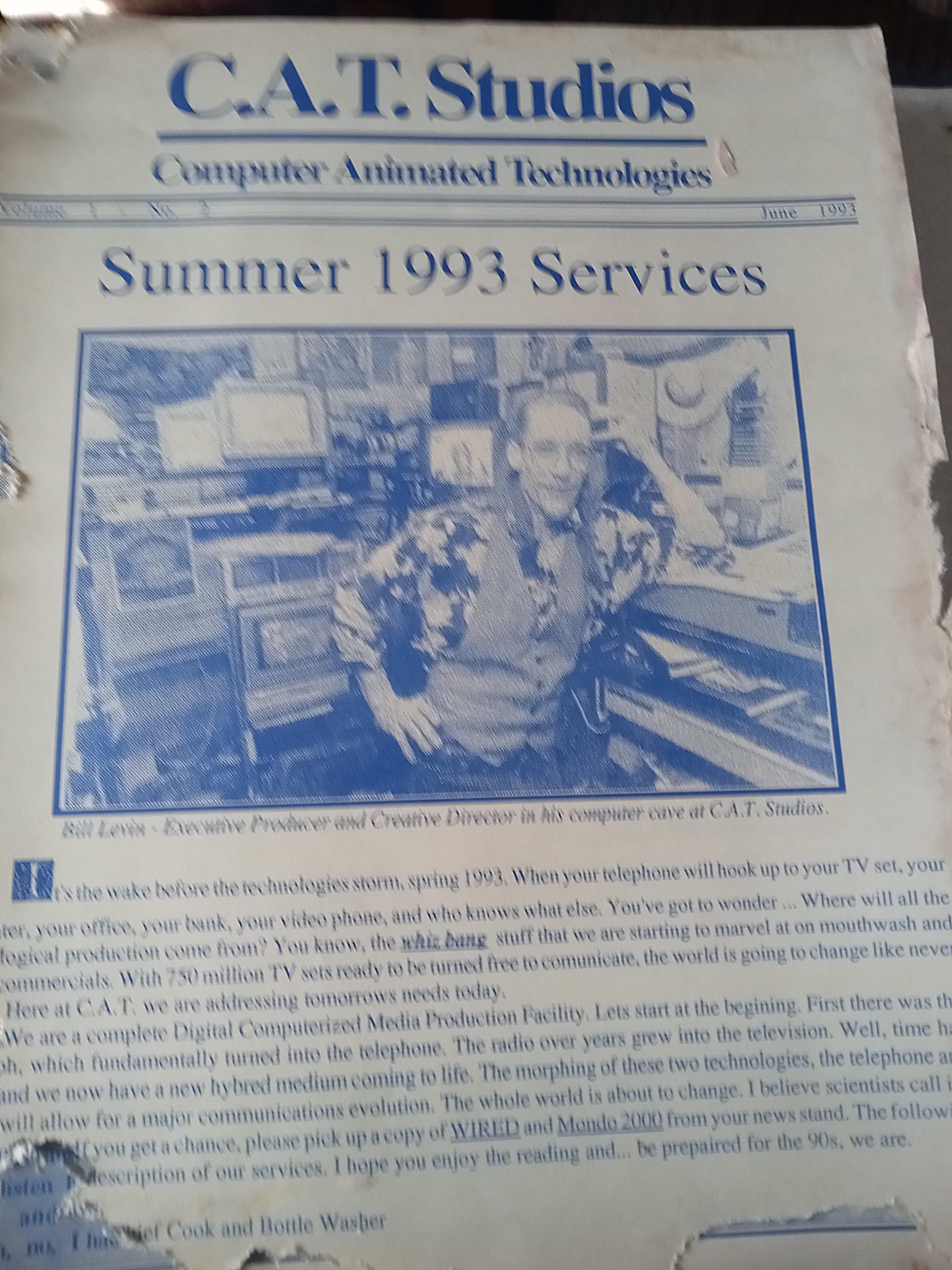
Bill Levin in Computer Cave at Computer Animated Technologies Summer 1993
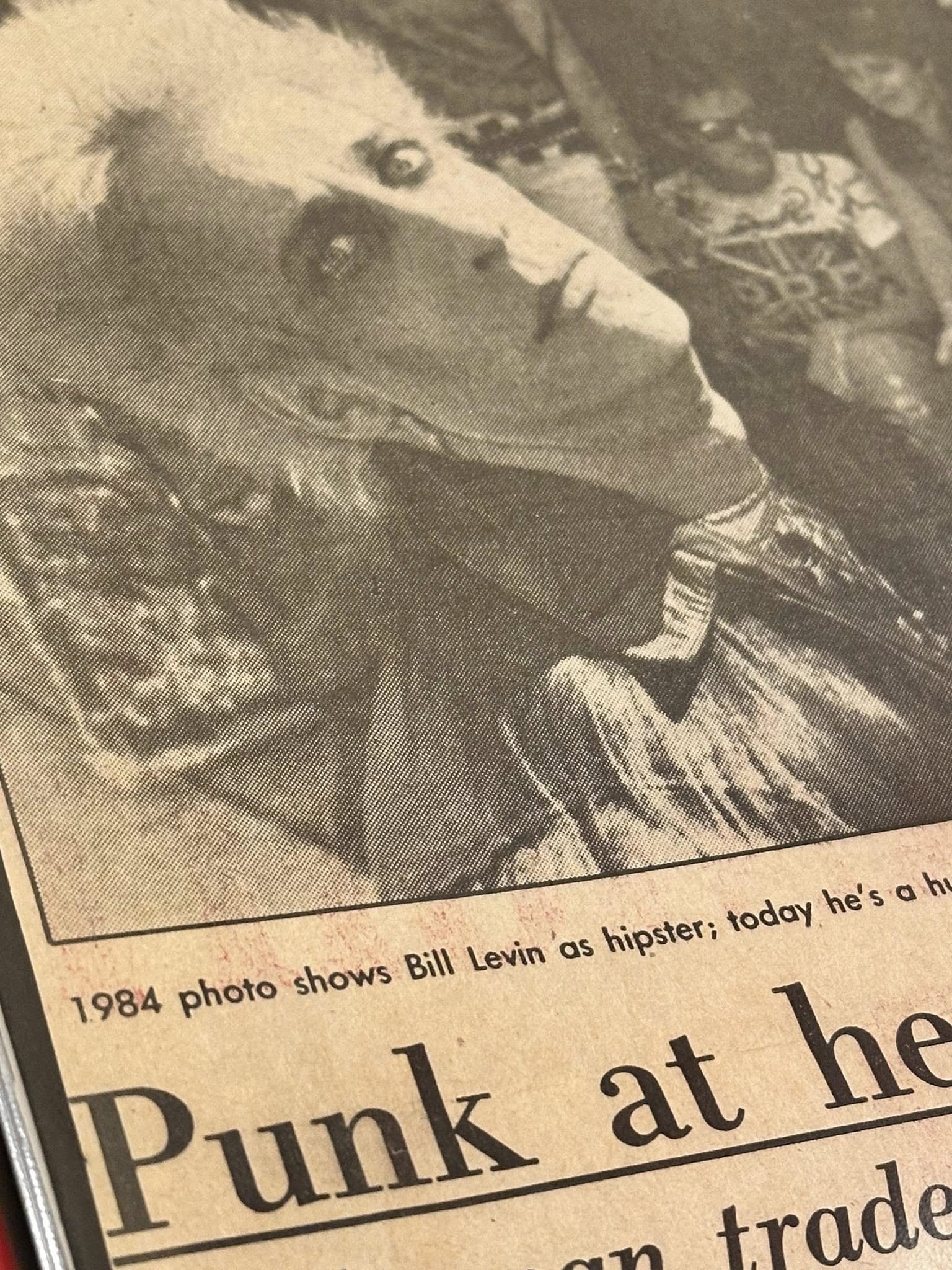
Bill Levin Newspaper 1984
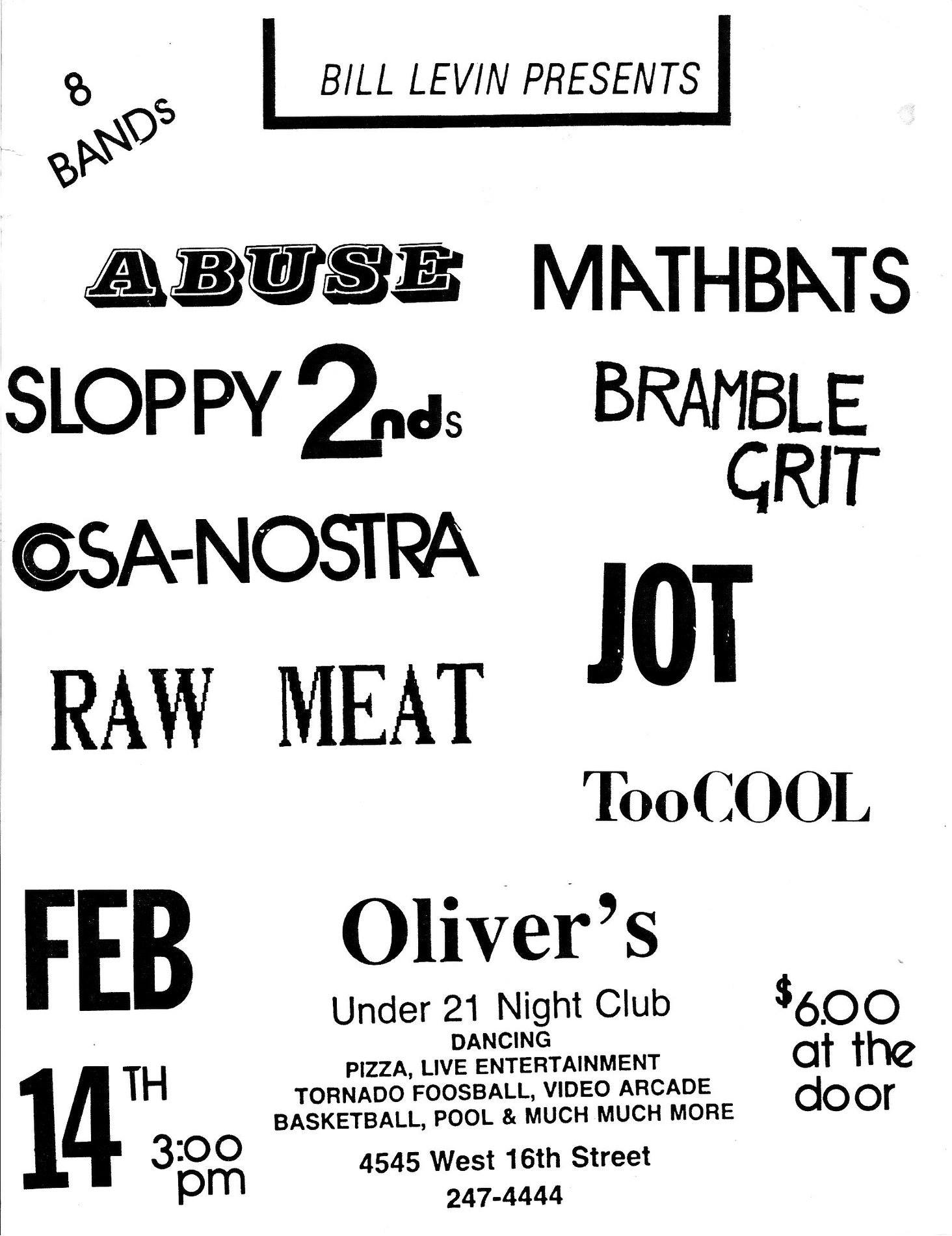
Bill Levin Presents – Abuse, Mathbats, Sloppy 2nds, Bramble Grit, Cosa-Nostra, JOT, Raw Meat, Too Cool at Olivers Indianapolis, IN – Feb 14th 1988
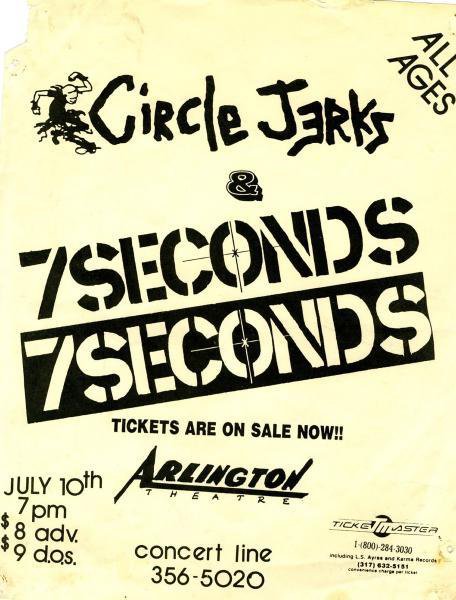
Bill Levin Presents – Circle Jerks and 7Seconds 07-10-1988 – Arlington Theatre – Indianapolis,IN
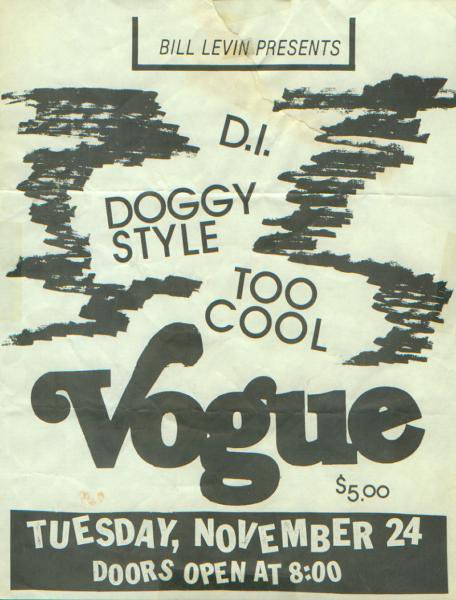
Bill Levin Presents – DI, Doggy Style, Too Cool 11-24-1987 – The Vogue – Indianapolis, IN
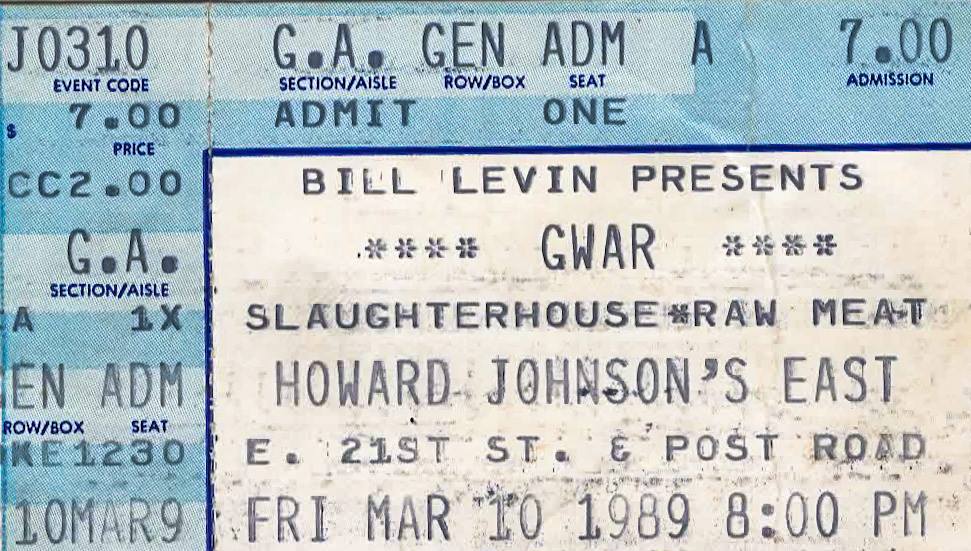
Bill Levin Presents – GWAR – Howard Johnsons East 03-10-1989 Indianapolis, IN
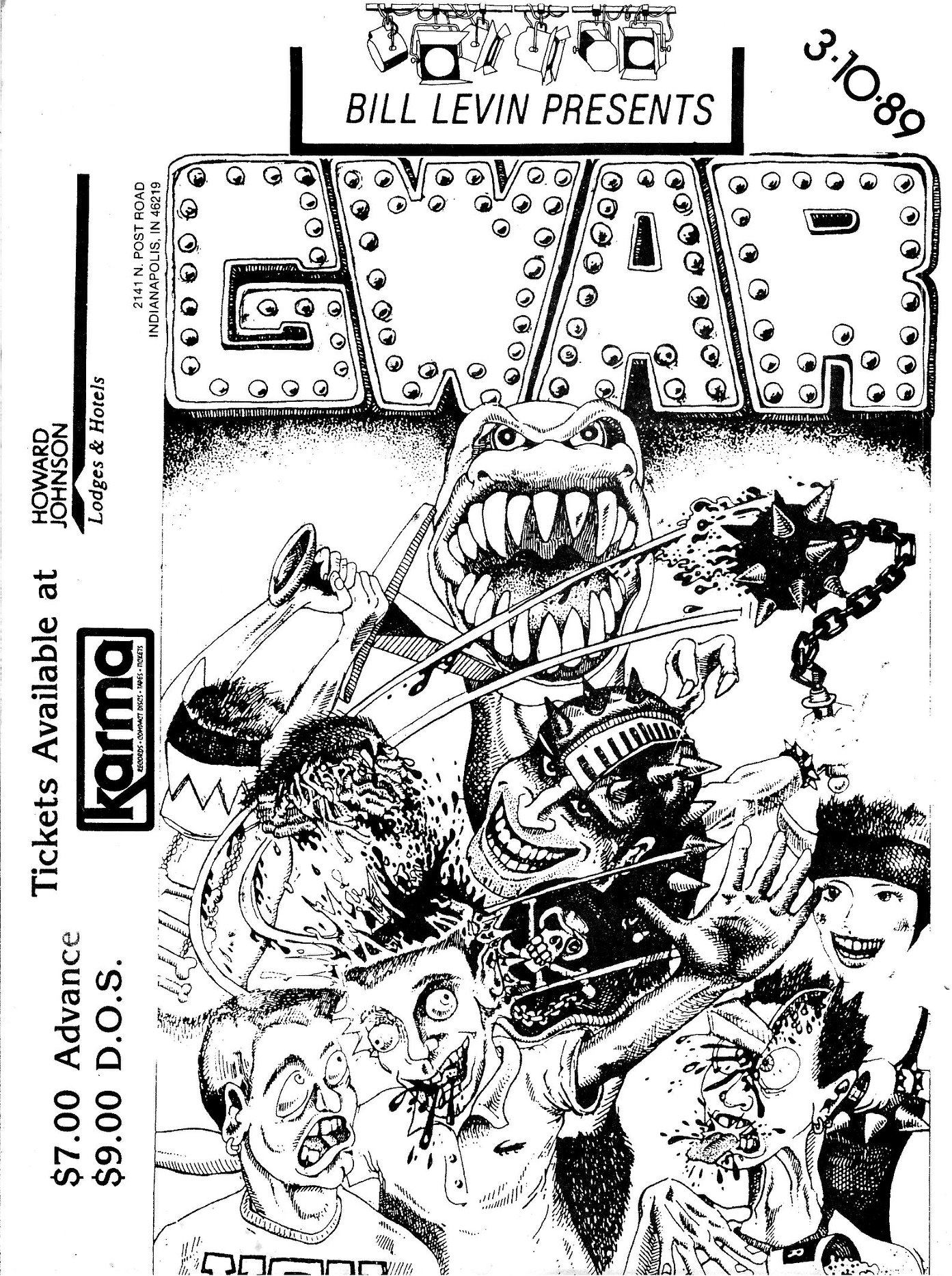
Bill Levin Presents – GWAR 03-10-1989 – Howard Johnson’s – Indianapolis, IN
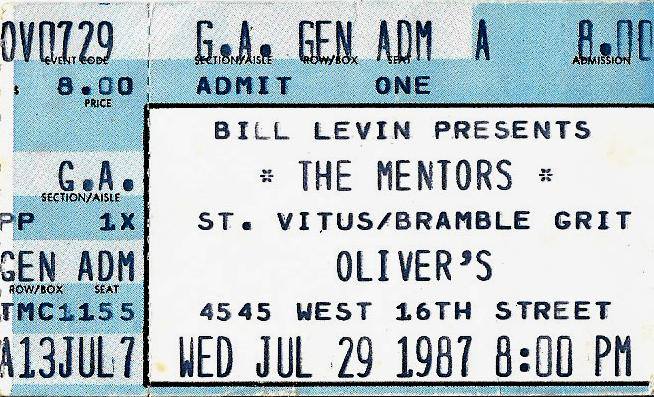
Bill Levin Presents – The Mentors, St Vitus, Bramble Grits – 07-29-1987 – Oliver’s – Indianapolis, IN
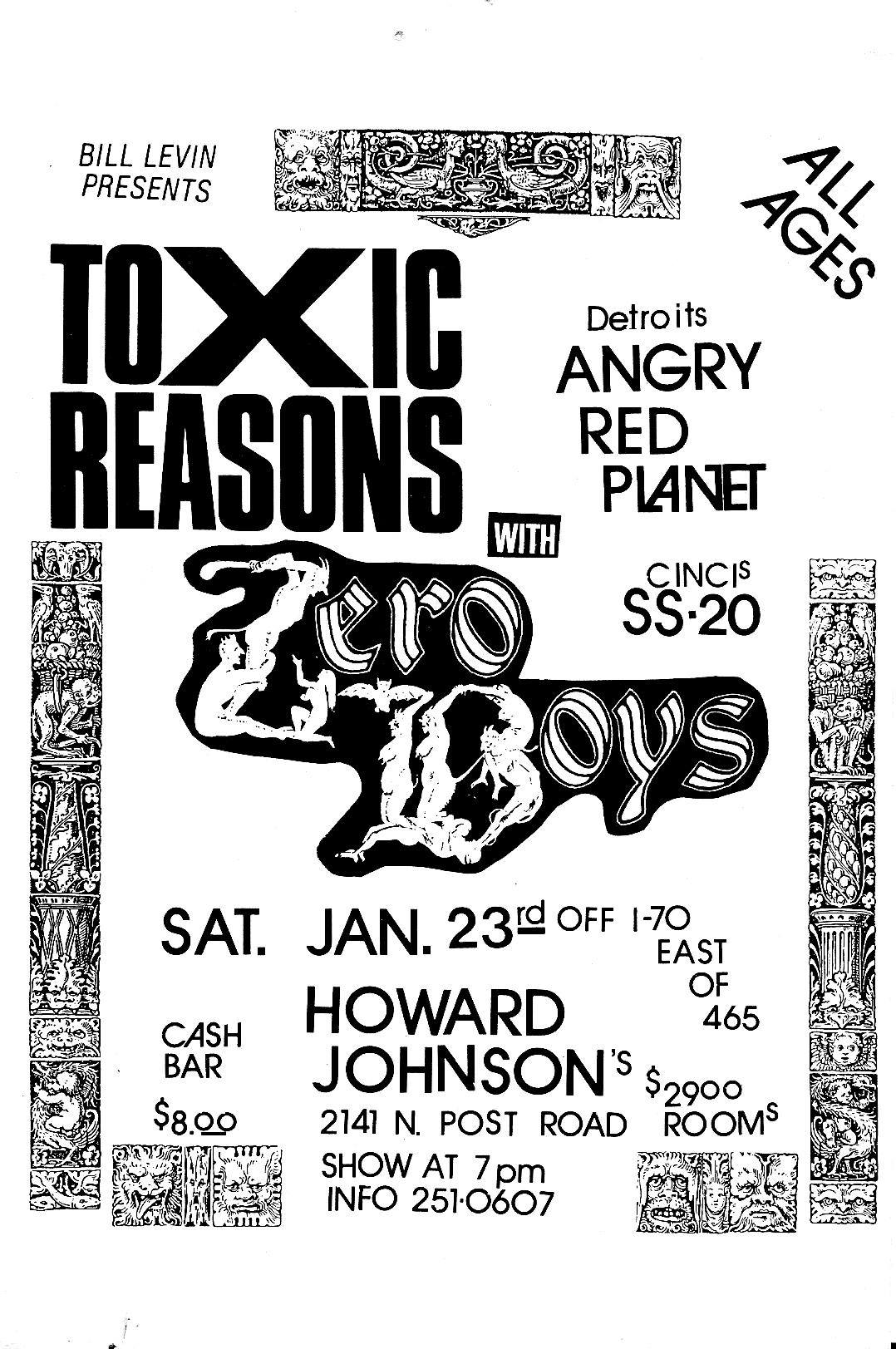
Bill Levin Presents – Toxic Reasons with Zero Boys 01-23-1988 – Howard Johnson’s – Indianapolis, IN
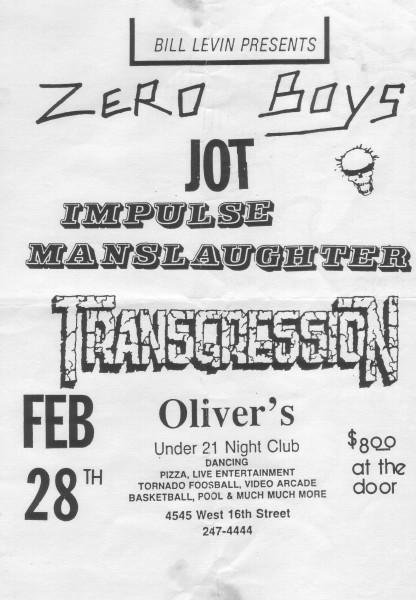
Bill Levin Presents – Zero Boys, JOT, Impulse Manslaughter and Transgression at Olivers 02-28-1988 – Oliver’s – Indianapolis, IN
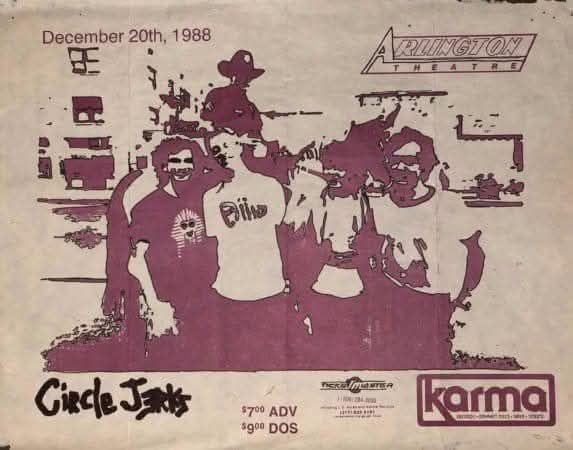
Bill Levin Presents Circle Jerks at Arlington Theater 12-20-1988
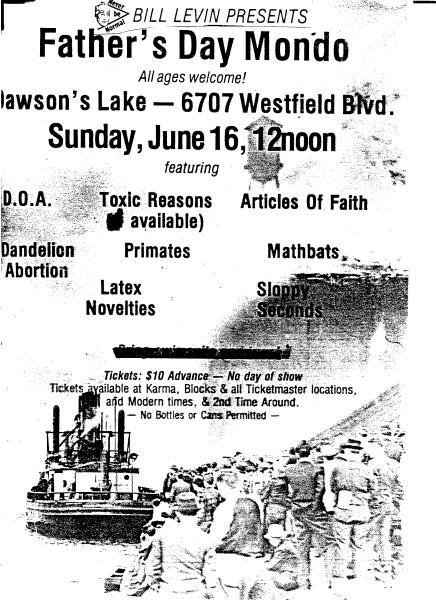
Bill Levin Presents Fathers Day Mondo at Dawsons Lake – Closeup
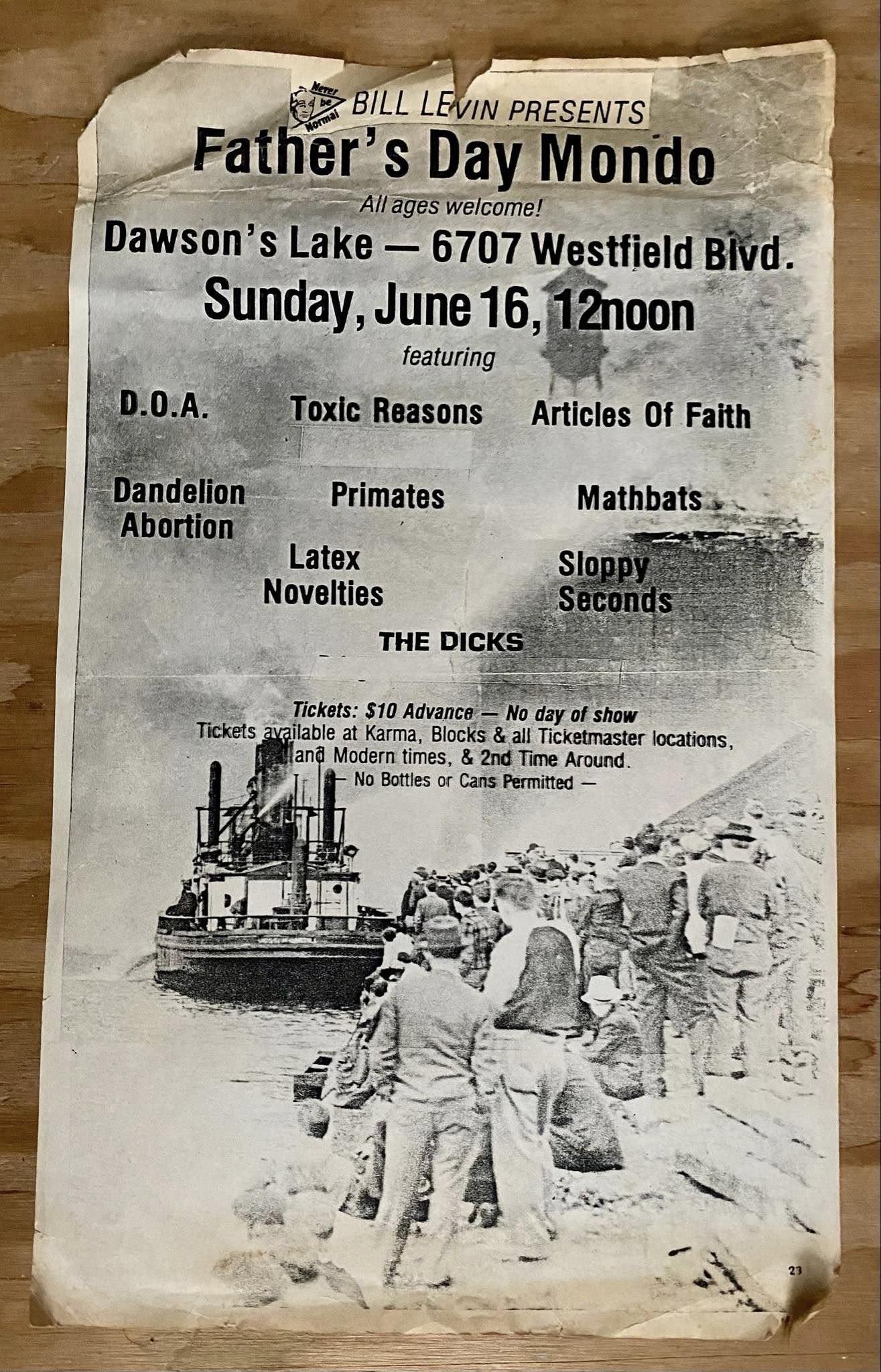
Bill Levin Presents Fathers Day Mondo at Dawsons Lake
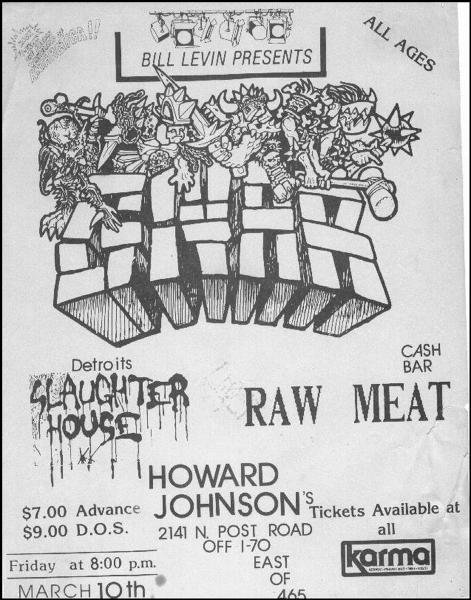
Bill Levin Presents GWAR 03-10-89 – Howard Johnson’s – Indianapolis, IN – Closeup
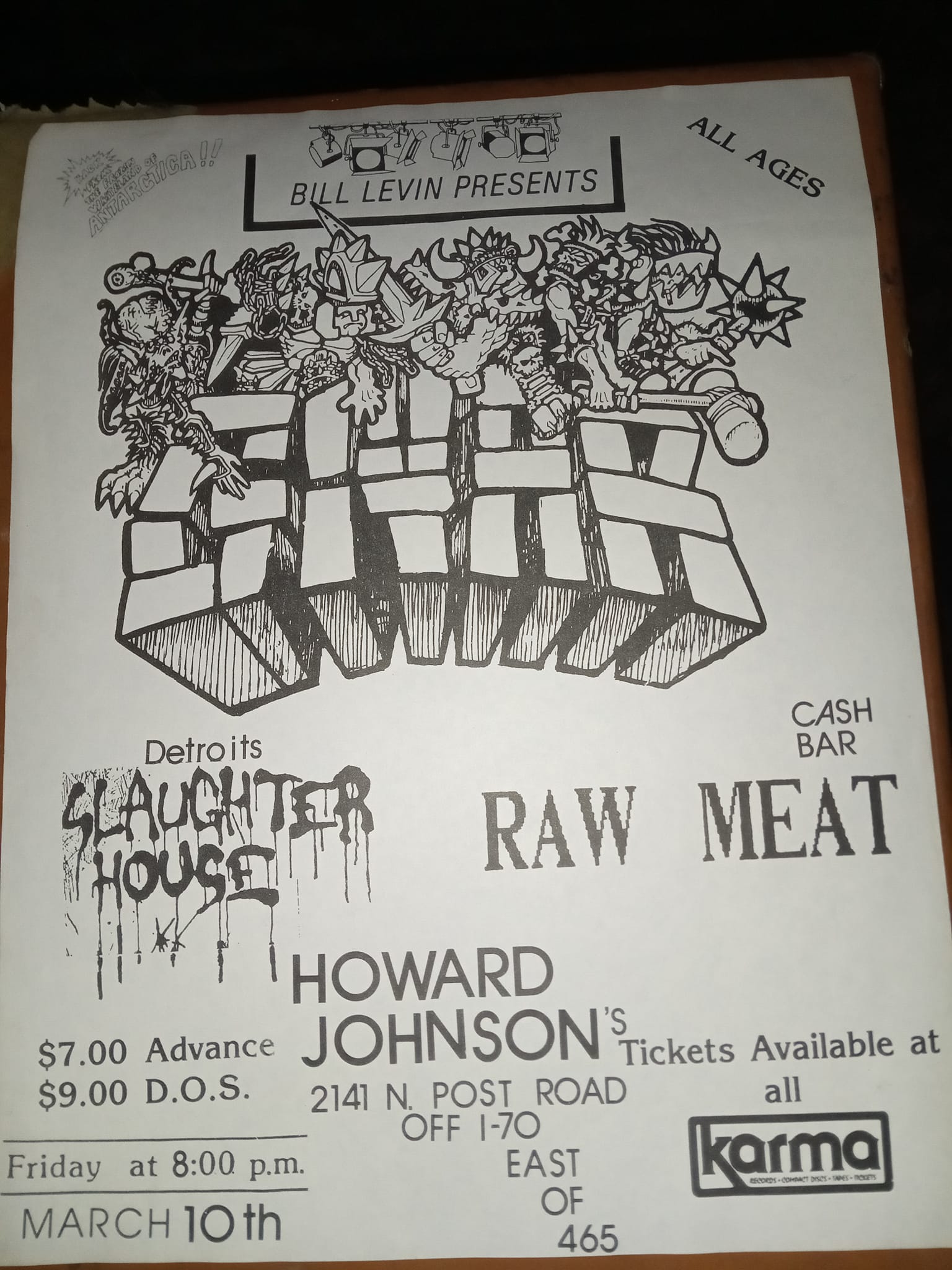
Bill Levin Presents GWAR 03-10-89 – Howard Johnson’s – Indianapolis, IN
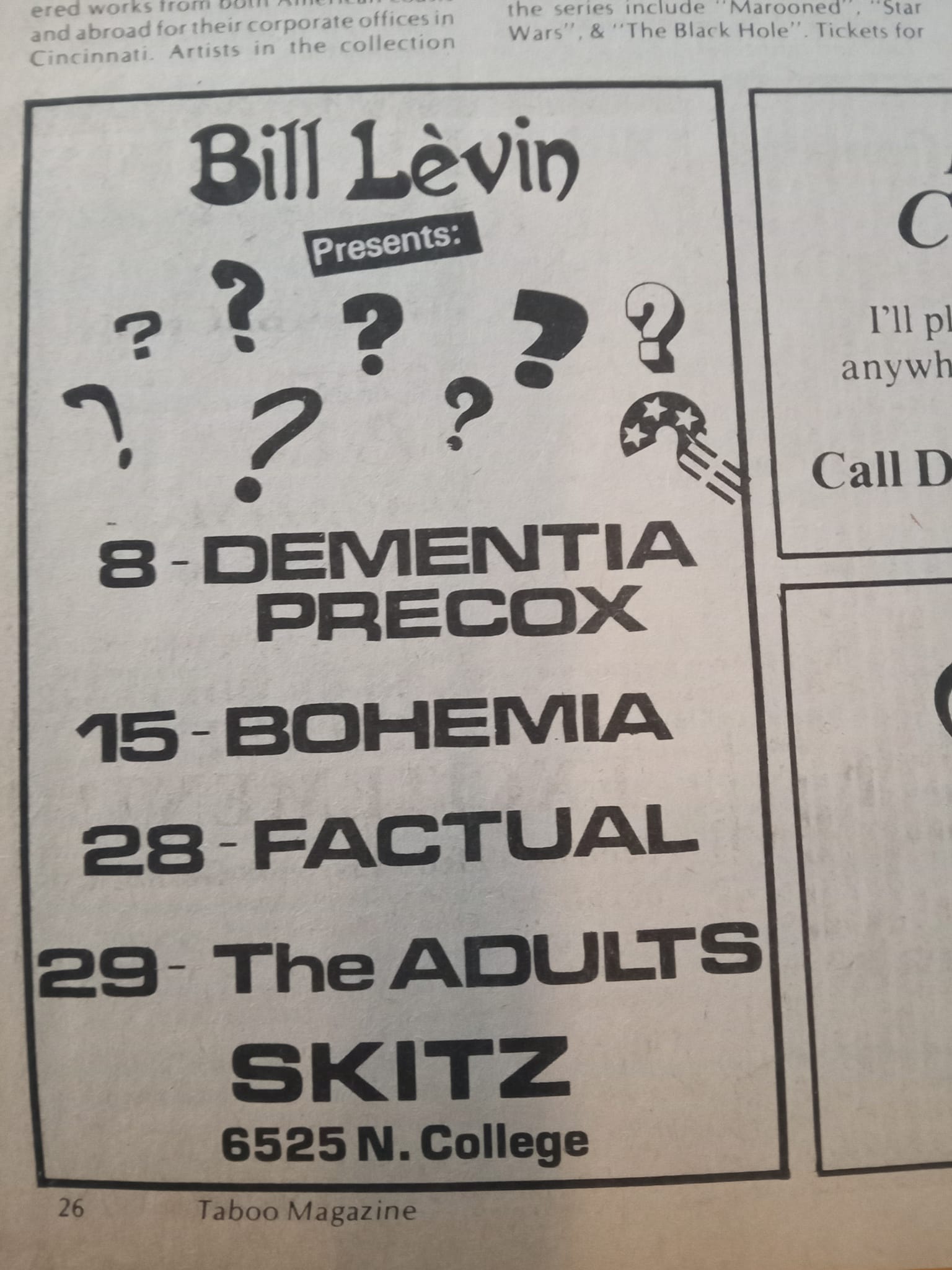
Bill Levin Presents January 1983 at SKITZ
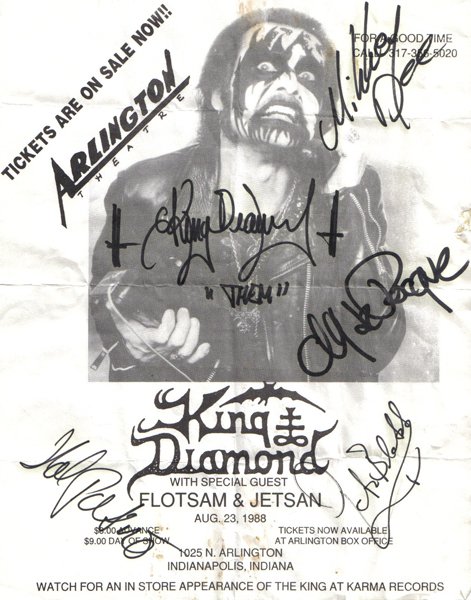
Bill Levin Presents King Diamond, FLOTSAM and JETSAN 08-23-1988 – Arlington Theatre – Indianapolis, IN
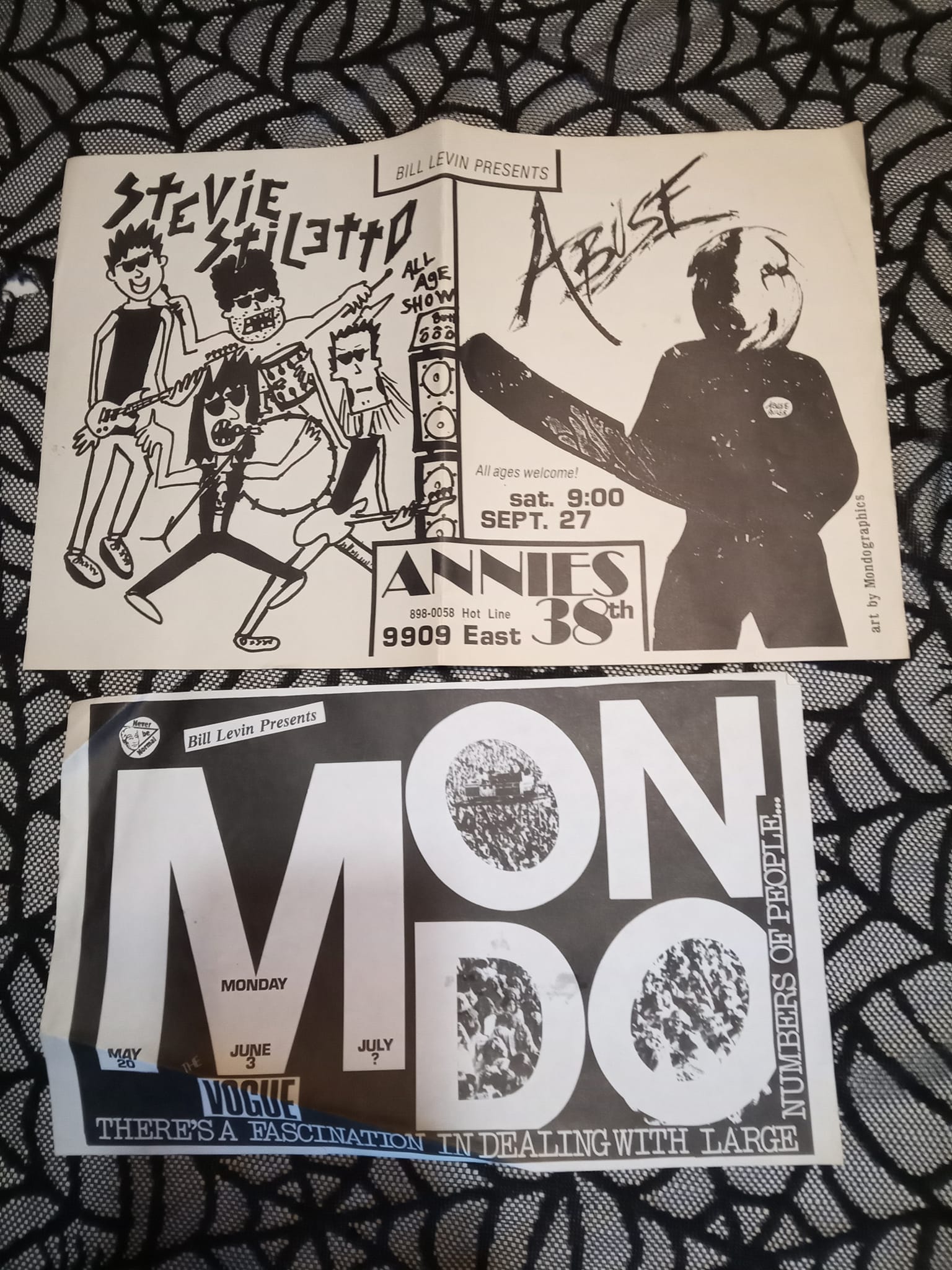
Bill Levin Presents Stevie Stiletto and Abuse at Annies
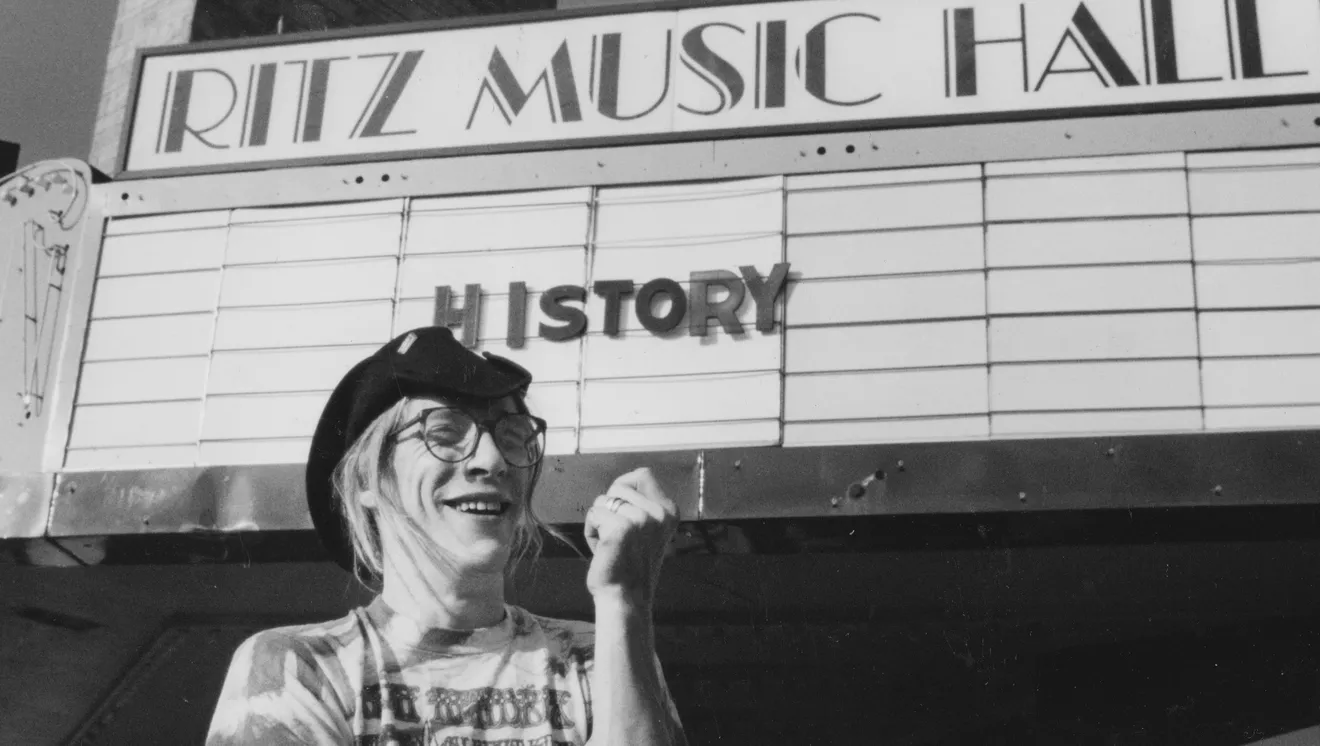
Bill Levin Stands in front of Ritz Music Hall After Closing in 1991. Ron Ira Steele & Indy Star
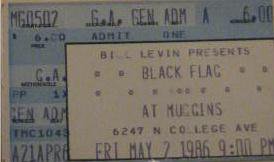
Black Flag Ticket Stub 05-02-86 – Muggins – Indianapolis, IN
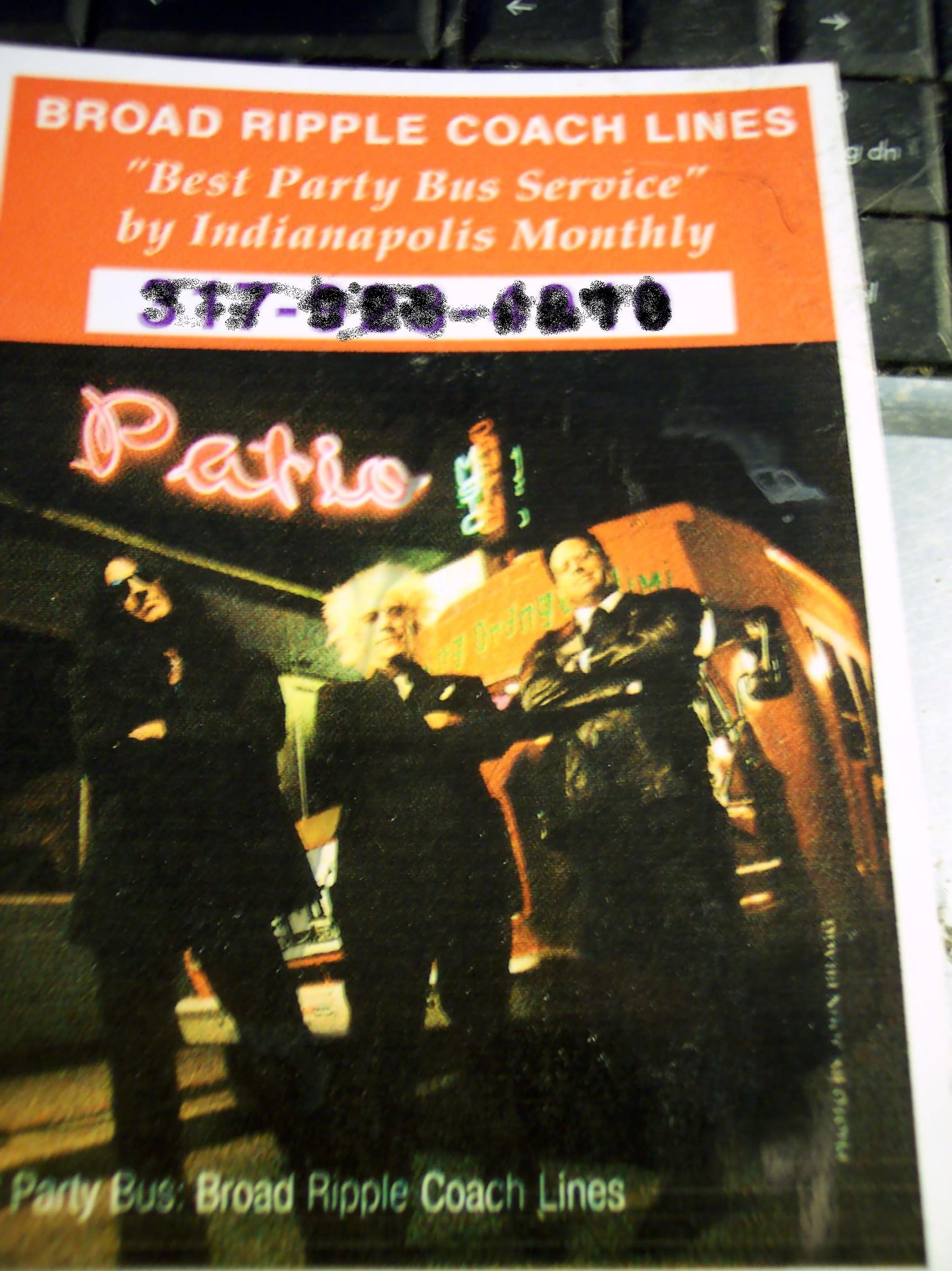
Broad Ripple Coach Lines – Karl Arthur, Bill Levin and Rick Silcox
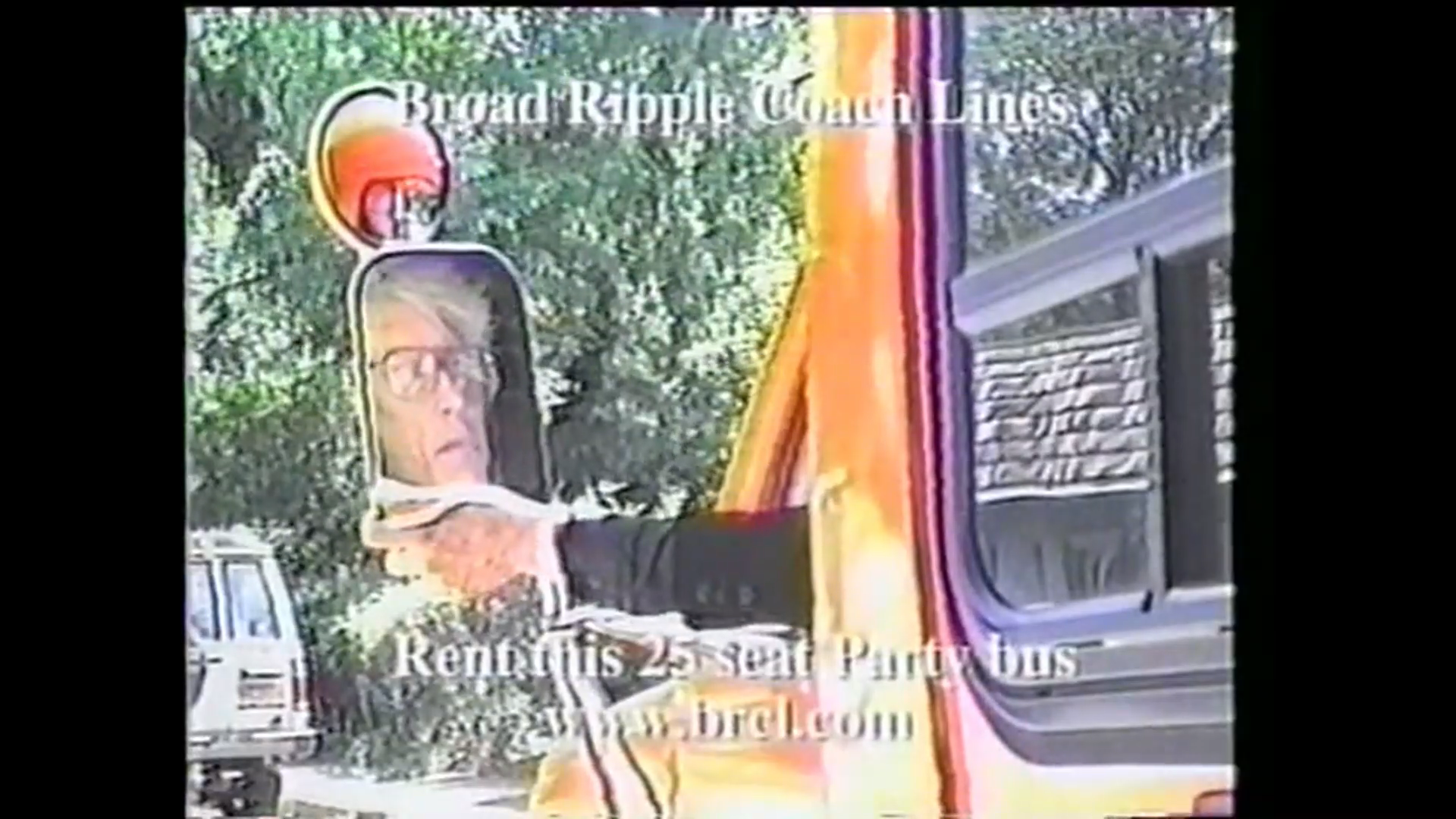
Broadripple Coach Lines Bill Levin Party Bus
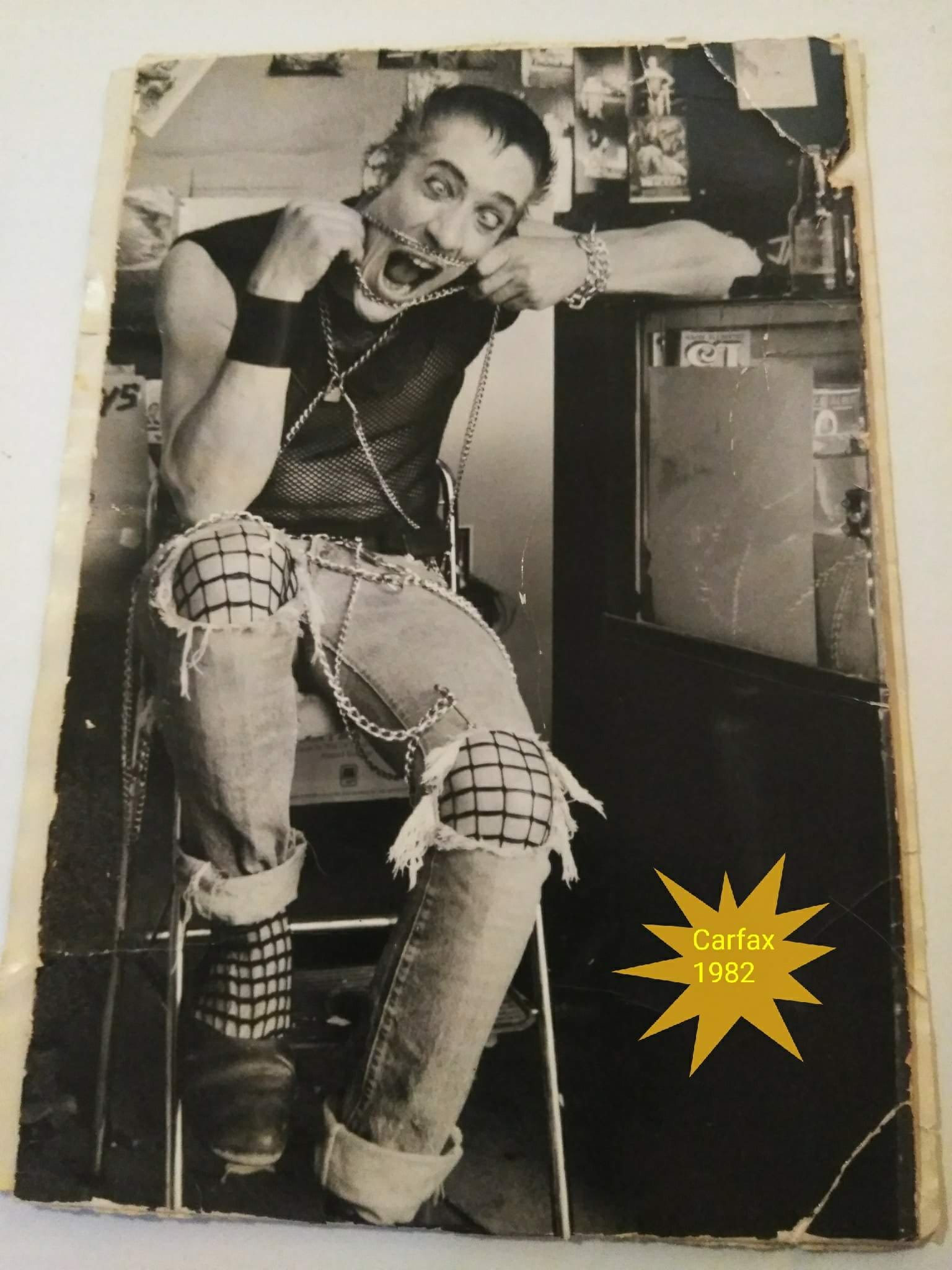
Carfax 1982 Poster
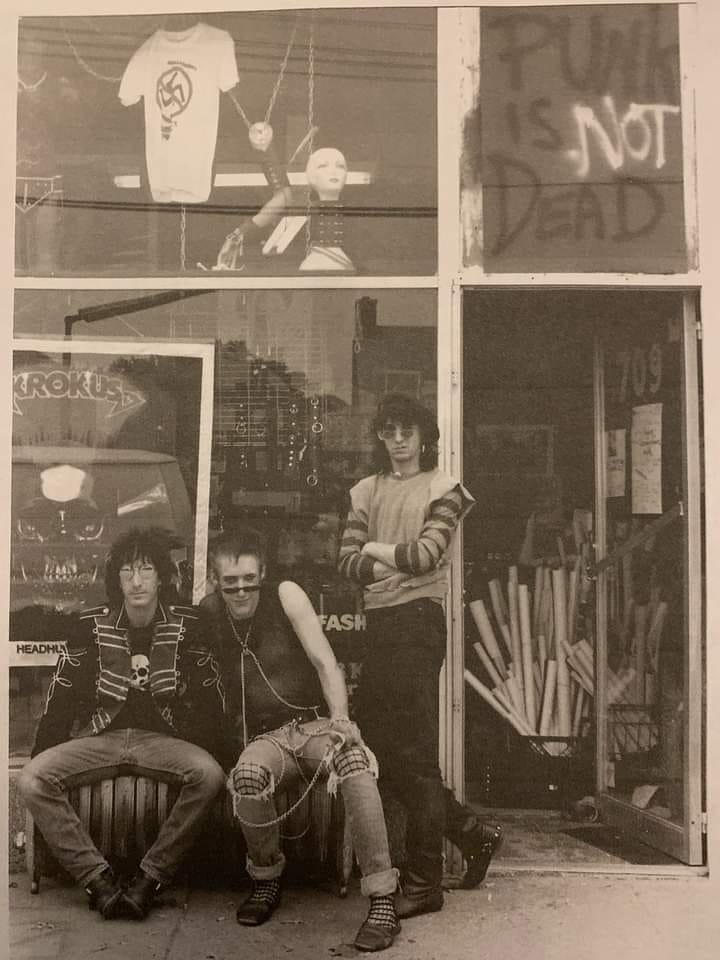
Carfax Marvin Goldstein, Bill Levin, and Johnny Quest
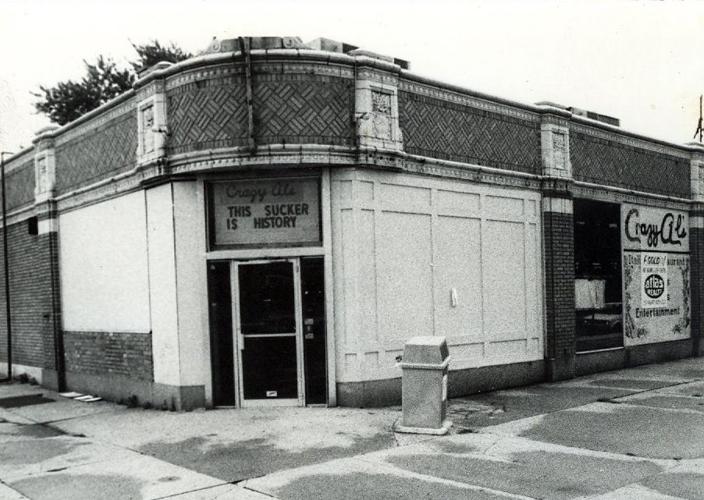
Crazy Al’s – This Sucker is History
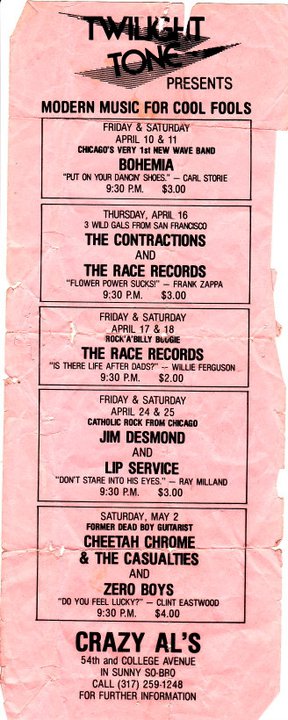
Crazy Al’s Schedule 1981
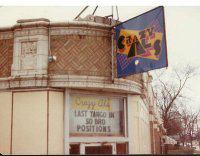
Crazy Al’s
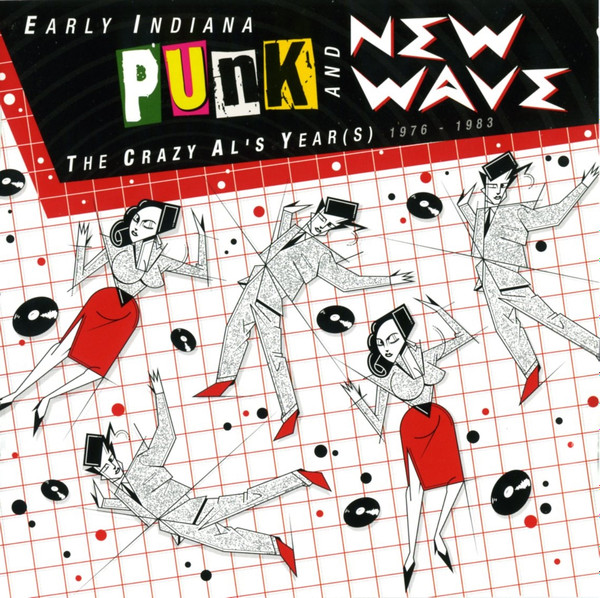
Early Indiana Punk and New Wave The Crazy Al’s Years 1976-1983 – CD Front Cover
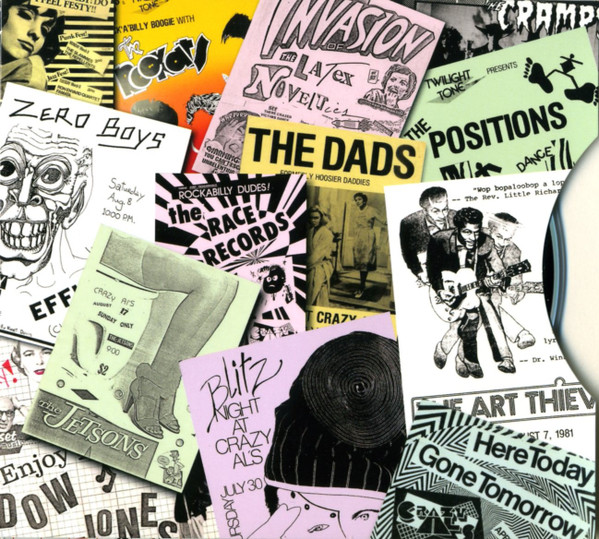
Early Indiana Punk and New Wave The Crazy Al’s Years 1976-1983 – CD Insert Poster Collage 1
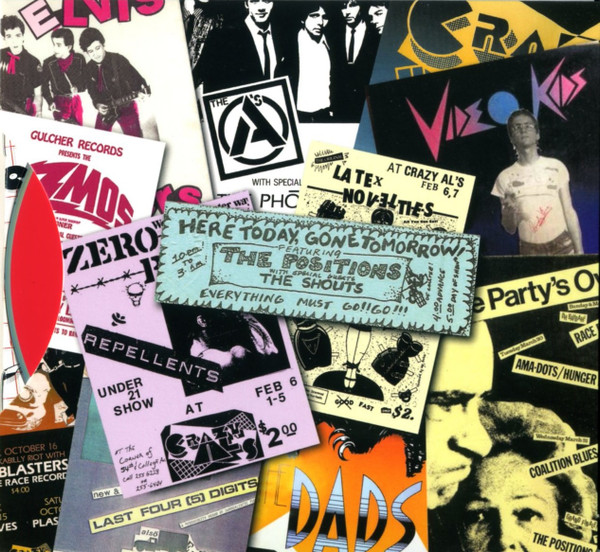
Early Indiana Punk and New Wave The Crazy Al’s Years 1976-1983 – CD Insert Poster Collage 2
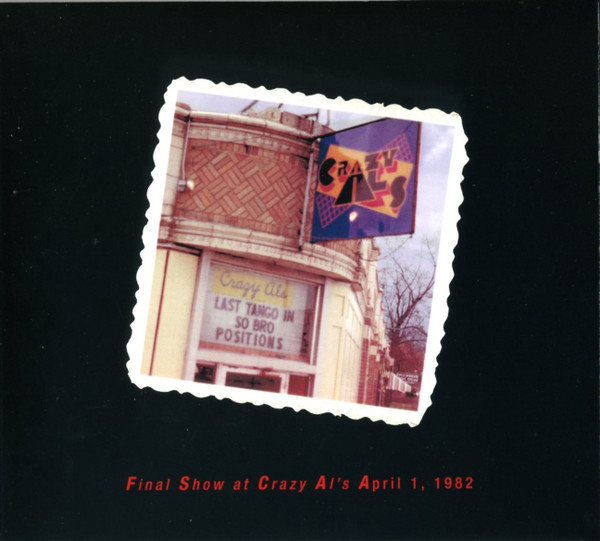
Final Show at Crazy Al’s – April 1 1982 – CD Insert
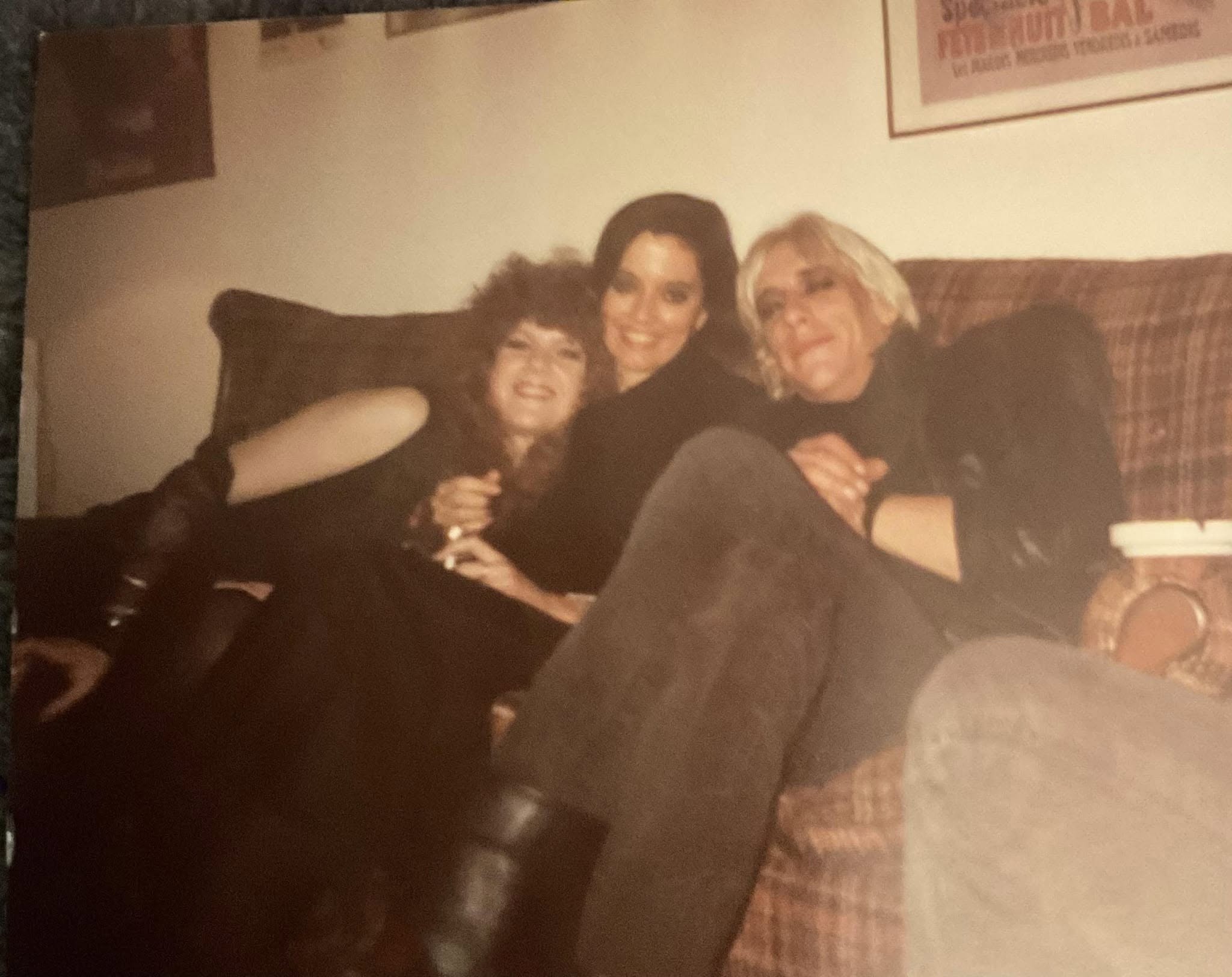
Julie Dee’s, Marcia Pyers and myself. early 80s at Diana Rama’s place
Karmakaze November 1985