
Billy Foster Oral History

Billy Foster (1947–2026) was a Gary, Indiana pianist, composer, educator, radio host, producer, and longtime advocate for jazz whose career connected performance, education, broadcasting, and community involvement across Northwest Indiana.
Beginning piano lessons at age seven, Foster developed from a classically trained young musician into an accomplished jazz pianist who performed with artists including Art Farmer, James Moody, Slide Hampton, Jimmy Heath, Ernie Watts, Tom Harrell, Red Rodney, Jon Faddis, George Coleman, Bobby Watson, Clark Terry, Curtis Fuller, and Terell Stafford. He spent 35 years teaching in the Gary Community School Corporation, more than three decades teaching jazz piano at Valparaiso University, later joined the faculty of Indiana University Northwest, and hosted The Billy Foster Jazz Zone for 16 years. Throughout his life, Foster viewed jazz not simply as music to be performed, but as a tradition to be taught, shared, and passed on to others.
Interview Highlight
In this Interview Highlight, Billy Foster reflects on the teachers and mentors who helped shape his musical development and on the role education played throughout his life. He discusses his years at Valparaiso University and the opportunities created by the university’s annual Jazz Fest, where the faculty jazz trio performed with internationally recognized musicians and each encounter became another opportunity to learn.
Foster also explains his belief that he serves as a conduit for music rather than simply its creator. For him, jazz was something that passed through musicians and connected generations of performers, students, teachers, and listeners. That philosophy became central to a career devoted not only to playing jazz, but also to teaching, broadcasting, mentoring, and keeping the music active in Northwest Indiana.
Complete Interview
In this Complete Interview, Billy Foster traces his musical journey from growing up in Gary, Indiana, and beginning piano lessons at age seven to becoming a pianist, composer, educator, broadcaster, and lifelong advocate for jazz. He recalls studying for years with Dr. Granuel L. Whittemore, hearing Count Basie and Duke Ellington as a child, discovering jazz through his parents’ records and local radio, and becoming part of Gary’s once-thriving jazz club scene.
Foster discusses his early performances, his years playing with The Impressions, the formation of Billy Foster Audio, and his development as both a jazz and popular music composer. He also reflects on his 35-year career teaching music in the Gary Community School Corporation, studying in New York, teaching jazz piano for more than three decades at Valparaiso University, and later joining the faculty at Indiana University Northwest.
The conversation explores Foster’s performances with internationally recognized musicians through Valparaiso University’s Jazz Fest, his friendship with pianist Michael Wolff, his studies with jazz pianist Jackie Byard, his recordings, his work with guitarist Henry Johnson, and his longtime collaboration with his wife, vocalist Renee Miles-Foster. Foster also discusses The Billy Foster Jazz Zone, which he hosted for 16 years, his involvement with the Greater Gary American Jazz Association, and his belief in introducing younger musicians and audiences to jazz.
Throughout the interview, Foster returns to the idea that music has shaped every part of his life. He reflects on composition as something that passes through him, describes jazz as a source of connection and healing, and explains why a life spent performing, teaching, writing, broadcasting, and sharing music never felt like work.
Biography
Billy Foster was born in Gary, Indiana, in 1947. Music entered his life early when his godmother gave the family a piano with the understanding that they could keep it as long as Billy continued to play. His mother soon arranged lessons with Dr. Granuel L. Whittemore, who became Foster’s piano teacher when he was seven years old. Foster continued studying with Whittemore through college, beginning with a primarily classical musical education before eventually turning more seriously toward jazz.
Music was already part of Foster’s family environment. His mother came from a large family in which her brothers and sisters played piano, while his parents were enthusiastic jazz listeners. As a child, Foster’s parents took him to Chicago to hear major jazz artists at venues including the Regal and Tivoli theaters, where he remembered seeing musicians such as Count Basie and Duke Ellington. At home, he gravitated toward his parents’ record collection, while jazz radio provided another important part of his education. Foster listened to programs hosted by figures including Daddy-O Daylie and Jesse Owens and recorded broadcasts so he could hear the music again.
An especially important influence came through Wylie Carter, who rented the basement of the Foster family’s home and owned an extensive jazz record collection. After discovering that Foster shared his interest in the music, Carter began lending him records, giving the young pianist another way to explore musicians, recordings, and styles outside his formal piano lessons. Foster began performing publicly through piano recitals, but by his senior year of high school he had formed his own small band. The group entered and won a citywide Gary talent show, giving Foster one of his first experiences performing outside the classical recital environment.
Even with his growing interest in jazz, Foster later recalled that he did not yet understand how to play it himself. That changed after college, when he began spending time in nightclubs and getting to know working musicians. Rather than learning jazz primarily from books or formal instruction, he absorbed much of its language by listening to and interacting with musicians who were already playing it professionally. Gary provided a remarkable environment for that development, with Foster remembering a period when approximately 30 clubs around the city featured jazz.
Eleventh Avenue was one of the centers of that activity, with additional clubs along Broadway and elsewhere in the city. Foster compared the concentration of music on Eleventh Avenue to the role Indiana Avenue played in Indianapolis. He remembered performing at clubs such as The Pub and then using breaks between sets to walk down the street to Mona’s to hear what other musicians were doing. That club culture gave Foster opportunities to learn from other musicians while developing his own voice as a jazz pianist.
At the same time, Foster pursued music academically. He attended Defiance College, where he earned a Bachelor of Science degree, and upon graduating in 1969 accepted a position teaching elementary music in the Gary Community School Corporation. That job began a career in public education that continued until 2004. Foster brought an unusually broad range of skills to elementary music education; in addition to piano, his college training had exposed him to band instruments. When funding ended for an existing after-school band program at his school, Foster was able to use the instruments that remained and incorporate band instruction into the school curriculum.
Foster continued teaching while also developing as a professional musician. During the 1970s, he spent time in New York, attended courses at New York University, and studied with acclaimed jazz pianist Jackie Byard. The connection to Byard came partly through pianist Michael Wolff, who later became widely known as the musical director of The Arsenio Hall Show. Foster first met Wolff when the pianist came to Gary performing with Cannonball Adderley. Foster introduced himself, and the two developed a friendship that continued for decades. Wolff recommended that Foster study with Byard, creating another important opportunity in his musical education.
By the late 1970s, Foster’s musical life was beginning to expand beyond jazz. A family connection led to an opportunity to perform with The Impressions, and Foster joined the group as a pianist, taking a year away from teaching around 1979 to perform with them. Curtis Mayfield was no longer part of The Impressions by that time. Foster recalled performing with a lineup that included Fred Cash, Sam Gooden, and lead vocalist Reggie Torian. Although Foster did not record with The Impressions, the experience gave him an opportunity to work professionally within a different musical environment, and he later said that he learned a great deal during his time with the group.
Around the same period, Foster began developing his own popular music project. He formed Billy Foster Audio, initially working as a nightclub cover band while also performing jazz. Foster discovered that he enjoyed writing popular songs and began composing original material for the group. Around 1983, Billy Foster Audio recorded an album of original music, and the band remained active for approximately ten years. His recorded work eventually included albums such as Portrait, Journey, and For the Moment, and Foster also appeared as a featured soloist on recordings by guitarist Henry Johnson for MCA Records.
Johnson became one of several musicians whose development Foster was proud to have encouraged. During his Indiana Music History Project interview, Foster discussed introducing younger musicians to jazz, including Johnson and Tadd Coleman, both of whom went on to substantial professional careers. Johnson performed with artists including Jack McDuff, Ramsey Lewis, Joe Williams, and many others, and Foster remained musically connected with him decades later, still performing with Johnson near the time of his 2025 interview. For Foster, helping musicians discover jazz was a natural extension of teaching, and his influence was not limited to students in his classrooms; it also included musicians he encountered through clubs, performances, rehearsals, and the wider Northwest Indiana community.
In 1978, Foster earned a Master of Music degree from Roosevelt University. Two years later, in 1980, he began teaching at Valparaiso University, beginning an association that would last more than three decades. Foster taught jazz piano at Valparaiso and became an important part of the university’s jazz program, performing with the Valparaiso University Faculty Jazz Trio and participating in the university’s annual Jazz Fest.
The festival created one of the most important recurring opportunities of Foster’s career. Each year, visiting jazz artists were invited to perform with the faculty trio, allowing Foster and his colleagues to share the stage with internationally recognized musicians while also exposing students and audiences to artists they might otherwise never hear in Northwest Indiana. Foster recalled performing through the festival with musicians including Clark Terry, Red Rodney, Jimmy Heath, Terell Stafford, Curtis Fuller, and Art Farmer, among many others. His broader performance career also brought him together with artists including James Moody, Slide Hampton, Ernie Watts, Tom Harrell, Jon Faddis, George Coleman, and Bobby Watson.
Foster viewed those collaborations as learning experiences rather than simply prestigious appearances. Playing alongside musicians of that caliber gave him opportunities to listen, react, and deepen his understanding of jazz. Recording was another important part of his work at Valparaiso, and Foster remembered sessions with the Valparaiso University Faculty Jazz Trio as both challenging and rewarding. Some performances came together quickly, while others required multiple takes, discussions, and decisions about what should or should not be changed. He came to appreciate that recordings eventually have to be allowed to stand on their own, observing that imperfections that seem important immediately after a session often disappear once enough time has passed for the musicians to hear the recording more like an ordinary listener.
While teaching at Valparaiso, Foster continued his long career with the Gary Community School Corporation. By the time he retired from Gary schools in 2004, he had spent 35 years as a public school music educator. His career demonstrated that Foster never separated performance from education. The same musician who played clubs, festivals, and recording sessions spent his working days introducing children to musical instruments and helping them develop skills they could carry into the rest of their lives. Many of those students continued participating in music through churches, community groups, and other settings even when they did not pursue professional careers.
In 2014, Foster joined the faculty at Indiana University Northwest, where he continued teaching piano and sharing his knowledge of jazz. Teaching remained one of his regular activities well into his later life, and in addition to the university, Foster taught students from his home studio. His performing career also remained active. As leader of the Billy Foster Trio, Foster performed with bassist Bruce Evans and drummer Lonnie Turner, with his wife, vocalist Renee Miles-Foster, frequently joining the group.
Billy and Renee’s musical partnership became an important part of his later career. Foster appreciated being married to someone who understood the unusual demands of a musician’s life—the late-night performances, rehearsals, travel, and unpredictable schedules that accompany professional music. Their shared understanding also allowed them to perform together, combining their personal and musical lives.
Foster’s commitment to jazz extended into broadcasting. For 16 years, he hosted The Billy Foster Jazz Zone on WGVE 88.7 FM in Gary, using the radio program as another way to introduce listeners to jazz. Just as he had learned by listening to jazz radio as a young man, he later became the person selecting recordings, discussing the music, and helping another audience discover it. The connection created a fitting cycle in his life: the child who once taped jazz programs from the radio became a broadcaster preserving and sharing the same tradition.
Foster also remained active in organizations devoted to jazz and the arts. His community work included involvement with the Greater Gary American Jazz Association, which presents jazz performances at the Gary Public Library, as well as service connected with the Indiana Arts Commission and the Jazz Education Network. The Greater Gary American Jazz Association became another important part of the effort to keep live jazz visible in a city whose club landscape had changed dramatically since Foster’s youth. By the time of his Indiana Music History Project interview, Foster observed that most of the dozens of Gary jazz venues he remembered no longer existed, and he was performing more frequently in Chicago, South Bend, and other cities.
Foster was also unusually early in recognizing the possibilities of independently distributing his own recordings. His records had originally been difficult to distribute widely, but the arrival of the internet allowed him to reach jazz listeners and collectors directly. His recordings eventually developed a strong reputation among collectors, demonstrating how technology could give independently produced music a second life.
Composition remained another important part of Foster’s identity. Although jazz was the music closest to him, he wrote across multiple styles, including pop, blues, religious, and children’s music. Among his spiritually oriented projects was music written for Jazz Vespers, a religious service incorporating jazz. Discussing composition during his Indiana Music History Project interview, Foster explained that he did not necessarily think of himself as the sole creator of the music. Instead, he often felt like a conduit, with ideas arriving through him and his responsibility being to recognize them and turn them into music.
Foster compared people to radios tuned to different frequencies. Some people might be tuned to mathematics or another discipline; he felt that his own frequency had always been music. That philosophy helps explain why music occupied virtually every part of his life. Foster taught music professionally, performed it at night, wrote it, recorded it, broadcast it on radio, discussed its history, introduced other people to it, and supported organizations devoted to keeping it alive.
When asked whether he ever made a full-time living from music, Foster pointed out that nearly his entire working life had in fact been spent in music, even if most of that income did not come solely from performing. He taught for 35 years in Gary, spent more than three decades teaching jazz piano at Valparaiso University, later taught at Indiana University Northwest, gave private lessons, hosted a radio program, and continued performing. Music was not a separate career Foster pursued after work; it was the work.
In August 2025, Indiana University Northwest presented the Billy Foster and Friends Concert, bringing Foster together with his trio and Renee Miles-Foster for an evening featuring jazz standards and Foster’s original compositions. The concert celebrated a musician whose influence extended well beyond his recordings or performances. For generations of students, Foster was a teacher. For musicians, he was a pianist, colleague, bandleader, and mentor. For radio listeners, he was the host who introduced them to records and musicians. For Northwest Indiana’s jazz community, he was an advocate who spent decades helping keep the music visible.
Billy Foster passed away in 2026. His death marked the end of a life deeply connected to Gary and Northwest Indiana, but the work he built remains embedded in the region’s musical culture. His legacy can be heard in his recordings and compositions, but it also exists in less tangible forms: students who continued playing music, musicians he encouraged, audiences he introduced to jazz, performers he brought together, radio listeners who discovered new artists, and institutions that benefited from his decades of involvement.
Foster’s Indiana Music History Project interview was recorded on January 30, 2025. In it, he was able to look back across a life in which Gary’s jazz clubs, classrooms, universities, recording studios, concert stages, radio, and community organizations were all connected by the same music. Throughout the conversation, Foster repeatedly emphasized enjoyment rather than status. When asked to identify his fondest memory of the music business, he resisted choosing one because there were too many.
For Billy Foster, the important part was simply playing. That attitude remained remarkably consistent across a career spanning more than half a century. Whether performing beside internationally recognized jazz musicians, teaching elementary school students, rehearsing with his trio, broadcasting records, composing at home, or playing alongside Renee, Foster approached jazz as something meant to be experienced and shared. His career represents an important chapter in the musical history of Gary and Northwest Indiana: a life spent not only playing jazz, but helping ensure that the music continued moving from one generation to the next.
Image Gallery
Explore photographs, recordings, promotional materials, performance images, and other items documenting Billy Foster’s life and career, from his early musical education in Gary to decades of performing, composing, teaching, recording, broadcasting, and advocating for jazz throughout Northwest Indiana.
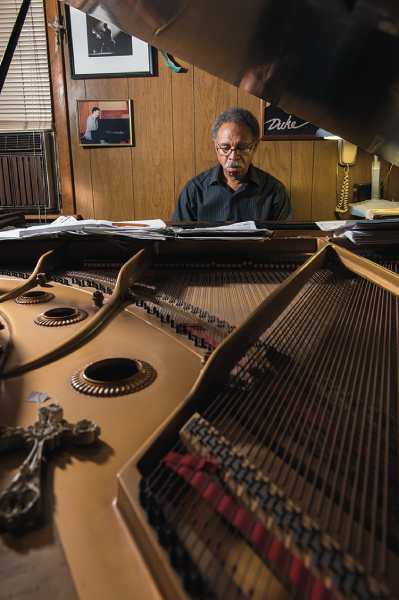
Billy Foster at the piano. Photo by Ken Carl.
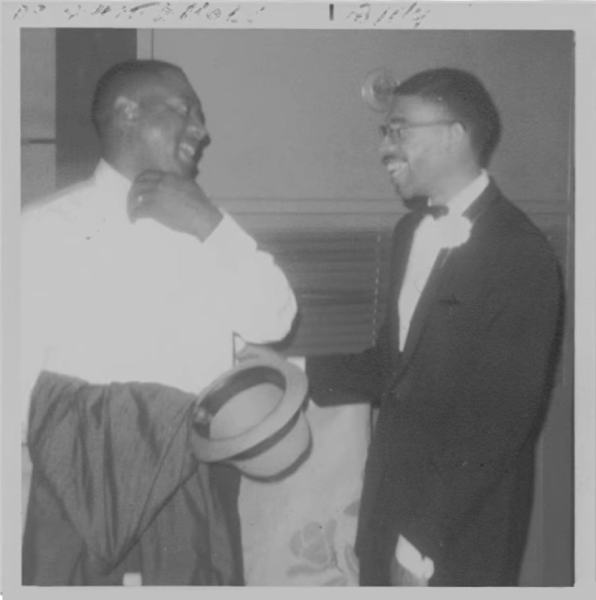
Dr. Granuel L. Whittemore and his longtime piano student Billy Foster. Foster began studying with Whittemore at age seven and continued taking lessons from him through college.
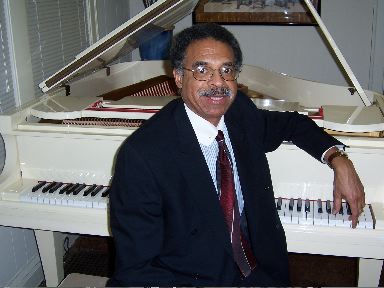
Billy Foster promotional portrait at the piano.
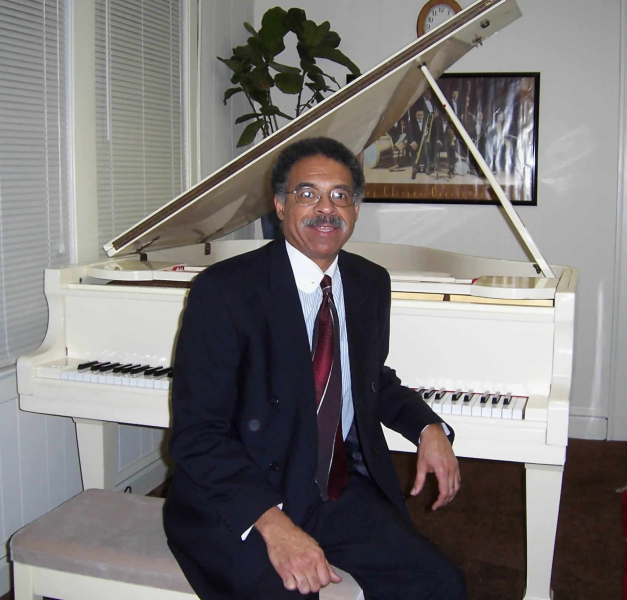
Billy Foster promotional portrait at the piano.
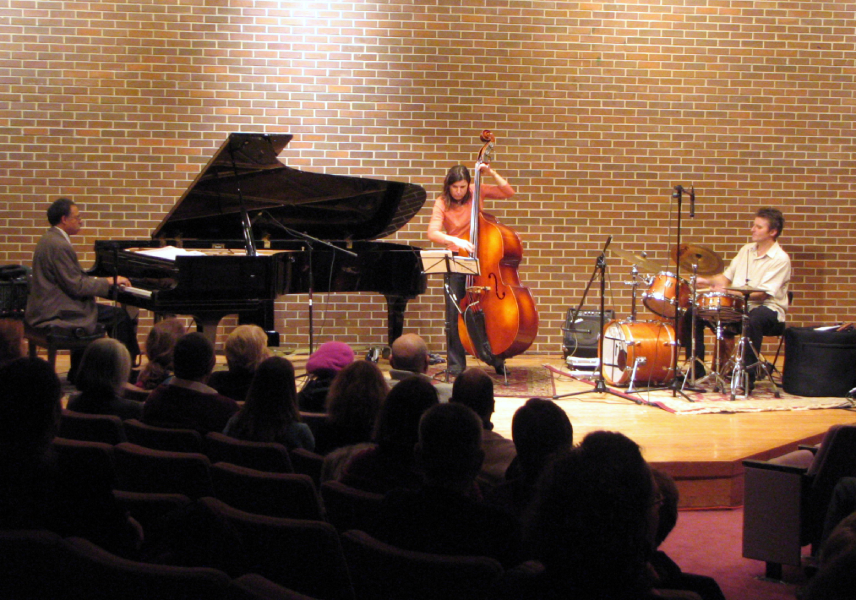
Billy Foster performing at the piano with a jazz trio at Merrimans’ Playhouse in South Bend, Indiana.

Billy Foster writing music at the piano.
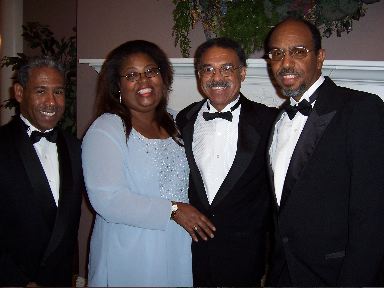
Billy Foster (right) with his wife and longtime musical collaborator, vocalist Renee Miles-Foster (second from left), posing for a photograph with fellow attendees.
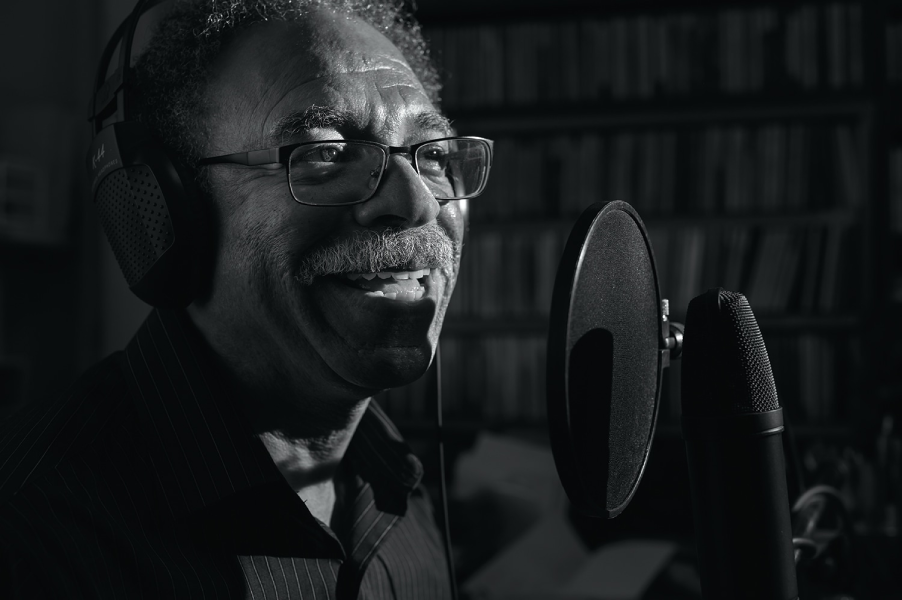
Billy Foster behind the microphone, reflecting his longtime work as a jazz broadcaster and host of The Billy Foster Jazz Zone on WGVE 88.7 FM. Photo by Ken Carl.
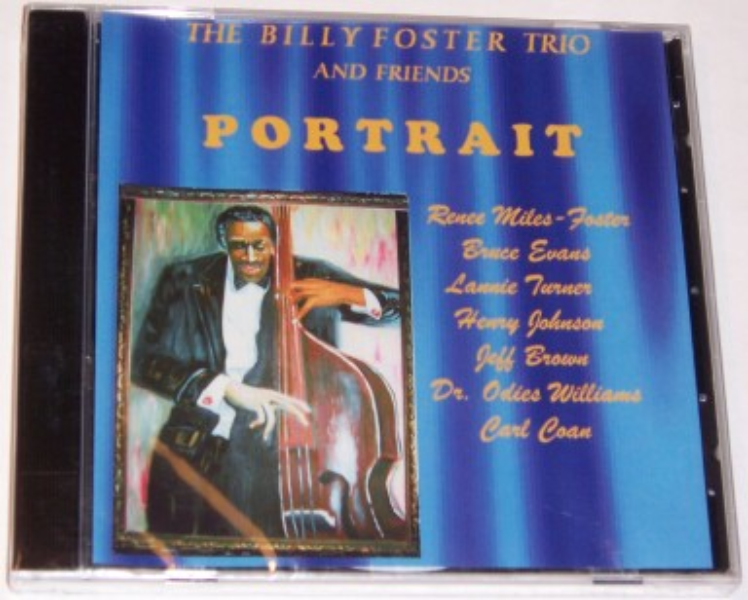
The Billy Foster Trio and Friends — Portrait CD cover, featuring Renee Miles-Foster, Bruce Evans, Lonnie Turner, Henry Johnson, Jeff Brown, Dr. Odies Williams, and Carl Coan.
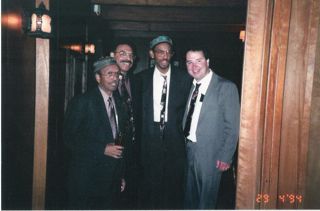
The Billy Foster Trio posing with legendary jazz saxophonist Jimmy Heath.
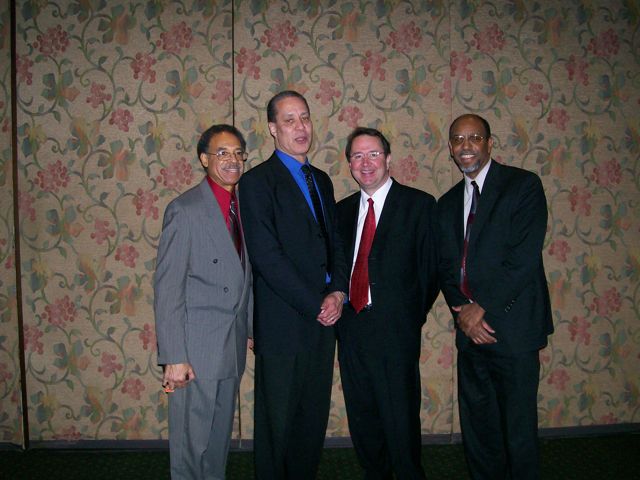
Billy Foster with guest artist and saxophonist Bill Pierce and members of the Valparaiso University Faculty Jazz Trio, Jeff Brown and Bruce Evans.
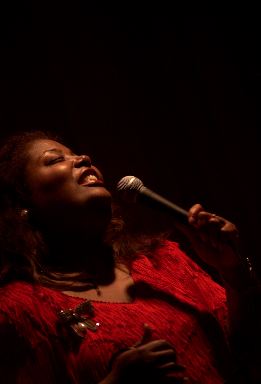
Renee Miles-Foster performing as a vocalist.
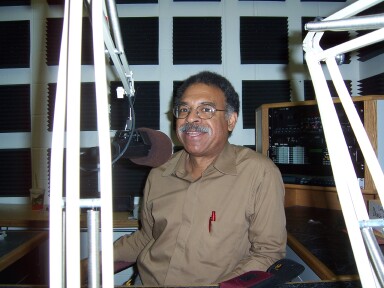
Billy Foster behind the microphone hosting The Billy Foster Jazz Zone on WGVE 88.7 FM in Gary, Indiana.
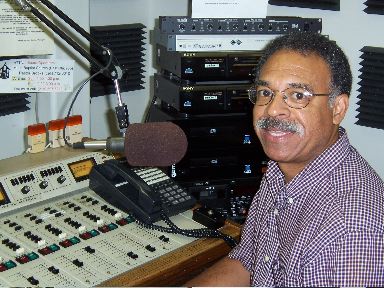
Billy Foster at the controls while hosting The Billy Foster Jazz Zone on WGVE 88.7 FM in Gary, Indiana.
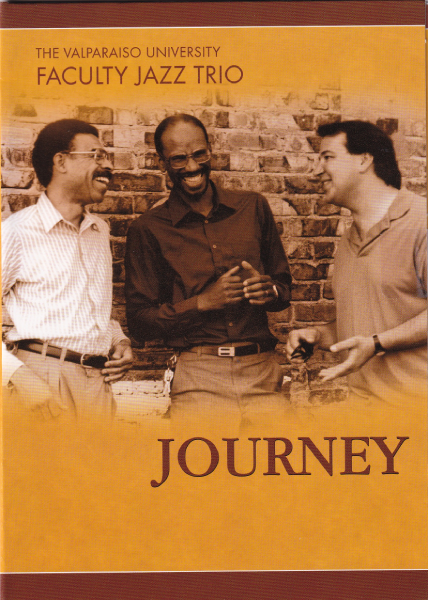
Cover of Journey by the Valparaiso University Faculty Jazz Trio, featuring Billy Foster, Bruce Evans, and Jeff Brown.
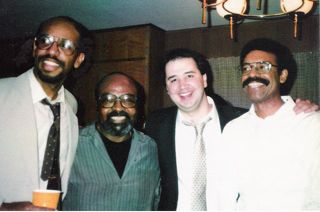
The Valparaiso University Faculty Jazz Trio with guest artist and saxophonist James Moody.
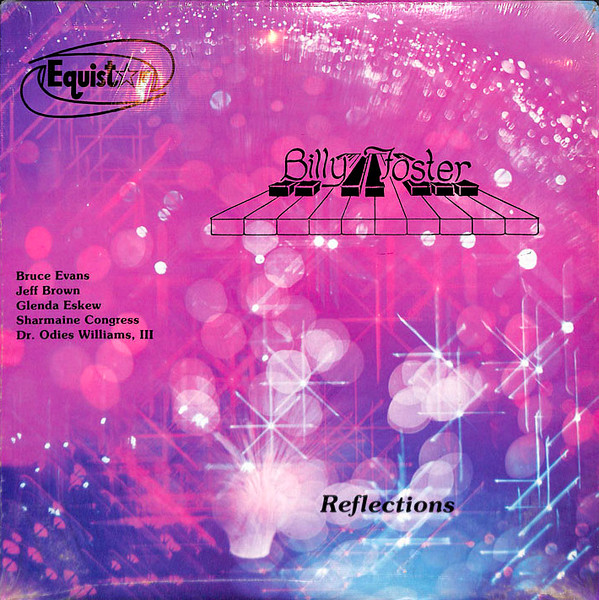
Front cover of Billy Foster’s Reflections album, featuring Bruce Evans, Jeff Brown, Glenda Eskew, Sharmaine Congress, and Dr. Odies Williams III.
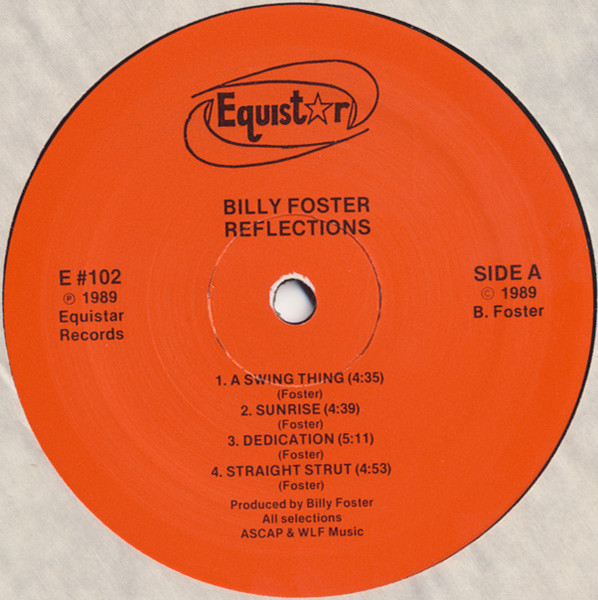
Side A label of Billy Foster’s 1989 album Reflections, released on Equistar Records and produced by Foster. The side includes “A Swing Thing,” “Sunrise,” “Dedication,” and “Straight Strut,” all composed by Foster.
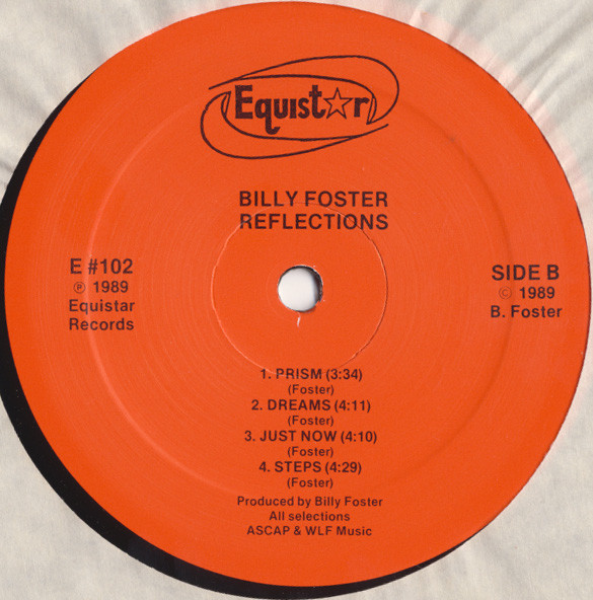
Side B label of Billy Foster’s 1989 album Reflections, released on Equistar Records and produced by Foster. The side includes “Prism,” “Dreams,” “Just Now,” and “Steps,” all composed by Foster.
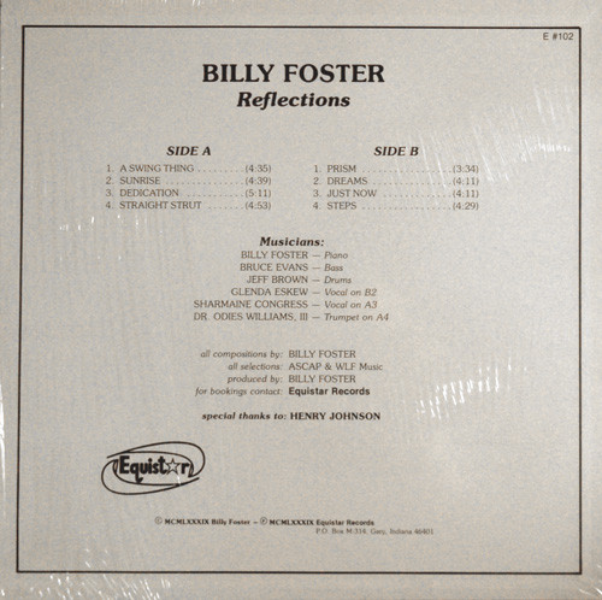
Back cover of Billy Foster’s Reflections album, listing the tracks and musicians, including Billy Foster on piano, Bruce Evans on bass, Jeff Brown on drums, Glenda Eskew and Sharmaine Congress on vocals, and Dr. Odies Williams III on trumpet.
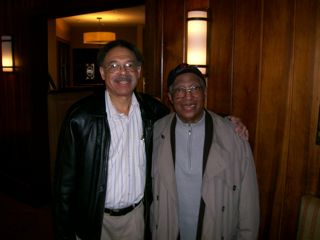
Billy Foster with legendary jazz trombonist Curtis Fuller.
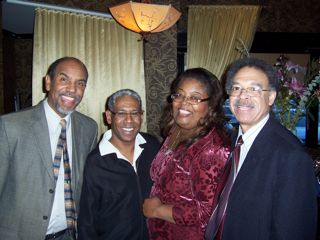
Billy Foster (right) with his wife and longtime musical collaborator, vocalist Renee Miles-Foster, at Asparagus restaurant.
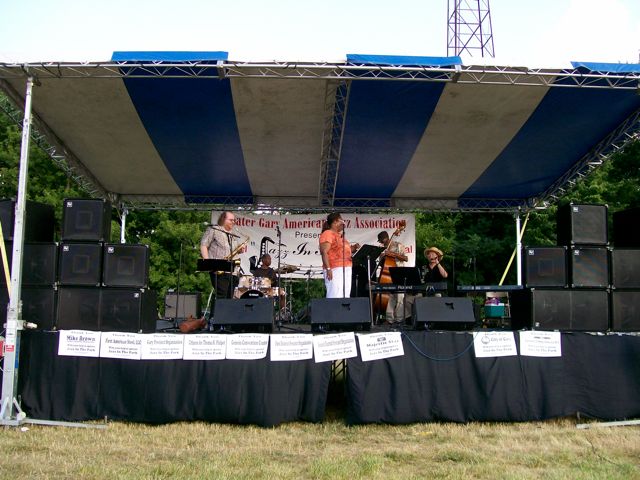
Billy Foster performing at the Gary Jazz Fest, presented by the Greater Gary American Jazz Association.
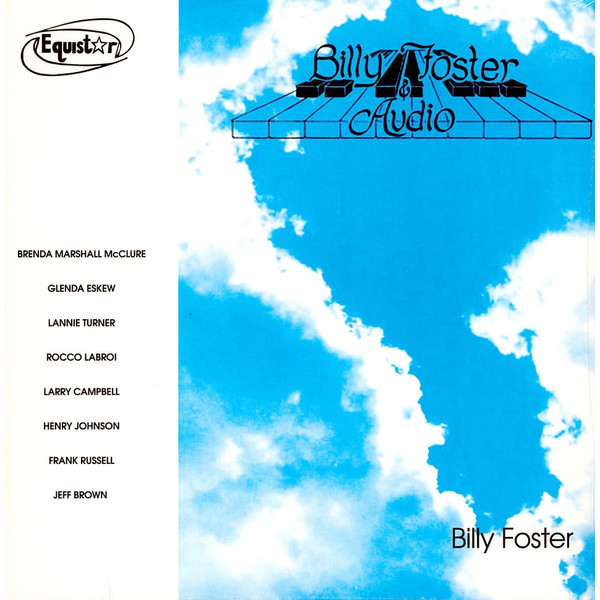
Cover of the Billy Foster Audio album, featuring original music by Foster and musicians including Brenda Marshall McClure, Glenda Eskew, Lonnie Turner, Rocco Labriola, Larry Campbell, Henry Johnson, Frank Russell, and Jeff Brown.
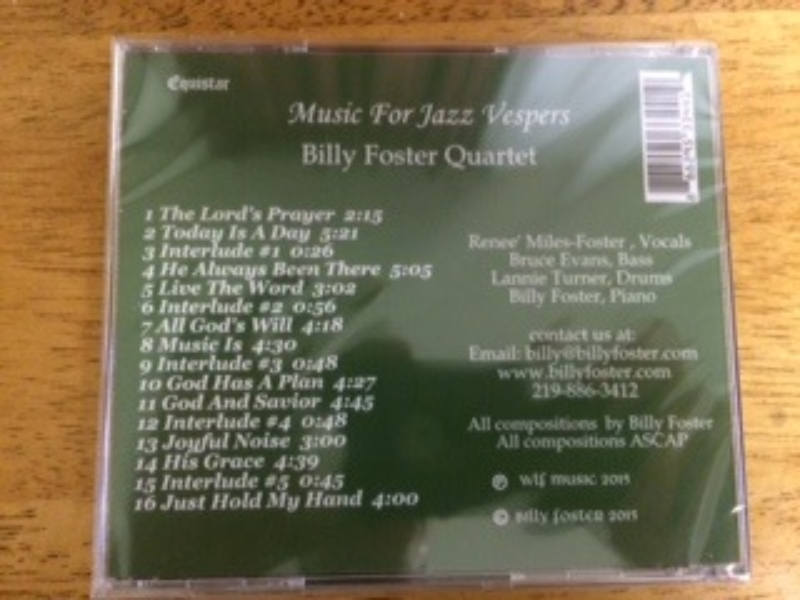
Back cover of the Billy Foster Quartet’s 2015 CD Music for Jazz Vespers, featuring Renee Miles-Foster on vocals, Bruce Evans on bass, Lonnie Turner on drums, and Billy Foster on piano. All compositions are by Foster.

Front cover of the Billy Foster Quartet’s 2015 CD *Music for Jazz Vespers*, a collection of original sacred jazz compositions by Billy Foster, featuring Renee Miles-Foster on vocals, Bruce Evans on bass, Lonnie Turner on drums, and Foster on piano.
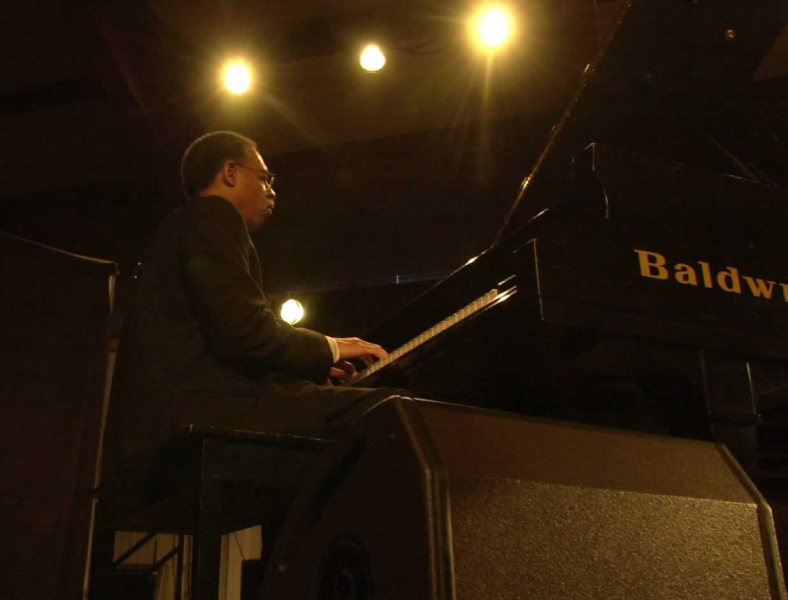
Billy Foster performing at the piano.
Preserving Indiana’s Music History
The Indiana Music History Project is made possible through the generous support of the Allen Whitehill Clowes Charitable Foundation. Their commitment to preserving Indiana’s rich musical heritage helps ensure these oral histories remain accessible for future generations.

Help Improve This Archive
Have additional information about this artist, story, or any of the photographs? If you can identify people, dates, locations, or have memories you’d like to share, we’d love to hear from you. Please use the button below and select “Submit Historical Information or Corrections” as the reason for your message.

