
Brian Paulson Oral History

Brian Paulson is an Indiana multi-instrumentalist, composer, recording artist, producer, and digital artist whose work crosses progressive rock, jazz, fusion, world music, electronic music, improvisation, and experimental sound. A largely self-taught musician, Paulson has spent much of his career exploring not only melody and rhythm, but the physical, emotional, and visual possibilities of sound.
After moving to Indiana in 1970, Paulson became part of a wide-ranging musical community that took him from progressive rock and the experimental Bloomington scene to commercial recording studios, electronic music, multimedia production, and an extensive independent recording career. His groups have included Pre, Killer Sponges, Hugo Smooth, Large Damaging Hail, Rhythms of Life, and Clang. Hugo Smooth performed throughout the region, sharing bills with nationally and internationally known artists including Flora Purim, Spyro Gyra, and Dizzy Gillespie.
Paulson has also built an extraordinary body of independent work through Intragalactic Recordings. By the time of his Indiana Music History Project interview in June 2025, he had released his 53rd album and continued composing and recording new material. His projects range from conventional instrumental recordings to experiments with alternate tunings, synthesizers, world instruments, Bio-Sonic music, sound and light, and digital visual art.
Interview Highlight
In this Interview Highlight, Brian Paulson recalls the unusual circumstances that led him to drummer Ron Brinson in Bloomington. After a chance encounter with a woman who predicted that Paulson would soon meet a drummer, he met Brinson and discovered an immediate musical connection. The two formed Killer Sponges, an improvisational project built around their ability to communicate musically without having to plan what they were going to play.
Paulson explains how that partnership led to Hugo Smooth after Joan and Wayne Hall approached him about forming a group. Paulson agreed on the condition that Brinson come with him, bringing together the four musicians who developed Hugo Smooth’s distinctive mixture of jazz, fusion, Brazilian-influenced music, improvisation, and humor. He also remembers sharing the stage with Brazilian jazz vocalist Flora Purim at the Bluebird in Bloomington.
Complete Interview
In this Complete Interview, Brian Paulson traces a musical life shaped by curiosity about sound itself. Originally from Michigan’s Upper Peninsula, Paulson recalls moving to Indiana in 1970 and describes childhood experiences that shaped the way he would approach music throughout his life. Rather than following a traditional path of formal musical training, he learned largely by listening, experimenting, improvising, and reproducing the sounds that captured his imagination.
Paulson discusses his early progressive rock work with Pre, his years in Bloomington, the improvised music he created with drummer Ron Brinson in Killer Sponges, and the formation of Hugo Smooth with Brinson, Joan Hall, and Wayne Hall. He remembers the creative freedom of those groups, performing throughout the region, and sharing bills with musicians including Flora Purim and Spyro Gyra.
The conversation also explores Paulson’s work at Bennett Innovations, where he composed music for television, radio, commercials, and industrial films while becoming involved with emerging digital recording technology. He recalls creating music for the Children’s Museum planetarium and working with LaserDisc technology, as well as his growing interest in synthesizers, alternate tunings, unusual instruments, sound frequencies, visual art, and the relationship between sound and the human body.
Paulson reflects on his extensive independent recording catalog, including the 53rd album he had recently released at the time of the interview, and his continuing habit of composing new material almost every day. He also discusses Large Damaging Hail, an improvisational Indianapolis group that met regularly for nearly two decades, and Clang, a percussion-based project that brought dozens of unusual instruments to libraries and other venues around Indiana in hopes of encouraging children to explore music for themselves.
Biography
Brian Paulson’s musical story begins not with formal lessons, but with sound. Originally from a small copper-mining community in Michigan’s Upper Peninsula, Paulson grew up moving frequently because of his father’s work as a chef. He remembers experimenting with sound as early as two years old, arranging his father’s mixing bowls from small to large and striking them with wooden spoons.
Those early experiences became part of a lifelong fascination with the way sound could create physical and emotional responses. Paulson remembers hearing a violin at a school program as a child and being overwhelmed by the sound. He also spent time around his grandfather’s collection of player pianos, Edison machines, and other mechanical musical devices, listening closely and attempting to reproduce what he heard.
A piano in the family home gave him another laboratory for experimentation. Although his mother played and attempted to arrange lessons for him, Paulson never developed through conventional musical instruction. Instead, he learned primarily by ear. He listened to harmonics, experimented with the sustain of the piano, created imaginary soundtracks, and reproduced music he heard from other performers.
Hearing Jerry Lee Lewis perform when Paulson was young was another important moment. Paulson returned home and began reproducing the rhythmic piano style he had heard. His listening expanded through rhythm and blues, jazz, progressive rock, classical music, film scores, cartoon music, Brazilian music, and experimental sounds. Artists including Oscar Peterson, Brian Auger, Keith Emerson, Rick Wakeman, John McLaughlin, Miles Davis, and Hermeto Pascoal became important reference points in the musical world he was building for himself.
Paulson moved to Indiana in 1970 when his father took a teaching position in the French Lick-West Baden area. Indiana soon became the center of Paulson’s musical life.
One of his earliest recording projects was the progressive rock group Pre. Paulson joined brothers Al and Larry Collinsworth and other musicians in Lexington, Kentucky, where the group developed original progressive music influenced by artists such as John McLaughlin and Genesis.
The group recorded material in 1973, with Paulson contributing keyboards and compositions. The recordings included his composition “Must Have Been Ten Years” as well as collaborative pieces such as “Water Meeting” and “Hymn of Transfiguration.” Although the music attracted interest at the time, the recordings did not receive the release the musicians had hoped for.
Decades later, the Pre recordings resurfaced and found a new audience. Their survival became an example of a recurring theme in Paulson’s career: experimental music created for a small audience at one moment could be rediscovered years later by listeners hearing it in a completely different context.
Bloomington became particularly important to Paulson’s development during the 1970s. The city’s mixture of musicians, artists, experimental performers, and university culture provided an environment in which improvisation and unconventional ideas could flourish.
Among the most important musicians Paulson met there was drummer Ron Brinson. Paulson recalls sitting in a Bloomington coffee shop when a woman he describes as a psychic told him that he was going to meet someone who would play drums with him. Not long afterward, he met Brinson.
The connection was immediate. Paulson and Brinson discovered that they could improvise together without having to discuss the direction of the music. They formed Killer Sponges, an experimental project that allowed the two musicians to explore spontaneous composition.
On October 21, 1979, Paulson and Brinson performed a completely improvised concert at the Monroe County Public Library in Bloomington with dancers Sarah and Seth. Recorded by Marvin Lewis, the performance became the four-song Killer Sponges EP. Paulson performed on Micro Moog, ARP Omni, Fender Rhodes, Hohner Clavinet D6, and other sounds, while Brinson played drums and percussion.
The partnership between Paulson and Brinson soon became the foundation of Hugo Smooth. Joan Hall and Wayne Hall were assembling a group and approached Paulson about playing keyboards. Paulson agreed, but insisted that Brinson be part of the project as well.
The resulting quartet brought together Paulson, Brinson, Joan Hall, and Wayne Hall. Wayne Hall played saxophone, flute, and bass, while Paulson moved among keyboards, bass, and other instruments. The musicians developed a sound that incorporated jazz, fusion, Brazilian influences, improvisation, and humor.
Paulson viewed Hugo Smooth less as a band confined to a particular genre than as a group of musicians capable of responding intuitively to one another. Rather than dictating every note, the musicians created space for each member to find a place within the music.
Hugo Smooth performed throughout the region and appeared at festivals and clubs, including The Vogue in Indianapolis and the Bluebird in Bloomington. Paulson recalls sharing a bill with Brazilian jazz vocalist Flora Purim at the Bluebird and performing on bills with Spyro Gyra and other touring artists.
The experience reinforced one of Paulson’s central ideas about music: the strongest performances occur when musicians listen and respond to one another rather than simply reproducing predetermined parts.
After Hugo Smooth, Paulson entered another important phase of his career at Bennett Innovations, an Indianapolis-area production studio. Working as a composer and music director, he created music for television, radio, advertising, industrial films, and other commercial projects.
The studio also gave Paulson access to emerging recording technology. He became an early adopter of digital recording and editing techniques at a time when much studio production still relied on physical tape editing.
Paulson also worked with LaserDisc technology and created music for a planetarium production at The Children’s Museum of Indianapolis. He remembers the project requiring him to reconstruct music from memory after production plans changed, an experience that demonstrated the unusual musical recall he had relied upon throughout his life.
Commercial production gave Paulson technical experience, but his interests increasingly moved toward experimentation with sound itself. He began exploring what he describes as the metaphysical and physical properties of music: harmonics, vibration, alternate tunings, binaural sound, body conduction, electronic instruments, and relationships between sound, light, and color.
Synthesizers became especially important because they allowed him to create timbres that did not exist within traditional acoustic instruments. He also built and modified instruments, experimented with unconventional percussion, and explored ways of translating sound into visual forms.
Paulson’s interest in music and visual art eventually became intertwined. He began creating digital imagery and real-time visual work connected to sound, treating color, geometry, frequency, and music as parts of the same creative process.
At the same time, he continued composing and recording at a remarkable pace. Through his own Intragalactic Recordings, Paulson built a catalog that crosses jazz, fusion, progressive music, world music, ambient and electronic music, experimental sound, and projects that resist easy classification.
His albums have often served as laboratories for particular ideas. Worlds Within Worlds, released in 2012, combined world beat and electronic music and was written, recorded, performed, and produced entirely by Paulson.
Return to Giza: Harmonics of the Great Pyramid, released in 2020, explored what Paulson calls “Geo Astro Bio-Sonic music,” using musical relationships inspired by the sacred geometry of the Great Pyramid of Giza.
Other projects have continued his exploration of Bio-Sonic music, natural frequencies, consciousness, world instruments, electronic sound, and immersive audio. Rise!, released in April 2025, was produced by Paulson, who also wrote the lyrics.
When Paulson sat for his Indiana Music History Project interview on June 24, 2025, he said he had just released his 53rd album. Even that number represented only part of his creative archive. He estimated that hundreds of additional songs and musical ideas remained waiting to be developed and published.
For Paulson, independent recording provides the freedom to follow an idea without having to shape the music around the expectations of a record company, producer, or commercial audience. He writes, performs, records, produces, and creates visual artwork for his projects, allowing the music and imagery to develop together.
Improvisation has remained equally important in his collaborative work. One of his longest-running projects was Large Damaging Hail, an Indianapolis group built around friendship and spontaneous music.
Paulson remembers the musicians meeting every Tuesday for nearly 20 years, usually playing for several hours without predetermined arrangements. The group included drummer and engineer Curt Butler, guitarist Bob Stoner, voice artist Allen Deck, John Rowe, and Paulson.
Large Damaging Hail rarely performed publicly, but the regular sessions provided an ongoing space for musical experimentation. Recordings from the project survive, with some material eventually appearing through Paulson’s online archive.
Another later project brought Paulson’s experimental approach to a younger audience. Clang developed from the percussion-oriented group Rhythms of Life and included Paulson with musicians including Joe O’Connor and Mike Beck.
Clang traveled to libraries and other venues around Indiana carrying an enormous collection of percussion instruments, found objects, sculptural instruments, and instruments from different musical cultures. Paulson recalls that the group might bring 60, 70, or even 80 instruments to a performance.
The goal was not simply to perform for children, but to let them experience sound directly. After playing, the musicians would make instruments available so children could pick them up, experiment, and join in.
For Paulson, that work represented another form of musical legacy. He remembered meeting people who told him that seeing Hugo Smooth years earlier had inspired them to begin playing an instrument. With Clang, he hoped that exposing a child to an unfamiliar sound or instrument might create the same spark.
That idea connects Paulson’s later educational work to the earliest memories of his own musical life. The child who once turned mixing bowls upside down and struck them with wooden spoons eventually became a musician who spent decades demonstrating that nearly anything could become an instrument if someone listened closely enough.
Across progressive rock, Bloomington’s experimental scene, Hugo Smooth, commercial studios, digital recording, multimedia technology, independent albums, improvisational groups, electronic music, visual art, and children’s performances, Paulson has continually returned to the same basic question: what can sound do?
Rather than separating composition, performance, technology, and visual art into different disciplines, he has treated them as interconnected parts of a larger creative process. His Indiana music story is therefore not defined by a single band, genre, instrument, or period, but by a sustained exploration of sound and the possibilities that emerge when conventional boundaries are removed.
Image Gallery
Explore photographs, album artwork, liner notes, recordings, performance images, and other materials documenting Brian Paulson’s musical career, including Pre, Killer Sponges, Hugo Smooth, his extensive independent recording catalog, and decades of experimental work with music, sound, technology, and visual art.
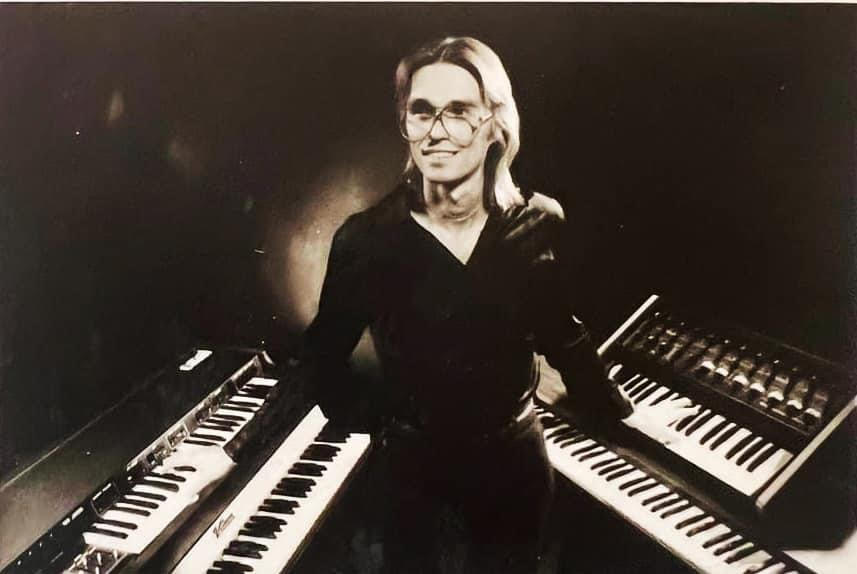
Brian Paulson at the keyboards, reflecting his work as a multi-instrumentalist, composer, and recording artist.
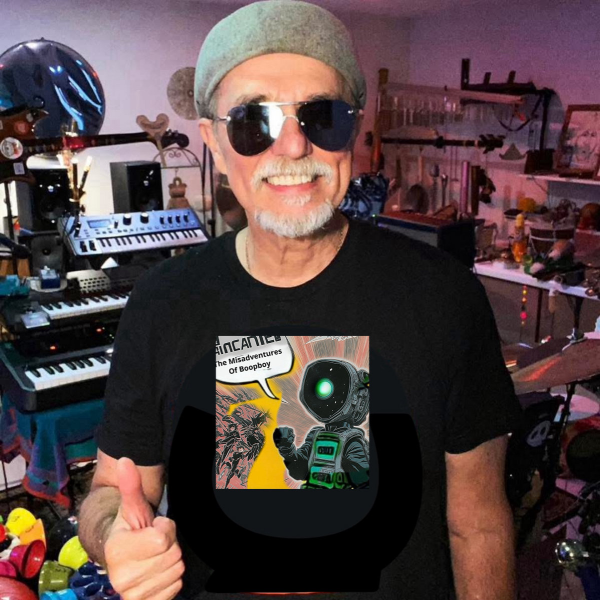
Brian Paulson in his home studio, surrounded by keyboards, synthesizers, and other instruments used in his independent music and recording projects.
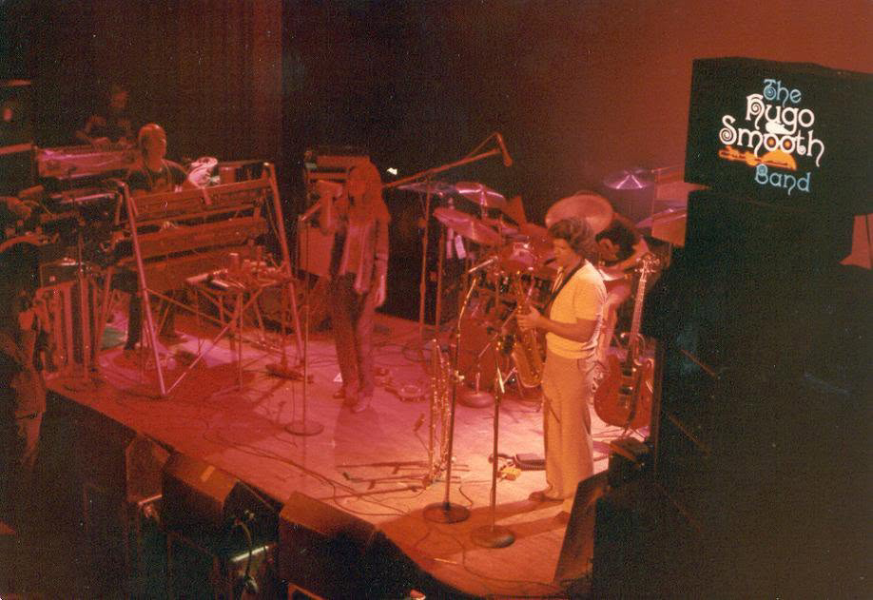
Hugo Smooth at The Vogue, Indy-Mar 1981 – LtoR Brian Paulson, Joan Hall, Wayne Hall and Ron Brinson on Drums – Photo by C W Murray Sr
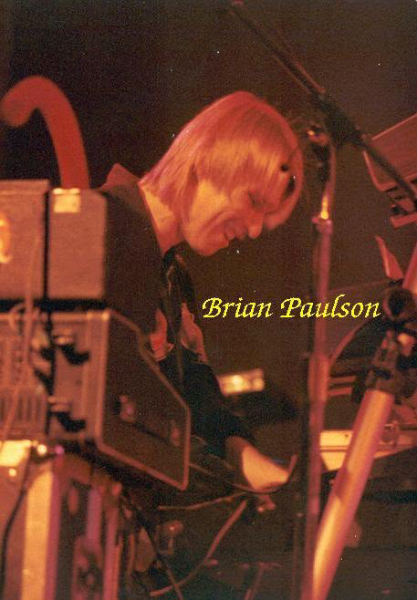
Brian Paulson performing with Hugo Smooth at The Vogue in Indianapolis in March 1981. Photo by C. W. Murray Sr.
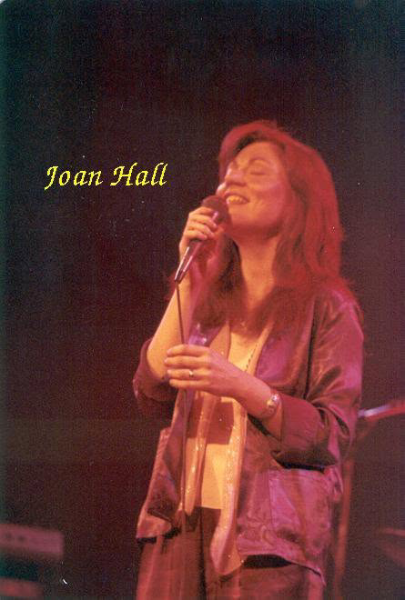
Joan Hall performing with Hugo Smooth at The Vogue in Indianapolis in March 1981. Photo by C. W. Murray Sr.
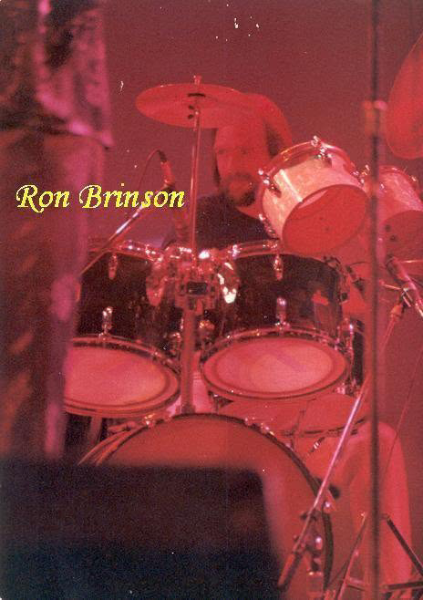
Ron Brinson performing with Hugo Smooth at The Vogue in Indianapolis in March 1981. Photo by C. W. Murray Sr.
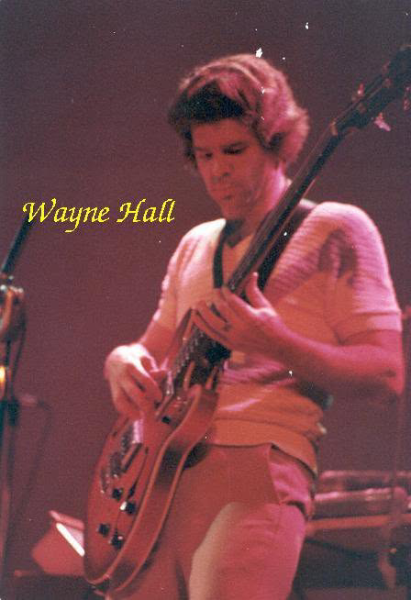
Wayne Hall performing with Hugo Smooth at The Vogue in Indianapolis in March 1981. Photo by C. W. Murray Sr.
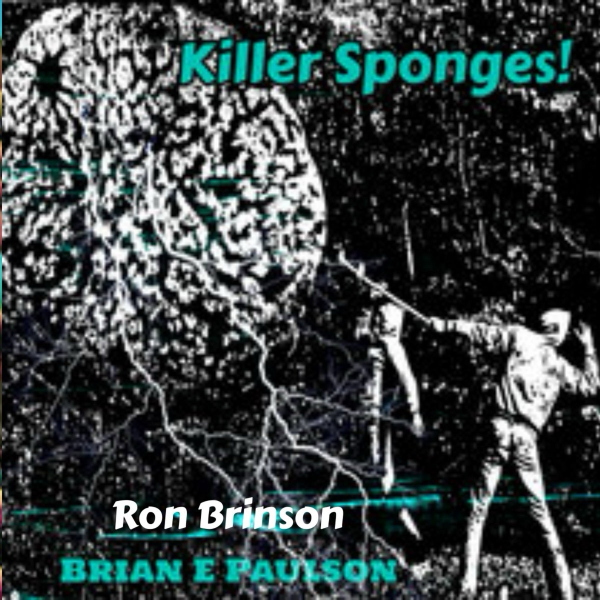
Cover artwork for Killer Sponges, Brian Paulson and Ron Brinson’s four-song EP documenting a completely improvised performance recorded at the Monroe County Library in Bloomington on October 21, 1979. Paulson performed on synthesizers and keyboards while Brinson played drums and percussion; original photograph by Donna Barbrick Carlton.

Cover artwork for Brian Paulson’s Worlds Within Worlds, released in 2012. Written, recorded, performed, and produced entirely by Paulson, the album explores a blend of world beat and experimental electronic music.
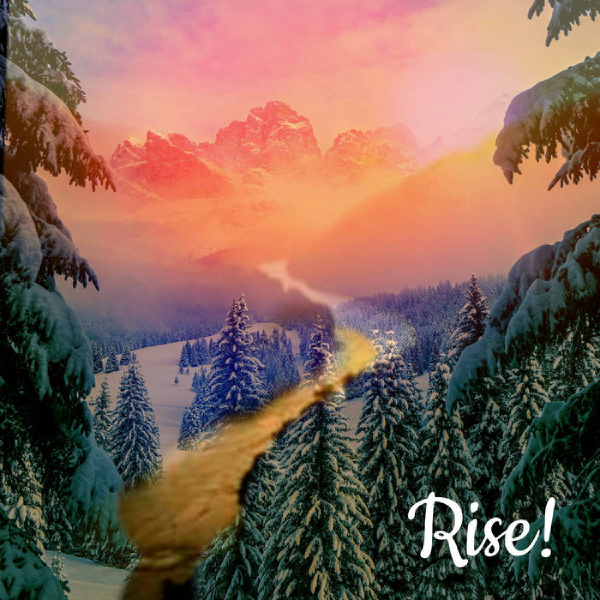
Cover artwork for Brian Paulson’s Rise!, released April 7, 2025. The album was produced by Paulson, who is also credited for the lyrics.
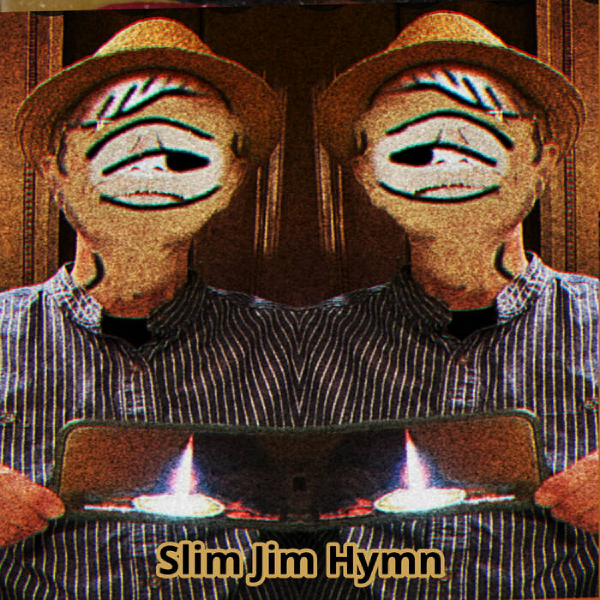
Slim Jim Hymn
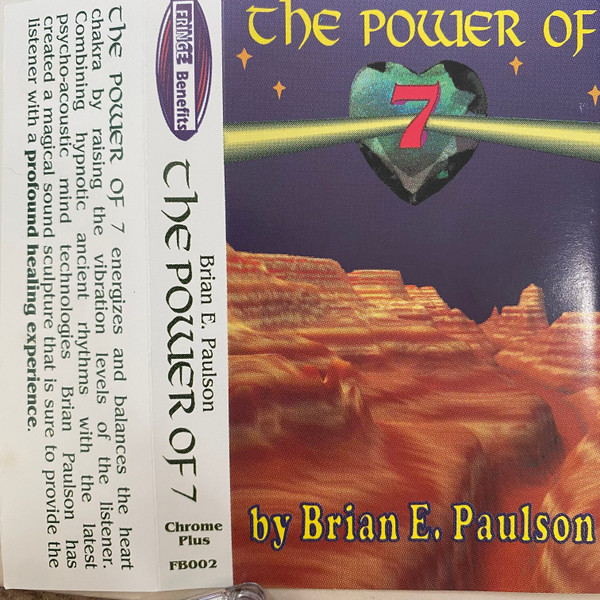
The Power of 7 – Cassette Cover
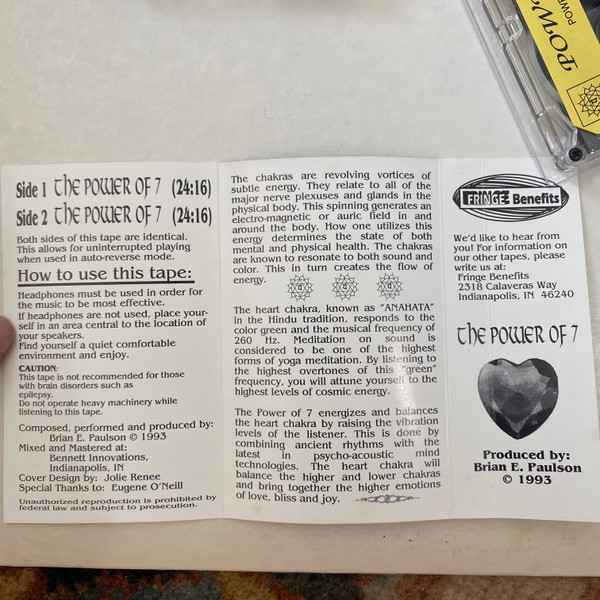
The Power of 7 – Cassette Inside Cover 2
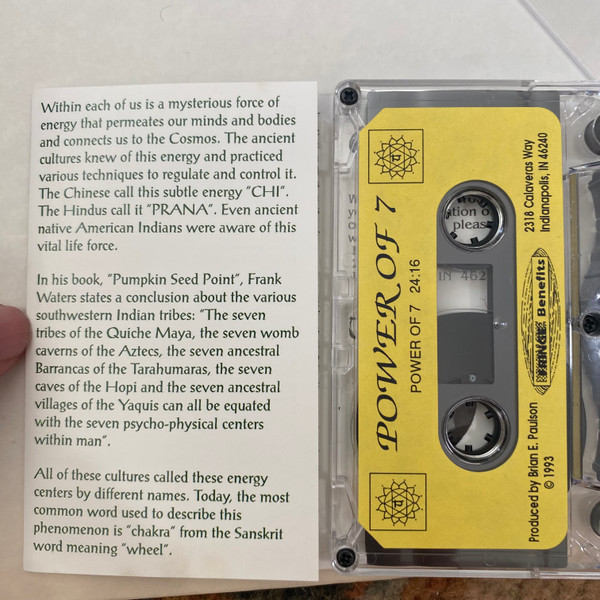
The Power of 7 – Cassette Inside Cover
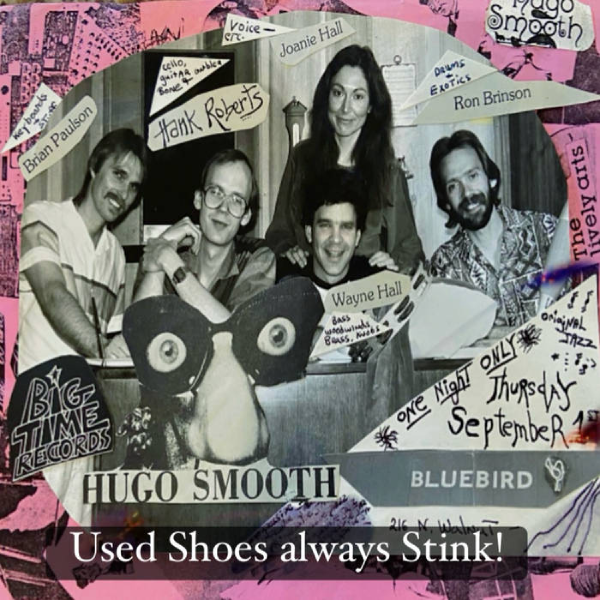
Used Shoes always Stink! Hugo Smooth at the Bluebird in Bloomington
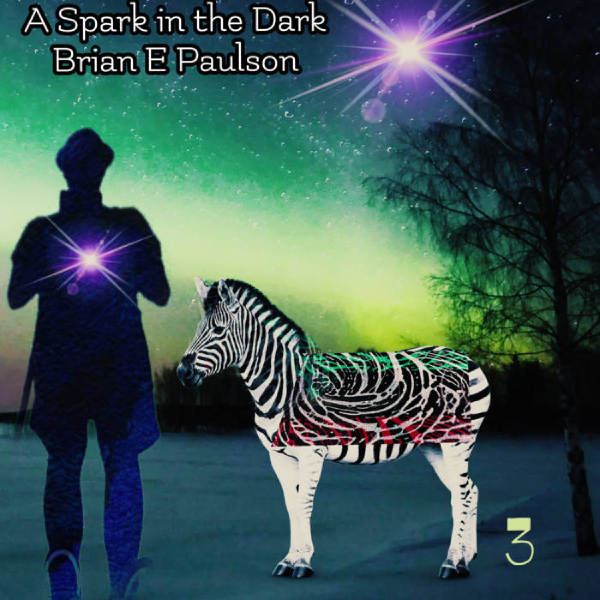
A Spark in the Dark
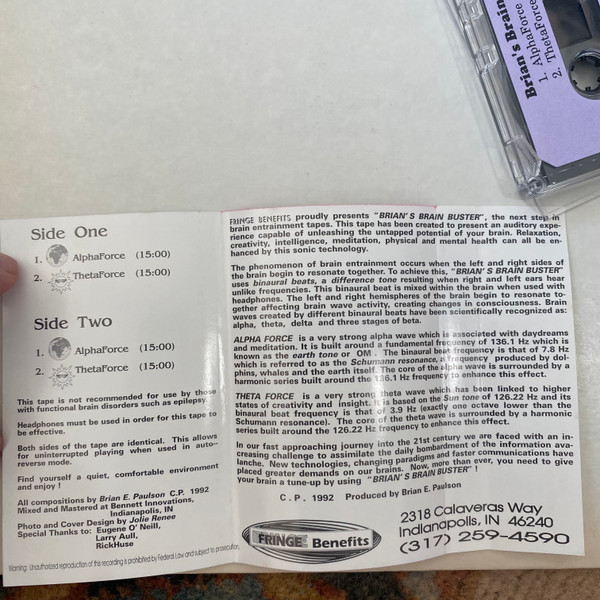
Brian’s Brain Buster – Cassette Cover 2
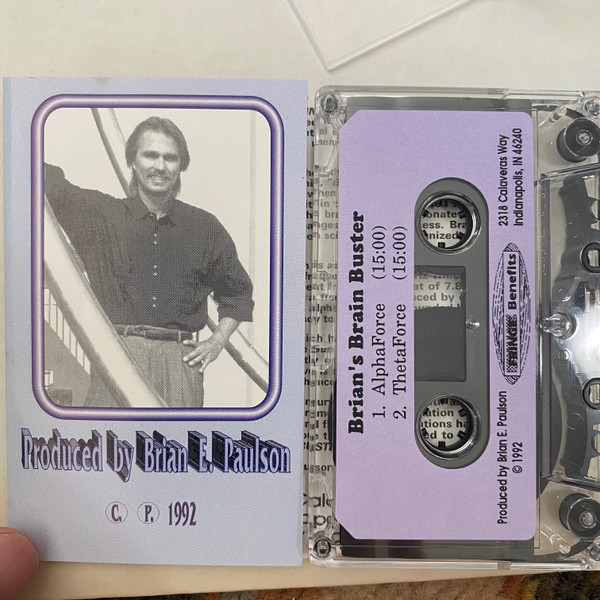
Brian’s Brain Buster – Cassette Cover
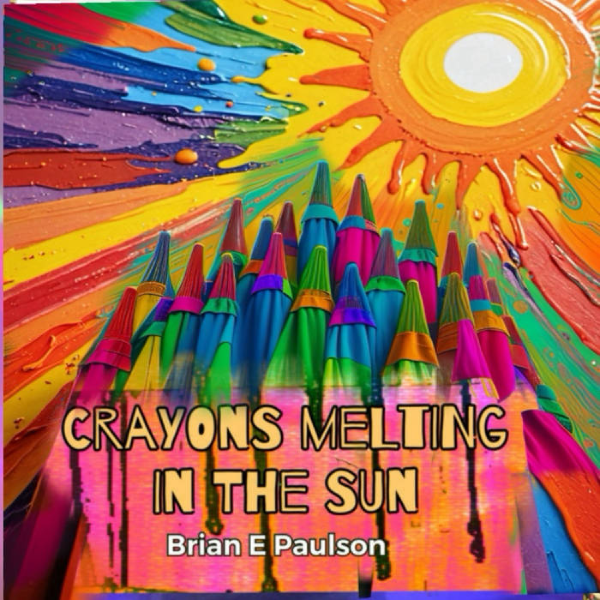
Crayons Melting In the Sun
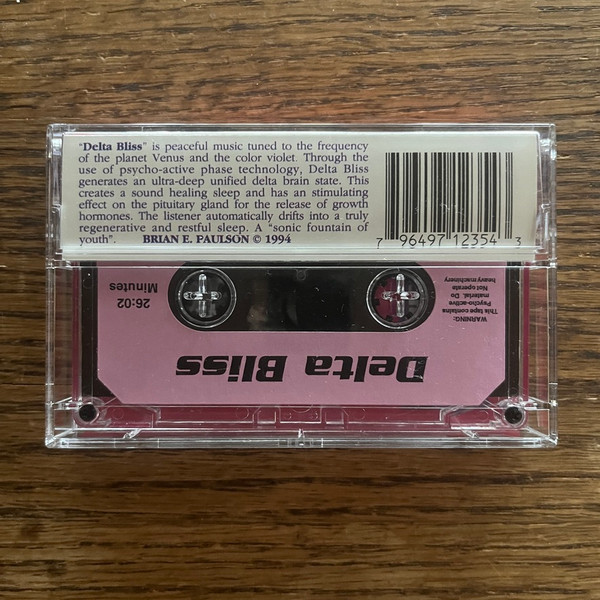
Delta Bliss Back Cover
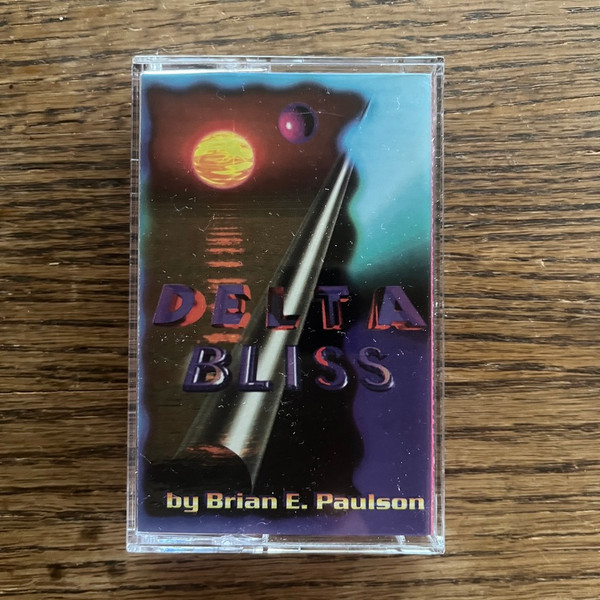
Delta Bliss Front Cover
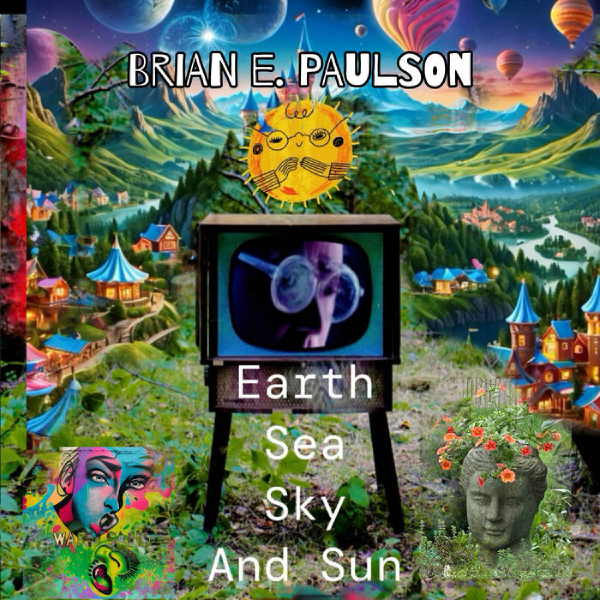
Earth Sea Sky And Sun

GREEN BLUE ORB
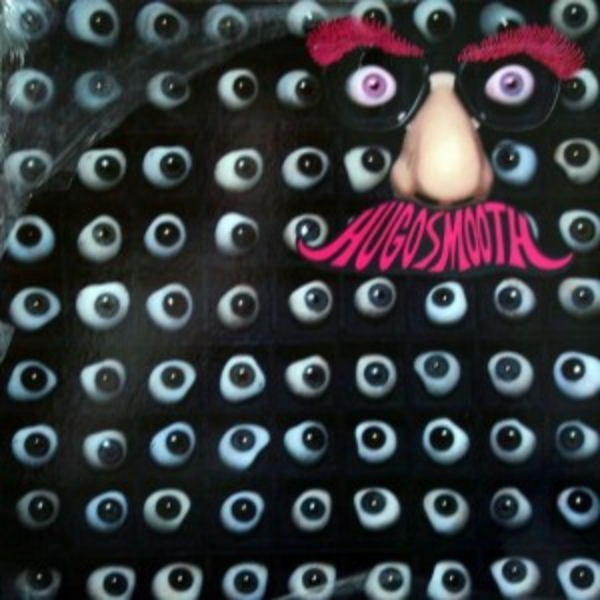
Hugo Smooth Cover
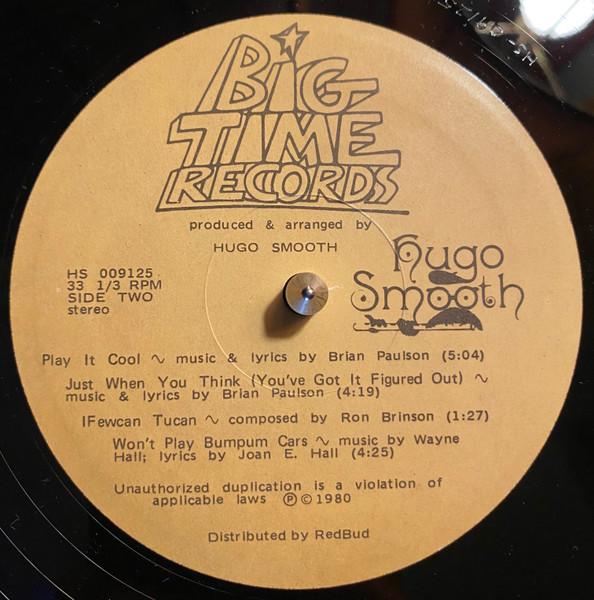
Hugo Smooth Label Side Two
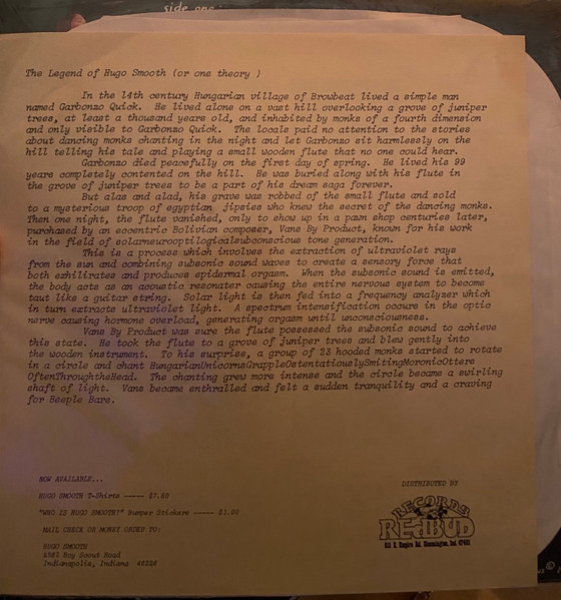
Hugo Smooth Liner Notes
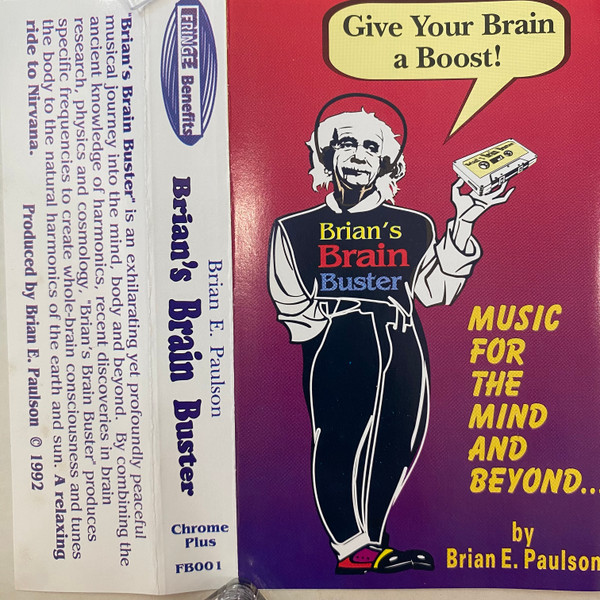
Music for the Mind and Beyond – Cassette Front Cover
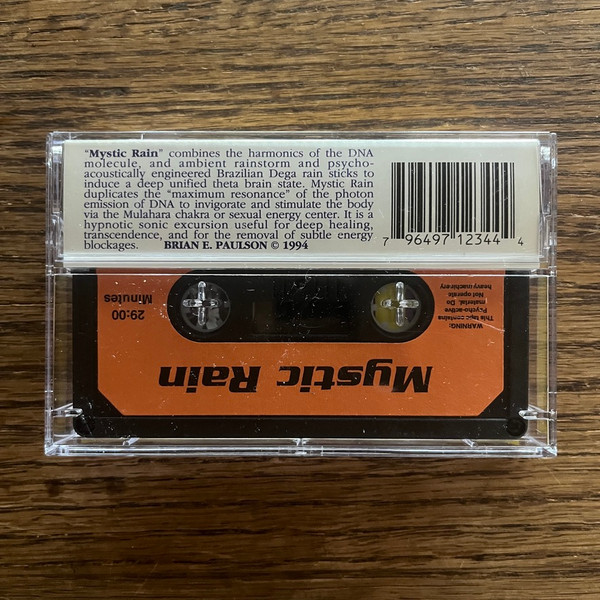
Mystic Rain Back Cover
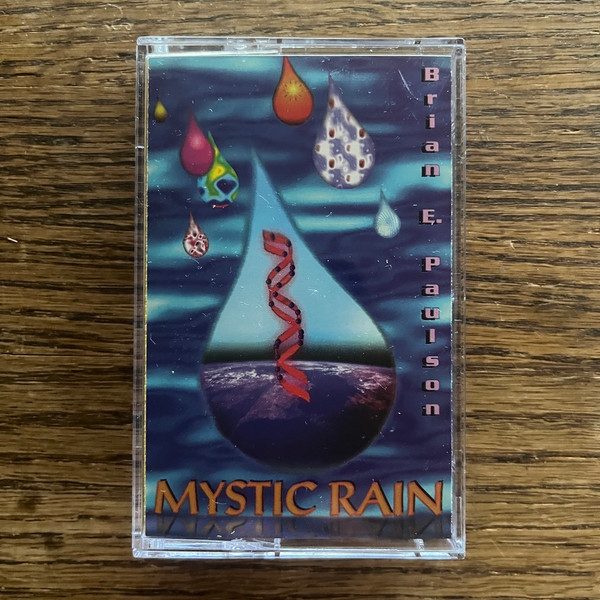
Mystic Rain Front Cover
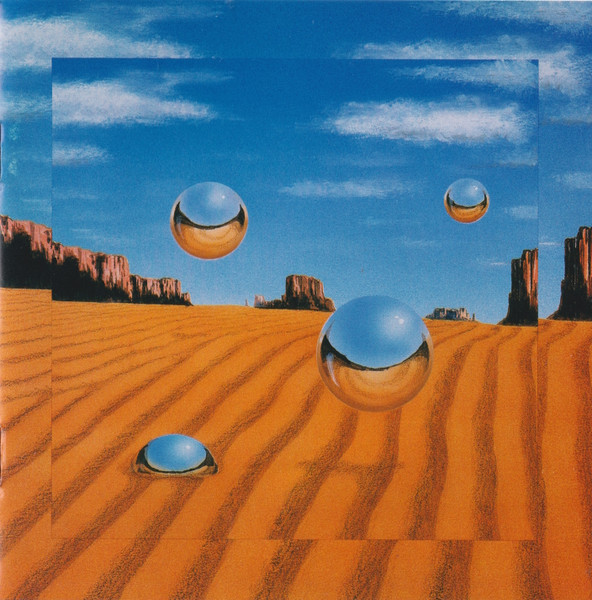
Pre’s 1973 self-titled album, an early progressive rock project featuring Brian Paulson.
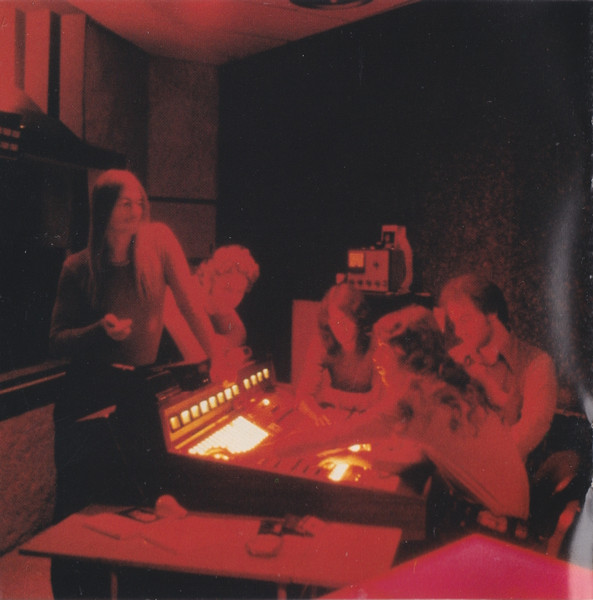
Back cover of Pre’s 1973 self-titled progressive rock album, featuring a photograph from the band’s recording sessions.
Artwork from the packaging for Pre’s 1973 self-titled progressive rock album, featuring Brian Paulson.
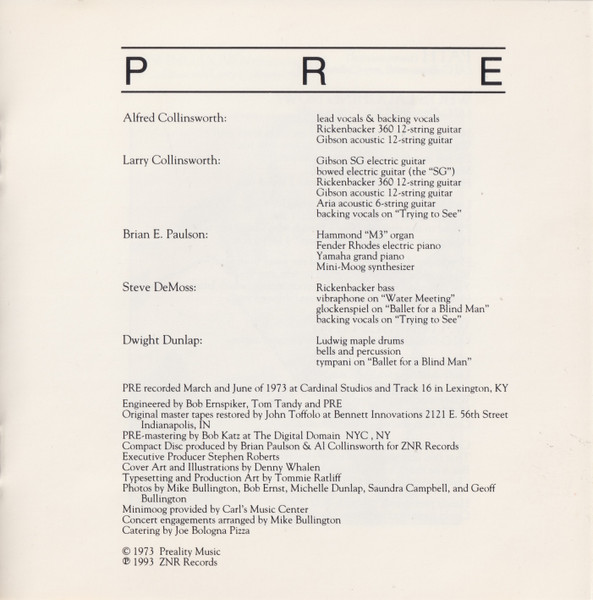
Page 1 of the liner notes from Pre’s 1973 self-titled album, listing the band members, their instruments, recording details, and production credits.
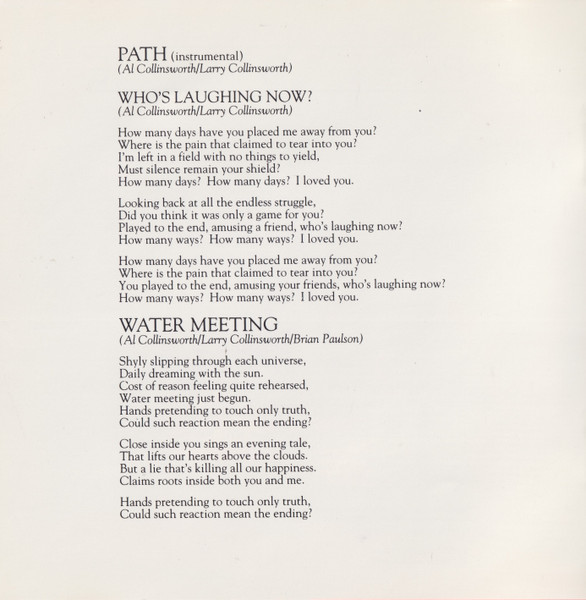
Page 2 of the liner notes from Pre’s 1973 self-titled album, featuring lyrics and songwriting credits for “Path,” “Who’s Laughing Now,” and “Water Meeting,” the latter co-written by Brian Paulson.
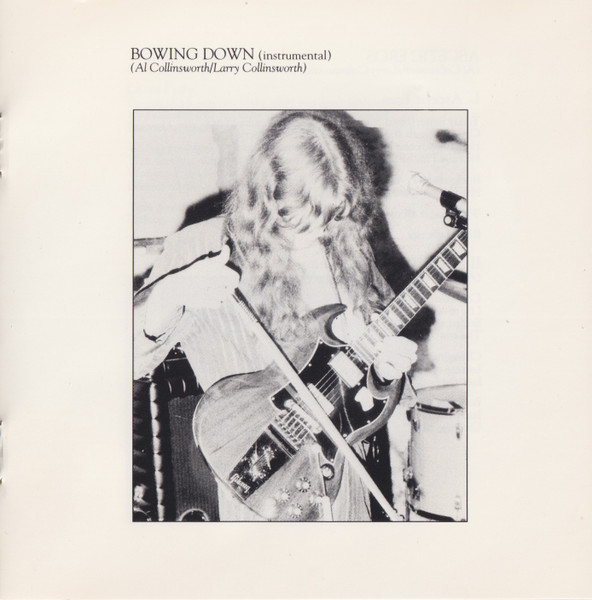
Page 3 of the liner notes from Pre’s 1973 self-titled album, featuring the instrumental “Bowing Down” and a photograph of guitarist Larry Collinsworth.
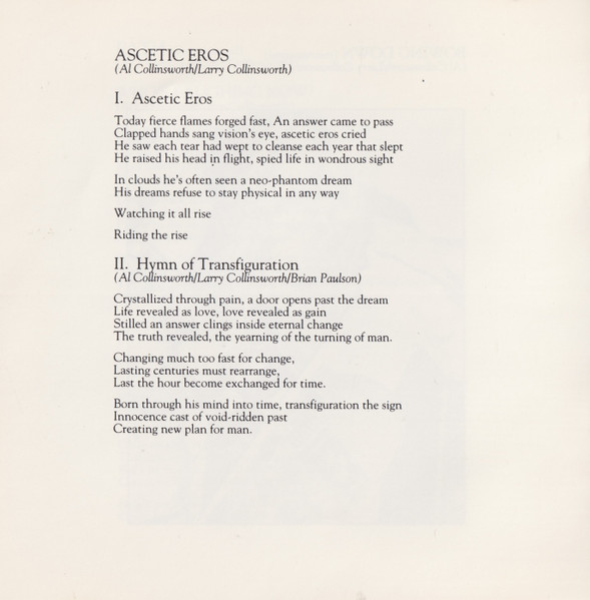
Page 4 of the liner notes from Pre’s 1973 self-titled album, featuring lyrics to “Ascetic Eros” and “Hymn of Transfiguration,” the latter co-written by Brian Paulson.
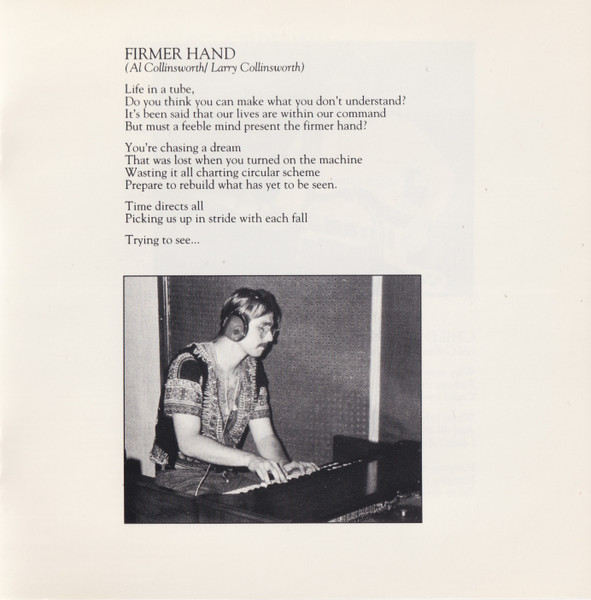
Page 5 of the liner notes from Pre’s 1973 self-titled album, featuring lyrics to “Firmer Hand” and a photograph of Brian Paulson at the keyboards.
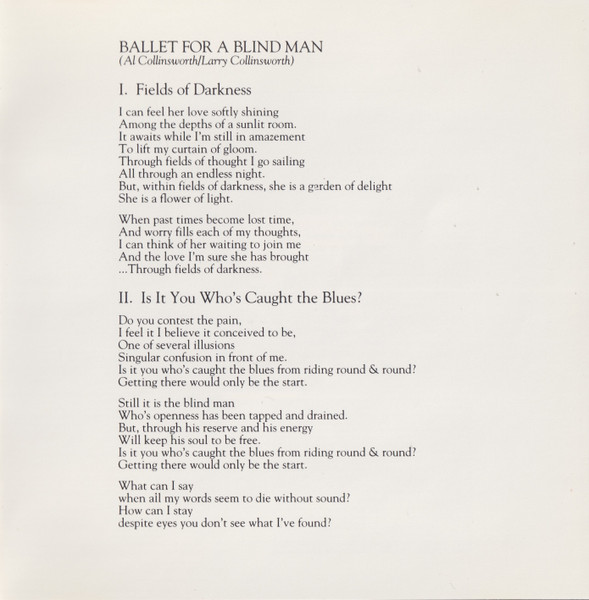
Page 6 of the liner notes from Pre’s 1973 self-titled album, featuring lyrics to “Ballet for a Blind Man,” written by Al Collinsworth and Larry Collinsworth.
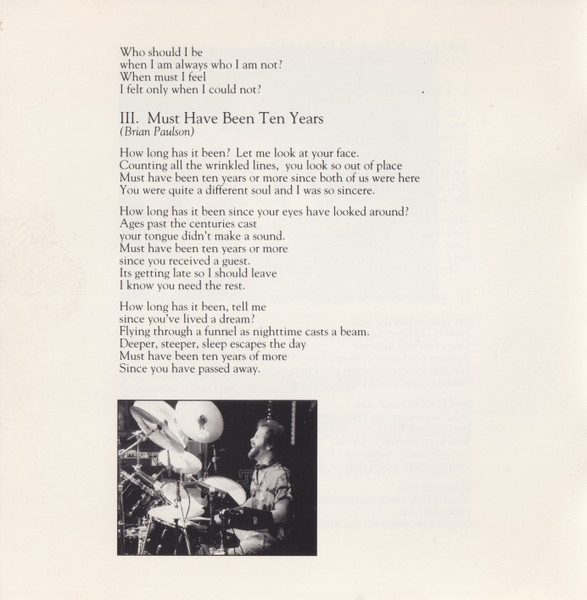
Page 7 of the liner notes from Pre’s 1973 self-titled album, featuring lyrics to Brian Paulson’s composition “Must Have Been Ten Years.”
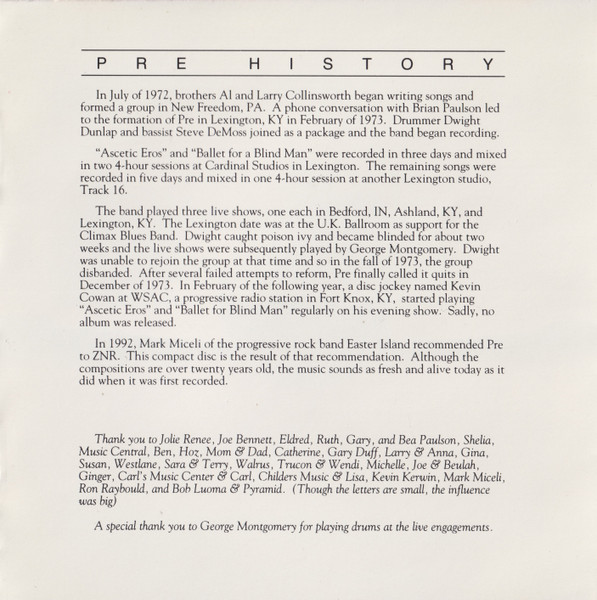
Page 8 of the liner notes from Pre’s 1973 self-titled album, detailing the band’s formation, recording sessions, live performances, and the history of the recordings.
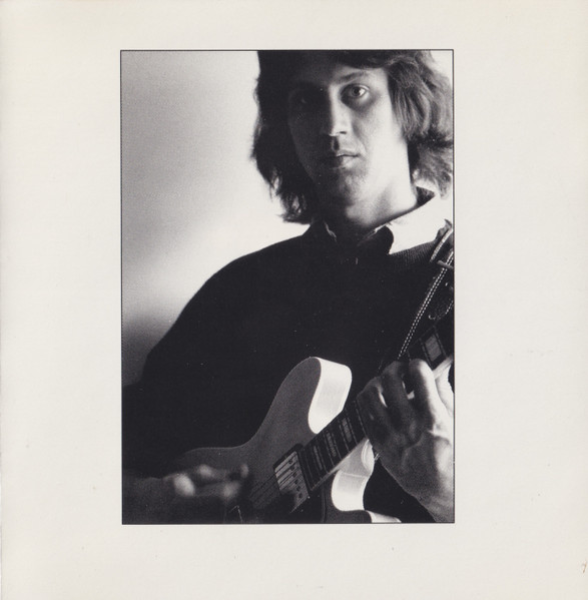
Page 9 of the liner notes from Pre’s 1973 self-titled album, featuring a photograph of Brian Paulson on guitar.
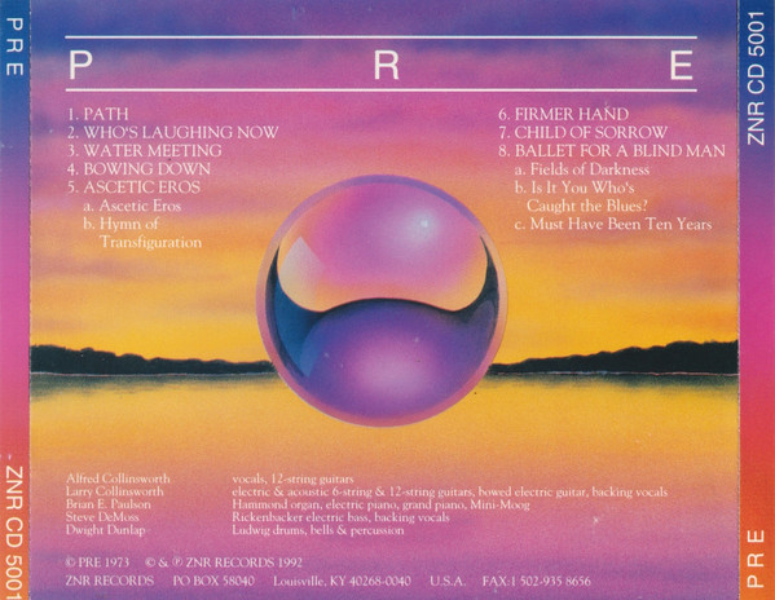
CD cover for Pre’s 1973 self-titled progressive rock album, featuring Brian Paulson.
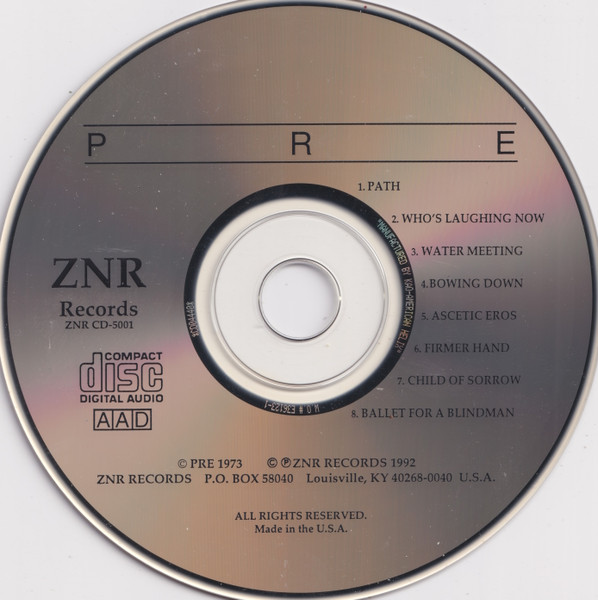
CD edition of Pre’s 1973 self-titled progressive rock album.
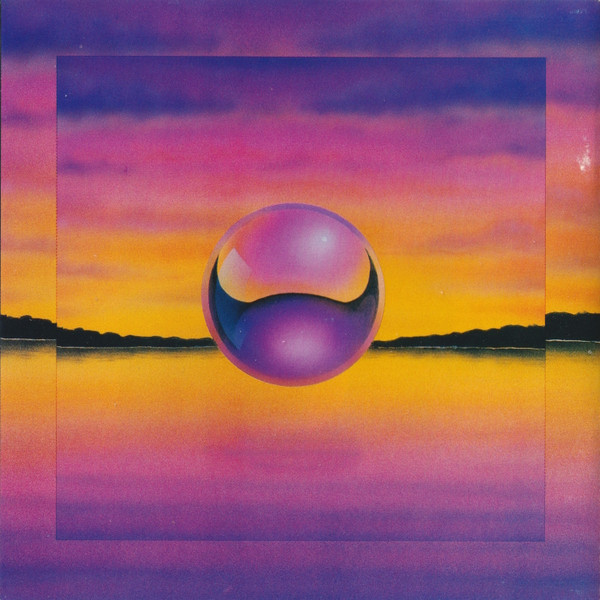
Pre – Pre 1973 FULL VINYL ALBUM (progressive rock) – Cover 2
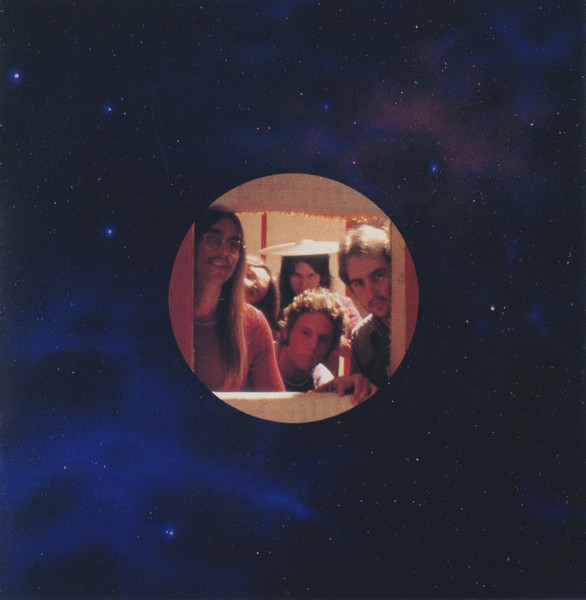
Artwork associated with Pre’s 1973 self-titled progressive rock album.
Preserving Indiana’s Music History
The Indiana Music History Project is made possible through the generous support of the Allen Whitehill Clowes Charitable Foundation. Their commitment to preserving Indiana’s rich musical heritage helps ensure these oral histories remain accessible for future generations.

Help Improve This Archive
Have additional information about this artist, story, or any of the photographs? If you can identify people, dates, locations, or have memories you’d like to share, we’d love to hear from you. Please use the button below and select “Submit Historical Information or Corrections” as the reason for your message.

