Dave Fulton Oral History
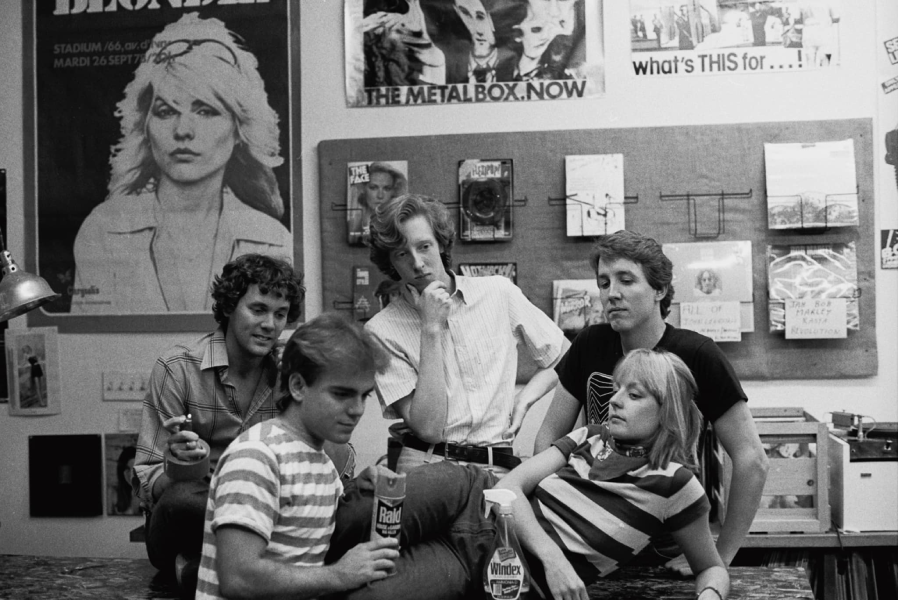
Dave Fulton connects Indianapolis punk and new wave with documentary filmmaking and the preservation of Indiana music history. A member of Joint Chiefs of Staff and Last Four Digits, a co-founder of Hardly Music Records, and the founder of Image Resources, Inc., he brought his interests in music and film together in Naptown Rock Radio Wars, his documentary about the changing sound of Indianapolis radio.
In his Indiana Music History Project oral history, recorded October 6, 2025, at the Indiana Music History Project Museum in Indianapolis, Fulton discusses the making of the film, the creative influences that shaped his life, and the continuing search for music that offers something unexpected. Fulton was one of the Indiana Music History Project’s first board members and has supported its work since the earliest days.
Interview Highlight
In this Interview Highlight, Dave Fulton discusses the making of Naptown Rock Radio Wars. Working with radio veteran Al Stone, he combined his documentary production experience with Stone’s broadcasting connections to capture the people behind Indianapolis radio’s transition from AM dominance to FM rock. Fulton recalls a project that grew from an anticipated eight or ten interviews to approximately 35, four years of production, an Indianapolis IMAX premiere, and a broadcast on WFYI.
Oral History Interview
In this longer interview, Fulton explores the work behind Naptown Rock Radio Wars, including the importance of the era’s music and the licensing challenges that complicated the film’s wider distribution. He also reflects on his musical partnership with Brad Garton and the possibility of recording together again. His memories of London’s punk and new wave scene in 1977 and experimental film at Ball State University lead to a closing message about following your passions and remaining open to where they might take you.
Biography
For Dave Fulton, music and filmmaking have long shared an appetite for experimentation. In his oral history, he recalls spending the summer of 1977 in London as punk and new wave gathered momentum. Hearing adventurous bands firsthand gave him an enthusiasm he carried home to Indiana. While completing his studies at Ball State University, he encountered avant-garde cinema through a film professor. Fulton describes those musical and visual influences as a combination that changed the course of his life.
In Indianapolis, Fulton managed the used-record shop Second Time Around and established a back-room practice space for his band, Joint Chiefs of Staff. After that group ended, he and Steve Grigdesby assembled a band initially called Agent Orange. Discovering that a California band already used the name, they became Last Four Digits.
Last Four (4) Digits included Fulton, Grigdesby, Richard Worth, John Koss, and Mike Sheets. Fulton recalls performing from the back of the room, where he ran the mixing board, played synth, and sang. His offstage vocals sometimes left audience members wondering where the voice was coming from. Their Big Picture EP appeared in 1981 on Hardly Music Records, and the band also contributed a recording of “Diddy Wah Diddy” to Gulcher Records’ Red Snerts compilation. Fulton and Grigdesby operated Defoliant Sound, a live-sound business and recording studio that gave local musicians another place to develop and document their work.
Fulton ran live sound for Dow Jones and the Industrials through Defoliant Sound, the sound company and recording studio he operated with Steve Grigdesby. Recording under the name A. Xax, he contributed “Banging Your Head” to Red Snerts: The Sound of Gulcher (1981), appearing on the compilation both as a solo artist and with Last Four (4) Digits. The liner notes credit A. Xax with producing his recording at Defoliant Sound. Fulton also produced “Designer Genes” by Rick Wilkerson’s band Amoebas in Chaos at Defoliant Sound, another contribution to the album. Fulton recalls producing the compilation’s tracks by Amoebas in Chaos, A. Xax, E-In Brino, Phil Hundley, and Last Four Digits in the back room of Second Time Around.
Hardly Music Records extended that independent spirit into releasing records. In his history of the label, Rick Wilkerson describes joining Fulton, Grigdesby, and Brad “Mr. Science” Garton of Dow Jones and the Industrials to create opportunities for their bands. The label launched in February 1981 with four seven-inch releases: records by Dow Jones and the Industrials, Last Four (4) Digits, Malcolm Tent, and Observers Observing Observables, Fulton and Garton’s experimental collaboration, also known as the 3-O Band.
The Last Four (5) Digits lineup brought together Fulton, Koss, Brad Garton, Mike Sheets, and Julie Huffaker. The group recorded additional material and toured the East Coast, including a performance at CBGB in New York, before ending in 1982. Fulton’s musical activities also included the A. Xax identity and side projects such as We’re Jimmy Hoffa.
Fulton also played an important role in assembling Early Indiana Punk and New Wave: The Crazy Al’s Year(s), 1976–1983, the 2014 compilation produced by Wilkerson for TimeChange Records. Wilkerson recalls that Fulton created a promotional video for the online fundraiser and presale, helping defray the release’s upfront costs. He also helped locate bands, flyers, and recordings, many of which he had produced in the back-room studio at Second Time Around Records in Broad Ripple, where he was the store manager. His contributions brought together filmmaking, archival research, and firsthand knowledge of the scene. In 2017, TimeChange Records released Don’t Move, a retrospective collecting recordings from both versions of the band, with the CBGB performance included on the CD. These archival releases helped bring the music to listeners beyond the original Indianapolis scene.
Explore Last Four Digits in the Indiana Music Encyclopedia and read Rick Wilkerson’s history of Hardly Music Records for more about the bands and label.
Fulton also built a career in video production. According to his biography for Image Resources, Inc., his experience before founding the company included six years as a video producer for the Indiana Attorney General’s Office, work with the Indiana State Police and WRTV’s newsroom, and corporate sales and training productions. Through Image Resources, Inc., he produced hundreds of settlement documentaries for attorneys, developing an approach grounded in interviews and the careful presentation of people’s experiences.
He wanted to apply those skills to a project with a broader audience and a subject he loved. A conversation with Al Stone led to Naptown Rock Radio Wars, which Fulton produced and directed. Stone contributed his radio background and connections; Fulton brought the production resources and experience to turn those stories into a film.
The documentary explores the rise of FM rock in Indianapolis, including WNAP’s emergence alongside AM stations such as WIBC and WIFE. In the interview, Fulton describes the contrast between tightly formatted AM broadcasting and the different personalities, programming, and musical possibilities that FM offered.
The production grew well beyond its initial scope. Fulton recalls conducting approximately 35 interviews, traveling to Florida and California, and spending four years bringing the film together. Its world premiere was advertised for January 14, 2012, at the IMAX at White River State Park in Indianapolis. He remembers a sold-out premiere and a second late-night screening, followed by further editing and a WFYI broadcast.
Watch Naptown Rock Radio Wars on YouTube.
Fulton also authored the companion book, Naptown Rock Radio Wars, bringing together historical images used in the documentary. The film and book reflect his interest in preserving both the sounds and the people behind Indiana’s musical history.
That curiosity continues in his reflections on making and discovering music. At the time of the interview, Fulton was considering another collaboration with Garton, exchanging recordings remotely and building on each other’s ideas. His closing advice is to follow the interests that capture your imagination, even when others do not share them, and remain open to the unexpected directions they can take.
Image Gallery
Explore band photographs, concert flyers, record covers, and radio memorabilia connected with Dave Fulton’s musical life and documentary work. From Joint Chiefs of Staff and Last Four Digits to Naptown Rock Radio Wars, these materials trace the people, places, and creative projects behind his story.
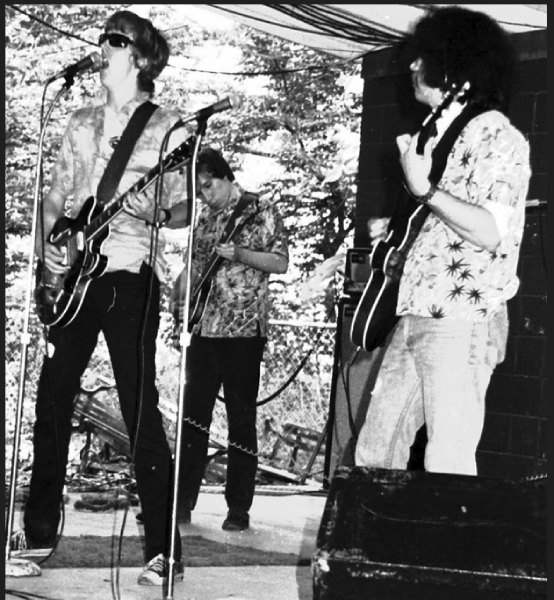
Joint Chiefs of Staff at their first show, the Suburban Guerrilla Pop Festival, July 4, 1979. From left: Dave Fulton, Mark Gaines, and Steve Grigdesby. Gary Fryar is not pictured.
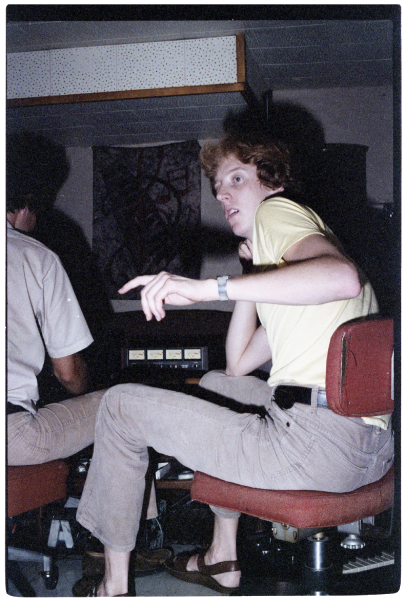
Dave Fulton mixing at Zounds with Brad Garton, 1981.
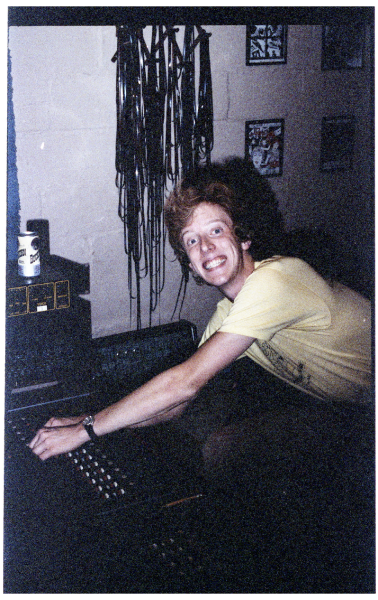
Dave Fulton at the mixing board at Zounds Studio, 1981. Tape loops hang on the wall behind him, tools he used before digital sampling. Beside the equipment sits Buckhorn Beer, which Fulton remembers as the band’s unofficial beer because it was the cheapest they could find.
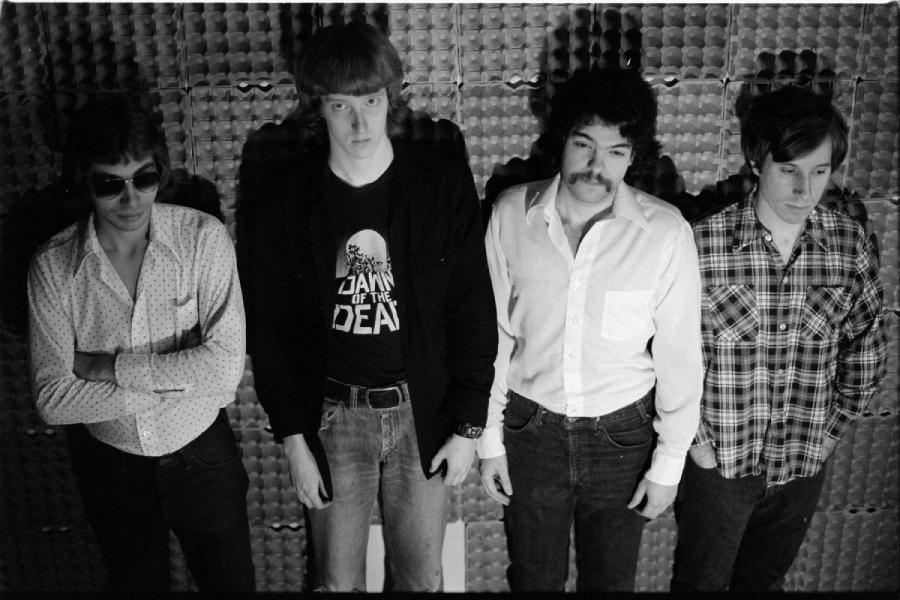
Joint Chiefs of Staff, 1979. From left: Gary Fryar, Dave Fulton, Steve Grigdesby, and Mark Gaines.
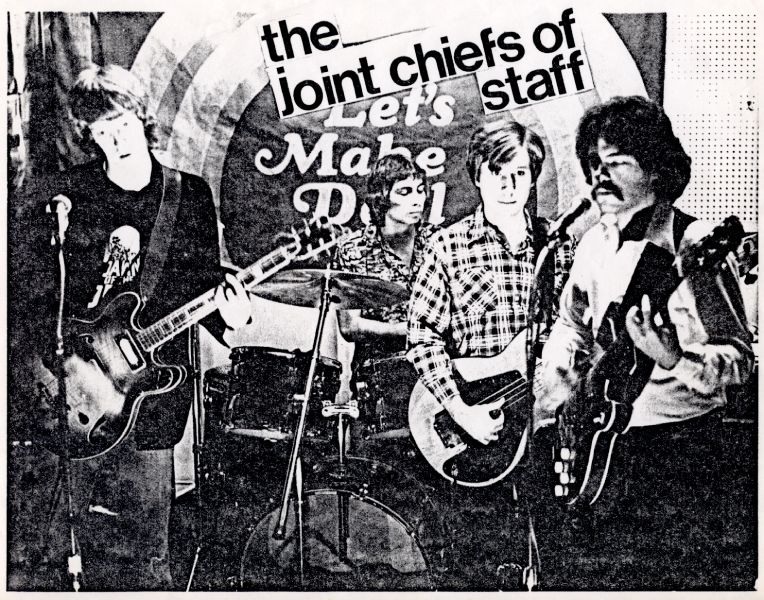
Joint Chiefs of Staff promotional image, 1979. From left: Dave Fulton, Gary Fryar, Mark Gaines, and Steve Grigdesby.
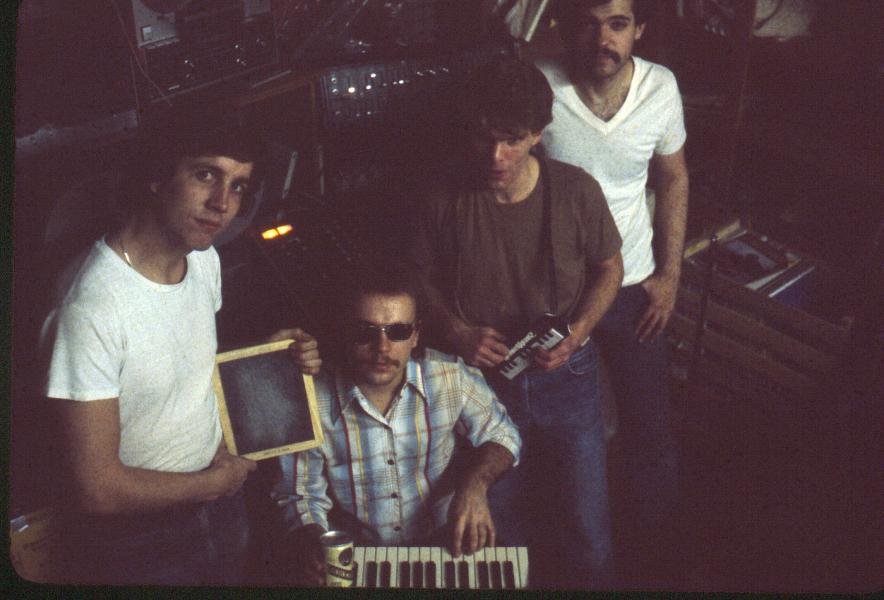
Last Four (4) Digits. From left: John Koss, Mike Sheets, Richard Worth, and Steve Grigdesby. Dave Fulton, who mixed sound, played synth, and sang from the back of the room during performances, is not pictured.
Last Four (5) Digits: Dave Fulton, center. Other members, from left to right: Brad “Mr. Science” Garton, Mike Sheets, John Koss, and Julie Huffaker.
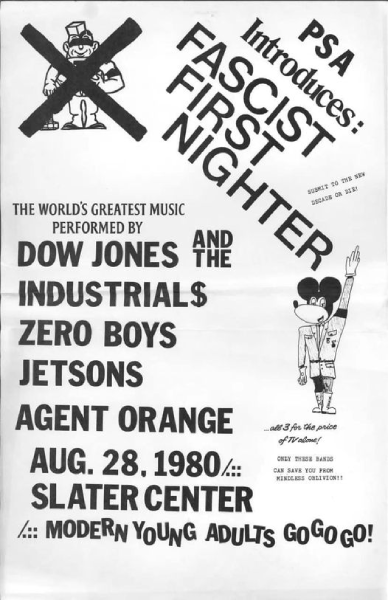
Flyer for “Fascist First Nighter” at Slater Center, August 28, 1980, featuring Dow Jones and the Industrials, Zero Boys, Jetsons, and Agent Orange—the early name of the band that became Last Four Digits.
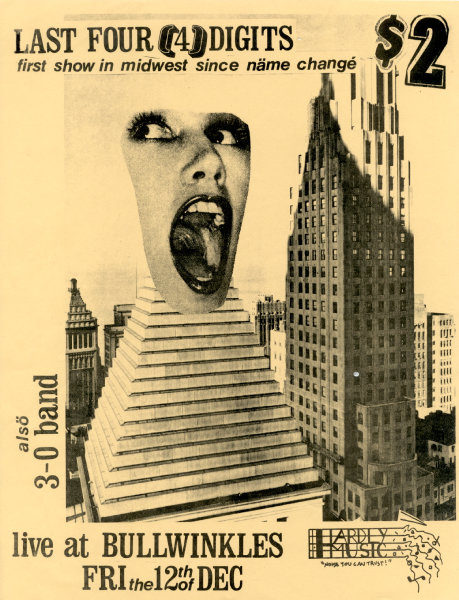
Flyer advertising Last Four (4) Digits and the 3-O Band at Bullwinkles on Friday, December 12, with $2 admission. Billed as Last Four (4) Digits’ first Midwest show since their name change.

Last Four Digits celebrates a record release at State Street Pub in Indianapolis, August 19, 2017. The flyer also advertises Dirtbike and door prizes.
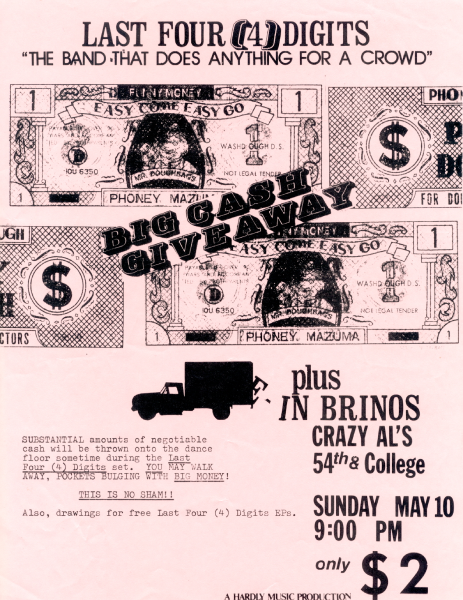
Flyer for Last Four (4) Digits’ “Big Cash Giveaway” with E-in Brinos at Crazy Al’s, 54th and College, on Sunday, May 10. The show advertised $2 admission and drawings for free Last Four (4) Digits EPs.
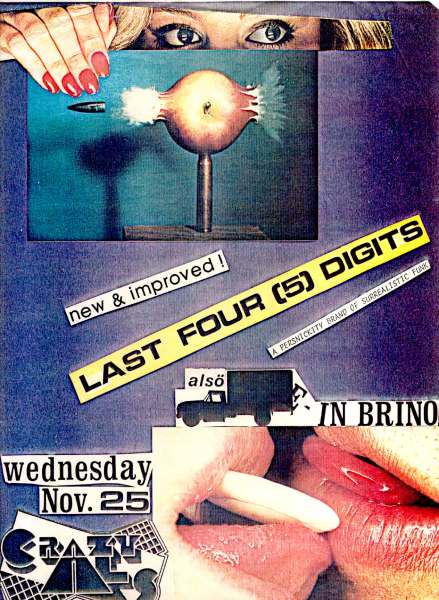
Flyer advertising the “new & improved” Last Four (5) Digits with E-in Brino at Crazy Al’s on Wednesday, November 25.
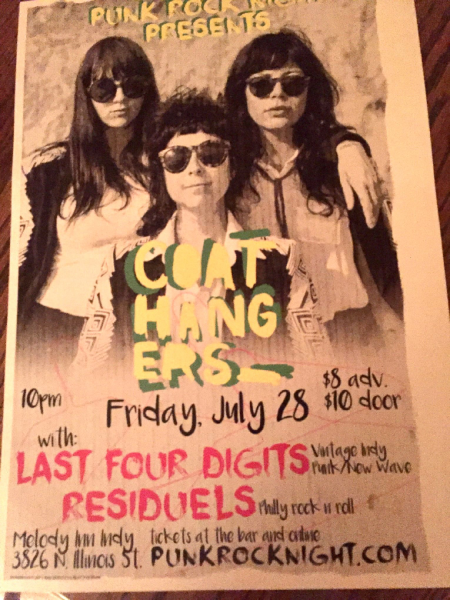
Last Four Digits shares the bill with the Coathangers and the Residuels in this Punk Rock Night flyer for the Melody Inn in Indianapolis, Friday, July 28. The band is billed as “Vintage Indy Punk/New Wave.”
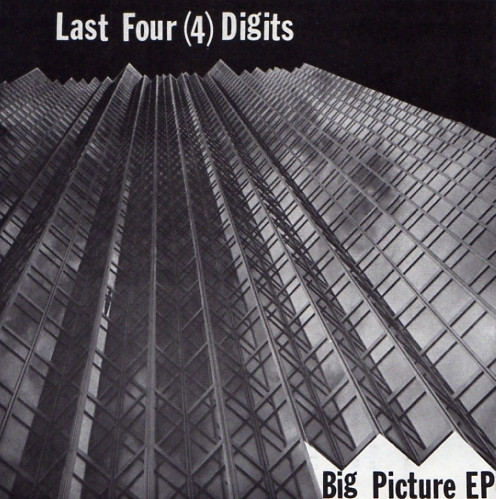
Cover of the Big Picture EP by Last Four (4) Digits, released in 1981 on Hardly Music, the independent label Dave Fulton co-founded.
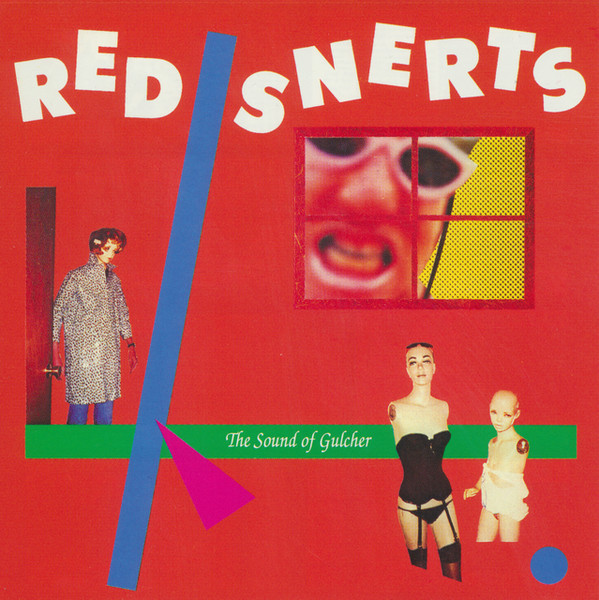
Red Snerts: The Sound of Gulcher (1981). Dave Fulton contributed as A. Xax and with Last Four (4) Digits. He also recalls producing the compilation’s tracks by Amoebas in Chaos, A. Xax, E-In Brino, Phil Hundley, and Last Four (4) Digits in the back room of Second Time Around Records in Indianapolis.
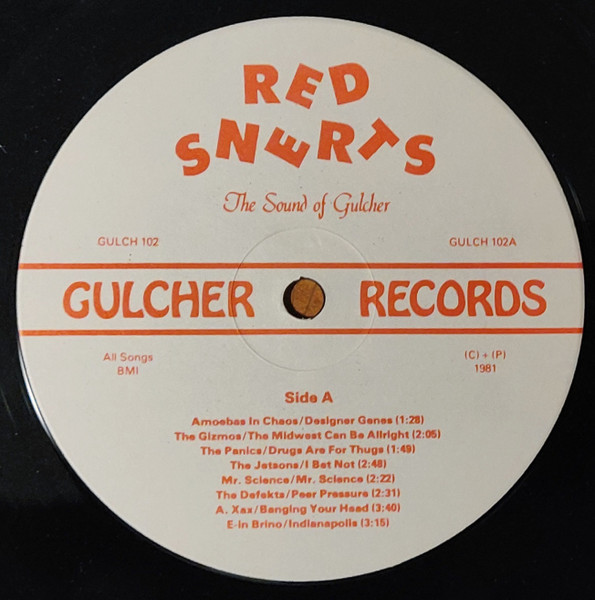
Side A label of Red Snerts: The Sound of Gulcher (1981), listing Dave Fulton’s A. Xax recording “Banging Your Head” and Amoebas in Chaos’s “Designer Genes.” Fulton produced “Designer Genes” at Defoliant Sound, the studio he operated with Steve Grigdesby.
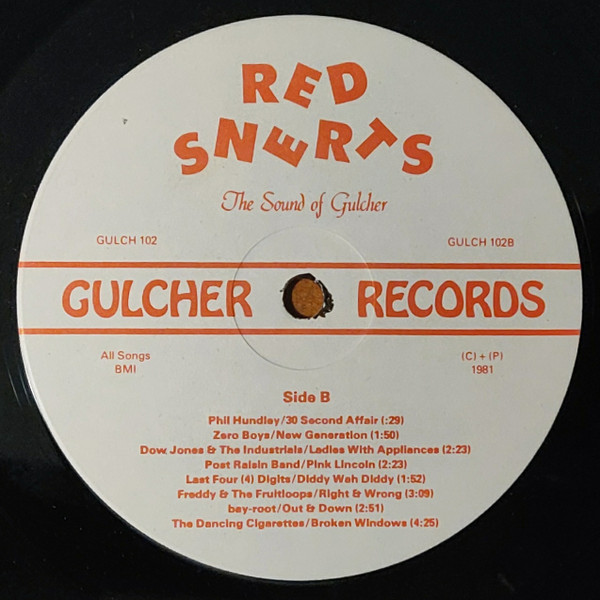
Side B label of Red Snerts: The Sound of Gulcher (1981), listing “Diddy Wah Diddy” by Last Four (4) Digits alongside tracks by Zero Boys, Dow Jones and the Industrials, and other Indiana artists.
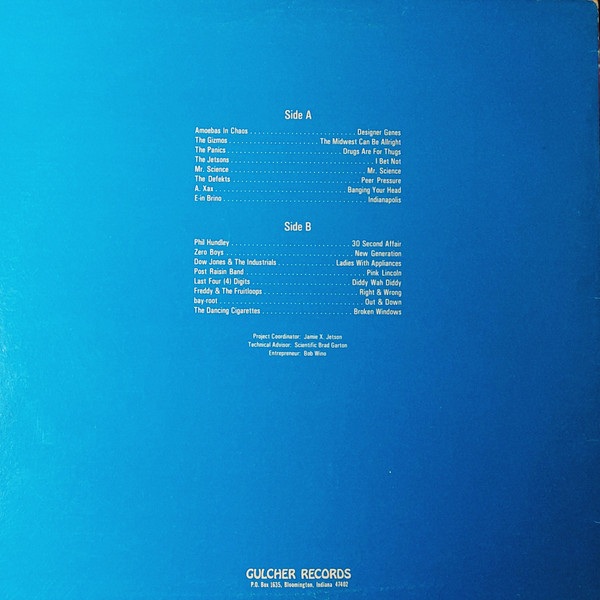
Back cover of Red Snerts: The Sound of Gulcher (1981), with track listings for the compilation featuring Dave Fulton as A. Xax and with Last Four (4) Digits.
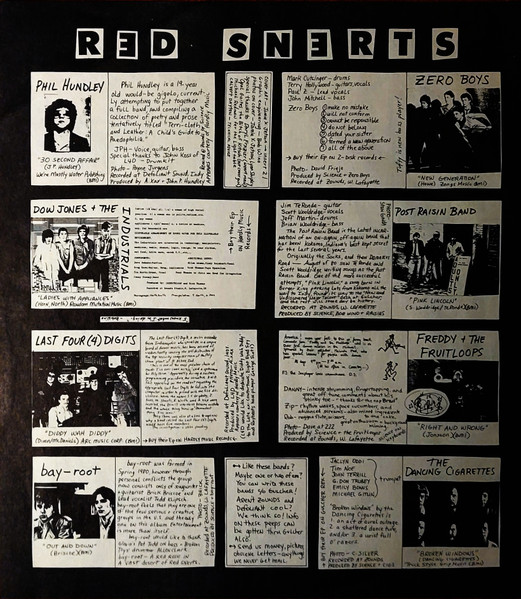
Liner-note sheet from Red Snerts: The Sound of Gulcher (1981), featuring photographs and artist profiles, including Last Four (4) Digits and their recording of “Diddy Wah Diddy.”
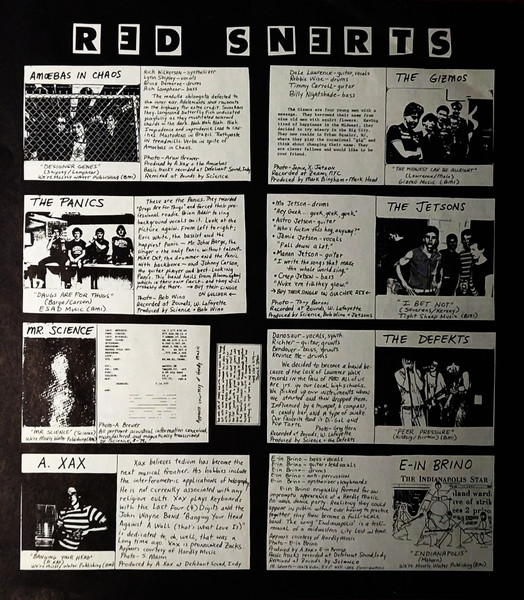
Liner-note sheet from Red Snerts: The Sound of Gulcher (1981), featuring Dave Fulton’s A. Xax project and Rick Wilkerson’s band Amoebas in Chaos alongside other Indiana punk and new wave artists.
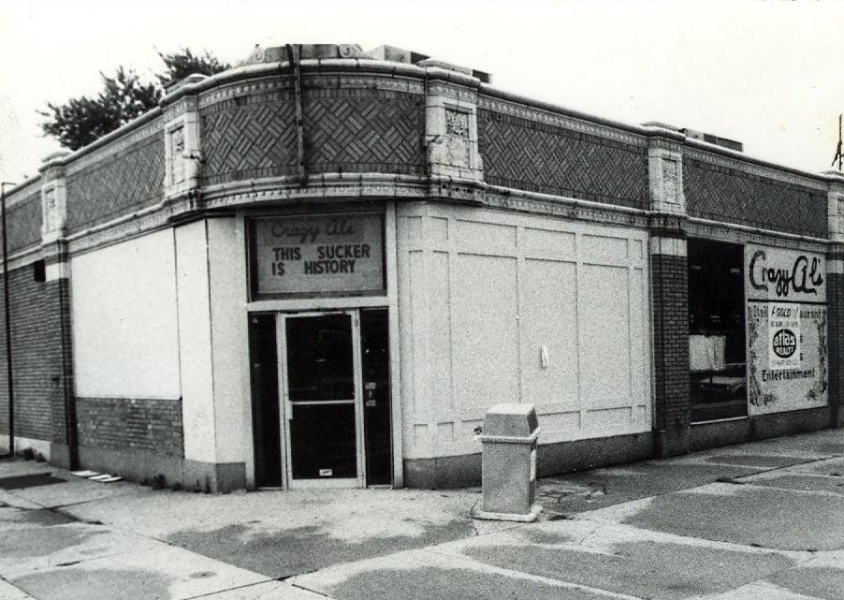
Crazy Al’s, an Indianapolis venue for punk and new wave in the early 1980s, helped nurture the scene that included Last Four Digits. The building later became home to the Jazz Kitchen.
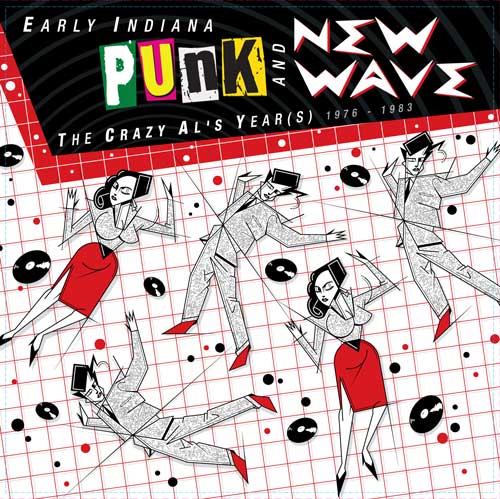
Cover of Early Indiana Punk and New Wave: The Crazy Al’s Year(s), 1976–1983, produced by Rick Wilkerson and released in 2014. Dave Fulton helped locate bands, flyers, and recordings and created a promotional video supporting the compilation’s fundraiser and presale.
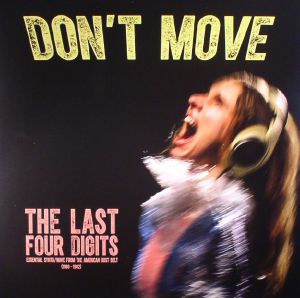
Cover of Don’t Move, the 2017 TimeChange Records retrospective featuring recordings by Last Four (4) Digits and Last Four (5) Digits.
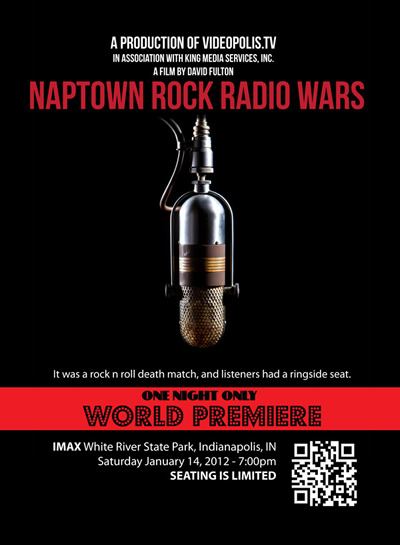
World premiere poster for Dave Fulton’s documentary Naptown Rock Radio Wars, advertising a screening at the IMAX at White River State Park in Indianapolis on January 14, 2012.
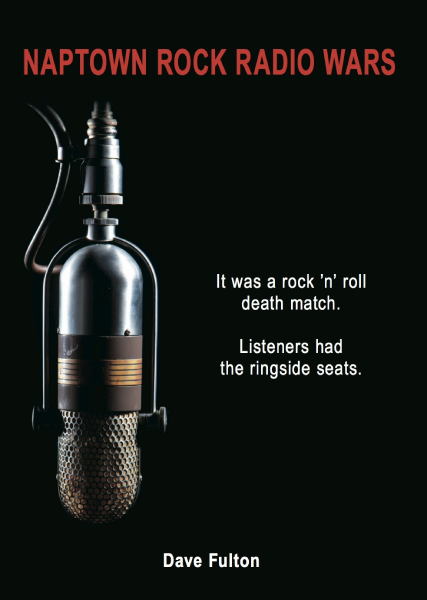
Front cover of Dave Fulton’s Naptown Rock Radio Wars, the companion book to his documentary about Indianapolis rock radio, featuring historical images used in the film.
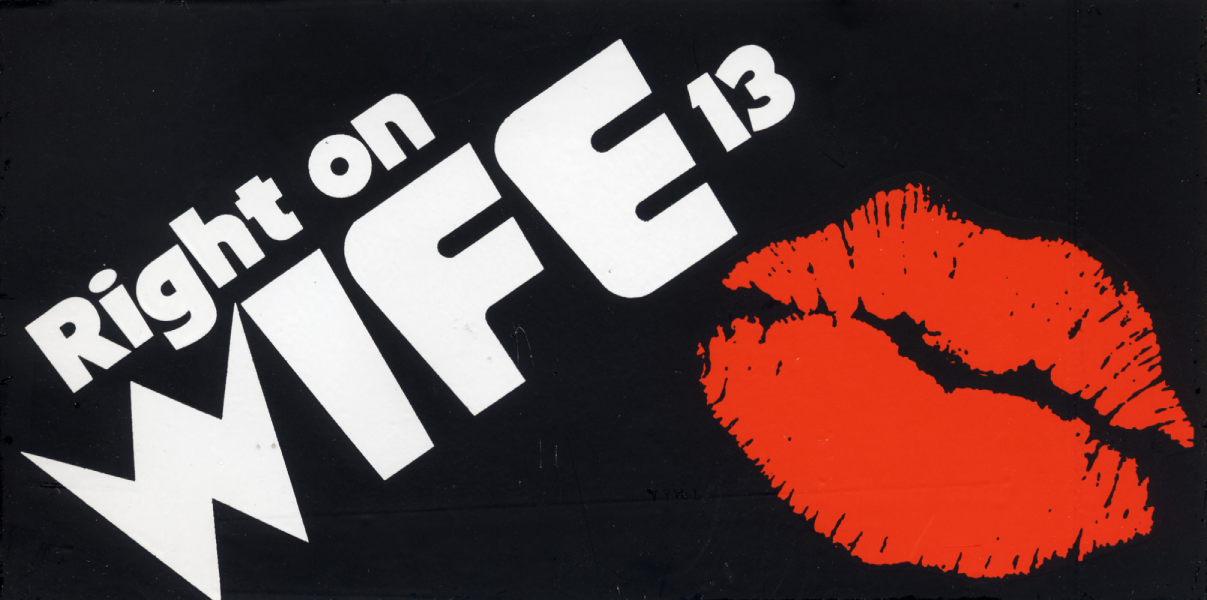
“Right on WIFE 13” promotional graphic, representing the Indianapolis radio landscape explored in Dave Fulton’s documentary Naptown Rock Radio Wars.
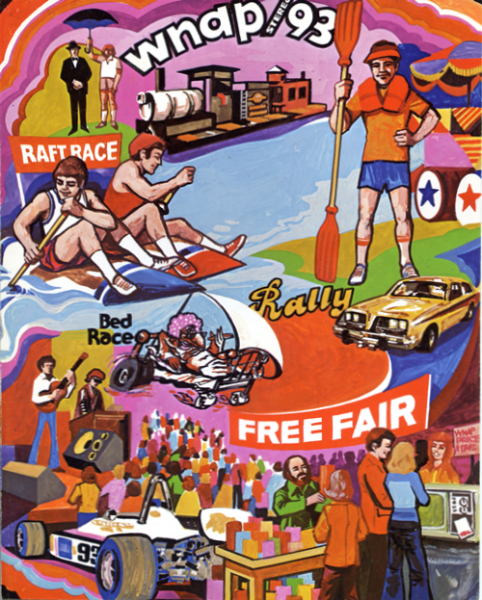
Colorful WNAP 93 promotional artwork featuring a raft race, bed race, rally, and free fair. WNAP’s role in Indianapolis radio history is a central subject of Dave Fulton’s documentary Naptown Rock Radio Wars.
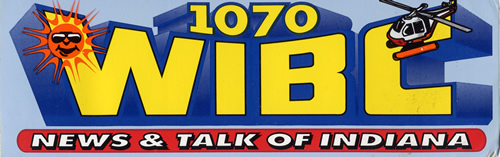
1070 WIBC promotional graphic. Dave Fulton discusses WIBC and the emergence of its FM sister station, WNAP, in his documentary Naptown Rock Radio Wars.
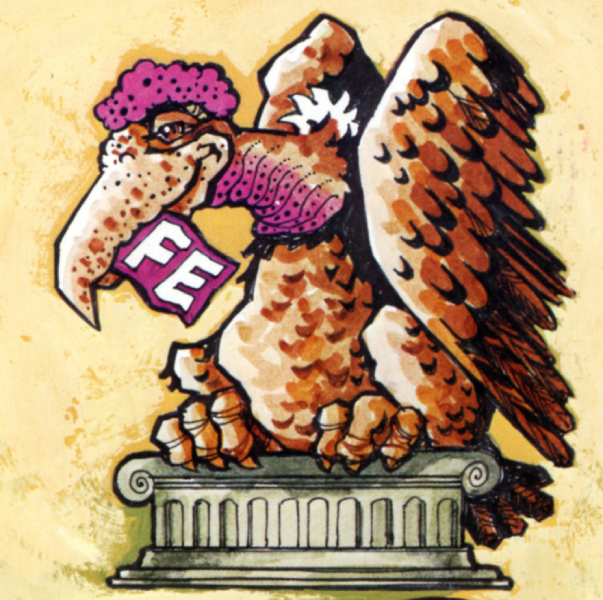
WNAP’s Buzzard takes a bite out of rival station WIFE’s name, illustrating the Indianapolis radio competition explored in Dave Fulton’s Naptown Rock Radio Wars.
Preserving Indiana’s Music History
The Indiana Music History Project is made possible through the generous support of the Allen Whitehill Clowes Charitable Foundation. Their commitment to preserving Indiana’s rich musical heritage helps ensure these oral histories remain accessible for future generations.

Help Improve This Archive
Have additional information about this artist, story, or any of the photographs? If you can identify people, dates, locations, or have memories you’d like to share, we’d love to hear from you. Please use the button below and select “Submit Historical Information or Corrections” as the reason for your message.