
Frank Dean Oral History

Frank Dean is an Indiana musician, songwriter, guitarist, bandleader, and longtime owner of Frank’s Guitars in Franklin. Raised in Appalachia in Logan County, West Virginia, Dean has spent his career moving among country, rock, R&B, blues, bluegrass, gospel, and the roots-oriented sound that later became widely known as Americana.
As a founding member of Sindacato, Dean worked alongside core bandmates Gary Wasson, Jon Martin, and Carl LoSasso. The group recorded six albums and developed a reputation as an original regional act capable of performing with artists from several musical traditions. Dean recalls that Sindacato opened for or shared engagements with 63 major acts, including Merle Haggard, George Jones, Willie Nelson, Emmylou Harris, Lucinda Williams, Buddy Guy, Isaac Hayes, Marty Stuart, Travis Tritt, Hank Williams Jr., Todd Rundgren, and Junior Brown.
Part of the Amazing Indiana Music Stories series, this oral history was produced with support from the Allen Whitehill Clowes Charitable Foundation. Dean discusses his musical influences, decades of performing and recording, songwriting process, life with Sindacato, love of guitars, and belief in preserving the stories of Indiana musicians whose contributions might otherwise be overlooked. This page includes an Interview Highlight, the Complete Interview, an expanded Biography, and an Image Gallery documenting his career.
Interview Highlight
In this Amazing Indiana Music Story highlight, Frank Dean describes the wide range of music he has explored throughout his career. Although he initially looked toward country music as a songwriter during the 1970s, his influences also included Ray Charles, The Beatles, The Rolling Stones, The Byrds, Frank Sinatra, Johnny Mathis, and Willie Nelson. That breadth encouraged him to make rock, country, R&B, blues, bluegrass, and even gospel recordings rather than remain confined to one style.
Dean also recounts an unexpected conversation with actress Meryl Streep that transformed his approach to songwriting. After meeting Streep through the owner of a guitar shop where he worked, Dean asked her to explain method acting. Her description of imagining the smallest details of a character’s life—from the appearance of the breakfast table to the kind of cup the character might use—inspired Dean to apply a similar process to the people in his songs. By understanding his characters beyond the words appearing in the lyrics, he believed he could make them feel more truthful and complete.
Complete Interview
In this Complete Interview, Frank Dean traces a musical life shaped by an early fascination with guitars, a desire to write songs, and a refusal to remain within the boundaries of a single genre. He discusses growing up in Appalachia, playing his first dance while still in grade school, performing in bars before he was legally old enough to be in them, and seeking opportunities to pitch his songs during the 1970s.
Dean recalls the development of Sindacato and the shared artistic philosophy that united him with Gary Wasson, Jon Martin, and Carl LoSasso. The musicians valued creative independence over the pursuit of a commercial hit, allowing the band to move among country, rock, blues, R&B, bluegrass, and Americana. That versatility helped Sindacato become a sought-after opening act for major touring performers from several musical traditions.
The conversation also explores Dean’s songwriting process, including the dream that produced “Mr. Lincoln’s Train,” his habit of listening to conversations in diners for story ideas, and the influence of Meryl Streep’s explanation of method acting. Dean discusses his extensive guitar collection, his work in guitar stores, the musicians and venue owners who encouraged him, and the importance of giving young performers honest guidance.
Throughout the interview, Dean reflects on the changing realities of the music business and the decline of venues devoted to live performance. He also emphasizes the importance of documenting Indiana musicians whose work may not have received widespread publicity. For Dean, preserving those stories means recognizing not only prominent performers but also the instrumentalists, engineers, producers, club owners, and regional artists who sustained Indiana’s music communities.
Biography
Frank Dean grew up in Logan County, West Virginia, in the Appalachian region that would later provide an important source of characters, stories, musical traditions, and social concerns for his songwriting. His influences eventually extended across country, rock and roll, blues, R&B, bluegrass, gospel, pop, and traditional vocal music.
Dean remembers becoming fascinated with guitars at about three years old. An uncle owned a guitar and allowed him to touch its strings, an experience Dean recalls as something almost magical. His attachment to the instrument continued throughout his life, eventually leading him to become a performer, collector, music-store owner, and mentor to other guitarists.
He played his first dance around the sixth grade at a girl’s birthday party held in a garage. The experience revealed another dimension of performing: a guitar and a rock-and-roll song could get people dancing. By his teenage years, Dean was playing in bars before he was legally old enough to enter them and looking for opportunities to pitch his original songs.
During the 1970s, Dean believed that some of the strongest contemporary songwriting could be found in country music, so he initially pursued that field. His listening habits, however, were never limited to country. He cites artists including Ray Charles, The Beatles, The Rolling Stones, The Byrds, Frank Sinatra, Johnny Mathis, and Willie Nelson among the performers who informed his musical outlook.
Rather than make the same kind of record repeatedly, Dean treated each project as an opportunity to explore another musical form. He recorded rock-and-roll, country, R&B, blues, bluegrass, gospel, and Americana-oriented material. He estimated during his Indiana Music History Project interview that he had completed twelve albums across his different projects.
The Snake Handlers Blues Band gave Dean an outlet for R&B and blues. According to Dean, one of the group’s recordings was nominated for International Blues Album of the Year. His other projects have included Frank Dean & the Outside Agitators and releases such as Antique Finish, …And Back Again, and the career-spanning compilation Rearview Mirror.
Sindacato became the central and most enduring band of Dean’s recording career. Its core membership consisted of Dean, Gary Wasson, Jon Martin, and Carl LoSasso, with other musicians contributing at different times. Dean wrote most of the group’s material, while the musicians worked collectively on arrangements and performances.
The members shared a determination to make the music they wanted without shaping it around the pursuit of a hit. That independence allowed Sindacato to move comfortably among country, rock, blues, R&B, bluegrass, and the developing country-rock style that would later be widely described as Americana. Dean recalled that the band never formally broke up; its members simply pursued other projects while remaining available to work together again.
At a time when major touring artists sought regional opening acts capable of presenting original roots-oriented music, Sindacato occupied an unusual position in the Midwest. Word spread after engagements with artists such as Merle Haggard and George Jones, leading to further opportunities with performers including Emmylou Harris and Lucinda Williams.
Dean recalls that Sindacato opened for or shared engagements with 63 major acts during an especially active period. His list includes Willie Nelson, Merle Haggard, George Jones, Hank Williams Jr., Marty Stuart, Travis Tritt, Emmylou Harris, Lucinda Williams, Todd Rundgren, Junior Brown, Buddy Guy, and Isaac Hayes. The band’s versatility allowed it to adapt to audiences associated with country, blues, soul, rock, and Americana without abandoning its own material.
Sindacato recorded six albums, beginning with the cassette Appalachian Pipeline, which was later issued on CD. Another project, Logan County, returned directly to the West Virginia region where Dean grew up.
While in Nashville, Dean visited Hatch Show Print and met Jim Sherraden, who was then associated with the historic letterpress shop. After hearing about Logan County, Sherraden offered to create artwork for the project without charging the band. Dean remembered being astonished because Sherraden’s previous album-related projects included work connected with Bruce Springsteen’s Live in New York City and Emmylou Harris’s At the Ryman. The resulting design became part of Sindacato’s visual identity and was also placed on the band’s drumhead.
One of Dean’s favorite original compositions is “Mr. Lincoln’s Train,” written for Jon Martin to sing on Sindacato’s second recording. The song concerns the funeral train that carried Abraham Lincoln’s body after his assassination. Dean recalls dreaming the entire song, waking during the night, and writing its three verses and chorus on a legal pad beside his bed. He returned to sleep without revising it, and the song became one of the pieces listeners most frequently mentioned to the band.
Other songs developed through close observation of everyday life. Dean sometimes visited diners and listened to the conversations taking place around him, recognizing that ordinary speech could reveal characters, conflicts, emotions, and experiences that might become songs. His goal was not simply to reproduce someone’s private life but to transform an individual moment into something other listeners could recognize in their own experiences.
An unusual encounter helped Dean refine that approach. While working at a guitar shop in Brazil, Indiana, owned by Jack Comer, Dean met Comer’s sister-in-law, actress Meryl Streep. During lunch, Dean asked Streep to explain method acting. She described developing a character by imagining details that might never appear directly in a performance, such as what the character’s breakfast table looked like, what kind of cup the person used, and how the person took coffee.
Dean began applying that method to songwriting. He wanted to know the people in his songs beyond the limited information contained in the lyrics, believing that a fuller understanding would allow each character to “ring true.” When asked who most influenced his songwriting, Dean can therefore give the unexpected answer: Meryl Streep.
Dean’s love of guitars also became a business. Frank’s Guitars in Franklin, Indiana, was established in 1986 and has served musicians through instrument sales, service, advice, and conversation. His personal collection has included a guitar signed by Stephen Stills and instruments associated with musicians including Doc Watson and Rodney Crowell.
Dean has also used his experience to encourage developing performers. He hosts a weekly event in Franklin that he describes as a performance stage rather than an ordinary open stage. The distinction reflects his belief that musicians improve through preparation, honest criticism, attention to an audience, and the discipline of treating even an informal appearance as a genuine performance.
His advice to songwriters centers on emotional honesty and connection. Dean encourages writers to move beyond diary-like details unless those details reveal something a broader audience can understand. A song may begin with an individual experience, but he believes it succeeds when listeners can recognize part of their own lives within it.
Dean’s work has often addressed social concerns as well as personal experience. Having grown up around racism in Appalachia, he has written songs expressing his opposition to it. Across his projects, he has returned to characters facing hardship, injustice, addiction, disappointment, and the difficult realities of making a life in music.
The changing music business is another recurring concern. Dean remembers periods when live bands could work several nights each week and when Indianapolis neighborhoods contained numerous clubs presenting music. He contrasts that environment with a contemporary landscape offering fewer dedicated venues and fewer opportunities for local performers to develop through regular work.
Despite those changes, Dean continues to regard music as the defining commitment of his life. He describes a career requiring sacrifice, persistence, resilience, and belief in one’s own work. Commercial success was never guaranteed, but choosing art over money gave Dean and his bandmates experiences and creative freedom they might not otherwise have found.
Dean is equally concerned with the musicians whose achievements have been forgotten or poorly documented. During his interview, he names Indiana performers, instrumentalists, producers, engineers, and venue owners who influenced local music without necessarily receiving broad public recognition. His reflections underscore the importance of preserving not only famous success stories but also the networks of people and places that allow a regional music culture to exist.
Image Gallery
This Image Gallery documents Frank Dean’s career through studio and performance photographs, album covers, concert advertisements, images of his longtime Sindacato bandmates, and artifacts from Frank’s Guitars. The collection also reflects Dean’s work with musicians from Indiana and beyond, his movement among several American musical traditions, and the importance of the guitar throughout his life.
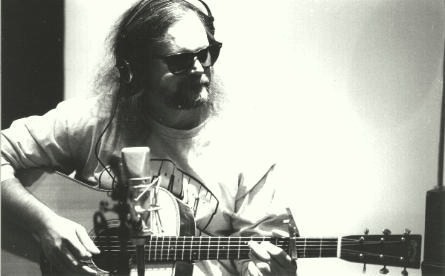
Frank Dean is an Indiana songwriter, guitarist, bandleader, and longtime owner of Frank’s Guitars in Franklin. A founding member of Sindacato, Dean has recorded twelve albums across country, rock, blues, R&B, bluegrass, gospel, and Americana, including six with the band.
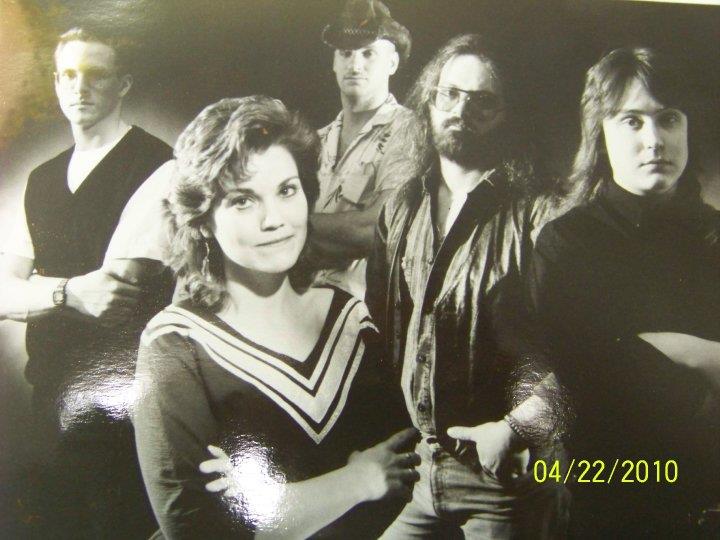
Promotional portrait of Blue DeVille, whose lineup included Shawn Stewart, Andra Faye, Greg Lindholm, Frank Dean, and Jason Schermerhorn.
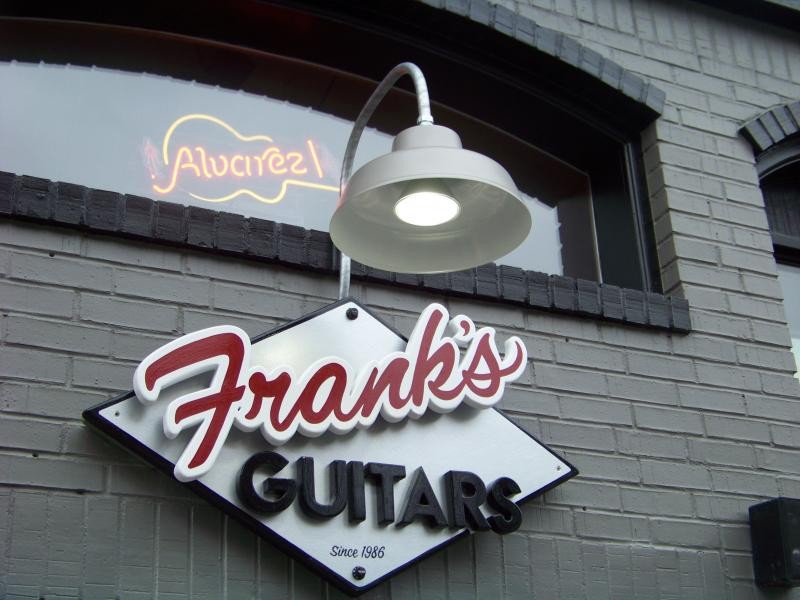
Exterior sign for Frank’s Guitars in Franklin, Indiana, identifying the music store as established in 1986. This also corrects the existing page copy, which says the store dates from the mid-2000s. The sign indicates that Frank’s Guitars has operated since 1986.
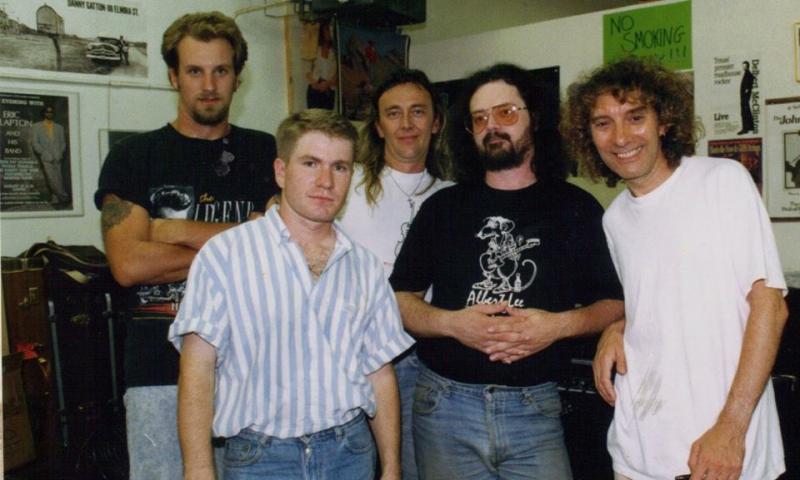
From left: Greg Lindholm, Tim Harr, Jim Venable, Frank Dean, and renowned English guitarist Albert Lee.
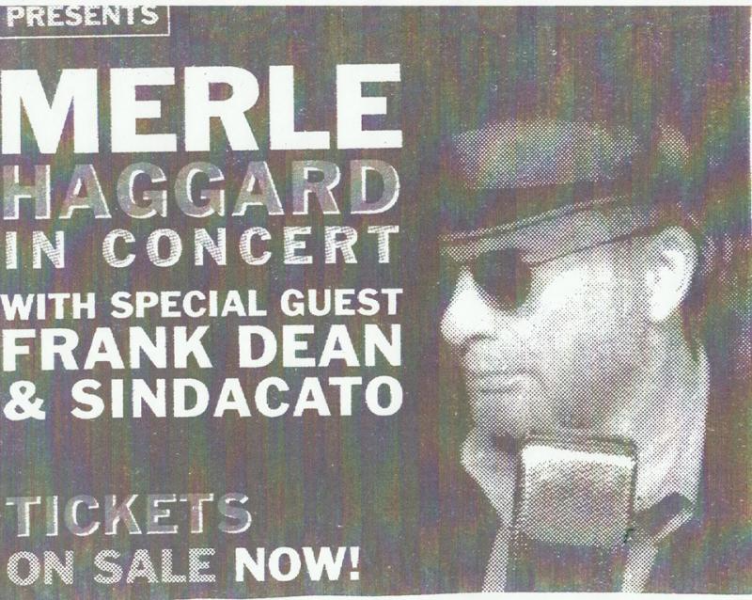
Newspaper advertisement for a Merle Haggard concert featuring Frank Dean & Sindacato as special guests. Dean recalls that the engagement helped build the word-of-mouth reputation that led to the band opening for numerous major touring artists.
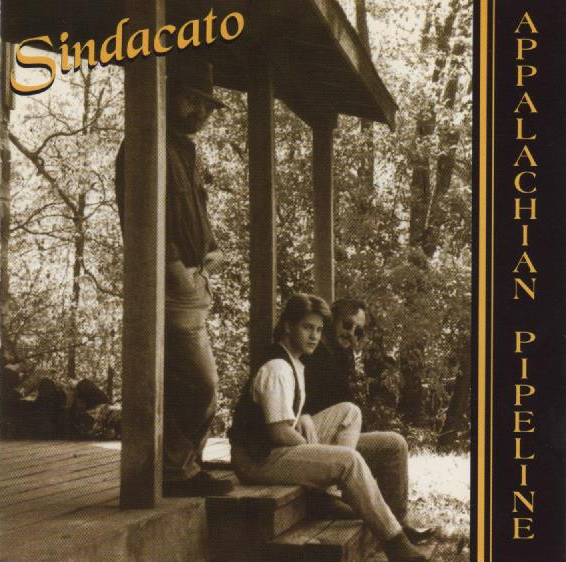
Front cover of Sindacato’s *Appalachian Pipeline*, the band’s first recording. Initially released on cassette, it was later reissued on CD.
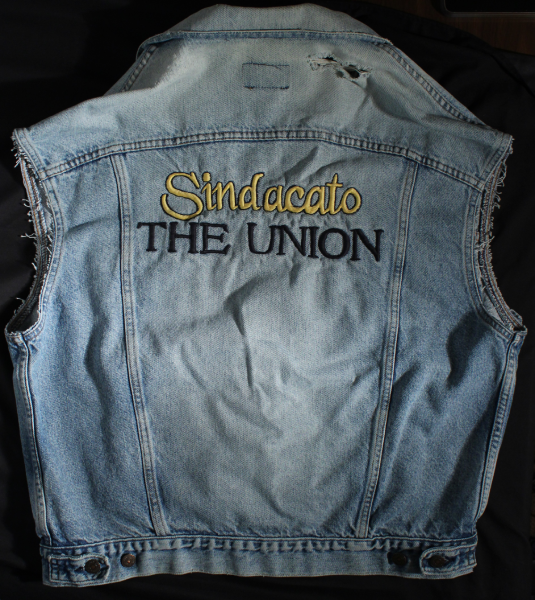
Frank Dean’s sleeveless denim stage jacket, embroidered “Sindacato: The Union.” Dean wore the jacket during the band’s live performances for years.
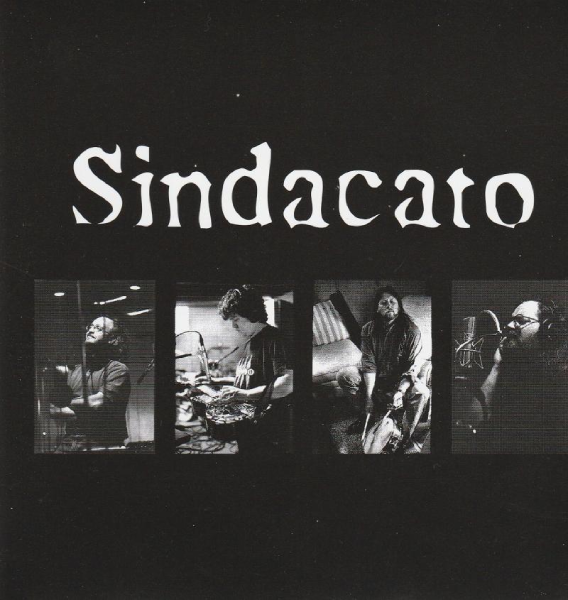
Front cover of Sindacato’s 1998 self-titled album, featuring black-and-white photographs of the four core band members.
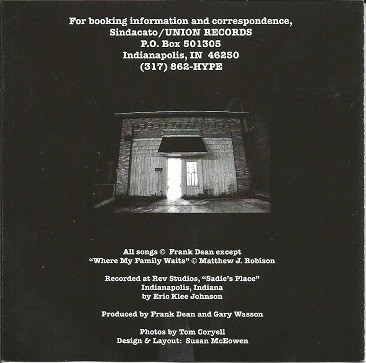
Sindacato – Inside Cover
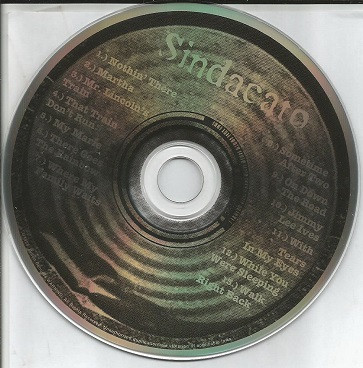
Compact disc for Sindacato’s 1998 self-titled album, featuring the full thirteen-song track list printed across the disc.
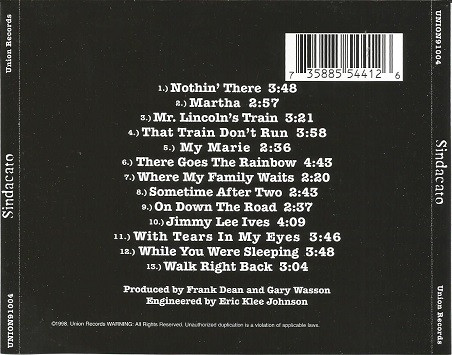
Back cover of Sindacato’s 1998 self-titled album, listing thirteen original songs including “Mr. Lincoln’s Train.” The recording was produced by Frank Dean and Gary Wasson and engineered by Eric Johnson.
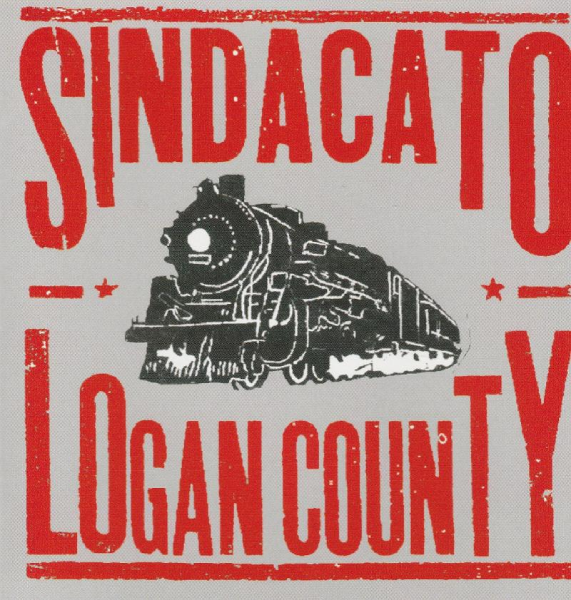
Cover of Sindacato’s *Logan County*, designed by Nashville’s historic Hatch Show Print in its distinctive letterpress style. The album’s title refers to Frank Dean’s home county in West Virginia.
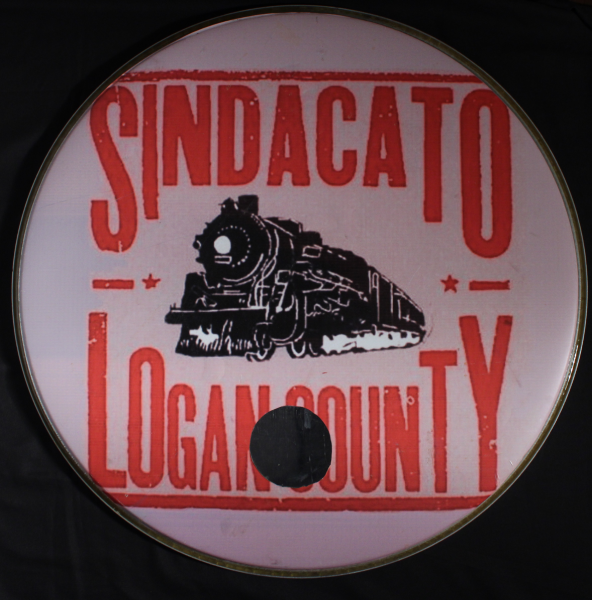
Sindacato bass-drum head featuring the Hatch Show Print design for the album Logan County, named for Frank Dean’s home county in West Virginia. Dean recalls that Hatch manager and master printer Jim Sherraden offered to create the artwork after hearing about the project. Founded in Nashville in 1879, Hatch Show Print is one of America’s oldest working letterpress shops and is renowned for its bold concert posters created with vintage type and hand-carved imagery.
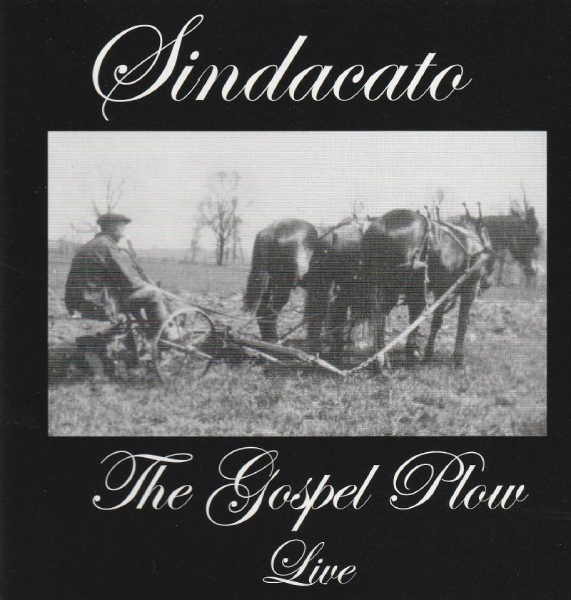
Front cover of Sindacato’s live album *The Gospel Plow*. Dean explains that although he is agnostic, he wanted to explore gospel as another important American musical tradition the band had not previously recorded.
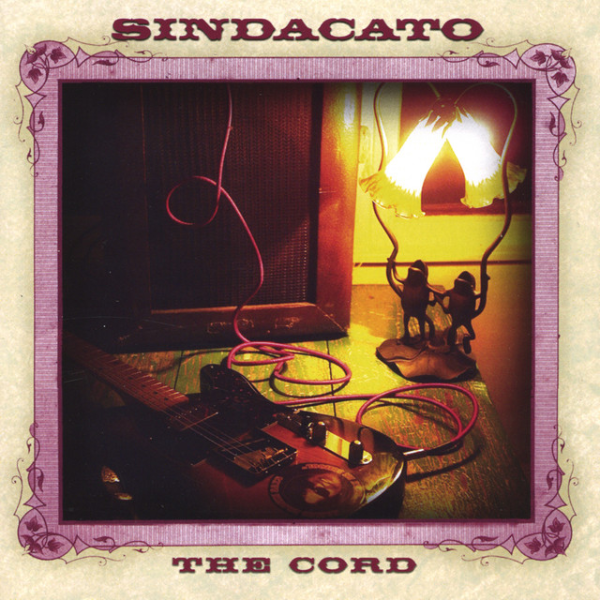
Front cover of Sindacato’s *The Cord*, featuring an electric guitar and coiled instrument cable in a warmly lit room.
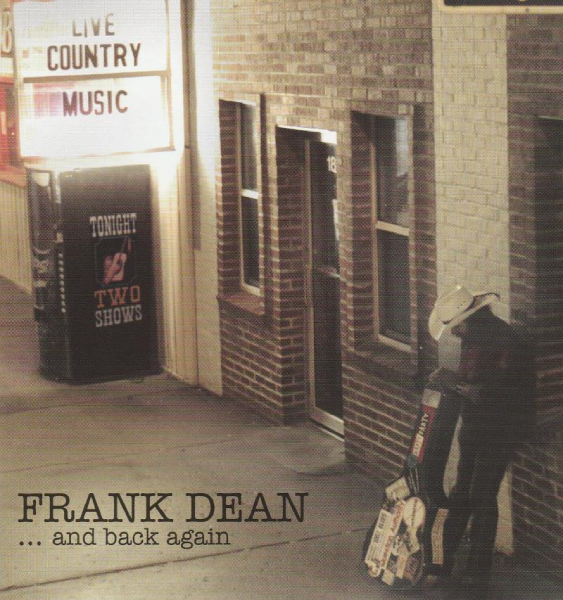
Front cover of Frank Dean’s album *…And Back Again*, featuring Dean carrying a guitar beneath a marquee advertising live country music.
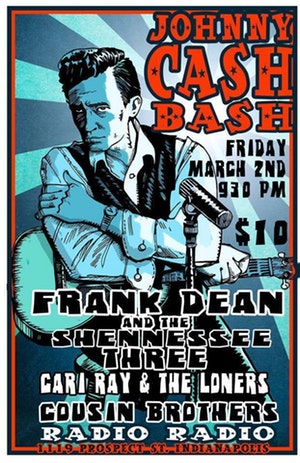
Poster for the Johnny Cash Bash at Radio Radio in Indianapolis, featuring Frank Dean and the Shennessee Three, Cari Ray & the Loners, and Cousin Brothers.
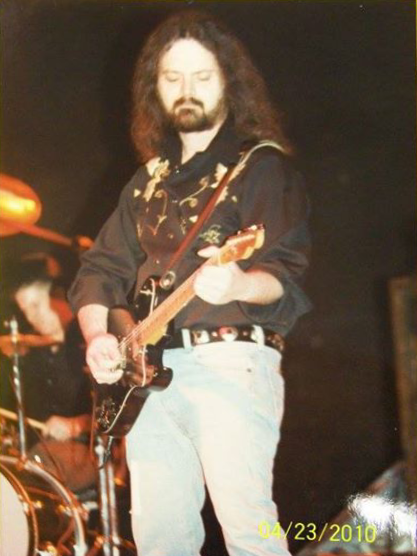
Frank Dean performing on electric guitar in 2010.
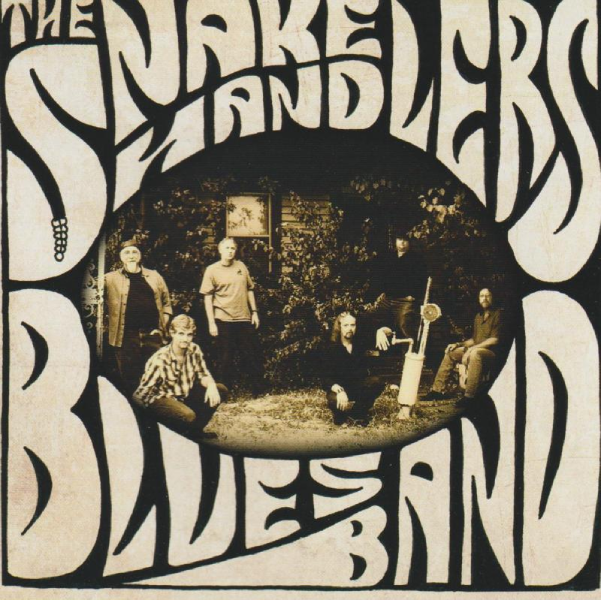
Frank Dean and the Snake Handlers Blues Band, whose album was nominated for International Blues Album of the Year.
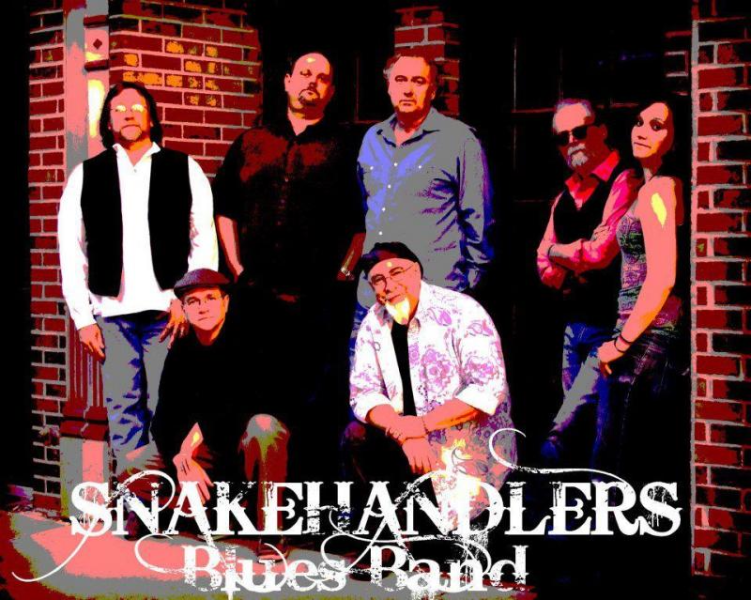
Promotional photograph of the Snakehandlers Blues Band, Frank Dean’s R&B and blues project. Dean recalls that one of the group’s albums was nominated for International Blues Album of the Year.
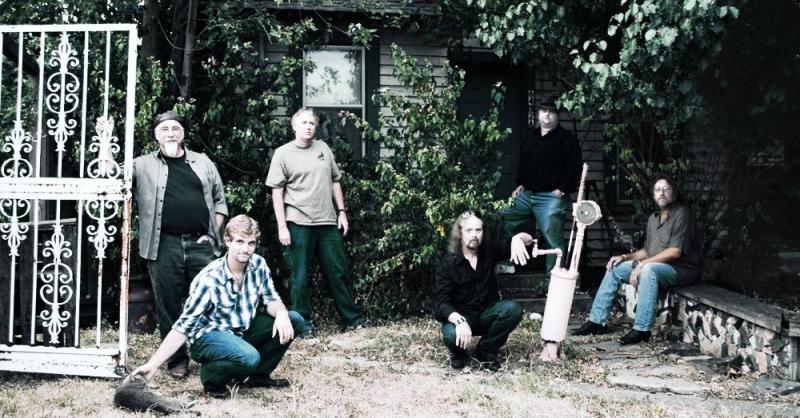
The Snakehandlers gathered for a promotional photograph, with Frank Dean kneeling at center.
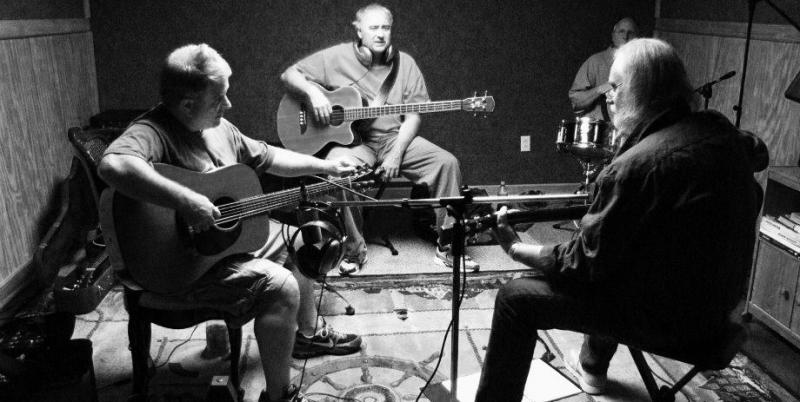
Frank Dean, at right, recording with fellow musicians during the sessions for “Antique Finish” by Frank Dean & the Outside Agitators.
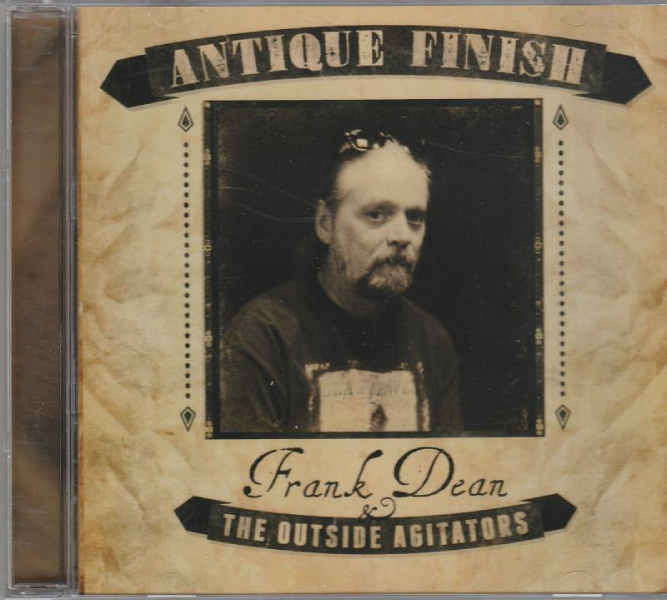
Front cover of “Antique Finish” by Frank Dean & the Outside Agitators.
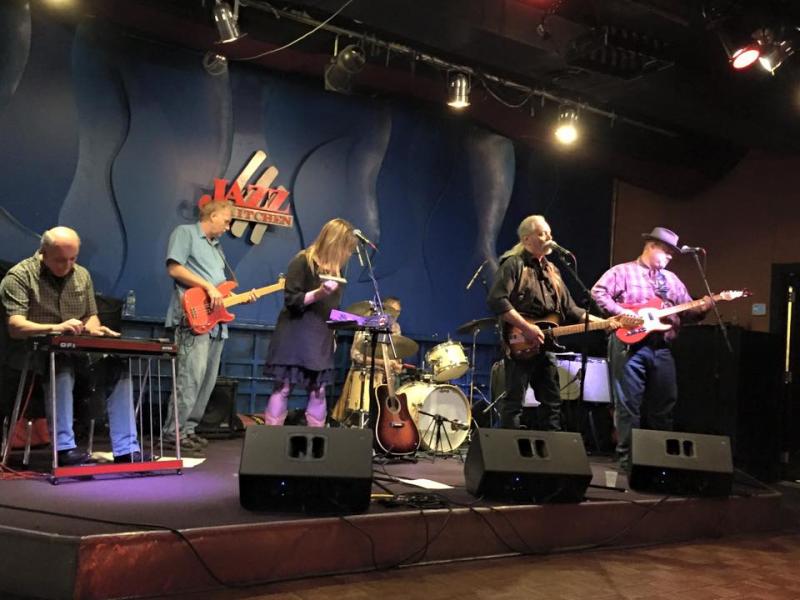
Sindacato performing with an expanded lineup at The Jazz Kitchen in Indianapolis. Frank Dean is pictured second from right on electric guitar and vocals.
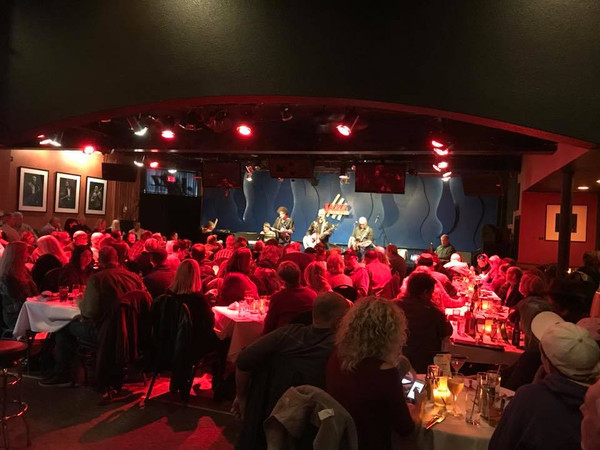
Sindacato performing before a full audience at The Jazz Kitchen in Indianapolis.
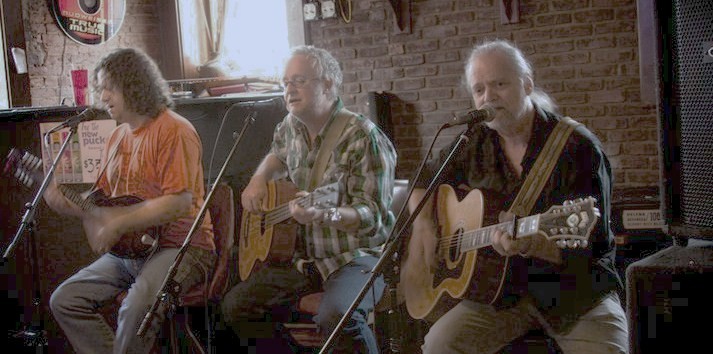
Frank Dean performing in an acoustic trio with fellow Sindacato members Jon Martin, left, and Gary Wasson, center.
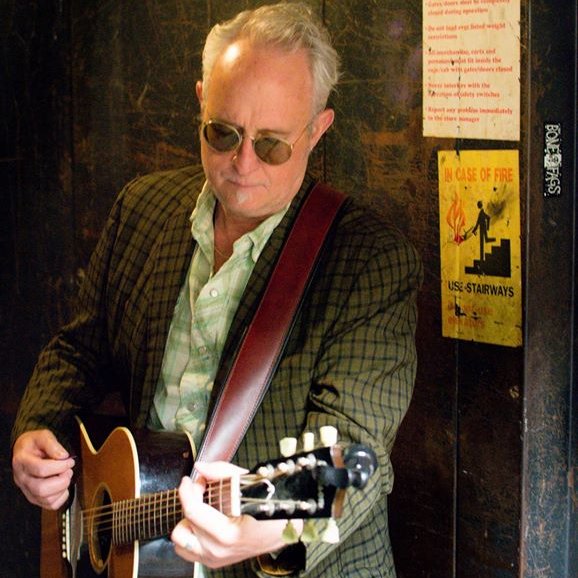
Guitarist Gary Wasson, one of Frank Dean’s longtime bandmates and a core member of Sindacato.
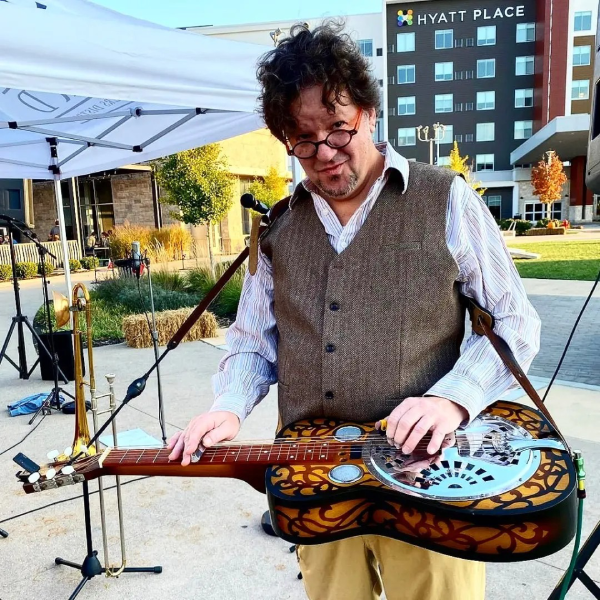
Jon Martin playing a decorated resonator guitar during an outdoor downtown performance. A core member of Sindacato, Martin also plays mandolin, guitar, dobro, and banjo.
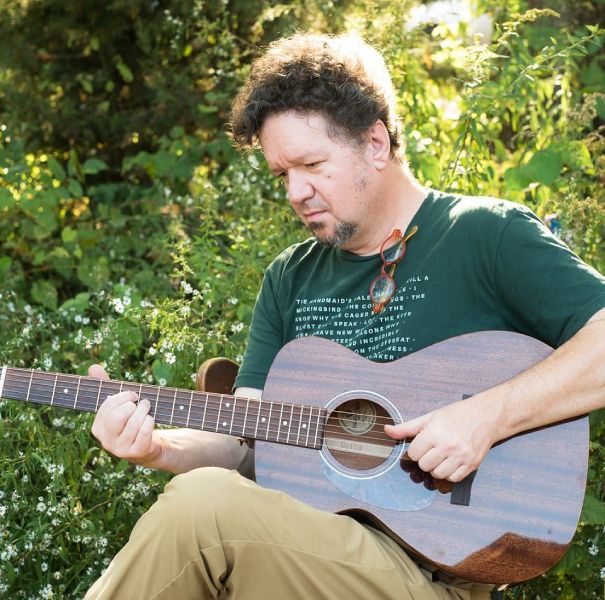
Sindacato multi-instrumentalist Jon Martin playing acoustic guitar outdoors.
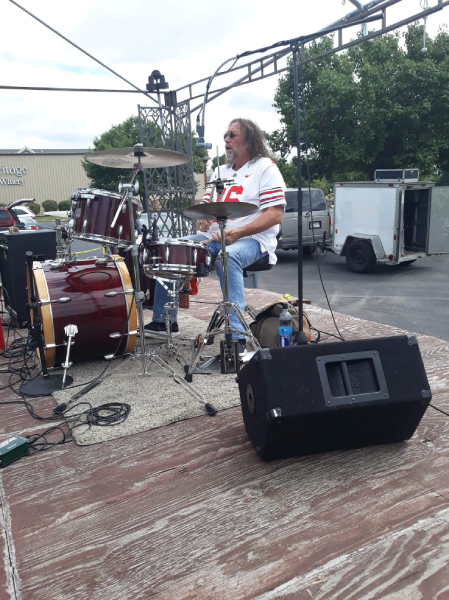
Drummer Carl LoSasso, one of Sindacato’s four core members, performing on an outdoor stage.
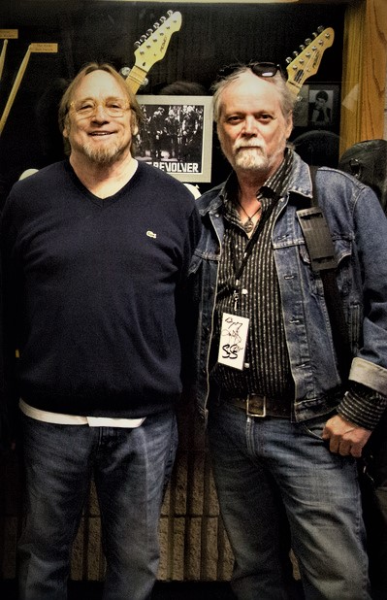
Stephen Stills with Frank Dean in Merrillville, Indiana. Dean recalled that Stills signed one of the guitars in his personal collection.
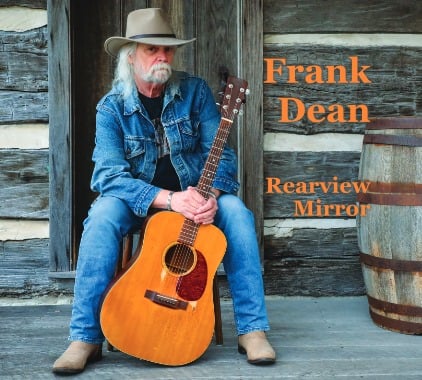
Front cover of Frank Dean’s *Rearview Mirror*, featuring Dean with an acoustic guitar outside a historic log building. The album looks back across three decades of his recordings.
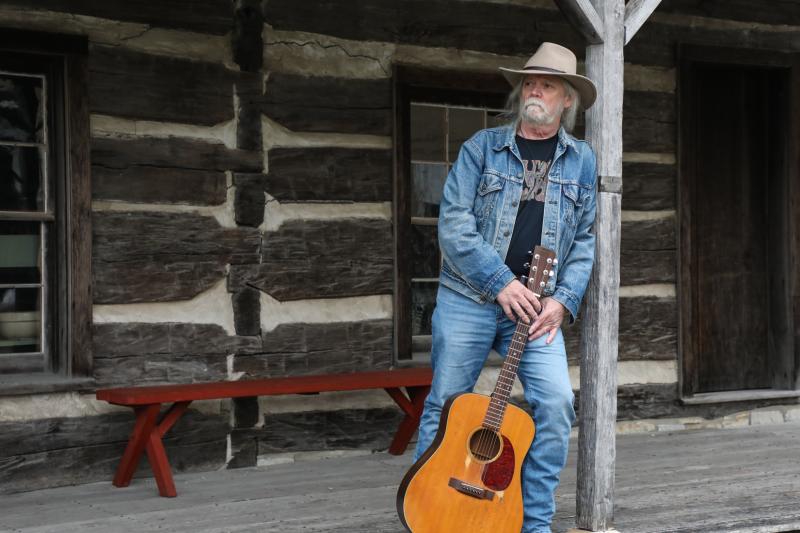
Promotional photograph for Review Mirror, featuring Frank Dean with an acoustic guitar outside a historic log building.
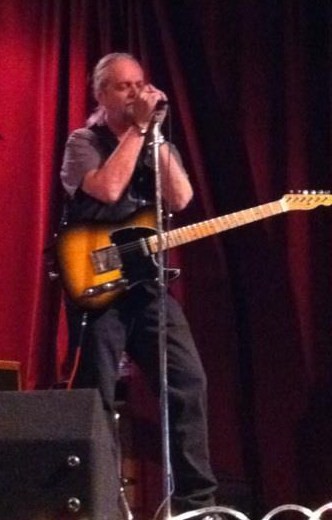
Frank Dean performing at Rey Key Palace.
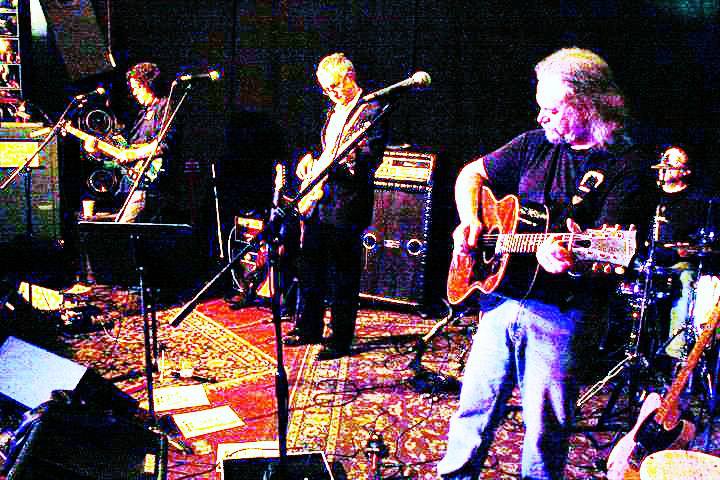
Frank Dean performing onstage with a full band.

Frank Dean playing acoustic guitar during a full-band performance.
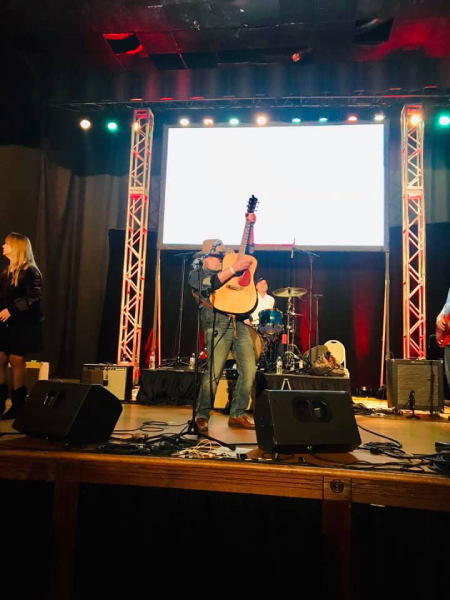
Frank Dean raising his acoustic guitar during a live performance.
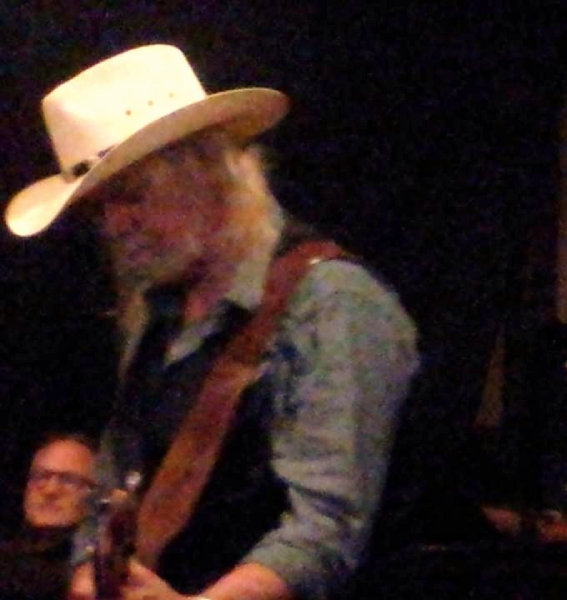
Frank Dean Plays Guitar
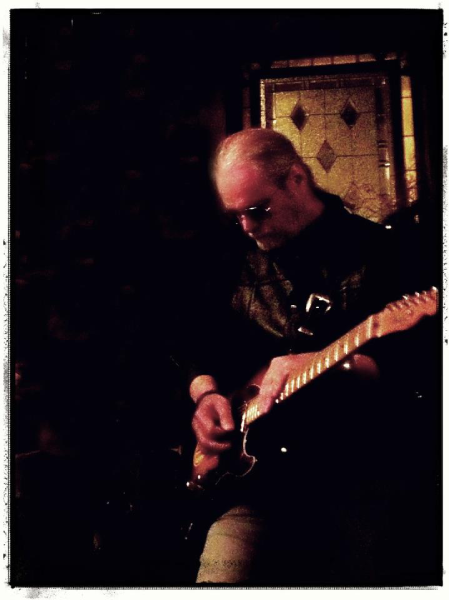
Frank Dean playing electric guitar during a performance.
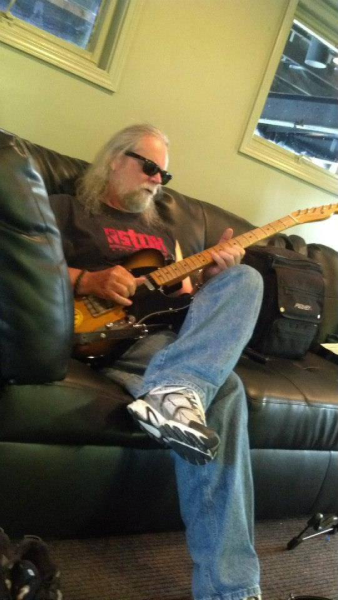
Frank Dean Plays Guitar
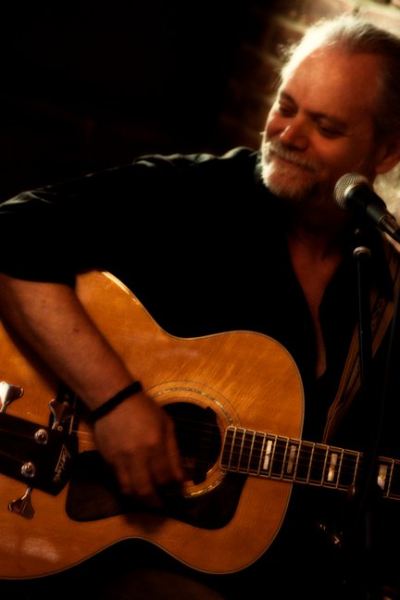
Frank Dean smiling as he plays acoustic guitar during an intimate performance.
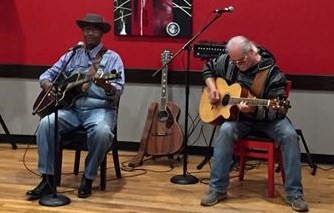
The Preaching Bluesman, Reverend Charlie Edmonds, performing with Frank Dean. A longtime Indiana blues artist, Edmonds received special recognition for his career at the 2017 Fishers Blues Fest.
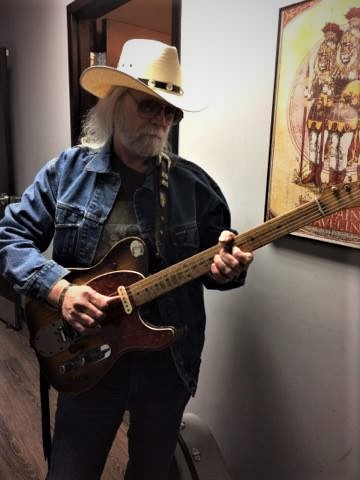
Frank Dean playing an electric guitar.
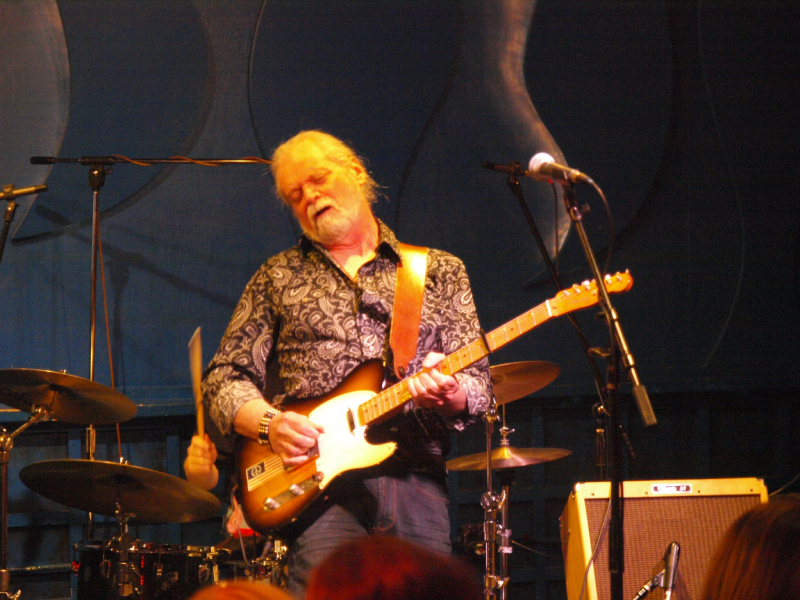
Frank Dean performing with “Clarence,” a 1954 Fender Telecaster formerly owned by Byrds guitarist Clarence White and fitted with an early B-Bender system designed to reproduce the bending sound of a pedal-steel guitar.
Preserving Indiana’s Music History
The Indiana Music History Project is made possible through the generous support of the Allen Whitehill Clowes Charitable Foundation. Their commitment to preserving Indiana’s rich musical heritage helps ensure these oral histories remain accessible for future generations.

Help Improve This Archive
Have additional information about this artist, story, or any of the photographs? If you can identify people, dates, locations, or have memories you’d like to share, we’d love to hear from you. Please use the button below and select “Submit Historical Information or Corrections” as the reason for your message.

