
Geno Shelton Oral History

Geno Shelton, known to Indianapolis audiences as DJ Geno, has built a career connecting people with music and comedy. From radio and club DJ work to presenting nationally known entertainers, his story encompasses four decades in Indianapolis and the relationships behind the shows.
In his Indiana Music History Project oral history, recorded May 30, 2025, at the Indiana Music History Project Museum in Indianapolis, Shelton recalls his beginnings in broadcasting, the support of Indiana Black Expo, and memorable encounters with artists. He also reflects on faith, professional integrity, and his responsibility to the community that embraced him.
Interview Highlight
In this Interview Highlight, Geno Shelton explains how Indiana Black Expo helped him expand into presenting nationally known artists. He shares the personal satisfaction of arranging front-row seats for his mother at a James Brown concert and recalls a memorable Expo bill featuring Mary J. Blige, Al Green, and Rick James. As promoter and emcee, Shelton managed performance schedules and backstage challenges, including a last-minute stage adjustment that helped make an extraordinary Al Green performance possible.
Complete Interview
In this Complete Interview, Shelton traces his journey from childhood in Chicago and rural Michigan to broadcasting at Western Michigan University, radio work in Kalamazoo, and his arrival at WTLC in Indianapolis. He recalls a sold-out Walker Theatre Ballroom party during a snowstorm, his work with Indiana Black Expo, and his expansion into comedy promotion. Alongside stories of James Brown, Mary J. Blige, Al Green, Rick James, and Steve Harvey, he explains why keeping his word, respecting ticket buyers, and giving back have remained central to his career.
Biography
Geno Shelton’s early years took him from Chicago’s Robert Taylor Homes to a farm in Pullman, Michigan. He remembers raising pigs, growing crops, and picking blueberries, a dramatic change from city life. Music connected those different worlds. Radio signals from Chicago reached his family’s home, and his mother’s enthusiasm for James Brown filled his childhood with another lasting influence.
Shelton later learned that his father had worked as a promoter in Chicago. As a child, he had already seen a glimpse of that world when a musical group visited the family farm before a local engagement. His own interest in performing grew through dance. Inspired by Soul Train, he joined a high school dance group and helped assemble recorded music for performances using reel-to-reel tape.
At Western Michigan University, Shelton studied broadcasting and became involved in college radio. After graduation, he found an entrepreneurial way onto the air in Kalamazoo: buying an hour of airtime and selling commercials to pay for it. In his recollection, the response demonstrated an audience for programming that local radio had been overlooking. A larger station eventually picked up his show and expanded it to five days a week.
Shelton moved to Indianapolis in 1985 for an opportunity at WTLC, initially working weekends and filling in for other announcers. As his role grew, he developed a feel for the city’s musical tastes. Listening to his audience helped him recognize opportunities to promote events himself, combining the work of broadcaster, DJ, and promoter.
One early event became a defining memory. In February 1986, Shelton invested his savings in advertising a party at the Walker Theatre Ballroom. A snowstorm arrived that evening, and he drove toward Indiana Avenue fearing that no one would come. Instead, he recalls finding a line a block and a half long and a sold-out room. The turnout encouraged him to keep building his future in Indianapolis.
Indiana Black Expo helped Shelton move into larger concerts. He explains that the organization recognized his local work and supported his efforts to present national talent. One early Summer Celebration lineup brought together the Isley Brothers, Jeffrey Osborne, the Emotions, and Teena Marie. The partnership became an important part of his growth as a promoter.
His work also created opportunities with personal meaning. At a James Brown concert in Kalamazoo, Shelton arranged front-row seats for his mother. After years of hearing how much she loved Brown’s music, he could give her a close-up experience of the performer who had been such a presence in their home.
Another concert tested his ability to keep a complicated production moving. Shelton recalls bringing Mary J. Blige, Al Green, and Rick James together for Indiana Black Expo. He negotiated performance lengths and worked through competing demands for stage space. When the available space threatened to prevent Green from performing, the crew built an additional section during the show. Shelton remembers Green responding with a performance that earned a standing ovation.
Comedy became another major part of his business. The popularity of Def Comedy Jam opened opportunities to present emerging Black comedians, and Shelton took comedy shows to audiences around the Midwest. His interview includes memories of working with Steve Harvey, Chris Tucker, D.L. Hughley, Ricky Smiley, and others. Compared with a full concert production, a comedy show required less equipment, but still depended on careful organization and relationships.
For years, Shelton also continued to work as a club DJ, drawing on his love of records, mixing, and scratching. His events at the Vogue combined that hands-on musical work with promotion and radio. Eventually, he stepped away from club DJ work as equipment and his own interests changed, while continuing his broader career in entertainment.
Shelton founded Praise God Entertainment, described in his supplied biography as the entertainment division of G. Entertainment, an Indianapolis entertainment and marketing company. That biography names work with artists including Stevie Wonder, Babyface, En Vogue, Charlie Wilson, and Mike Epps, reflecting a career spanning music and comedy.
In the interview, Shelton places particular emphasis on trust. He describes feeling responsible to the first person who buys a ticket and being willing to absorb a financial loss rather than disappoint an audience. His advice to others is to protect their reputation, avoid shortcuts, and do the work needed to build something of their own.
In 2025, Shelton marked 40 years in Indianapolis with an anniversary celebration centered on giving back. At the time of the interview, he described supporting local charities and offering affordable ticket options so people on fixed incomes could participate. Promotional materials for the celebration advertised music, comedy, and appearances by radio personalities who had been part of his Indianapolis journey.
Faith, family, and gratitude run through his account. Though he was born elsewhere, Shelton speaks of Indianapolis as home and of entertainment as a way to bring people together. His oral history preserves both the memorable shows and the less visible work of earning an audience’s confidence.
Image Gallery
Explore family photographs, portraits, artist encounters, concert posters, and memorabilia from Geno Shelton’s life in entertainment. From childhood memories to radio colleagues and anniversary celebrations, these images reflect the people and experiences behind DJ Geno’s story.
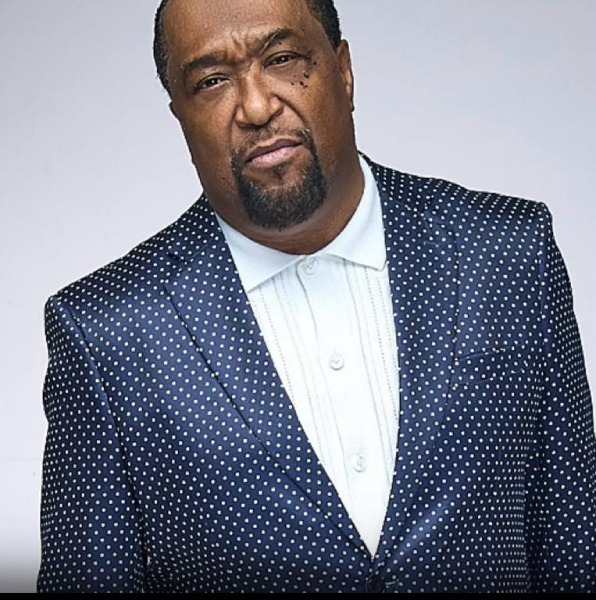
Promotional portrait of Geno Shelton, known professionally as DJ Geno, in a navy patterned suit.
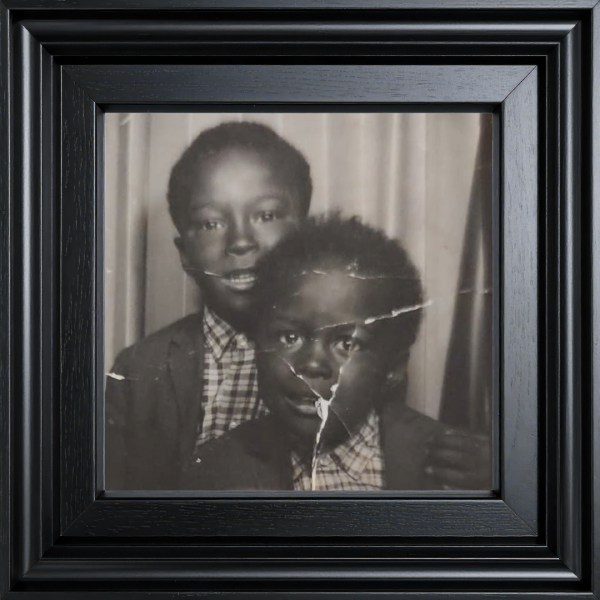
A childhood photograph of Geno Shelton and his sister, Beverly Shelton.
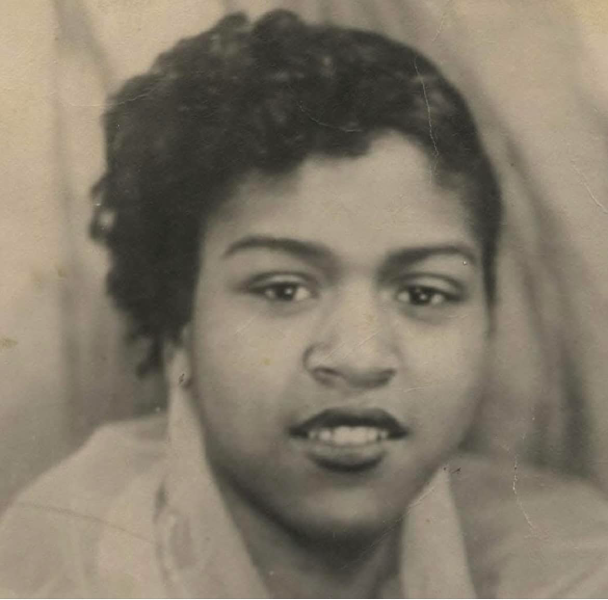
Geno Shelton’s Mother.
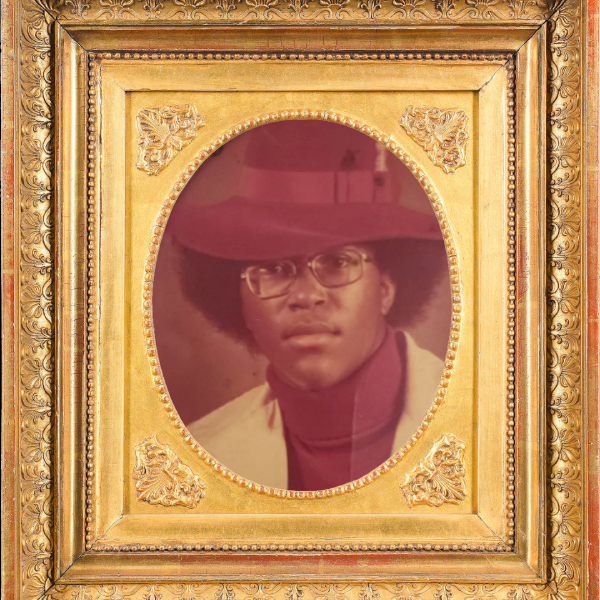
A framed portrait of a young Geno Shelton.
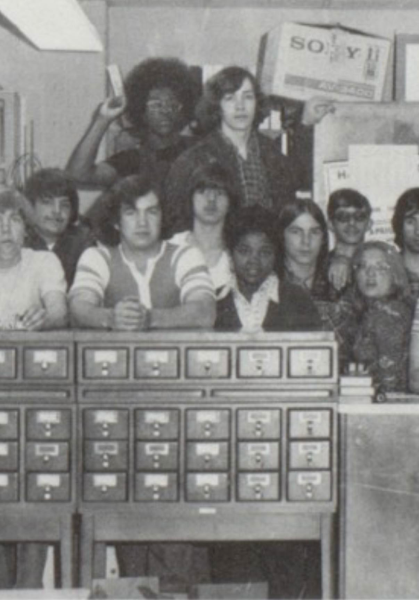
Geno Shelton with fellow students during his high school years.
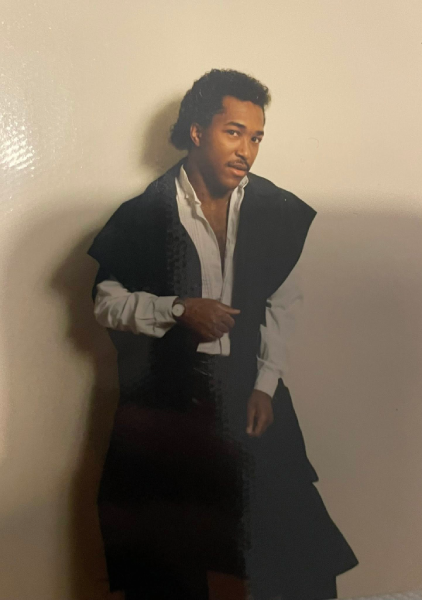
Geno Shelton, circa the 1980s.
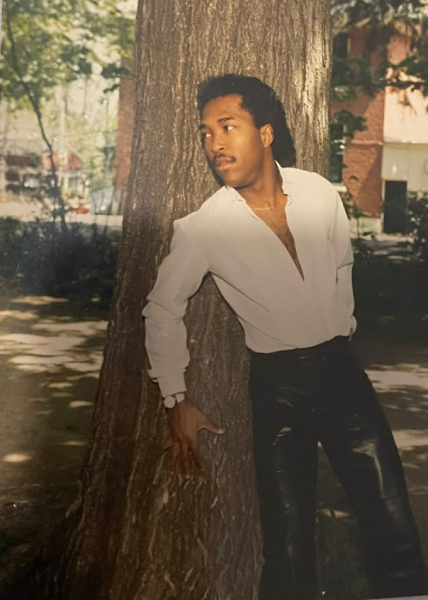
Geno Shelton in an outdoor portrait from the 1980s.
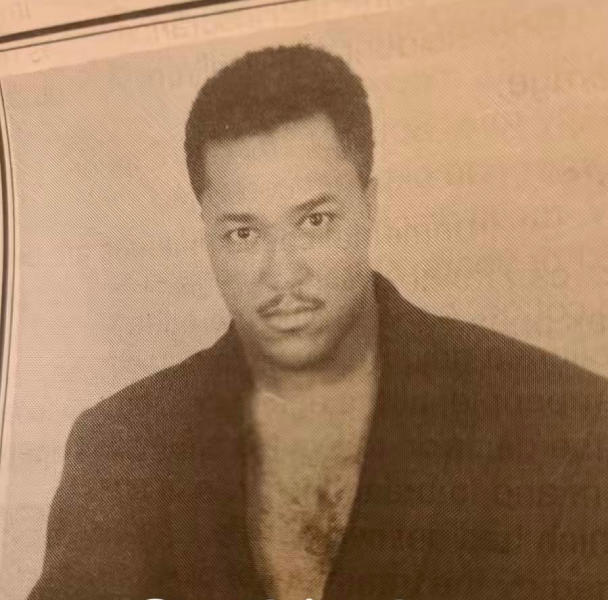
Geno Shelton at age 30.
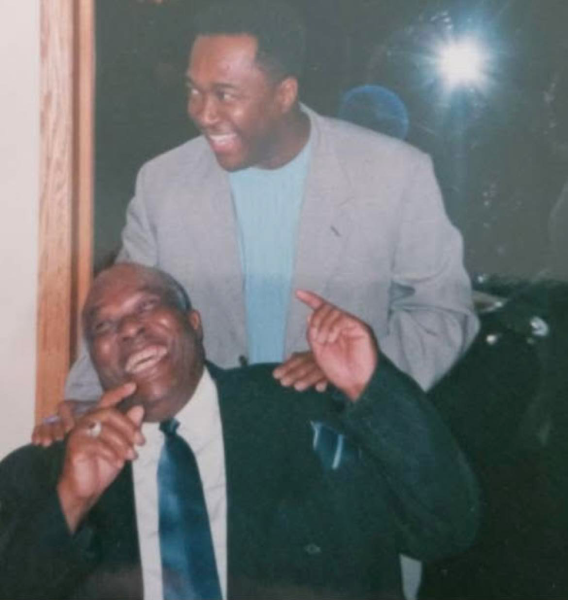
Geno Shelton, standing, shares a laugh with his father.
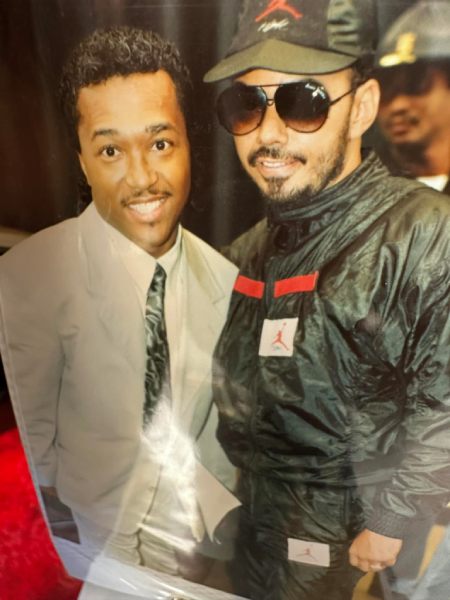
Geno Shelton, left, with James Ingram at Indiana Black Expo.
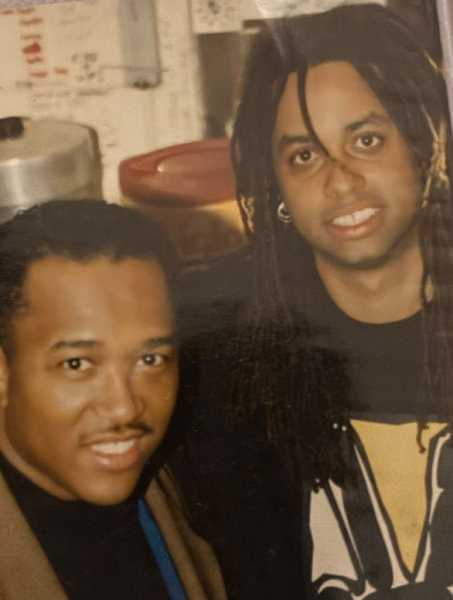
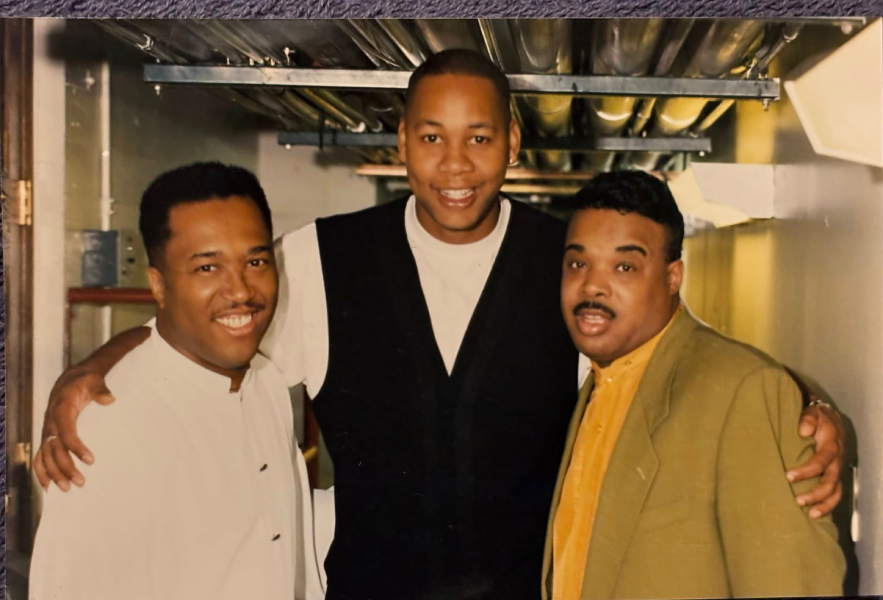
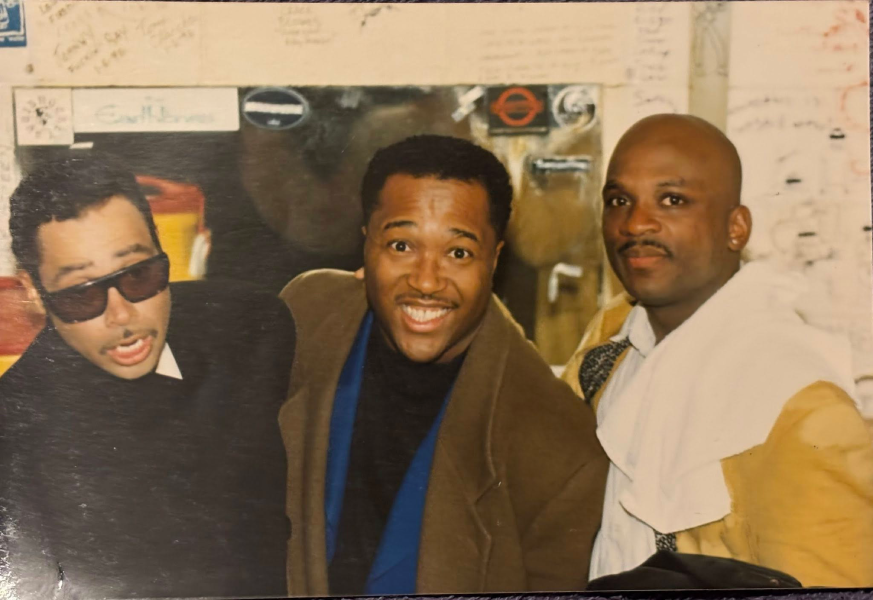
Geno Shelton, left, with Mark Curry, center.
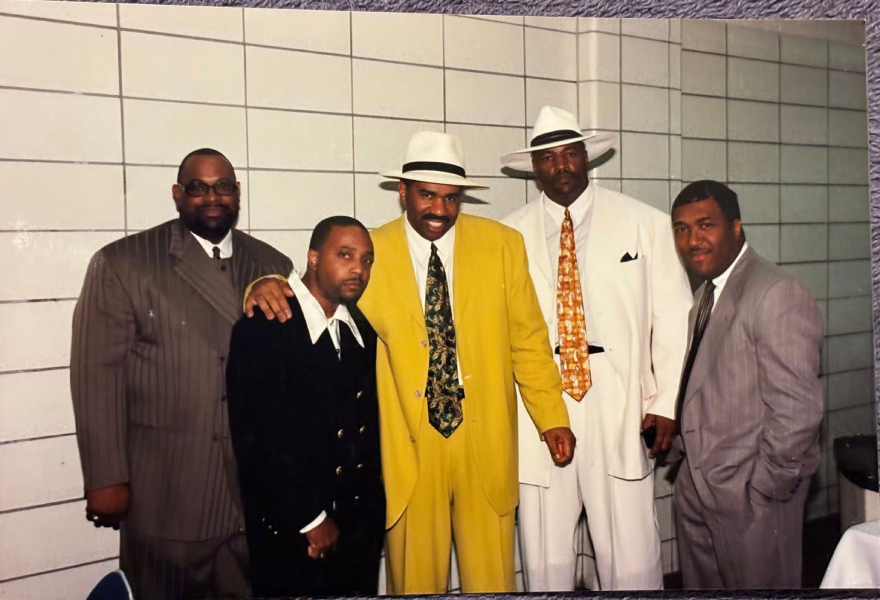
Steve Harvey, center in the yellow suit, in a photograph from Geno Shelton’s collection.
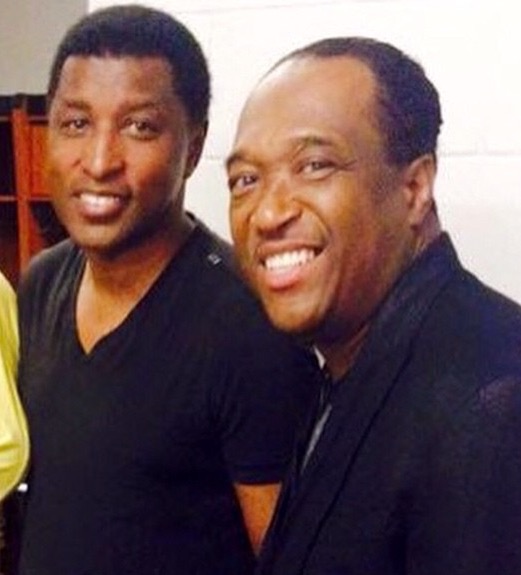
Kenneth “Babyface” Edmonds, left, with Geno Shelton.
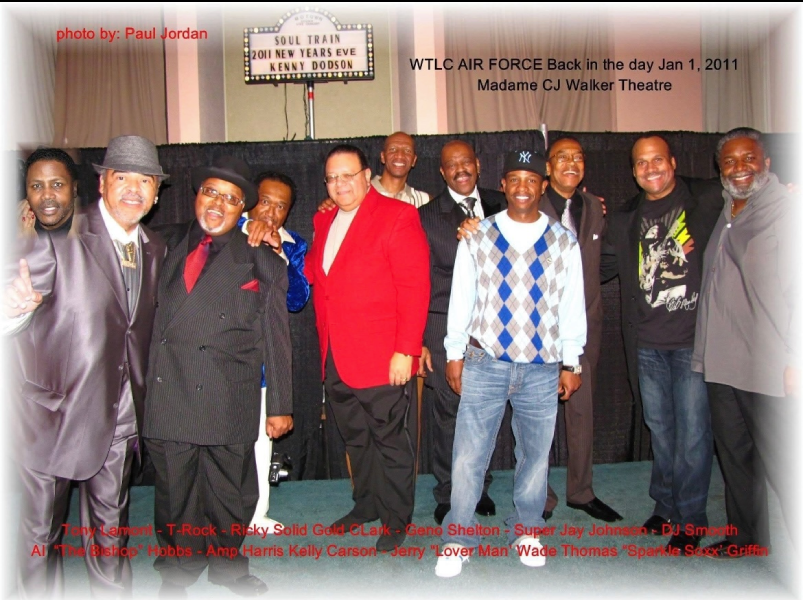
Geno Shelton joins fellow WTLC personalities for the “WTLC Air Force Back in the Day” gathering at the Madam C. J. Walker Theatre, January 1, 2011. Photo by Paul Jordan.
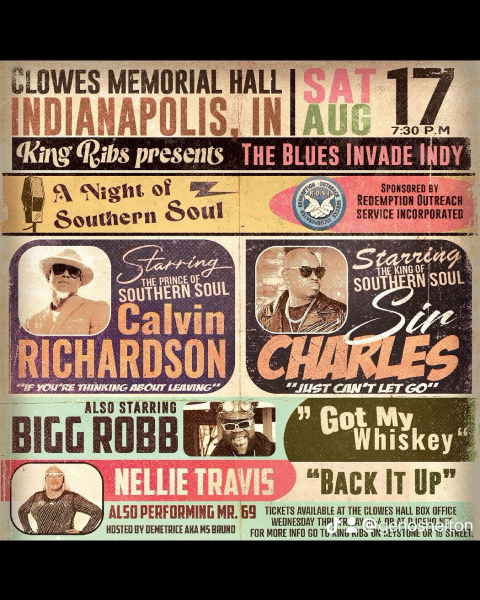
Poster for “The Blues Invade Indy: A Night of Southern Soul” at Clowes Memorial Hall, August 17, 2024, featuring Calvin Richardson, Sir Charles, Bigg Robb, Nellie Travis, and Mr. 05.
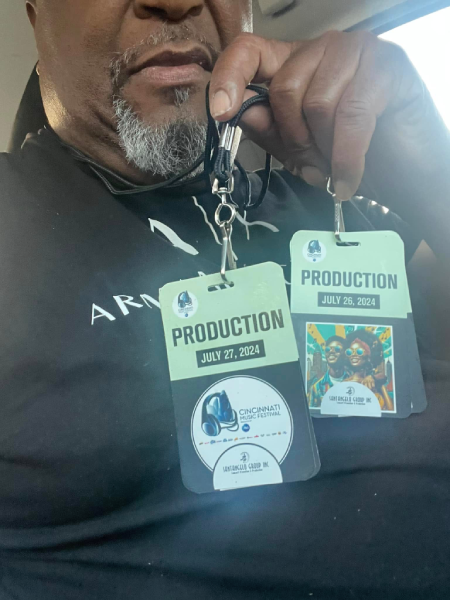
Geno Shelton displays production passes for the Cincinnati Music Festival, dated July 26 and 27, 2024.
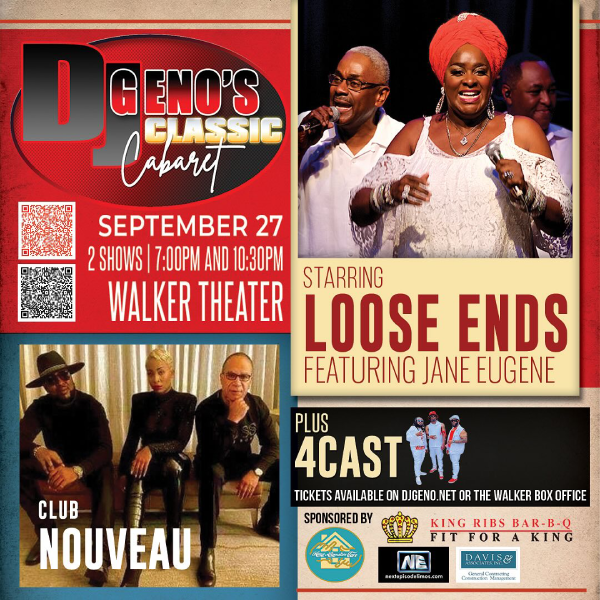
Poster for DJ Geno’s Classic Cabaret at the Walker Theatre, September 27, 2024, featuring Loose Ends with Jane Eugene, Club Nouveau, and 4Cast.
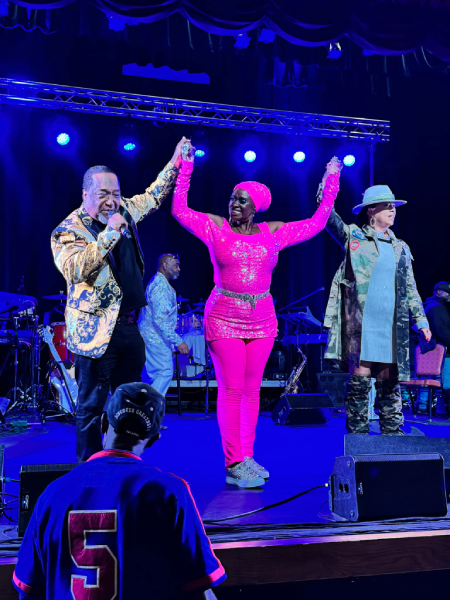
Onstage at DJ Geno’s Classic Cabaret featuring Loose Ends with Jane Eugene, September 27, 2024.
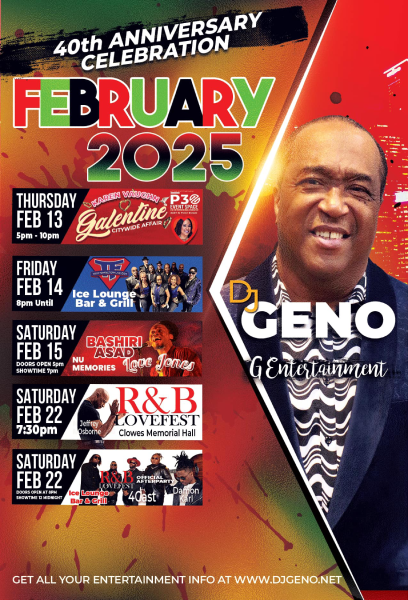
February 2025 event poster for DJ Geno’s 40th Anniversary Celebration, featuring Valentine’s events, live music, and the R&B Lovefest with Jeffrey Osborne at Clowes Memorial Hall.
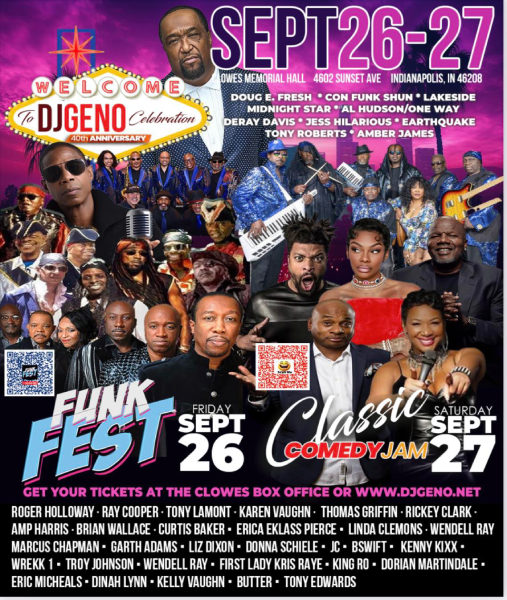
Poster for DJ Geno’s 40th Anniversary Celebration at Clowes Memorial Hall, advertising Funk Fest on September 26 and the Classic Comedy Jam on September 27, with musical performers, comedians, and Indianapolis radio personalities.
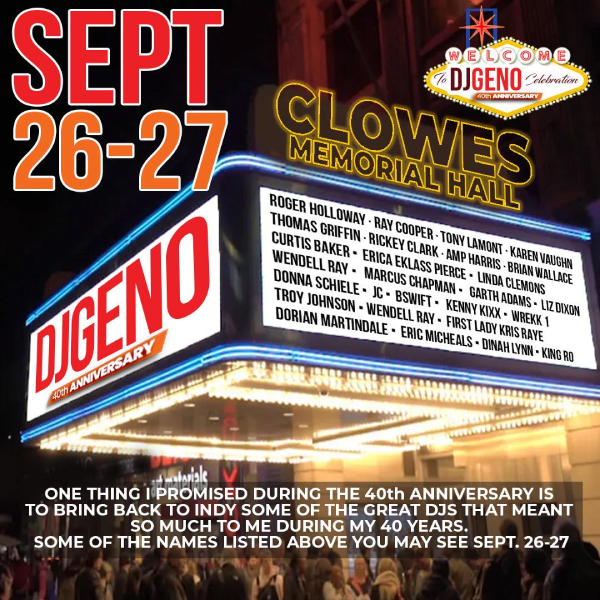
Promotional graphic for DJ Geno’s 40th Anniversary Celebration at Clowes Memorial Hall, September 26–27, highlighting radio personalities who helped shape his four decades in Indianapolis.
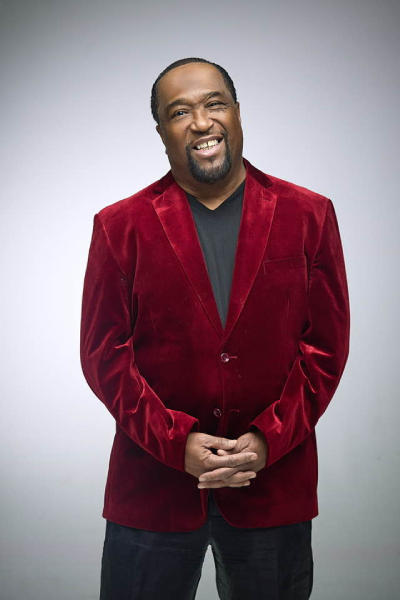
Geno Shelton, professionally known as DJ Geno, in a promotional portrait wearing a red velvet jacket.
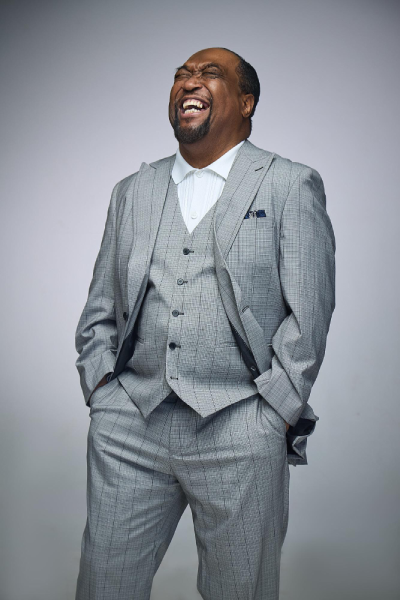
Promotional portrait of Geno Shelton, known professionally as DJ Geno.
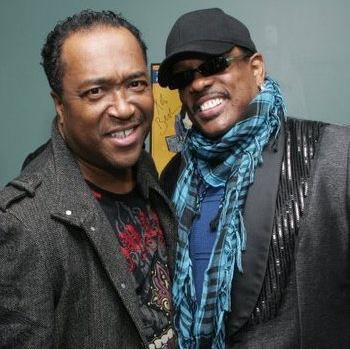
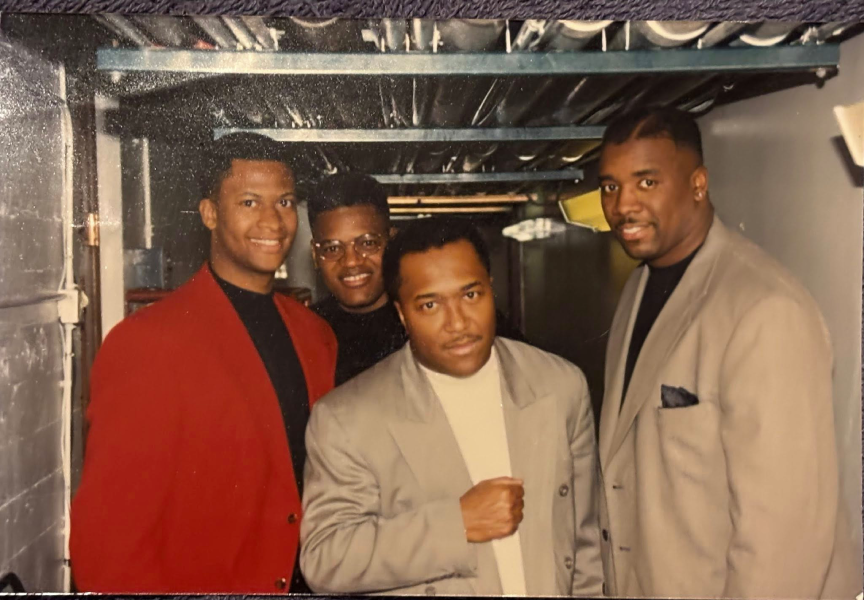
Geno Shelton, left.
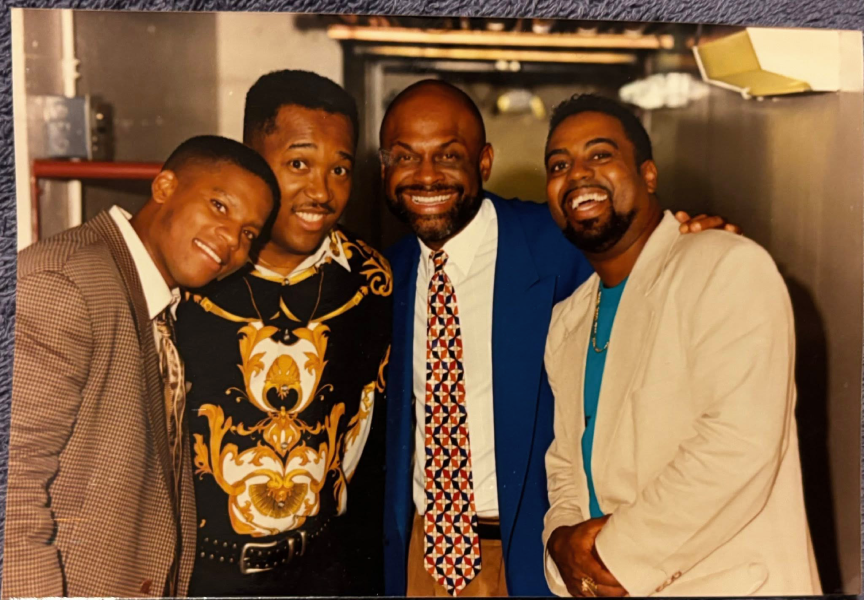
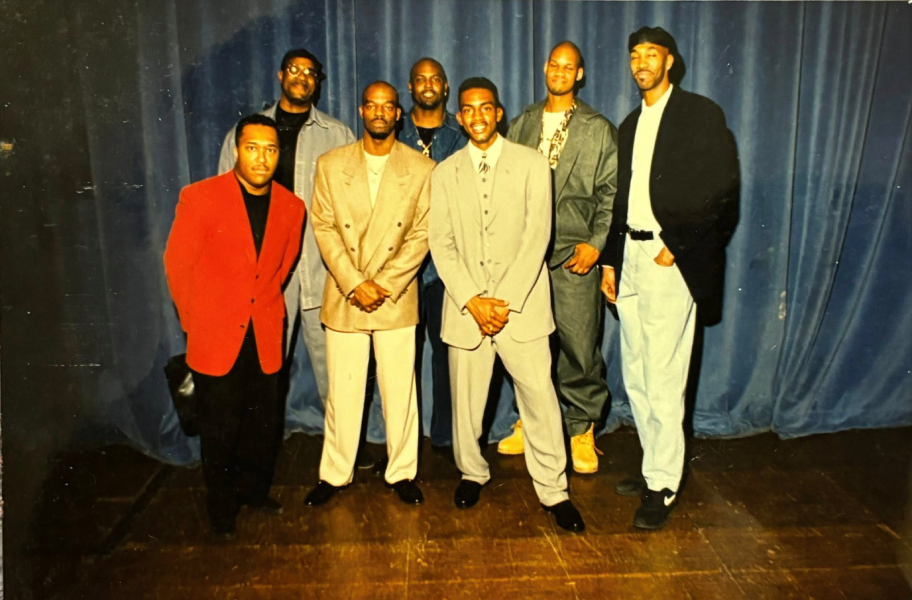
Chris Tucker, left, and Geno Shelton, right.
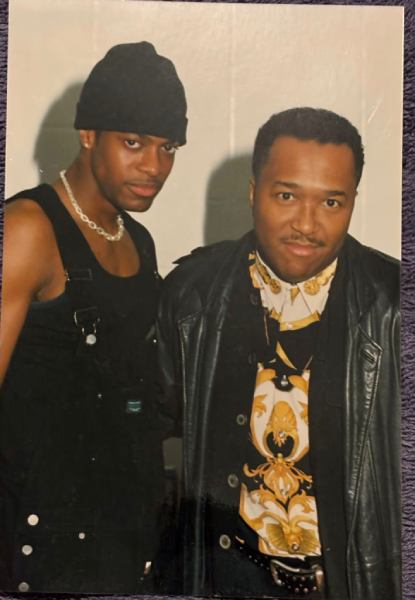
Chris Tucker, left, with Geno Shelton.
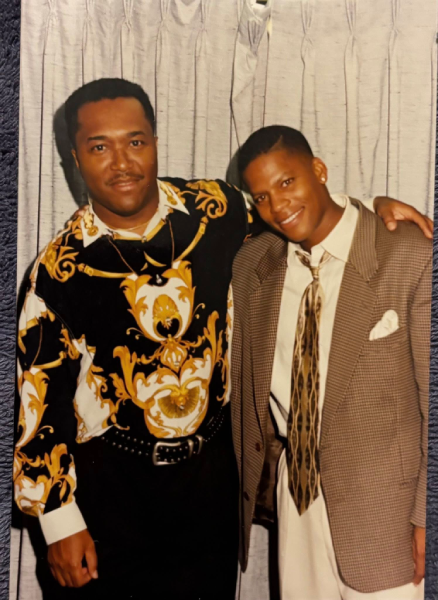
Preserving Indiana’s Music History
The Indiana Music History Project is made possible through the generous support of the Allen Whitehill Clowes Charitable Foundation. Their commitment to preserving Indiana’s rich musical heritage helps ensure these oral histories remain accessible for future generations.

Help Improve This Archive
Have additional information about this artist, story, or any of the photographs? If you can identify people, dates, locations, or have memories you’d like to share, we’d love to hear from you. Please use the button below and select “Submit Historical Information or Corrections” as the reason for your message.

