Lawrence Clark III Oral History
Lawrence Clark III is a jazz musician and educator whose life and career are deeply rooted in Indianapolis’s historic jazz tradition. Though widely known as a drummer, Clark often describes himself simply as a musician, emphasizing his melodic approach to the drum set and his sensitivity to tone, pitch, and harmony. For Clark, rhythm is not merely timekeeping—it is a fully expressive musical language.
Clark grew up on Indiana Avenue during the 1950s, surrounded by the sounds of one of the Midwest’s most vibrant jazz corridors. Music entered his life early through his father, Lawrence Clark II, a jazz drummer originally from the East Coast. His father was an active working musician who introduced him to jazz not only through conversation, but through experience—bringing the music directly into their home.
One formative childhood moment came when Clark’s father woke him late at night to watch jazz on television, insisting he hear what was happening in the music. Watching a broadcast featuring the Ramsey Lewis Trio, Clark—then only nine years old—recognized what would become his life’s calling. That moment marked the beginning of a lifelong musical path shaped by listening, observation, and deep respect for the art form.
Jazz was also part of Clark’s extended family history. Years later, he came to understand that his Uncle Paul—frequently mentioned in family stories—was Paul Gonsalves, the legendary Duke Ellington saxophonist whose extended solo at the Newport Jazz Festival became one of the most celebrated moments in jazz history. These personal connections helped Clark understand jazz not only as music, but as lineage, responsibility, and cultural inheritance.
As Clark developed as a musician, he was guided by mentors within the Indianapolis jazz community, including Floyd Smith, whom Clark regards as a second father and formative teacher. Through long-term collaborations rather than short engagements, Clark learned the importance of musical relationships—believing that true musicality grows through time, trust, and shared experience.
Over the course of his career, Clark became a respected presence in the Indianapolis jazz scene and beyond. In recognition of his contributions, he was inducted into the Indianapolis Jazz Foundation Hall of Fame in 2005. During the 1990s, he toured internationally throughout Japan, Korea, Okinawa, Guam, Europe, and the Pacific Basin, and has performed and collaborated with numerous notable jazz artists.
In addition to performing, Clark has devoted much of his life to education, mentoring younger musicians and passing on the musical values shaped by Indiana Avenue’s jazz legacy. His philosophy—that the drum set can be approached like a piano, capable of melody, harmony, and multiple tonal voices—continues to inform both his teaching and performance.
In this oral history interview, Lawrence Clark III reflects on his family’s musical roots, the influence of his father, the mentors who shaped him, and his lifelong belief that to play music well, one must listen deeply, think melodically, and honor the traditions that came before.
This interview is part of the Indiana Music History Project’s Amazing Indiana Music Stories series, made possible with generous support from the Allen Whitehill Clowes Charitable Foundation. On this page, you’ll find the Complete Interview, an Interview Highlight, and an Image Gallery featuring archival photographs that help bring Lawrence Clark III’s story to life.
Interview Highlight
In this Interview Highlight, Lawrence Clark III reflects on growing up in a jazz household on Indiana Avenue and the influence of his father, a jazz drummer who introduced him to the music at an early age. He recalls a defining childhood moment—being awakened late at night to watch jazz on television, including a performance by the Ramsey Lewis Trio—and explains why he approaches the drums melodically, often saying, “I’m not a drummer, I’m a musician.”
The Complete Interview
In the Complete Interview, Lawrence Clark III shares a deeper look at his musical lineage, education, and long career as a jazz musician and educator. He reflects on the influence of his father and mentors, recounts formative family stories tied to jazz history, and discusses the importance of long-term musical relationships over short engagements. Clark also expands on his philosophy of music-making, offering insight into his approach to teaching, listening, and preserving the legacy of Indianapolis’s historic jazz community.
Image Gallery
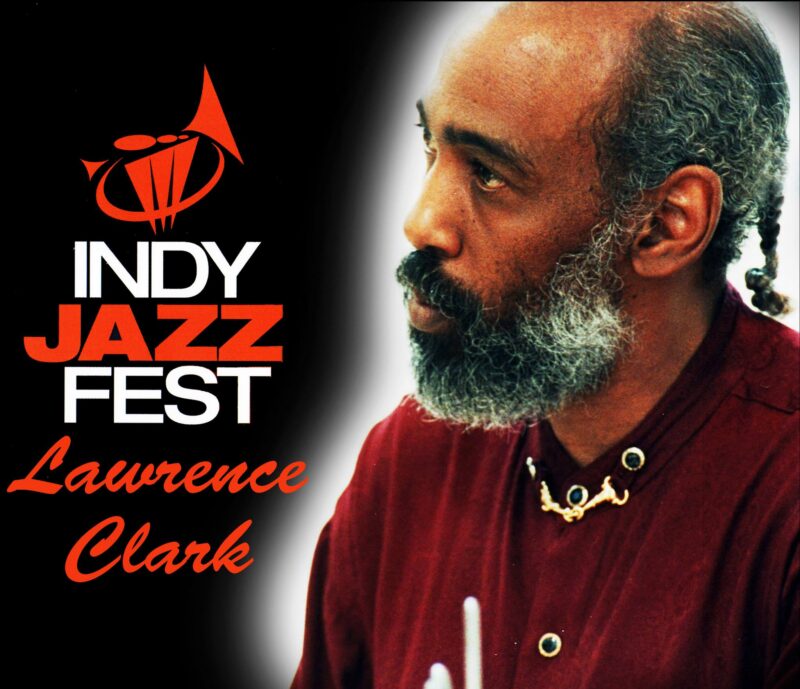
Lawrence Clark III – Indy Jazz Photo by Larry Goshen
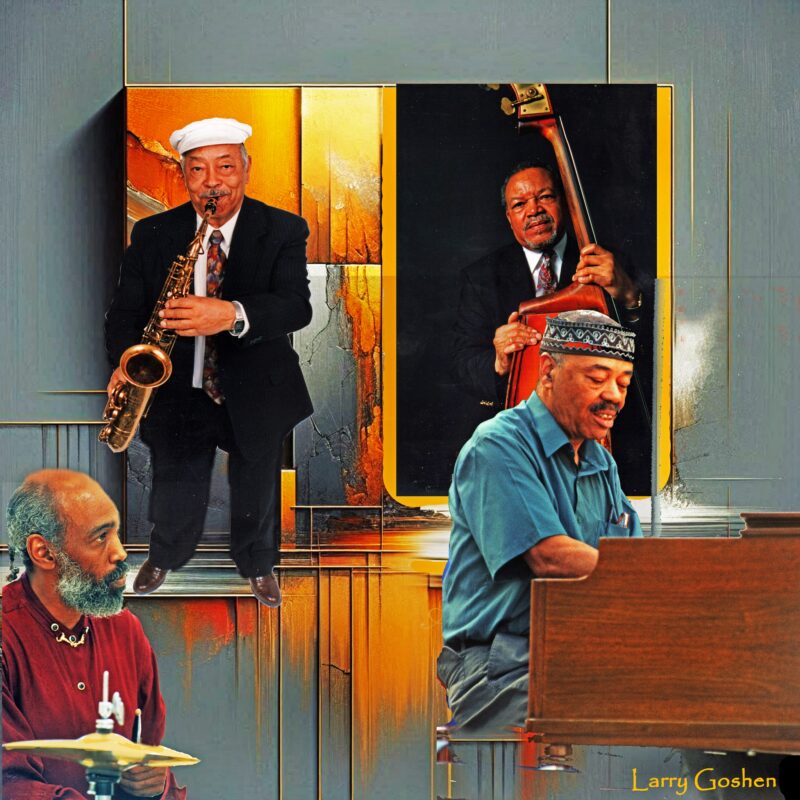
Lawrence Clark III – Indiana Avenue Image by Larry Goshen
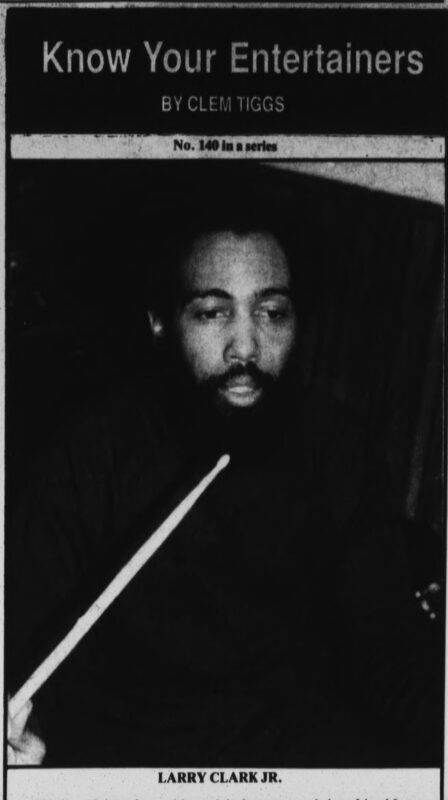
Know Your Entertainers by Clem Tiggs Number 140 – Larry Clark Jr aka Lawrence Clark III
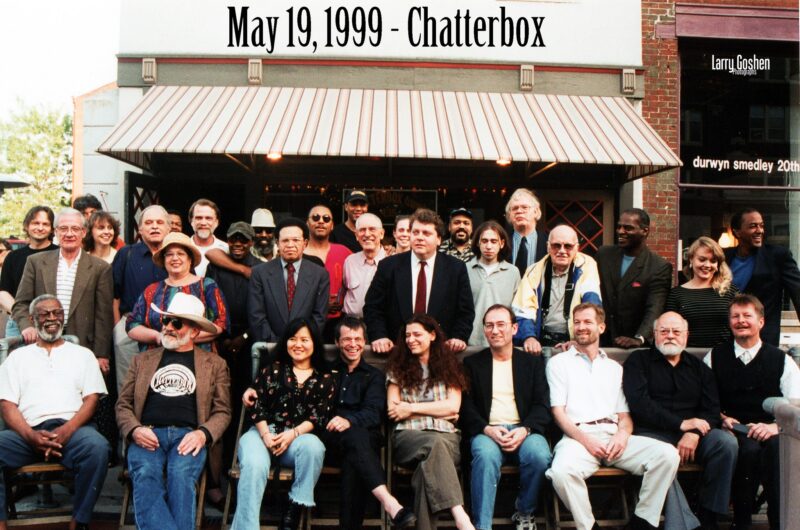
May 19, 1999 Chatterbox, Photo by Larry Goshen

Lawrence Clark III
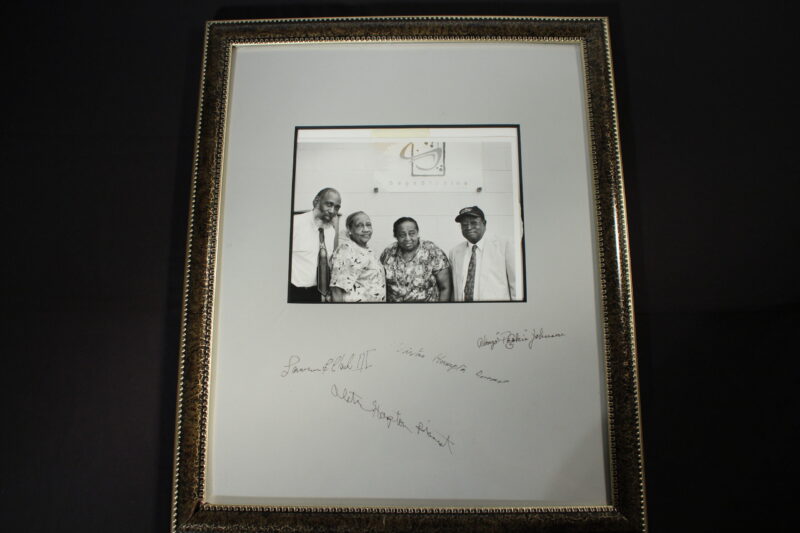
Lawrence Clark III, Aletra Hampton, Virtue Hampton, and Alonzo Pookie Johnson Picture with Autographs
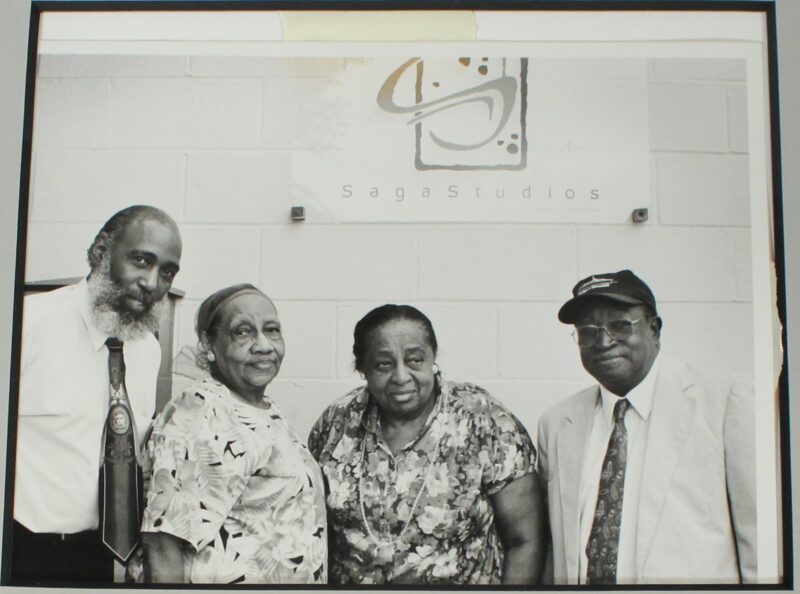
Lawrence Clark III, Aletra Hampton, Virtue Hampton, and Alonzo Pookie Johnson Picture Cropped
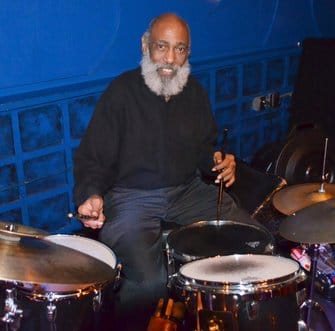
Lawrence Clark III – Playing Drums
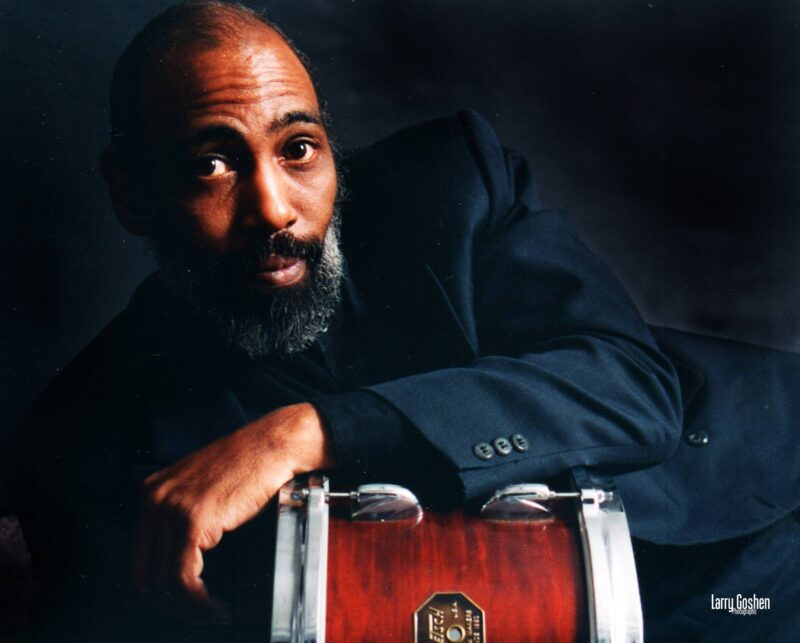
Lawrence Clark III – Photo with Drum by Larry Goshen

Lawrence Clark III – Photo by Larry Goshen
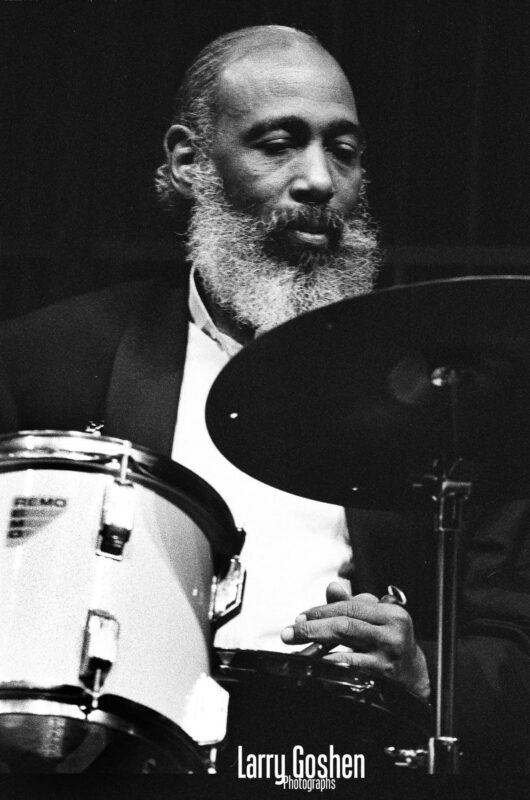
Lawrence Clark III – Photo by Larry Goshen – at The Jazz Kitchen