Lester Johnson Oral History
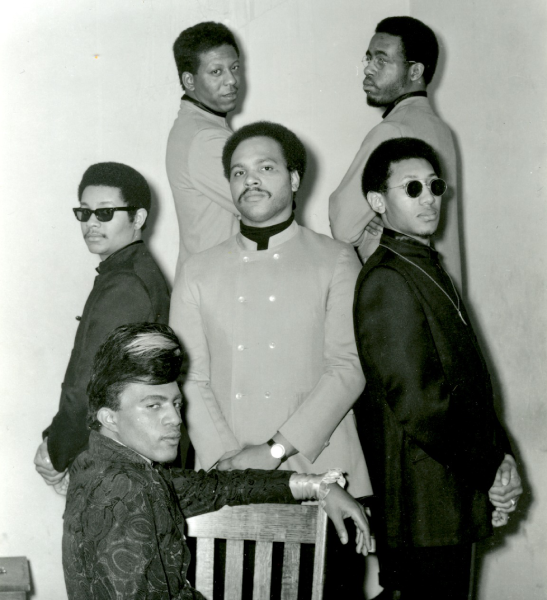
Seated: Walter Webb. Middle row (L–R): Duck Wilson, Lester Johnson and Gregg Scott. Back row: Jimmy Williams and Matthew Watson.
Lester Johnson is an Indianapolis bassist, producer, music contractor and co-founder of the pioneering soul and funk group Ebony Rhythm Band, later known as Ebony Rhythm Funk Campaign. With a musical career spanning more than six decades, Johnson has helped shape Indiana’s musical history as a performer, recording artist, bandleader and producer.
Music surrounded Johnson from the beginning. Growing up on Indianapolis’s near west side, he was raised in what he has described as a “music bath.” His grandmother, Flossie Franklin, was part of the city’s early blues tradition and has been credited with writing lyrics associated with Indianapolis blues legend Leroy Carr. His uncle, Guitar Pete Franklin, became a respected blues guitarist, pianist, vocalist and recording artist. Another important musical influence was jazz guitarist Johnny Shacklett, who was part of the extended family and connected Johnson to Indianapolis’s rich jazz tradition.
Interview Highlight
In this Interview Highlight, Lester Johnson recalls forming the Golden Soul Show Band while serving in the United States Army, performing for fellow soldiers before being trained to drive tanks and transferred to Germany. After returning home, he reunited with Gregg Scott to re-form the Golden Soul Show Band and continue the musical journey that eventually led to the pioneering Ebony Rhythm Band.
Complete Interview
In this Complete Interview, Lester Johnson traces his remarkable musical journey from growing up in a family he describes as being raised in a “music bath” to becoming one of Indiana’s pioneering funk bassists. He shares stories about his grandmother, Flossie Franklin, his uncle Guitar Pete Franklin, and jazz guitarist Johnny Shacklett, whose influence helped shape his lifelong love of music. Johnson also recalls performing on Indiana Avenue with Harvey Cook and the Blue Notes, recording with The Chordells while still a teenager, serving in the U.S. Army, re-forming the Golden Soul Show Band after returning home, and helping establish the groundbreaking Ebony Rhythm Band, later known as Ebony Rhythm Funk Campaign. Along the way, he reflects on the musicians who inspired him, the evolution of Indianapolis’ music scene, and the experiences that shaped a career spanning more than six decades.
Biography
Lester Johnson is an Indianapolis bassist, producer, music contractor, and co-founder of the pioneering soul and funk group Ebony Rhythm Band, later known as Ebony Rhythm Funk Campaign. With a musical career spanning more than six decades, Johnson has helped shape Indiana’s musical history as a performer, recording artist, bandleader, and producer.
Music surrounded Johnson from the beginning. Growing up on Indianapolis’s near west side, he was raised in what he has described as a “music bath.” His grandmother, Flossie Franklin, was part of the city’s early blues tradition and has been credited with writing lyrics associated with Indianapolis blues legend Leroy Carr. His uncle, Guitar Pete Franklin, became a respected blues guitarist, pianist, vocalist and recording artist. Another important musical influence was jazz guitarist Johnny Shacklett, who was part of the extended family and connected Johnson to Indianapolis’s rich jazz tradition.
Johnson began playing bass at age twelve. After first studying trumpet and trombone, he discovered the upright bass while attending Crispus Attucks High School. Under the guidance of respected music educators, he quickly developed a deep connection to the instrument that would define his life and career.
While still a teenager, Johnson began performing professionally with Harvey Cook and the Blue Notes on Indiana Avenue. At only fifteen years old, he was already playing in clubs that were part of the Avenue’s legendary entertainment district. Those early years placed him among musicians, singers, dancers, comedians and bandleaders during one of the final great periods of Indianapolis nightlife.
Johnson also performed with groups including The Chordells and The Continentals and gained early recording experience while still in his teens. These opportunities introduced him to professional studio work and helped prepare him for the many roles he would later take on as a performer and producer.
After being drafted into the United States Army in 1965, Johnson was stationed at Fort Eustis, Virginia. While there, he helped form the Golden Soul Show Band, which performed for military audiences on the military post. He was later transferred to Germany, where he continued performing during his service while also completing Army training as a tank driver.
After returning home from military service, Johnson reunited with Gregg Scott and re-formed the Golden Soul Show Band. A photograph from approximately April 1968 identifies the lineup as Walter Webb, Duck Wilson, Lester Johnson, Gregg Scott, Jimmy Williams and Matthew Watson. The group became an important bridge between Johnson’s early musical experiences and the next major chapter of his career.
In the late 1960s, Johnson joined John Jackson, Matthew Watson and Robert Townsend in forming the Ebony Rhythm Band. The Indianapolis-based group initially served as the backing band for vocal groups including The Vanguards, The Pearls and The Montiques before signing with Herb Miller’s Lamp Records.
In 1969, Ebony Rhythm Band released the single Soul Heart Transplant backed with Drugs Ain’t Cool. “Soul Heart Transplant” was inspired by Indianapolis’s first heart transplant recipient, while “Drugs Ain’t Cool” won an anti-drug contest sponsored by the Mayor of Indianapolis. Although the record saw only limited release at the time, it later became recognized as one of Indiana’s most important soul and funk recordings.
The band’s music stood apart from many of the polished soul show bands of the era. Ebony Rhythm Band blended soul, funk, rock and psychedelic influences with original compositions and an inventive stage presentation. Johnson and his bandmates were willing to experiment with sound and performance in ways that were uncommon for Indianapolis groups of the period.
In 1970, the group merged with King James Version and relocated to Los Angeles. They later adopted the name Ebony Rhythm Funk Campaign in 1973, opening the door to national touring and additional recording opportunities while continuing to develop their distinctive musical style.
Although the group did not achieve widespread commercial success during its original run, its recordings gained increasing recognition over the decades. In 2004, Now-Again Records released Soul Heart Transplant: The Lamp Sessions, a compilation featuring the rare Lamp single along with previously unreleased recordings discovered in the archives of Les Ohmit Recording Studios. The release introduced Ebony Rhythm Band’s music to a new generation of listeners and helped establish the group’s place in the history of psychedelic soul and funk.
The band also reunited for several Indianapolis performances, allowing longtime fans and younger audiences alike to experience the music live once again.
Throughout his career, Johnson has remained devoted to the bass while also working as a producer, music contractor and mentor to younger musicians. His life’s work reflects both the deep musical roots of his family and the creativity of Indianapolis’s Black music community during the 1960s and 1970s.
From Indiana Avenue and Crispus Attucks High School to Lamp Records and Los Angeles, Lester Johnson’s story connects several important chapters of Indiana music history. More than sixty years after first picking up the bass, music continues to inspire him and define what he proudly describes as his “life on bass.”
Image Gallery
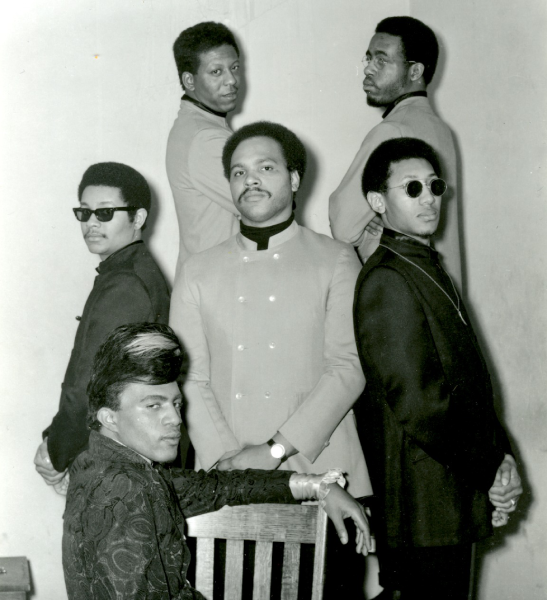
Golden Soul Show Band circa April 1968 – Seated – Walter Webb – Middle Row, L to R Duck Wilson, Lester Johnson, Gregg Scott – Back Row Jimmy Williams – Matthew Watson
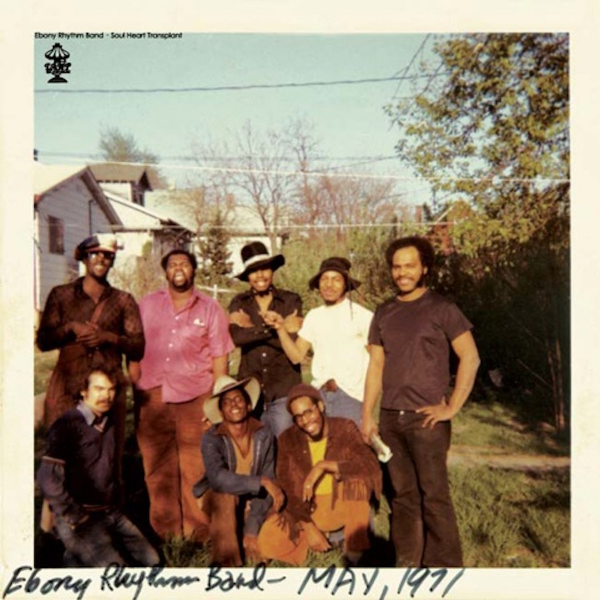
Ebony Rhythm Band – May, 1971
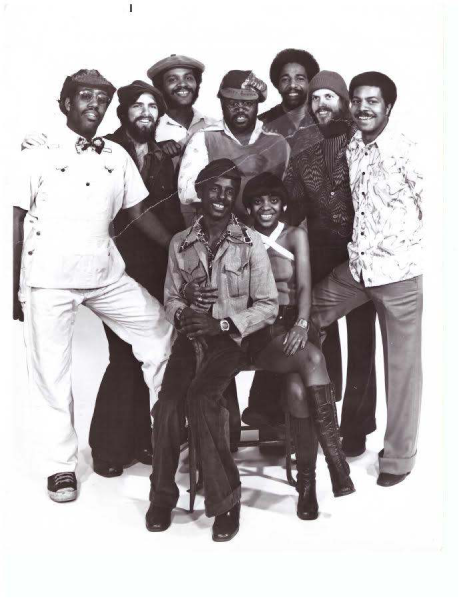
The Ebony Rhythm Funk Campaign – Circa 1975
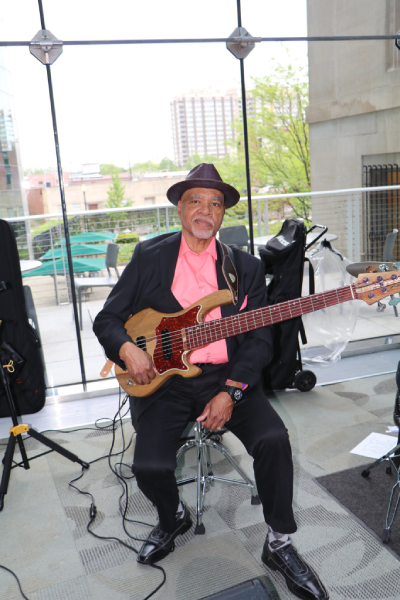
Lester Johnson – Photo by Venus Sherard
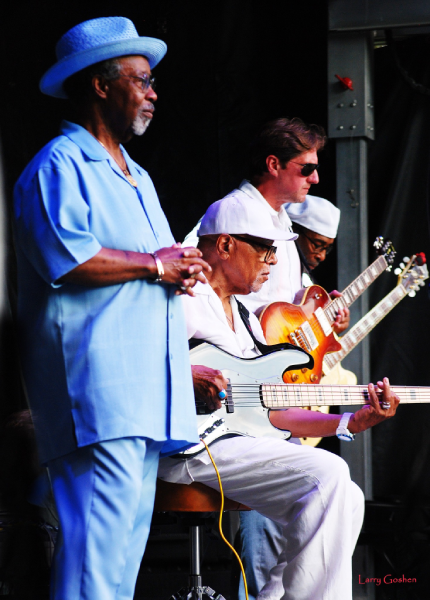
Standing James Blane Vocals – Seated Lester Johnson Bass – Standing Rob Christopherson Guitar & Guy Lipkins Guitar – Photo by Larry Goshen
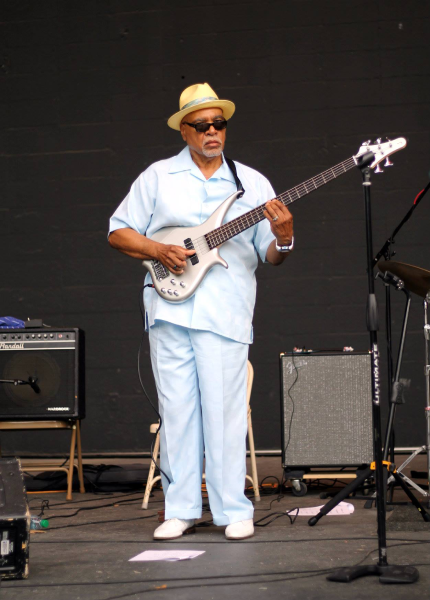
Lester Johnson
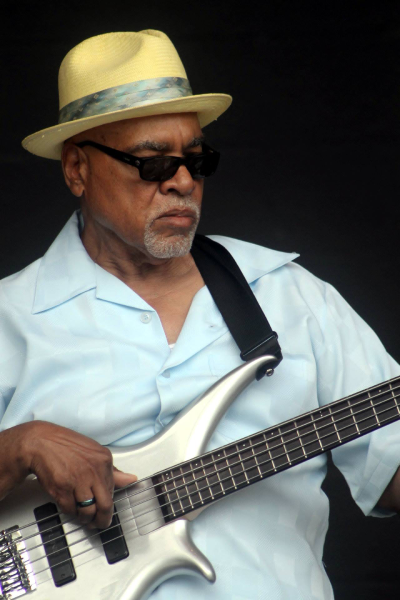
Lester Johnson
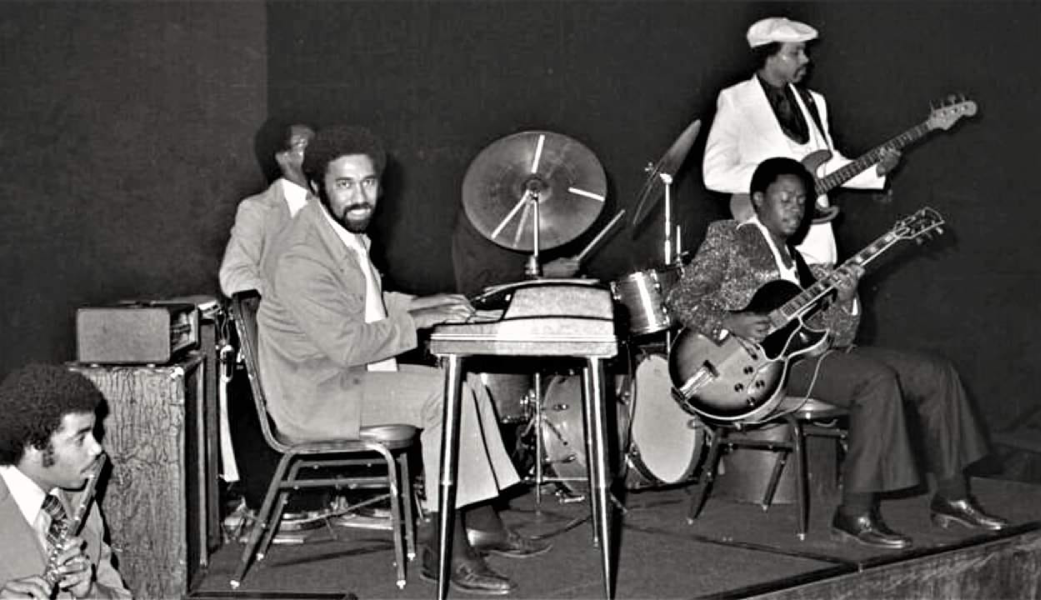
Lester Johnson bass – Steven Weakley guitar – George aka Sparky Smith flute – Billy Wooten Wurlizter electric piano
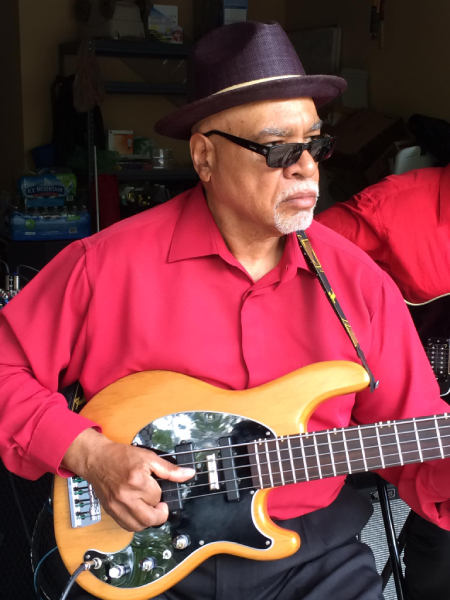
Lester Johnson
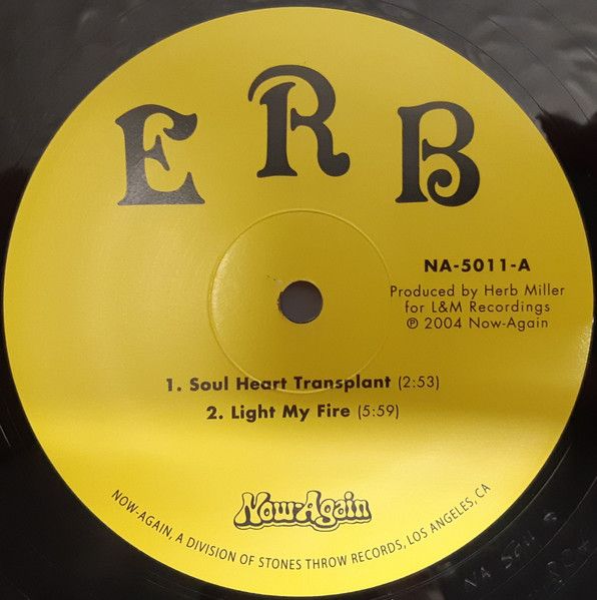
Ebony Rhythm Band – L&M Records – Produced by Herb Miller – Now-Again
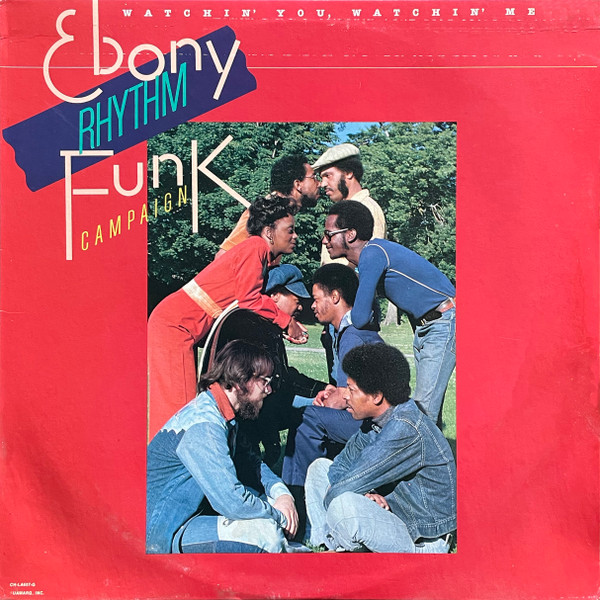
Ebony Rhythm Funk Campaign Watchin’ You Watchin’ Me
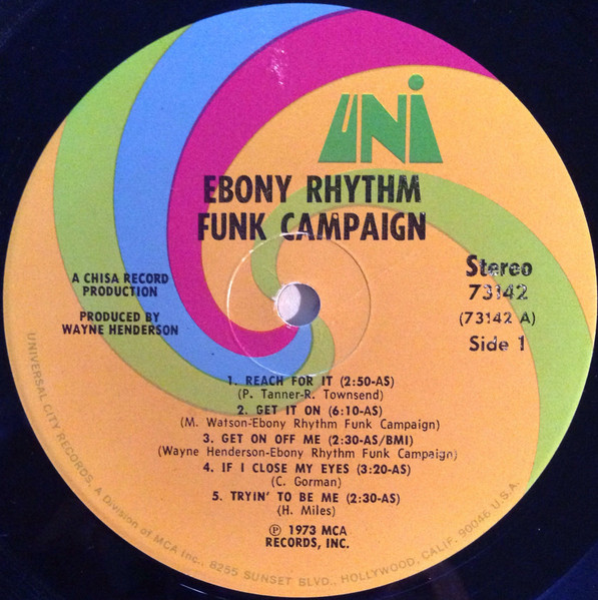
Ebony Rhythm Funk Campaign UNI Records
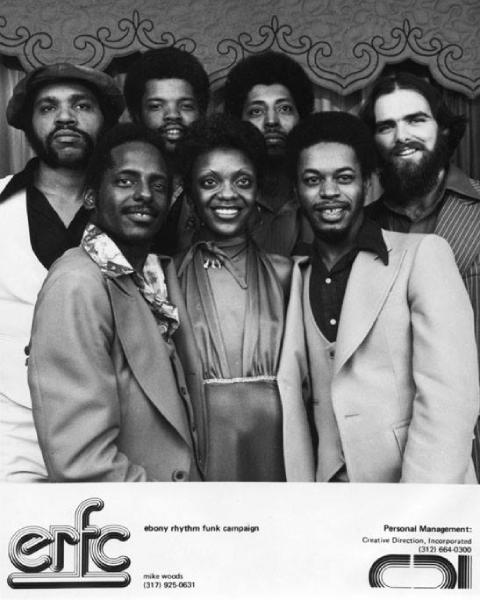
Ebony Rhythm Funk Campaign Promotional Picture – Larry Benns Back Left – Pamela Tanner Front Middle – Lester Johnson – Tony Roberts
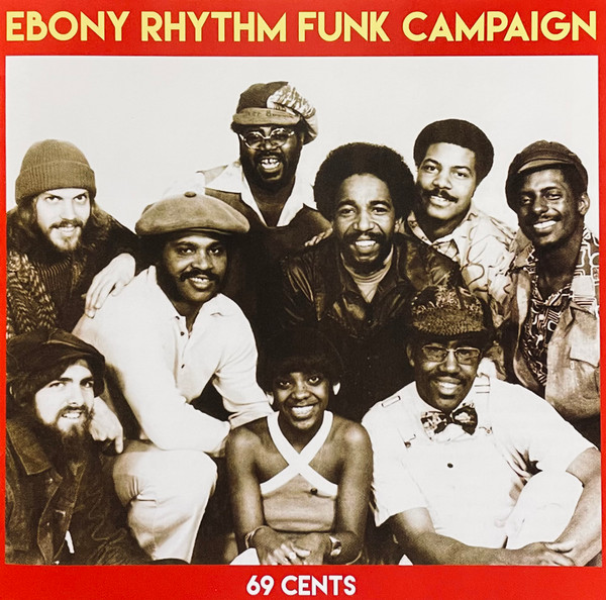
Ebony Rhythm Funk Campaign 69 Cents
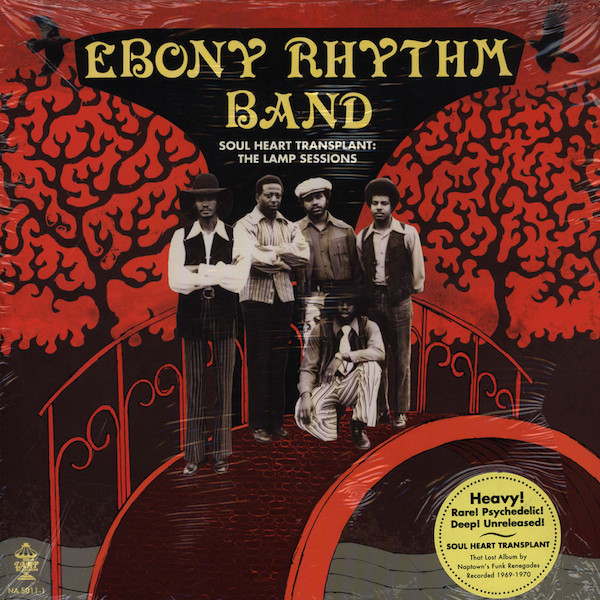
Ebony Rhythm Band Soul Heart Transplant the Lamp Sessions
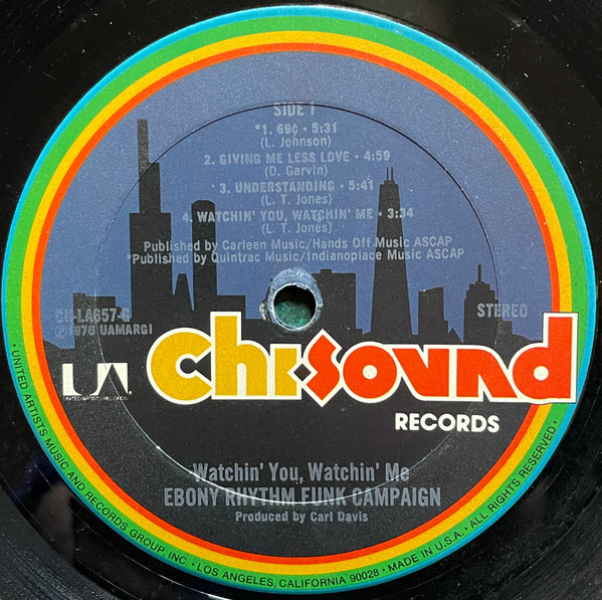
Ebony Rhythm Funk Campaign ChiSound Records
Preserving Indiana’s Music History
The Indiana Music History Project is made possible through the generous support of the Allen Whitehill Clowes Charitable Foundation. Their commitment to preserving Indiana’s rich musical heritage helps ensure these oral histories remain accessible for future generations.

Help Improve This Archive
Have additional information about this artist, story, or any of the photographs? If you can identify people, dates, locations, or have memories you’d like to share, we’d love to hear from you. Please use the button below and select “Submit Historical Information or Corrections” as the reason for your message.