Mark Bingham Oral History
Mark Bingham is a Bloomington-born guitarist, singer, songwriter, arranger, producer, and recording engineer whose career connects Indiana’s experimental music scene with New York and New Orleans. His work includes the Screaming Gypsy Bandits, Caroline Peyton, MX-80 Sound, Social Climbers, R.E.M., Dr. John, Marianne Faithfull, and John Scofield, with contributions ranging from original songs and performances to arrangements, production, and engineering.
After an early apprenticeship with Elektra Records and a solo single for Warner Bros.–Seven Arts, Bingham returned to Bloomington in 1969. He joined the Screaming Gypsy Bandits, collaborated with Caroline Peyton, and helped establish BRBQ Records. Working at Gilfoy Sound with fellow musicians and engineer Mark Hood, he became part of a community that made room for unusual songs, improvised music, and independent releases.
His later career took him into New York’s downtown music scene and the recording studios of New Orleans. At The Boiler Room and Piety Street Recording, Bingham worked with local musicians and visiting artists across jazz, blues, rock, traditional music, and spoken word. In this oral history, recorded with Rick Wilkerson at the Indiana Music History Project Museum on July 24, 2025, he recalls those experiences and the Indiana relationships that continued through them.
Interview Highlight
In this Interview Highlight, Mark Bingham recalls how a project with Natalie Merchant led to an introduction to Michael Stipe and an unexpected place in R.E.M.’s world. From a surprising arrival in Atlanta to arranging music for Out of Time, he offers a candid, often funny look at how those connections developed.
Bingham also shares the unlikely inspiration behind his contribution to “Shiny Happy People,” explains how arranging a rock record becomes a group effort, and reflects on why working on a number-one album did not lead to the career changes he might have expected.
Complete Interview
In this Complete Interview, Mark Bingham traces his musical life from listening to the radio and playing in teenage bands to an apprenticeship at Elektra Records, a return to Bloomington, and decades of performing and making records. He recalls joining the Screaming Gypsy Bandits, working with Caroline Peyton on Mock Up and Intuition, and helping build an independent recording community around BRBQ Records and Gilfoy Sound.
The conversation follows Bingham to New York, where he formed Social Climbers and worked with experimental musicians including Glenn Branca. He discusses his connection to Allen Ginsberg, his introduction to Michael Stipe through Natalie Merchant, and the collaborative process behind his arrangements for R.E.M.’s Out of Time. He also looks back on producing MX-80 Sound and maintaining friendships with musicians from his Bloomington years.
Bingham describes settling into New Orleans, working with traditional jazz musicians, opening recording studios, and appearing in HBO’s Treme. Returning to his work in 2025, he discusses new guitar pieces, collaboration with James Brandon Lewis, and his continued interest in writing, practicing, and discovering music. Throughout the interview, he offers a candid view of artistic collaboration, the economics of recording, and the distance between music-business mythology and everyday work.
Biography
Mark Bingham was born in Bloomington, Indiana, in 1949. His childhood included time in several Indiana communities, including Hammond and Logansport, as well as East Lansing, Michigan. By high school, he was living in the Mount Kisco area of New York, within reach of the city’s clubs and concert venues.
Listening came first. Radio introduced him to music, and trips into New York gave him opportunities to hear it performed live. He began singing, playing in bands, and writing songs while still in school. Those early groups performed at dances, parties, and recreation rooms, learning how to play together before they were old enough for regular bar work.
A battle of the bands brought his songwriting to the attention of people connected to radio and the record business. Bingham recalls judges including broadcaster Howard Cosell, disc jockey Bruce Morrow, and Elektra art director Bill Harvey. Encouraged to submit material, he made a set of demos with a friend and entered Elektra’s orbit while still a teenager.
In Los Angeles during the late 1960s, he learned recording from inside a working record company. His duties included listening to unsolicited demos, assisting sessions, and handling the errands that accompanied an apprenticeship. The experience introduced him to the practical decisions behind a recording as well as the uncertain business surrounding it.
He subsequently recorded “Deep Regret” and “Your Problems and Mine” for Warner Bros.–Seven Arts. Released in 1969 and produced by Rev. Frazier Mohawk, the single documents his early work as both songwriter and solo performer. Bingham eventually decided to leave Los Angeles, returning to Bloomington in the fall of that year.
The Screaming Gypsy Bandits had already begun taking shape. Bingham recalls stepping in as a singer after Bob Lucas left, then becoming a major contributor of songs. Caroline Peyton arrived from the Chicago area and became another central voice in the group. With changing combinations of singers, guitarists, keyboard players, horn players, and rhythm sections, the band became a place to explore music that could be theatrical, humorous, tightly arranged, or open to improvisation.
That changing membership also meant the band’s name covered several different sounds. Bingham remembers a 1972 performance at the Von Lee Theater as a particularly satisfying moment, with the musicians moving from original material to an arrangement of Albert Ayler’s “Ghosts.” Other appearances brought the Bandits onto bills with national touring acts and into venues across the region.
In the Eye, released in 1973, presents one part of that history. In his interview, Bingham explains that it was originally intended as a solo project built around his songs, with contributions from Bill Schwarz and Caroline Peyton, before appearing as a Screaming Gypsy Bandits album. Earlier recordings and material from other sessions later circulated in the archival collection Back to Doghead. The distinction helps explain why listeners who knew one record could encounter a very different band onstage.
Bingham and Peyton also developed a recording partnership outside the Bandits. Her 1972 debut, Mock Up, featured his production, songwriting, and guitar alongside Peyton’s voice and the piano of Mark Gray. Recorded at Gilfoy Sound in Bloomington, the album used spare settings and unconventional song structures that gave the performers room to explore.
Their collaboration continued with Intuition in 1977, co-produced by Bingham and Mark Hood. Its songs and arrangements moved through a broader range of pop, soul, jazz, and folk influences. Bingham’s recollections acknowledge both Peyton’s exceptional musical ability and the negotiation involved when a songwriter and singer bring different ideas to the same material.
BRBQ Records, also known as Bar-B-Q Records, provided an outlet for these projects and other Bloomington recordings. Bingham helped establish the label, while Gilfoy Sound and collaborators such as Hood made recording possible on a local scale. Records, singles, and proposed sampler collections documented musicians who often shared stages, equipment, and studio time.
The label also exposed him to the darker side of independent distribution. In his oral history, Bingham recalls thousands of records selling without any money coming back. He describes distributors declaring bankruptcy, selling their businesses to family members, and continuing to sell the recordings without an obligation to pay the artists. The experience revealed how success in making and selling music could still fail to sustain the people behind it.
Among the groups Bingham produced was MX-80 Sound, whose members included fellow Bloomington musicians Bruce Anderson and Dale Sophiea. Big Hits, released in 1976, was followed by the Island Records album Hard Attack in 1977. Working with Hood, Bingham helped record a band whose unusual guitar language and rhythmic approach found an audience well beyond Indiana. Their recording relationship continued after the musicians moved elsewhere.
Bingham began traveling to New York in 1975 and moved there in 1976, while continuing to return to Bloomington for recording work. In New York, he became involved with musicians exploring stripped-down songs, unconventional guitar tunings, and the overlap between rock and experimental composition. His work included performing with Glenn Branca and producing Branca’s Lesson No. 1.
Social Climbers emerged in 1979. Bingham remembers beginning with two basses and vocals at the Mudd Club, then developing a trio with Jean Seton Shaw and Dick Connette, who performed under the name A. Leroy. The group’s 1981 album on Hoboken Records featured Bingham’s songwriting, guitar, and vocals, with recording by Mark Hood. Later collections preserved additional studio material and performances from the band’s tours.
In 1982, Bingham moved to New Orleans, although he continued traveling between that city and New York through much of the decade. Learning the local music community meant listening, spending time with musicians, and finding practical work. He recalls mixing performances by the Dukes of Dixieland and working with clarinetist Dr. Michael White, whose music deepened his understanding of traditional New Orleans jazz.
His association with producer Hal Willner led to projects that brought together musicians from different backgrounds. Bingham participated in tribute recordings devoted to Thelonious Monk, Kurt Weill, and Disney film music. On “O Heavenly Salvation,” included on Lost in the Stars: The Music of Kurt Weill, he played guitar and shared arrangement credits with Jay Weigel, accompanying Johnny Adams and Aaron Neville. He also contributed guitar and compositions to Allen Ginsberg’s The Lion for Real.
Bingham continued making records under his own name, including I Passed for Human and Psalms of Vengeance. Spoken-word collaborations offered another setting for his writing: Andrei Codrescu’s Valley of Christmas paired a narrated holiday story with Bingham’s music. These projects allowed songs, instrumental passages, and spoken language to share the same recording.
His connection to R.E.M. began through Natalie Merchant and Michael Stipe. Bingham recalls Stipe and manager Jefferson Holt bringing him into the sessions that became Out of Time, released in 1991. He contributed string and horn arrangements, including work on “Radio Song,” “Losing My Religion,” and “Shiny Happy People.”
In discussing that album, Bingham emphasizes how much arranging can depend on shared decisions. Band members brought requests and musical ideas, and other collaborators helped turn those ideas into performances. He singles out the opening of “Shiny Happy People” as a passage he developed, while resisting the suggestion that an arrangement credit always represents one person’s isolated vision.
During the early 1990s, he established The Boiler Room in New Orleans. It became a recording base for local and visiting musicians, with work spanning jazz, blues, songwriting, and spoken word. In 2001, he opened Piety Street Recording in a former post office in the Bywater neighborhood. Its larger recording space accommodated ensembles and became a meeting place for musicians from New Orleans and farther afield.
The records made there show several distinct sides of Bingham’s work. He recorded Dr. John’s Mercernary, produced by Dr. John and Sparky Nielsen, and engineered James Blood Ulmer’s Bad Blood in the City: The Piety Street Sessions, produced by Vernon Reid. For John Scofield’s gospel-centered Piety Street, Bingham shared production duties with the guitarist.
On Marianne Faithfull’s Horses and High Heels, produced by Hal Willner, Bingham handled recording and mixing, contributed arrangements with Dr. James P. Walsh, and played bass on “Prussian Blue.” Piety Street also hosted part of Elvis Costello and Allen Toussaint’s The River in Reverse. That album’s connection to Bingham is through the studio: Joe Henry produced it, and Husky Höskulds recorded and mixed it.
The studio reached television audiences through HBO’s Treme. Bingham appeared in the series and recalls working with its creators to make his dialogue resemble what he would actually say during a session. His interview offers a working musician’s perspective on the difference between life in a studio and its portrayal on screen.
After Piety Street closed in 2013, Bingham continued recording and performing in Louisiana, including several years with Michot’s Melody Makers. Solo releases and archival projects brought both recent work and older recordings to listeners. His interests continued to range across composed songs, improvised playing, traditional music, and pieces that did not fit comfortably into any one category.
At the time of his July 2025 interview, Bingham was spending time in Bloomington before later moving back to New Orleans. He described writing and practicing, developing solo guitar pieces inspired by Akira Kurosawa’s films, and collaborating with saxophonist and composer James Brandon Lewis. His curiosity about unfamiliar music and new collaborators continued to shape his work.
His oral history traces a career built on listening, experimentation, and collaboration. Though his work has taken him far beyond Indiana, Bloomington remains an important part of that story—a place of friendships, recordings, and musical discoveries that helped shape the artist he became.
Image Gallery
Explore photographs, album covers, record labels, recording credits, promotional materials, and a BRBQ tape box documenting Mark Bingham’s work as a songwriter, performer, arranger, producer, and engineer. The gallery follows his early solo recordings, the Screaming Gypsy Bandits, Caroline Peyton, MX-80 Sound, and Social Climbers through R.E.M., spoken-word collaborations, and albums made at Piety Street Recording in New Orleans. Personal photographs and images from his 2025 visits with John Raymond and Rick Wilkerson bring the story back to Indiana.
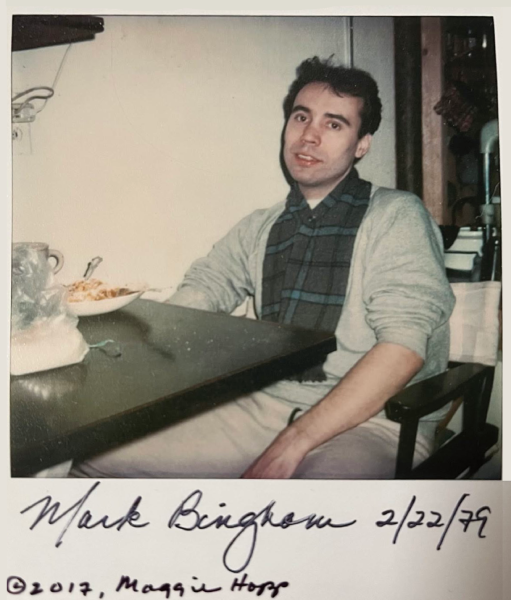
Mark Bingham at a kitchen table on February 22, 1979. Photograph by Maggie Hopp.

Mark Bingham, musician, songwriter, and producer, in an informal portrait.
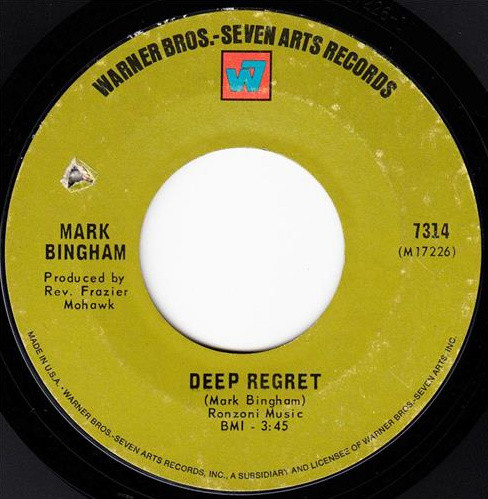
“Deep Regret,” written and performed by Mark Bingham, was released on Warner Bros.–Seven Arts Records with “Your Problems and Mine” on the reverse. Rev. Frazier Mohawk produced the single.
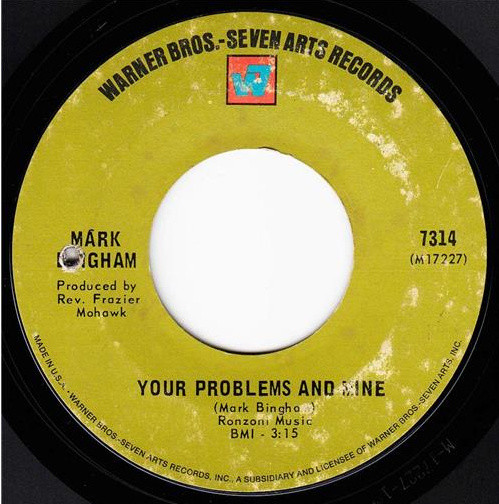
Mark Bingham wrote and performed “Your Problems and Mine,” released on Warner Bros.–Seven Arts Records and produced by Rev. Frazier Mohawk.
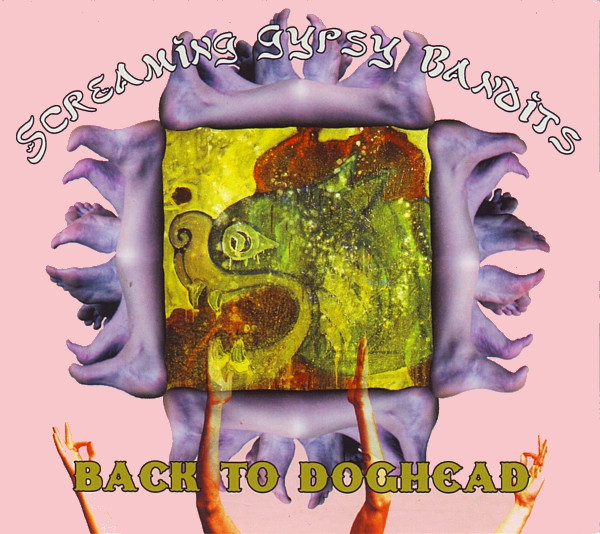
Mark Bingham’s early work with Bloomington’s Screaming Gypsy Bandits is featured on Back to Doghead, a collection of the band’s recordings from 1970–1972.
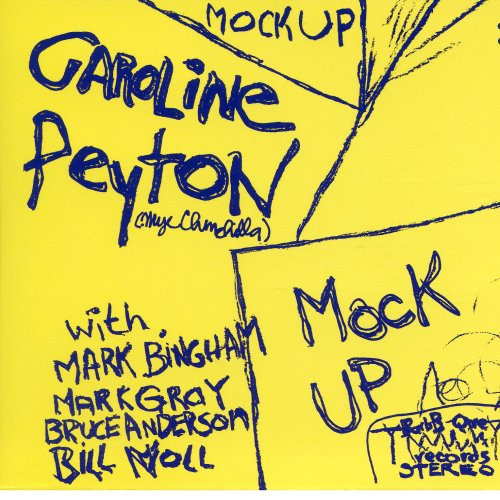
Recorded in Bloomington, Caroline Peyton’s debut album Mock Up (1972) features Mark Bingham as producer, songwriter, and guitarist. It was released on the independent BRBQ Records label.
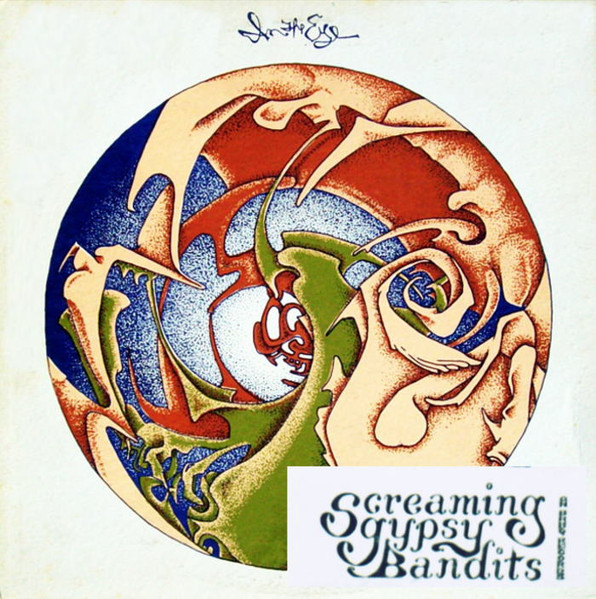
Released on BRBQ Records in 1973, In the Eye features Mark Bingham’s songwriting and performances with Bloomington’s Screaming Gypsy Bandits.
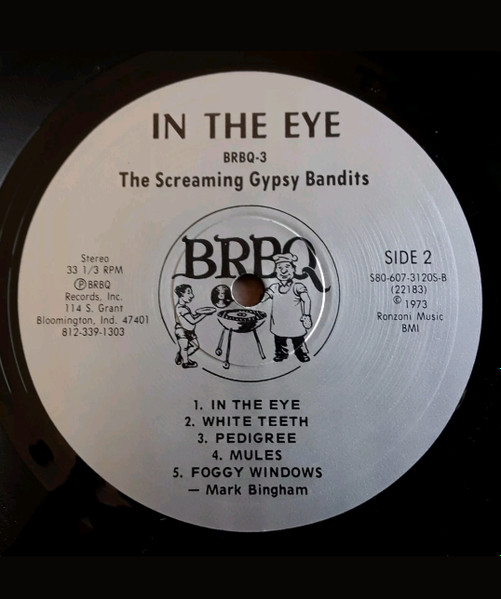
The side-two label of the Screaming Gypsy Bandits’ In the Eye (1973) credits Mark Bingham with all five compositions, including “White Teeth,” “Mules,” and “Foggy Windows.”
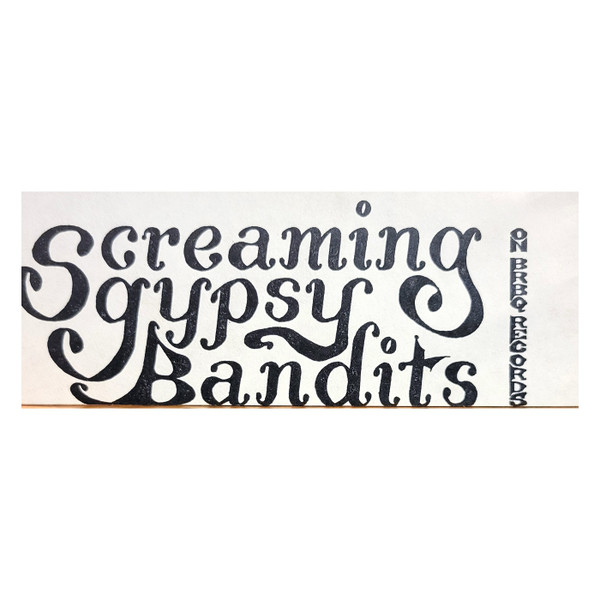
Promotional artwork for the Screaming Gypsy Bandits on BRBQ Records, the Bloomington band that featured Mark Bingham as a songwriter and performer.
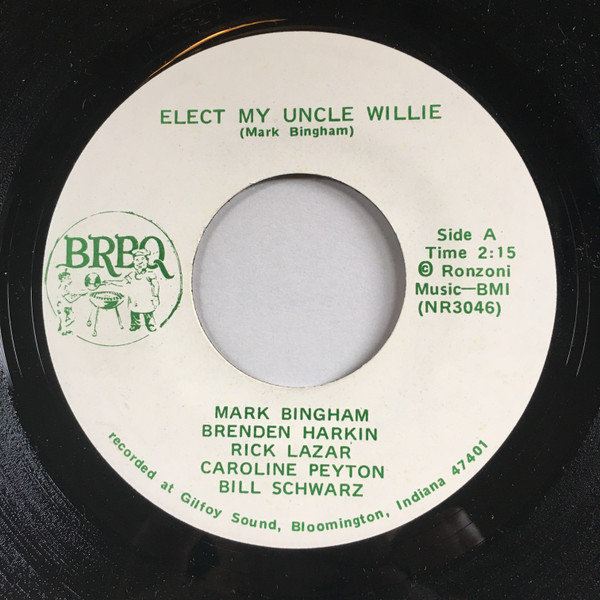
Written by Mark Bingham, “Elect My Uncle Willie” was recorded at Gilfoy Sound in Bloomington and released on BRBQ Records. The label credits Bingham alongside Brenden Harkin, Rick Lazar, Caroline Peyton, and Bill Schwarz.
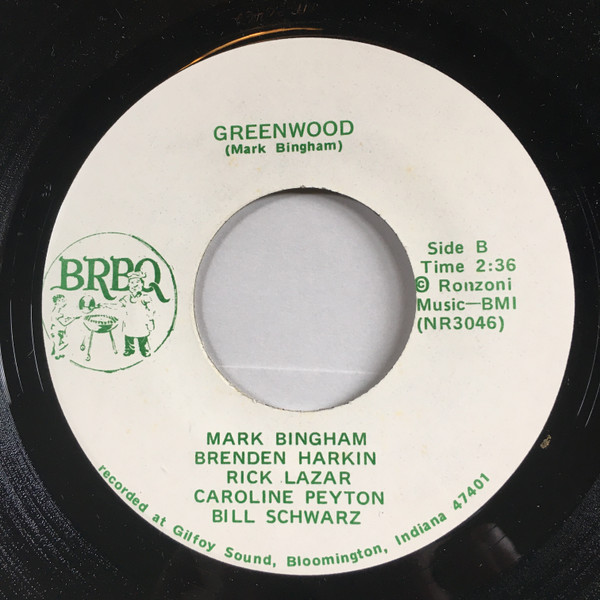
“Greenwood,” written by Mark Bingham, appears on the B-side of “Elect My Uncle Willie.” Recorded at Gilfoy Sound in Bloomington, the single features Bingham with Brenden Harkin, Rick Lazar, Caroline Peyton, and Bill Schwarz.
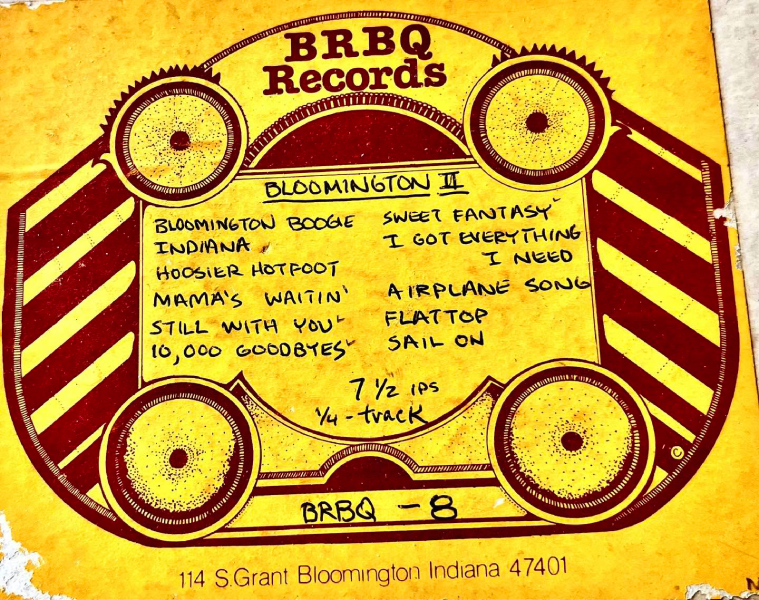
A reel-to-reel tape box for Bloomington II on BRBQ Records, the independent label Mark Bingham helped establish in Bloomington. The handwritten track list includes “Bloomington Boogie,” “Hoosier Hotfoot,” and “Still with You.”
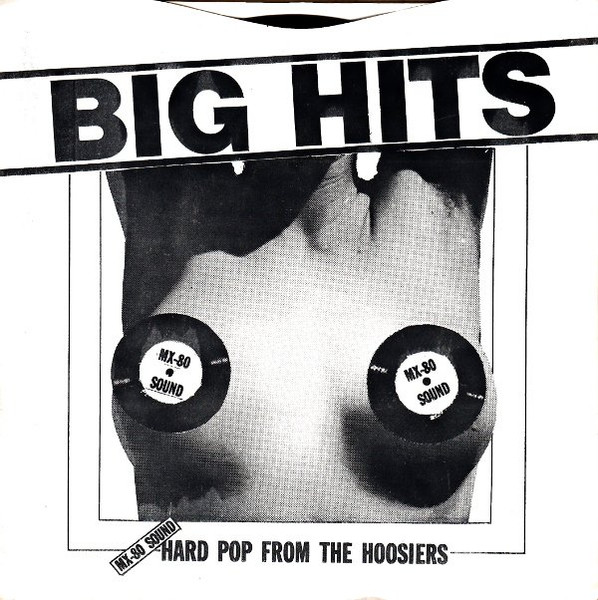
MX-80 Sound’s 1976 EP Big Hits was produced by Mark Bingham and recorded by Mark Hood at Gilfoy Sound in Bloomington, documenting Bingham’s work with Indiana’s experimental rock scene.
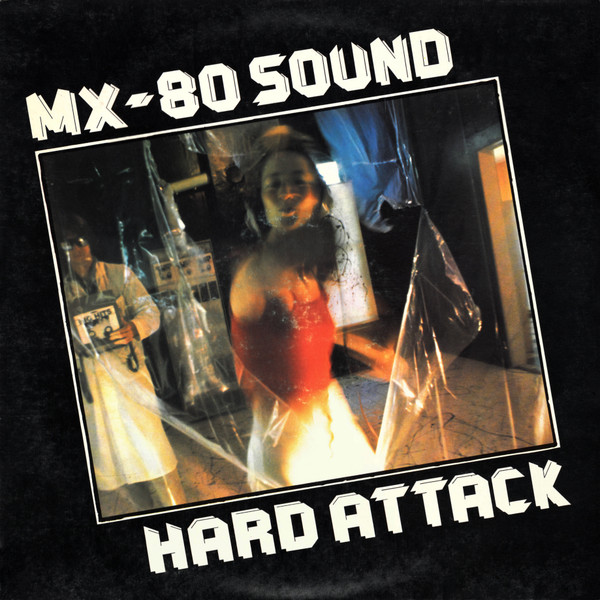
Released by Island Records in 1977, MX-80 Sound’s debut album Hard Attack was produced by Mark Bingham at Gilfoy Sound in Bloomington, continuing his collaboration with the band after its Big Hits EP.
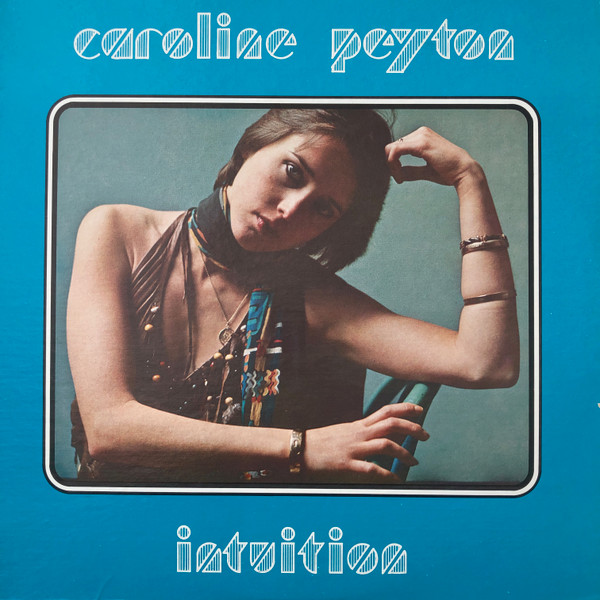
Caroline Peyton’s Intuition (1977) features songs by Mark Bingham, who co-produced the album with Mark Hood. The record continued the Bloomington collaboration that began with Peyton’s debut, Mock Up.
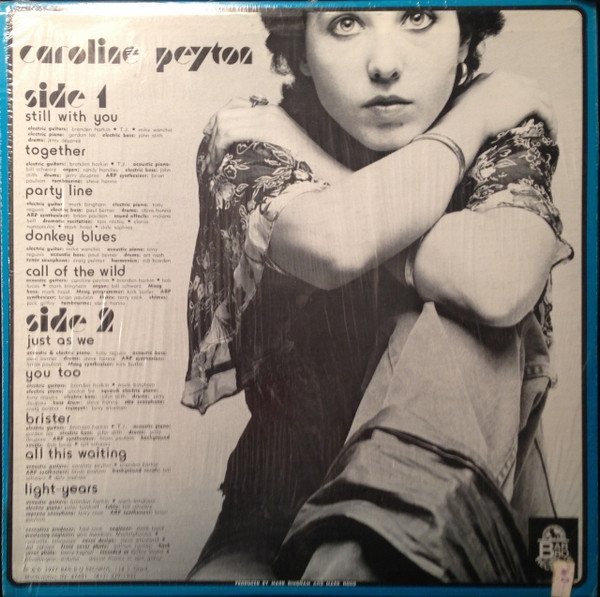
The back cover of Caroline Peyton’s Intuition (1977) lists songs and musicians from her continuing collaboration with Mark Bingham, who contributed songwriting and co-produced the album with Mark Hood.
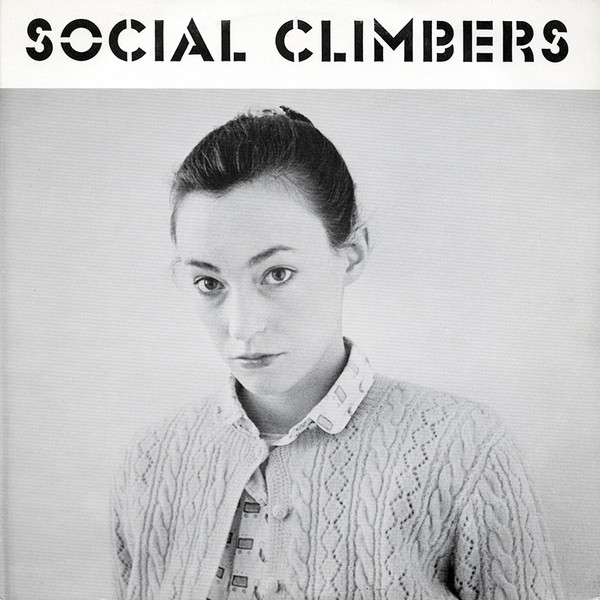
Social Climbers’ self-titled 1981 album features Mark Bingham’s songwriting, guitar, and vocals with Jean Seton Shaw and Dick Connette, documenting his work in New York’s experimental music scene.
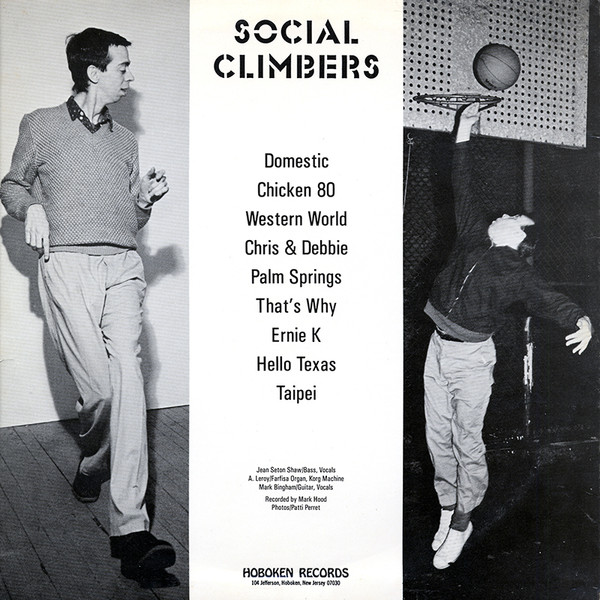
The back cover of Social Climbers’ 1981 album credits Mark Bingham on guitar and vocals alongside Jean Seton Shaw and A. Leroy (Dick Connette). The album was recorded by fellow Bloomington collaborator Mark Hood.
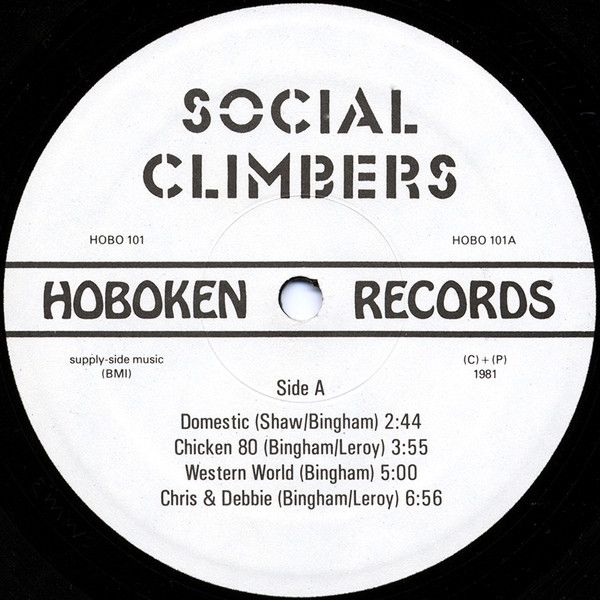
The side-A label of Social Climbers’ 1981 album credits Mark Bingham as writer or co-writer of all four tracks, including “Domestic,” “Western World,” and “Chris & Debbie.”
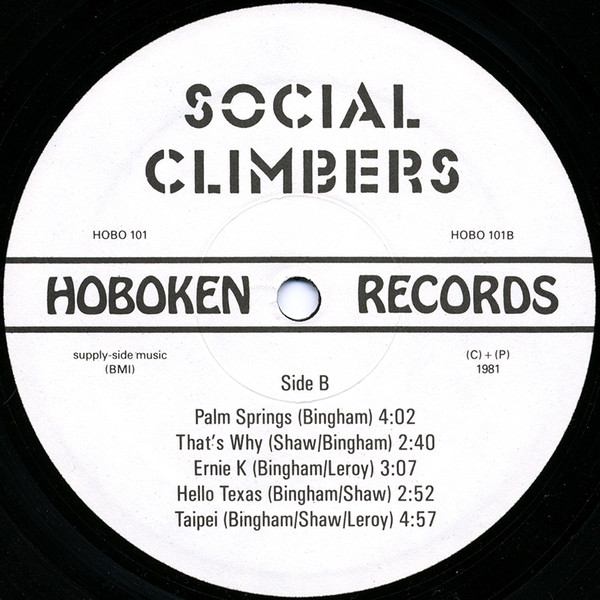
“Palm Springs,” “Hello Texas,” and “Taipei” are among the five songs written or co-written by Mark Bingham on side B of Social Climbers’ 1981 album.
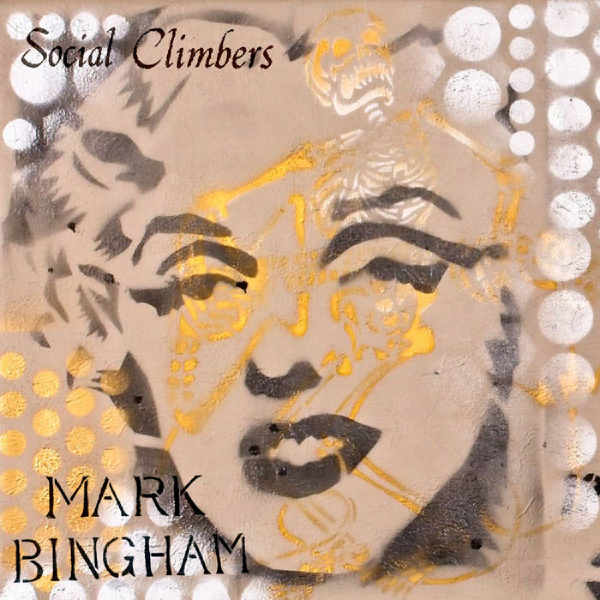
Mark Bingham’s Social Climbers collection documents his work as a songwriter, vocalist, and instrumentalist with the New York band he formed with Jean Seton Shaw and Dick Connette.
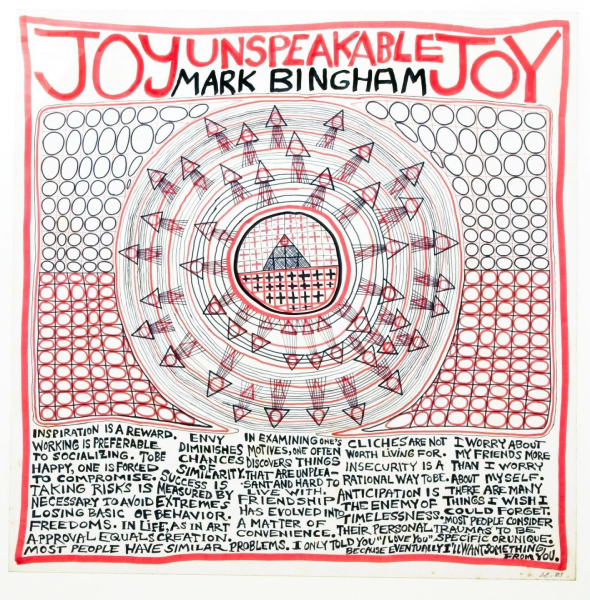
Cover artwork for Mark Bingham’s Joy Unspeakable Joy combines a circular geometric design with handwritten reflections on inspiration, creativity, and making art.
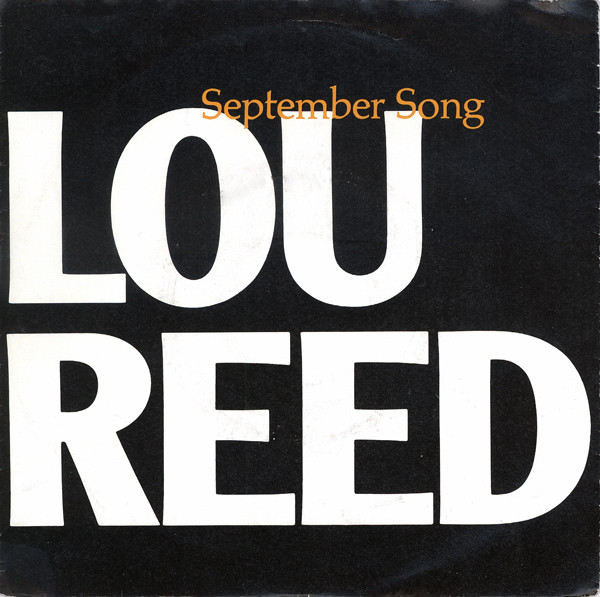
Lou Reed’s 1985 “September Song” single includes “O Heavenly Salvation” on the B-side, featuring Mark Bingham on guitar with singers Johnny Adams and Aaron Neville. Bingham co-arranged the track with Jay Weigel.
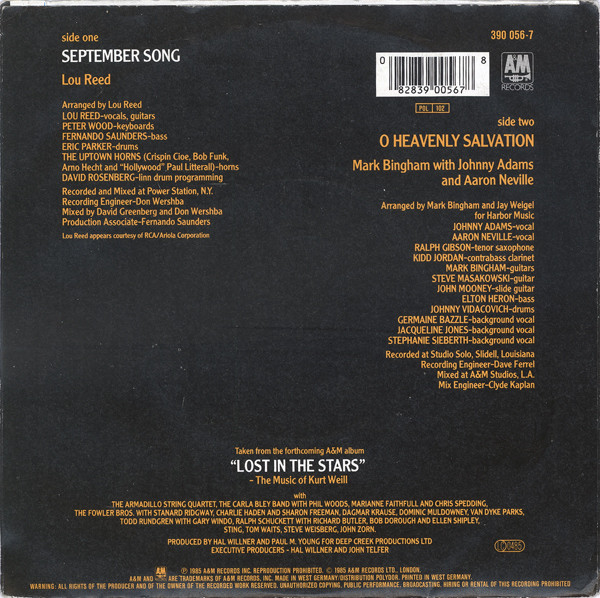
The back sleeve of “September Song” (1985) credits Mark Bingham as guitarist and co-arranger of “O Heavenly Salvation,” featuring Johnny Adams and Aaron Neville. Both recordings appeared on Lost in the Stars: The Music of Kurt Weill.
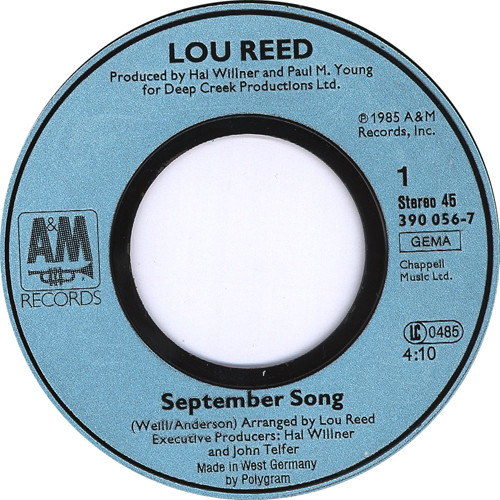
The A-side label of Lou Reed’s “September Song” (1985), paired with “O Heavenly Salvation” on the reverse, featuring Mark Bingham as guitarist and co-arranger with vocalists Johnny Adams and Aaron Neville.
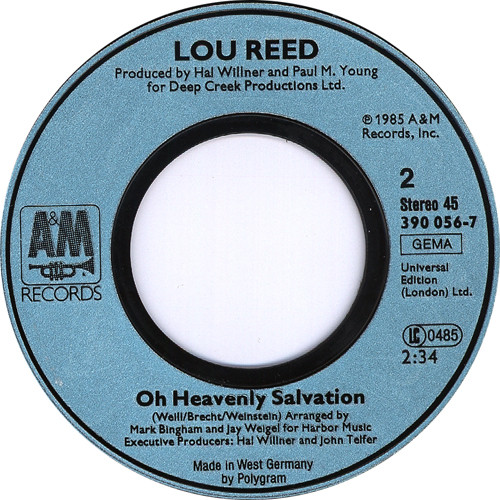
“Oh Heavenly Salvation” features Mark Bingham on guitar with vocalists Johnny Adams and Aaron Neville. Co-arranged by Bingham and Jay Weigel, the recording appeared on the B-side of Lou Reed’s 1985 “September Song” single.
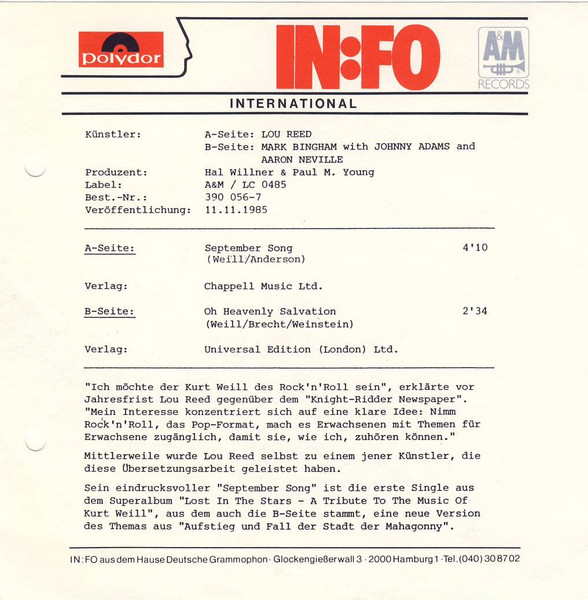
A German promotional sheet for the November 1985 release of “September Song” lists Mark Bingham with Johnny Adams and Aaron Neville as the performers of the B-side, “Oh Heavenly Salvation.”
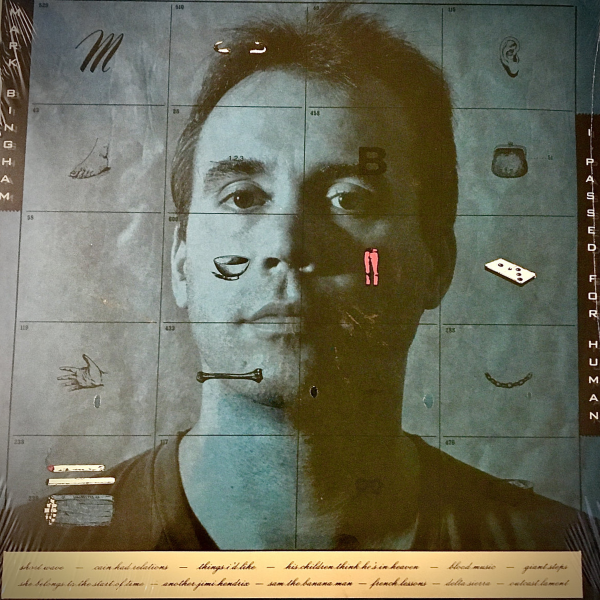
Released in 1989, I Passed for Human features Mark Bingham as a solo artist, producer, and arranger, bringing together several sides of his musical work.
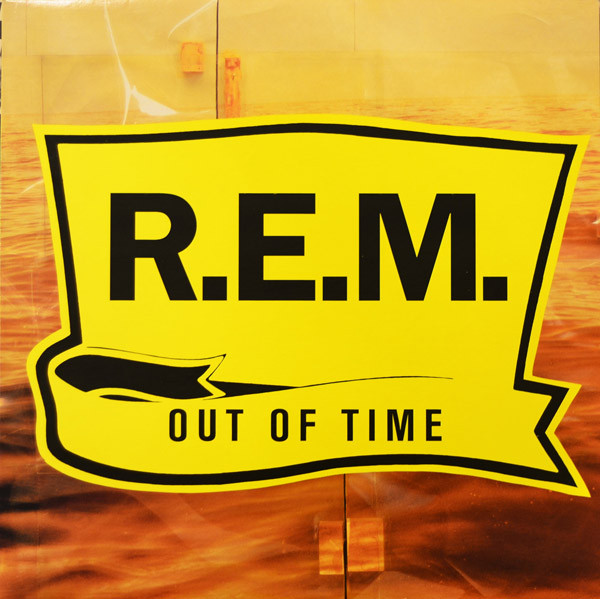
R.E.M.’s Out of Time (1991) features string and horn arrangements by Mark Bingham, including contributions to “Losing My Religion,” “Shiny Happy People,” and “Radio Song.”
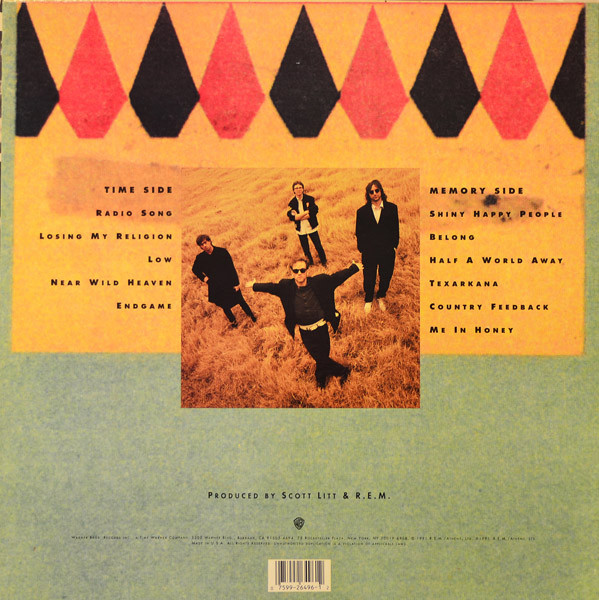
The back cover of R.E.M.’s 1991 album Out of Time, featuring “Losing My Religion” and “Shiny Happy People.” Mark Bingham contributed horn and string arrangements to the album.
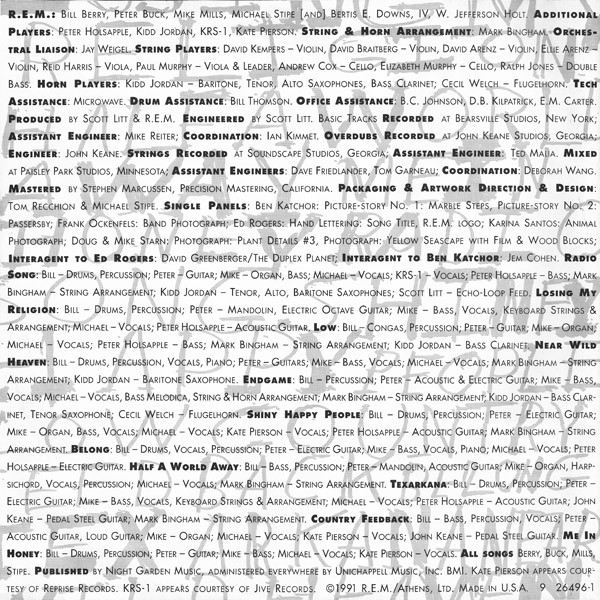
The credits for R.E.M.’s Out of Time (1991) list Mark Bingham’s string and horn arrangements, with individual arrangement credits on songs including “Radio Song,” “Losing My Religion,” and “Shiny Happy People.”

Andrei Codrescu’s Valley of Christmas pairs his storytelling with music composed by Mark Bingham, whose score accompanies the spoken-word holiday tale.
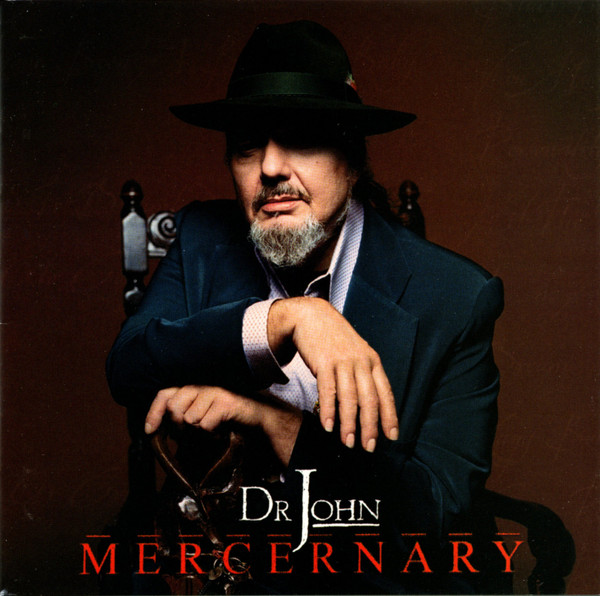
Dr. John’s Mercernary (2006), a tribute to songwriter Johnny Mercer, was recorded by Mark Bingham at Piety Street Recording in New Orleans. Dr. John and Sparky Nielsen produced the album.
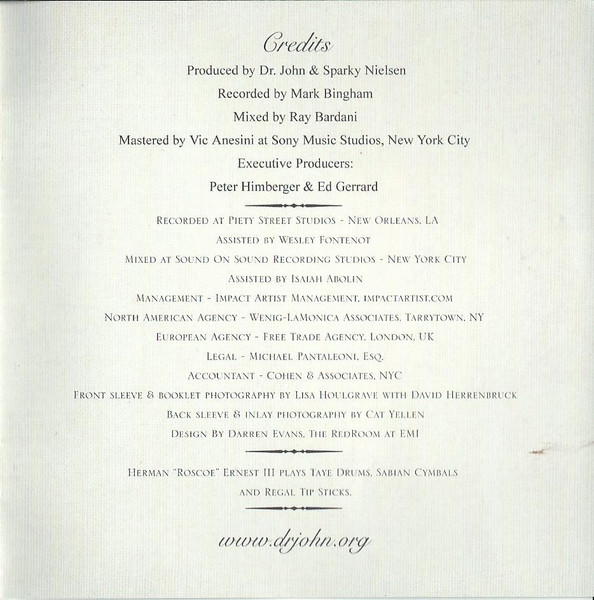
The credits for Dr. John’s Mercernary (2006) identify Mark Bingham as recording engineer at Piety Street in New Orleans, assisted by Wesley Fontenot. Dr. John and Sparky Nielsen produced the album.
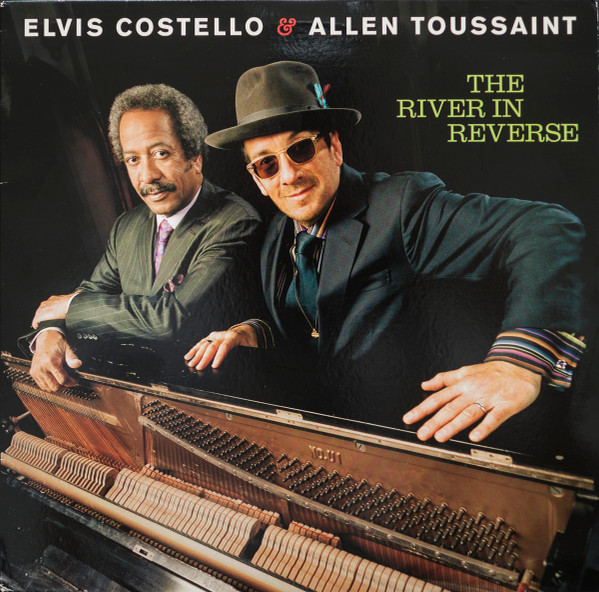
Elvis Costello and Allen Toussaint recorded part of The River in Reverse (2006) at Mark Bingham’s Piety Street Recording in New Orleans. Produced by Joe Henry, the album brought the musicians together in the aftermath of Hurricane Katrina.
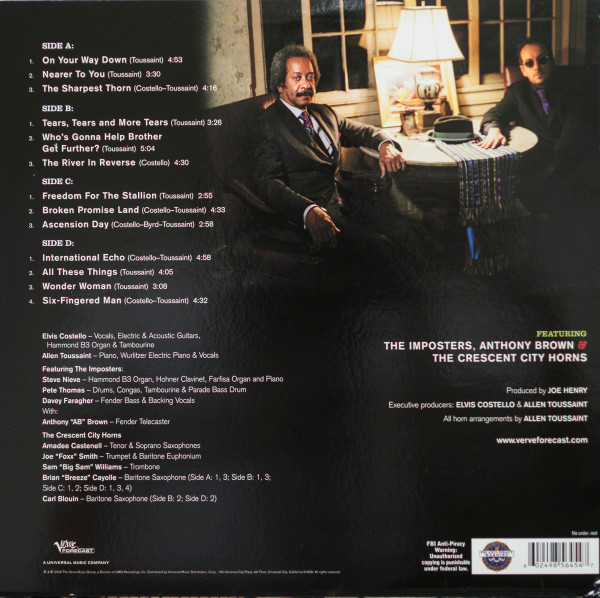
The back cover of Elvis Costello and Allen Toussaint’s The River in Reverse (2006), recorded partly at Mark Bingham’s Piety Street Recording in New Orleans. The album was produced by Joe Henry.
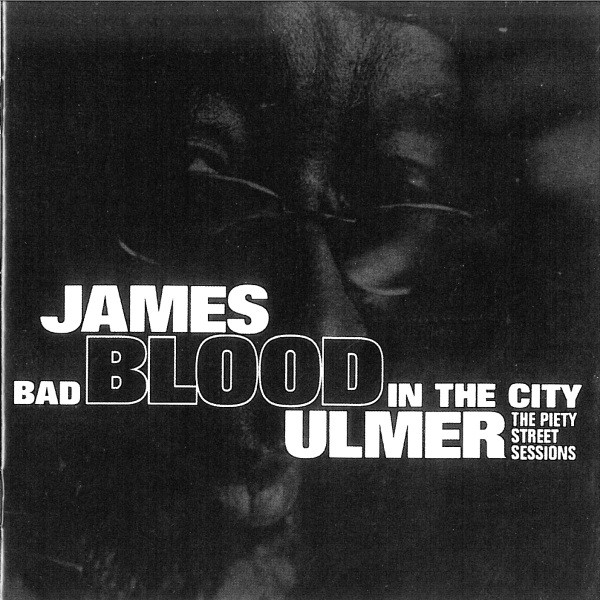
James Blood Ulmer’s Bad Blood in the City: The Piety Street Sessions (2007) was engineered by Mark Bingham at Piety Street in New Orleans. Guitarist Vernon Reid produced the album and performed alongside Ulmer.
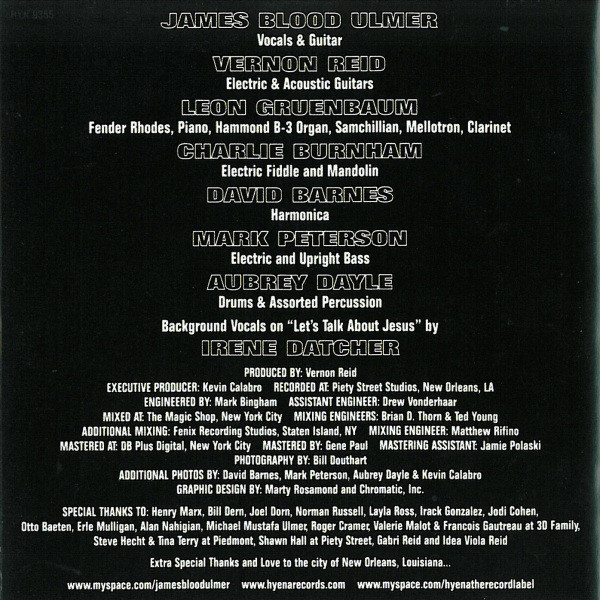
The credits for James Blood Ulmer’s Bad Blood in the City: The Piety Street Sessions (2007) list Mark Bingham as recording engineer. Produced by Vernon Reid, the album was recorded at Piety Street in New Orleans.
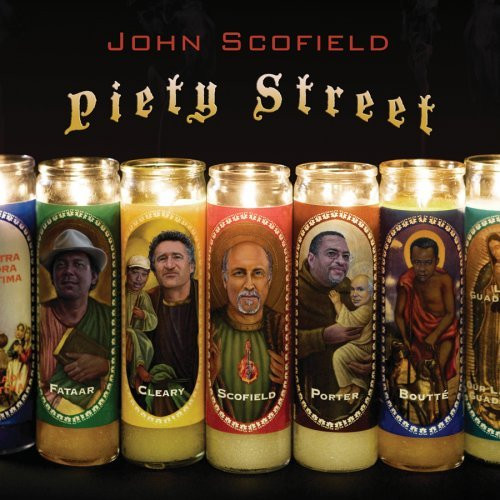
John Scofield’s Piety Street (2009) explores gospel songs with a New Orleans ensemble. Co-produced by Mark Bingham and Scofield, the album takes its name from the studio where it was recorded.
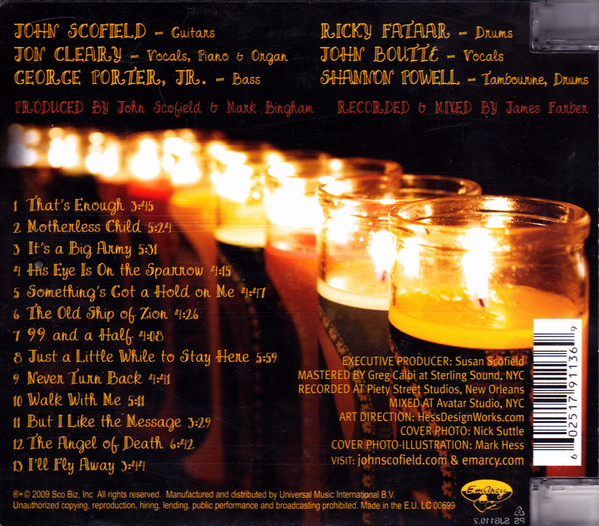
The back cover of John Scofield’s Piety Street (2009) credits Mark Bingham as co-producer alongside Scofield. Recorded at Piety Street in New Orleans, the album features Jon Cleary, George Porter Jr., Ricky Fataar, John Boutté, and Shannon Powell.
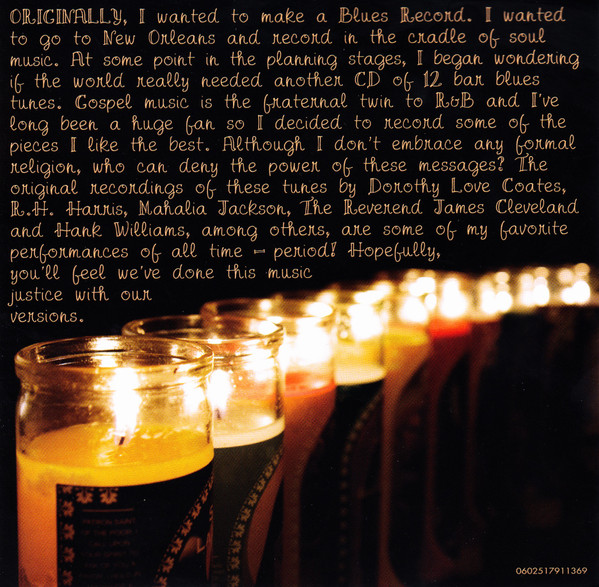
John Scofield’s liner notes explain how his plans for a blues record became a collection of gospel songs. Mark Bingham co-produced the resulting album, Piety Street (2009).
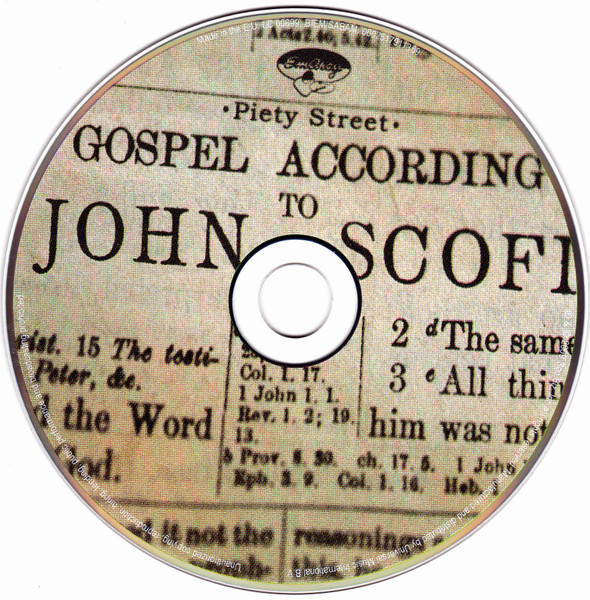
The CD artwork for John Scofield’s Piety Street (2009) reflects the album’s gospel repertoire. Mark Bingham co-produced the recording with Scofield at Piety Street in New Orleans.
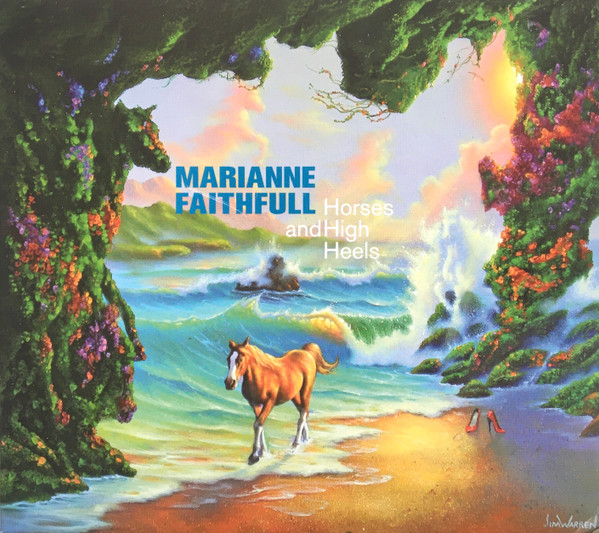
Marianne Faithfull’s Horses and High Heels (2011) was recorded and mixed by Mark Bingham at Piety Street in New Orleans. Working with producer Hal Willner, Bingham also contributed arrangements and played bass on “Prussian Blue.”
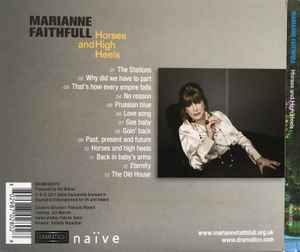
The back cover of Marianne Faithfull’s Horses and High Heels (2011), recorded and mixed by Mark Bingham at Piety Street in New Orleans. Bingham also contributed arrangements and played bass on “Prussian Blue.”
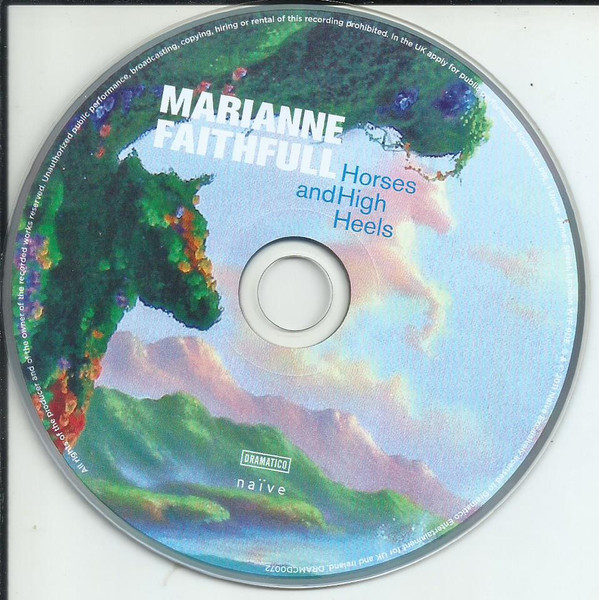
The CD edition of Marianne Faithfull’s Horses and High Heels (2011), produced by Hal Willner and recorded and mixed by Mark Bingham. Bingham also contributed arrangements and played bass on “Prussian Blue.”
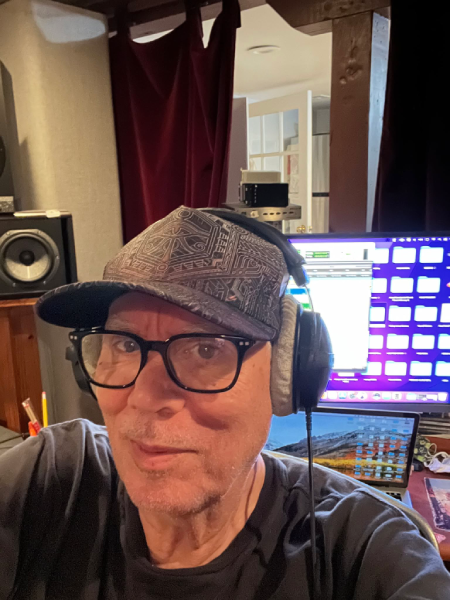
Mark Bingham in a recording studio, where his work includes producing, engineering, and performing on recordings.
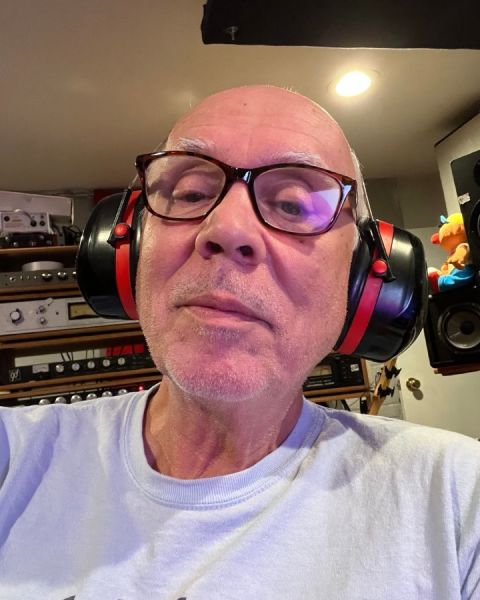
A self portrait of Mark Bingham, wearing headphones with recording equipment behind him.
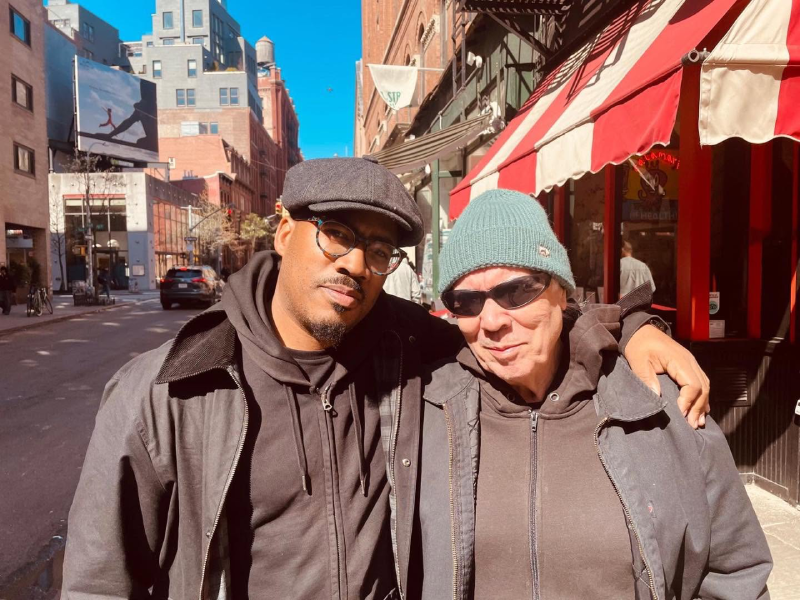
Jazz saxophonist and composer James Brandon Lewis, left, with Mark Bingham.
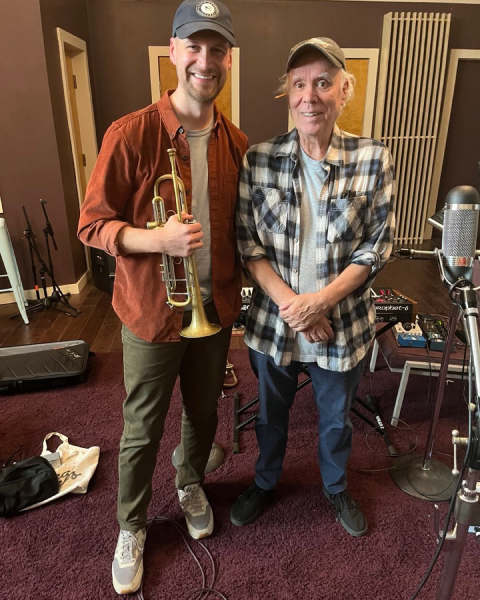
Jazz trumpeter and Indiana University educator John Raymond, left, with Mark Bingham at Echo Park in Bloomington on May 2, 2025.
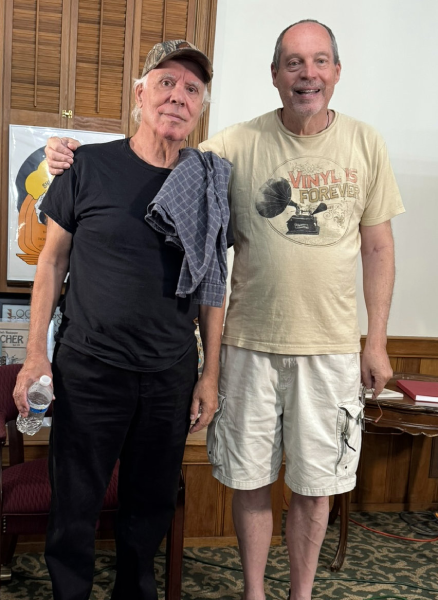
Mark Bingham, left, with Rick Wilkerson, founding member and executive director of the Indiana Music History Project, at the project’s museum on July 24, 2025, when Wilkerson interviewed Bingham for our oral history collection.
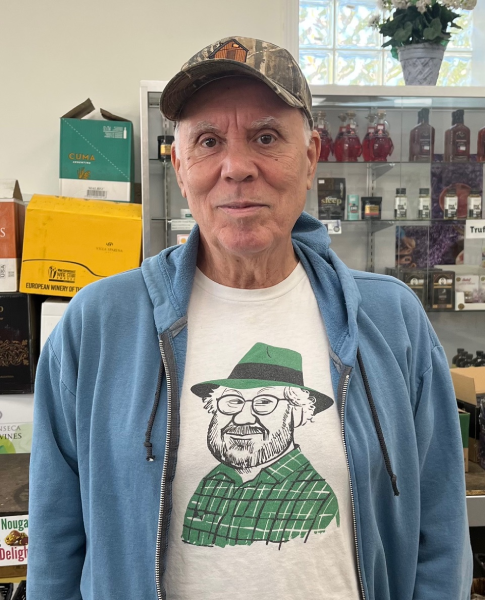
Mark Bingham poses for a casual portrait.
Preserving Indiana’s Music History
The Indiana Music History Project is made possible through the generous support of the Allen Whitehill Clowes Charitable Foundation. Their commitment to preserving Indiana’s rich musical heritage helps ensure these oral histories remain accessible for future generations.

Help Improve This Archive
Have additional information about this artist, story, or any of the photographs? If you can identify people, dates, locations, or have memories you’d like to share, we’d love to hear from you. Please use the button below and select “Submit Historical Information or Corrections” as the reason for your message.