Phil Ranelin Oral History
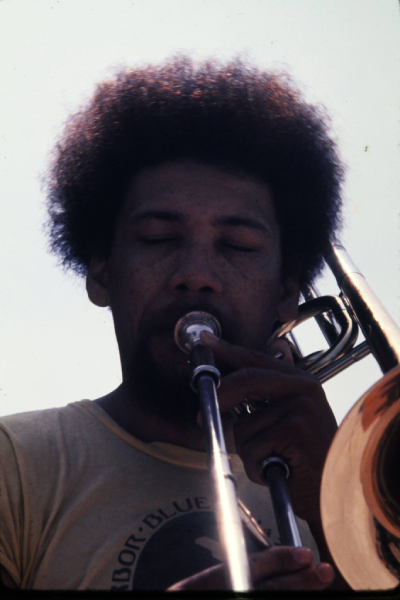
Phil Ranelin is an Indianapolis-born trombonist, composer, bandleader, recording artist, and educator whose career spans more than six decades. Born in 1939 and raised in the Martindale-Brightwood area, Ranelin developed his musical voice alongside a remarkable generation of Indianapolis musicians that included Freddie Hubbard, Wes Montgomery, David Baker, and others.
After developing as a young jazz, blues, and R&B musician in Indianapolis, Ranelin moved to Detroit in 1968. On his first day in the city, he called musician Sam Sanders, who invited him to audition for The Temptations. Ranelin landed the job, and just a week after leaving Indianapolis, he found himself back home for the opening date of a 10-city tour with the group. He went on to perform and record with major Motown artists, including Stevie Wonder, while becoming deeply involved in Detroit’s creative jazz community. In the early 1970s, Ranelin and saxophonist Wendell Harrison co-founded Tribe, an influential artist collective, record label, and magazine built around independent music, community involvement, and artistic self-determination. Ranelin later relocated to Los Angeles, toured and recorded with Freddie Hubbard, maintained an extensive career as a sideman and bandleader, and continued releasing new music into his eighties.
Interview Highlight
In this Interview Highlight, Phil Ranelin recalls leaving Indianapolis for Detroit in 1968 after saxophonist Sam Sanders encouraged him to make the move and promised that opportunities were waiting for him. Almost immediately after arriving, Ranelin found himself rehearsing for a tour with The Temptations.
The first stop on that tour brought him right back home to Indianapolis, where friends who barely realized he had left suddenly saw him return as a professional musician performing with one of Motown’s biggest acts. Ranelin also recalls touring with Stevie Wonder and explains how Wonder’s personal recommendation helped open the door for him to begin recording as a Motown session musician.
Complete Interview
In this Complete Interview, Phil Ranelin traces his musical journey from growing up in Indianapolis’s Martindale-Brightwood neighborhood to becoming an internationally respected trombonist, composer, bandleader, and recording artist. He recalls discovering J.J. Johnson while attending Arsenal Technical High School, studying jazz theory and improvisation with David Baker, and developing as a young musician in Indianapolis’s jazz, blues, and R&B clubs.
Ranelin shares memories of meeting Freddie Hubbard as a teenager, later performing with him after Hubbard returned to Indianapolis as an established jazz star, and sitting in with Wes Montgomery at the Hub-Bub Lounge. He also reflects on seeing John Coltrane and Elvin Jones perform in Indianapolis, learning to play for dancers and nightclub audiences, and experiencing the clubs and musicians surrounding Indiana Avenue during a transformative period in the city’s music history.
The conversation continues with Ranelin’s move to Detroit in 1968, touring with The Temptations and other Motown artists, recording as a session musician, and working with Stevie Wonder. Ranelin also discusses reconnecting with Wendell Harrison, working alongside Marcus Belgrave and Harold McKinney, and helping create the musical and cultural movement that became Tribe. He reflects on Tribe’s connection to Detroit’s Black community, its independent approach to music and publishing, and the lasting influence the organization and its recordings continue to have on younger generations.
Biography
Phil Ranelin was born May 25, 1939, in Indianapolis, Indiana. Raised in the Martindale-Brightwood area, he grew up surrounded by a wide variety of music. His grandmother maintained a record collection that exposed him to blues, rhythm and blues, jazz, and popular Black music. Among the artists he remembered hearing were Big Maybelle, James Brown, and Charlie Parker.
One of the defining moments of Ranelin’s musical development occurred while he was a student at Arsenal Technical High School. In the band room, Ranelin and a classmate decided to play a 78 rpm record that had been sitting unused for some time. The recording featured legendary Indianapolis trombonist J.J. Johnson. Hearing Johnson’s command of the instrument transformed Ranelin’s understanding of what the trombone could do and became an important inspiration in his decision to pursue the instrument seriously.
Ranelin also participated in a summer music program at Crispus Attucks High School led by influential Indianapolis music educator Russell Brown. The program brought together talented young musicians from throughout the city and exposed Ranelin to a community of players who would become part of Indianapolis’s remarkable jazz tradition.
During this period, Ranelin became acquainted with Freddie Hubbard. The two first met at a basketball game at Hill Community Center near 19th Street and Columbia Avenue. Although they came from neighborhoods that Ranelin remembered as rivals at the time, the two young musicians became friends.
By the 1960s, Hubbard had become one of the leading trumpet players in modern jazz. When Hubbard returned to Indianapolis with his band in 1964 for an engagement at Mr. B’s Lounge, Ranelin discovered the appearance almost by accident while making a delivery for his father’s concrete business. He returned to the club that evening, and Hubbard invited him to sit in with the band.
Ranelin’s Indianapolis education also included private study with David Baker. Baker, who later became one of the country’s most influential jazz educators, worked with Ranelin primarily on jazz theory, harmony, and improvisational concepts. Ranelin recalled Baker telling him that he was his first student. Those lessons helped expand Ranelin’s harmonic vocabulary and gave him a deeper understanding of improvisation.
Another important early experience came through pianist Melvin Rhyne, whom Ranelin knew from the Crispus Attucks summer music program. After running into Rhyne near Indiana Avenue, Ranelin learned that he was performing with Wes Montgomery at the Hub-Bub Lounge. Rhyne invited him to stop by.
Ranelin arrived at the club carrying his trombone and was introduced to Montgomery. When Montgomery asked Ranelin to “break it out” and sit in with the band, Ranelin happily agreed. The experience became much more than a single sit-in. Ranelin continued returning to perform with Montgomery for approximately sixteen weeks and later remembered that one of the most important things he learned during those sessions was how to play the blues.
Indianapolis in the 1950s and 1960s offered Ranelin a demanding musical education outside the classroom. He worked with rhythm and blues and blues groups, played dances and nightclubs, learned standards and ballads, and developed his repertoire by watching how audiences responded to the music.
Ranelin remembered that Indianapolis audiences could be hostile towards Jazz bands because they preferred the Blues. Jazz existed alongside blues and R&B, and musicians had to learn how to communicate with people who came to clubs primarily to dance and be entertained. Those experiences helped shape his ability to move comfortably between jazz, blues, rhythm and blues, and popular music.
Among the clubs and venues Ranelin frequented were the Pink Poodle, the 19th Hole, the British Lounge, the Cactus Club, the Hub-Bub Lounge, and other establishments around Indianapolis and Indiana Avenue. These clubs brought together local musicians and nationally known performers and gave young players opportunities to hear and sometimes perform alongside established artists.
Ranelin recalls notorious Indianapolis figure Isaac T. “Tuffy” Mitchell, known as the “King of the Numbers” and owner of the Pink Poodle along Indiana Avenue. Ranelin’s memories of Mitchell offer a glimpse into the colorful personalities and street culture surrounding the Avenue during his youth, when the neighborhood was a major center of Black music, nightlife, and entertainment in Indianapolis.
Ranelin saw John Coltrane perform in at the Pink Poodle during this period and had the opportunity to meet both Coltrane and drummer Elvin Jones. He remembered Coltrane as quiet and humble. During this time, Coltrane had begun to play “free music” that challenged many musicians in Indianapolis, including Ranelin and David Baker, who were accustomed to hearing improvisation built more clearly around established chord changes.
Ranelin also remembered seeing John Coltrane perform at the Murat Theatre during the saxophonist’s more experimental, free-jazz period. Before the performance, drummer Elvin Jones came onto the stage with a hammer and nail and secured a 2×4 board directly to the stage to keep his drum kit from sliding forward as he played. Ranelin recalled the ushers reacting with each strike of the hammer, adding another memorable detail to a performance that exposed him to musicians pushing jazz into new and unfamiliar territory.
While Ranelin was developing as a musician, he continued working for his father, Kenneth Ranelin, who operated a successful concrete and contracting business. His father hoped that Phil might eventually help take over the family business, and Ranelin understood the stability that path could offer.
Music, however, continued pulling him in another direction.
A major turning point came when Ranelin met Detroit saxophonist Sam Sanders during one of Sanders’s Indianapolis performances. Ranelin sat in with the band, and Sanders was impressed enough to encourage him to move to Detroit. Sanders told Ranelin that he worked as a contractor for bands backing major performers and believed he could help him find professional work.
Ranelin took him seriously.
In 1968, he left Indianapolis and moved to Detroit. His sister was living there, giving him a place to stay while he established himself. On his first night in the city, he contacted Sanders and was invited to a rehearsal.
That rehearsal led immediately to an opportunity to tour with The Temptations. Within a week of leaving Indianapolis, Ranelin had joined a professional Motown touring production.
In an extraordinary coincidence, the first stop on the tour was Indianapolis.
Ranelin returned to his hometown only a week after leaving, now performing with The Temptations. He remembered suddenly being treated like a celebrity by people who had barely realized he had moved away. The experience confirmed that his decision to leave the family business and pursue music professionally had opened an entirely new chapter in his life.
Detroit placed Ranelin at the center of one of the most important music industries in the United States. He toured with several Motown acts and became part of the network of musicians who supported the label’s artists both onstage and in recording studios.
Ranelin recalled working with The Temptations, Gladys Knight and the Pips, Smokey Robinson and the Miracles, Martha and the Vandellas, and other performers associated with Motown. He also performed and recorded with Michael Jackson during his years in the Motown orbit.
One of the most important relationships of this period developed while Ranelin was performing on tour with Stevie Wonder. Ranelin was positioned near Wonder’s keyboards and noticed that Wonder frequently leaned toward him while listening to his playing.
Near the end of the tour, Wonder asked Ranelin to leave his telephone number with his manager. Ranelin did so immediately. Only a few days after the tour ended, Ranelin received a call from Motown inviting him to begin recording in the studio.
Ranelin credited Wonder’s recommendation with helping him gain access to studio work that other musicians had previously tried unsuccessfully to arrange for him. From that point forward, he participated in Motown recording sessions in which musicians might record material for several different songs during a single session, often without knowing which artist would eventually release the finished recordings.
At the same time Ranelin was working in Motown’s commercial music world, he became increasingly involved in Detroit’s creative jazz community.
Through trumpeter Marcus Belgrave, Ranelin met pianist and educator Harold McKinney and began performing with McKinney’s Creative Profile. The group became another important part of Ranelin’s development as a creative musician outside the Motown system.
Ranelin also reconnected with saxophonist Wendell Harrison, whom he had first met years earlier in Indianapolis when Harrison passed through the city while performing with Hank Crawford’s band at the Pink Poodle.
After Harrison returned to Detroit, Ranelin, Harrison, and other musicians began playing and rehearsing together. Ranelin remembered that their sound blended particularly well as a horn section and that they shared ideas extending beyond music.
In 1971, Ranelin and Harrison helped establish Tribe, an artist collective that operated as a musical organization, independent record label, and magazine. Other musicians associated with the original Tribe community included Marcus Belgrave, Kenny Cox, Doug Hammond, Charles Moore, David Durrah, and Ron Brooks.
Tribe was more than a performing group or record company. Its members sought ways to create, document, publish, and distribute their own work while maintaining a strong connection to Detroit’s Black community. Music, concerts, education, publishing, political thought, and community involvement became interconnected parts of the organization.
The social and political environment of the era naturally became part of Tribe’s music. Ranelin recalled that the musicians were writing about realities they experienced in everyday life rather than separating their art from the world surrounding them.
Tribe’s magazine provided another platform for music, cultural discussion, political thought, and community concerns. This combination of recording, performance, publishing, and independent organization helped distinguish Tribe from a conventional record label.
Ranelin and Harrison released Message from the Tribe in 1972, a recording that combined spiritual and exploratory jazz with funk, soul, and themes of community and self-determination. Ranelin followed with two important albums under his own name, The Time Is Now! in 1974 and Vibes from the Tribe in 1976.
These recordings became some of the most enduring work associated with Detroit’s independent jazz movement. Although created outside the mainstream record industry, the albums continued finding new listeners long after their original releases.
In late 1977, Ranelin relocated to Los Angeles, beginning another major chapter of his career. The move placed him within a new community of musicians while allowing him to continue working as both a jazz artist and professional sideman.
Ranelin soon reunited professionally with his longtime Indianapolis friend Freddie Hubbard. Between 1979 and 1981, he performed with Hubbard’s touring and recording bands and appeared on the albums The Love Connection, Skagly, and Mistral.
The collaboration brought Ranelin’s story with Hubbard full circle. The two musicians had first met as young men in Indianapolis before Hubbard departed for New York and became an international jazz star. Decades later, they were again sharing stages and recording studios as established professional musicians.
Ranelin continued working extensively as a sideman while pursuing his own creative projects. His wide-ranging career eventually included collaborations with musicians and groups associated with Horace Tapscott, Solomon Burke, Norman Connors, Freddie Redd, Tramaine Hawkins, Wayne Kramer, and others.
In 1984, Ranelin appeared in the horn section on the Red Hot Chili Peppers’ self-titled debut album. During the same period, he also worked within pianist Horace Tapscott’s Pan-Afrikan Peoples Arkestra, connecting him with another important Los Angeles-based community of independent and socially engaged musicians.
Ranelin continued recording under his own name as well. In 1986, he recorded Love Dream for Wendell Harrison’s Rebirth label. A decade later, he released the self-produced A Close Encounter of the Very Best Kind, featuring musicians from his Los Angeles ensemble.
By the late 1990s and early 2000s, Ranelin began witnessing an unexpected revival of interest in the Tribe recordings. DJs, record collectors, jazz listeners, beatmakers, and electronic music producers in the United States, Europe, and Japan began rediscovering the albums Tribe had created decades earlier.
Reissues of The Time Is Now! and Vibes from the Tribe introduced the music to a generation that had not been present when the records were originally released. Compilations and remix projects further expanded Tribe’s audience, demonstrating the influence the collective’s music had developed far beyond Detroit.
Ranelin responded to the renewed interest by continuing to perform and create. In 2004, he released Inspiration, an album of original compositions and arrangements that introduced another chapter of his work as a bandleader.
He followed with Living a New Day in 2009. That same period also brought another revival of Tribe itself, with original members reconnecting with a younger generation of Detroit musicians.
Producer Carl Craig helped bring members of Tribe together for Rebirth, a project that paired musicians from the collective’s original era with younger Detroit artists, including Amp Fiddler and Karriem Riggins. The collaboration demonstrated how Tribe’s original ideas had continued circulating through subsequent generations of Detroit music.
Ranelin continued his recording career with Perseverance in 2011, collaborating with bassist Henry “The Skipper” Franklin and percussionist Big Black. He also continued performing and contributing to projects by other artists.
The longevity of Ranelin’s work became increasingly remarkable as he entered his eighties. Rather than treating the renewed interest in his earlier recordings simply as a retrospective, he continued creating new music.
In 2020, Ranelin appeared on the Roy Ayers volume of Adrian Younge and Ali Shaheed Muhammad’s Jazz Is Dead series. The project connected Ranelin with another contemporary community of musicians and producers inspired by the jazz, soul, and independent music of earlier generations.
In 2021, Ranelin released Infinite Expressions, an album of original music recorded with a seven-piece ensemble. More than half a century after his earliest professional work, he remained active as a composer, arranger, performer, and bandleader.
Ranelin and Wendell Harrison also reunited once again, joining Younge, Muhammad, and drummer Greg Paul for a new recording project. The resulting album, Phil Ranelin and Wendell Harrison JID016, was released in 2023.
The collaboration brought together two musicians whose partnership stretched back to the earliest days of Tribe with artists from generations deeply influenced by the musical world they helped create.
Ranelin has been particularly struck by the way younger listeners continue discovering his work. During his Indiana Music History Project interview, he reflected on the growing interest in Tribe and the connection he has developed with audiences who were born decades after the music was originally recorded.
That continuing rediscovery has given Ranelin’s recordings a life far beyond the period in which they were first created. Music rooted in the cultural and political realities of Detroit in the 1970s has continued reaching jazz listeners, musicians, producers, DJs, and beatmakers throughout the world.
Throughout his career, Ranelin has maintained connections to both Indianapolis and Detroit while spending much of his later life in Los Angeles. His story brings together cities with extraordinary Black musical traditions and connects musicians ranging from J.J. Johnson, Wes Montgomery, Freddie Hubbard, and David Baker to Stevie Wonder, The Temptations, Marcus Belgrave, Harold McKinney, Wendell Harrison, Horace Tapscott, and generations of artists who followed.
His career also illustrates the many different worlds a professional musician could move through during one of the most important periods in American music. Ranelin performed blues and R&B in Indianapolis clubs, learned jazz alongside some of the city’s most important musicians, toured with Motown stars, worked as a studio musician, helped build an independent creative movement in Detroit, and continued developing new music in Los Angeles.
Through it all, the trombone remained at the center of his musical identity.
The instrument that first captured his imagination when he heard J.J. Johnson as a teenager became the vehicle through which Ranelin developed his own distinctive voice. From Indianapolis nightclubs and Motown stages to the exploratory music of Tribe and recordings made more than half a century later, Ranelin continually expanded the role the trombone could play within jazz and contemporary Black music.
More than eight decades after his birth in Indianapolis, Phil Ranelin remains part of a musical lineage that continues influencing listeners and musicians around the world. His career connects Indiana Avenue, Detroit, Motown, Tribe, Los Angeles, independent jazz, and generations of musicians who transformed and reinterpreted American music.
Image Gallery
Explore photographs, album artwork, promotional materials, performance images, and other photographs documenting Phil Ranelin’s career, from his Indianapolis roots and years in Detroit to Motown, Tribe, the Vibe Tribe, Los Angeles, and more than six decades of composing, recording, performing, and teaching music.
Phil Ranelin performing on trombone, from the Vibes From the Tribe era.
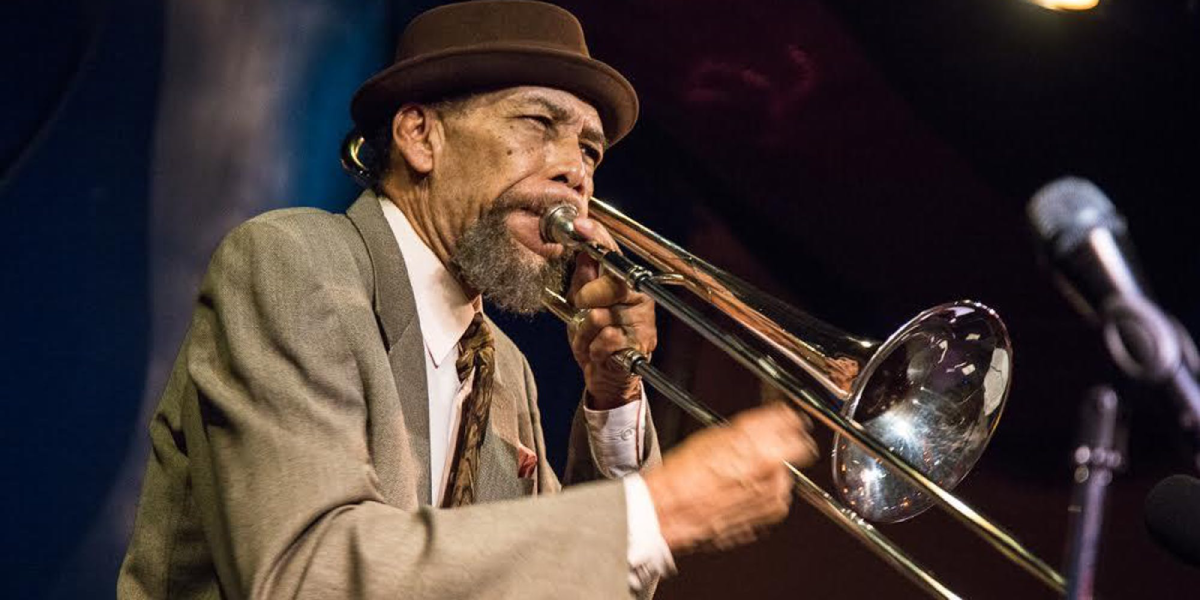
Phil Ranelin performing on trombone.
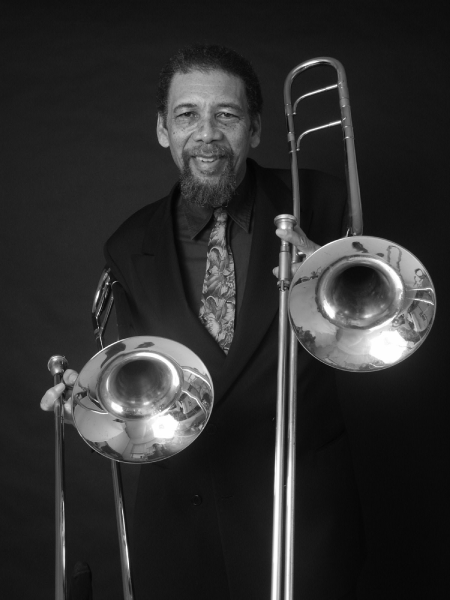
Phil Ranelin pictured with two trombones.
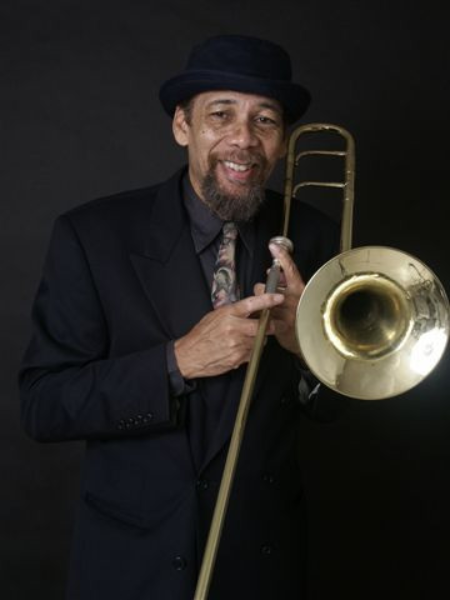
Promotional portrait of Phil Ranelin with his trombone.
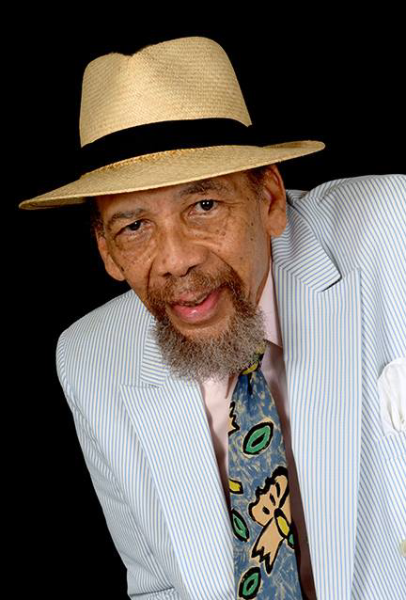
Portrait of Phil Ranelin.
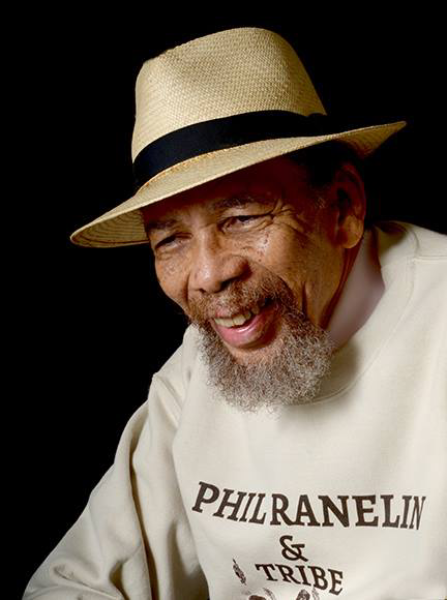
Phil Ranelin wearing a Phil Ranelin & Tribe shirt.

Poster from the Phil Ranelin Album Release Party featuring the Rob Dixon Tribe at Chatterbox January 29, 2024 (1)
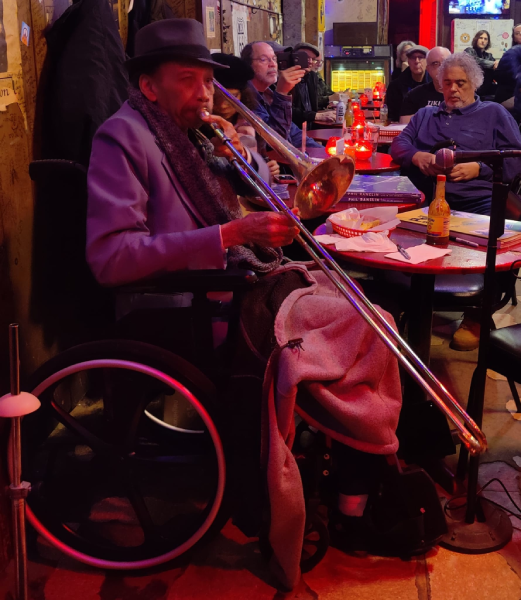
Phil Ranelin Performing at the Album Release Party featuring the Rob Dixon Tribe at Chatterbox January 29, 2024
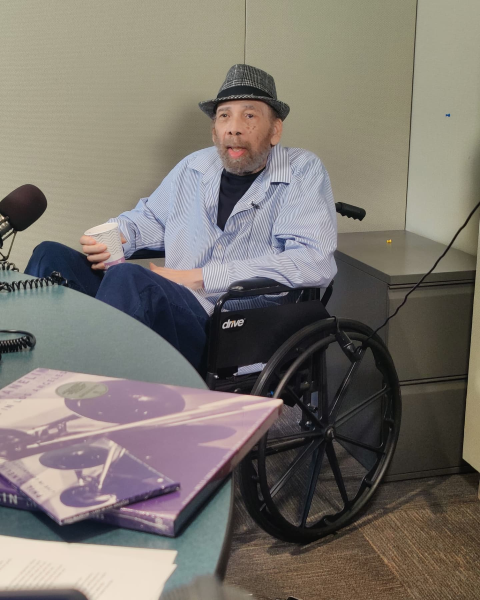
Phil Ranelin at WFYI – May 2, 2025 for the IMHP Oral History Interview with Kyle Long
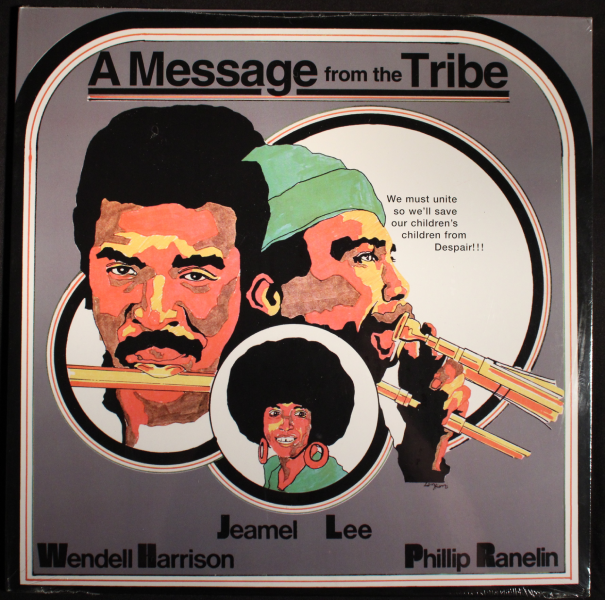
Front cover of A Message from the Tribe, the 1972 album by Phil Ranelin and Wendell Harrison, featuring vocalist Jeamel Lee. One of the defining releases from Detroit’s Tribe collective and record label, the album brought together adventurous jazz, social consciousness, and the independent artistic vision that Ranelin and Harrison helped establish.
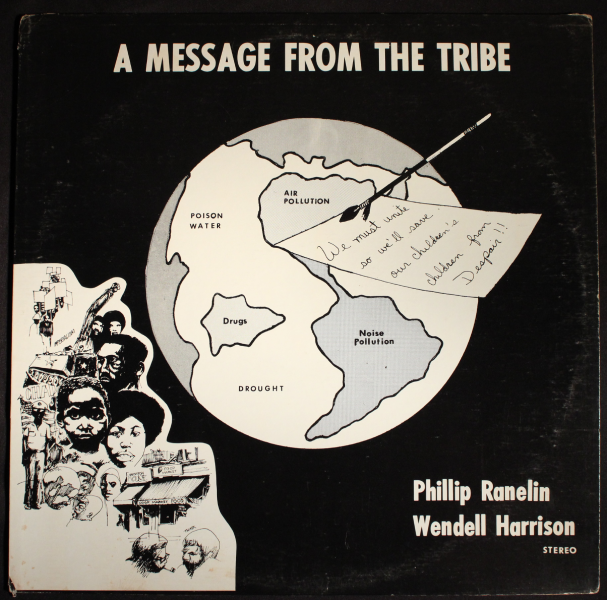
Back cover of A Message from the Tribe, the landmark 1972 album by Phil Ranelin and Wendell Harrison. Released on their Detroit-based Tribe label, the album combined adventurous jazz with socially conscious themes reflecting the collective’s commitment to community, creativity, and self-determination.
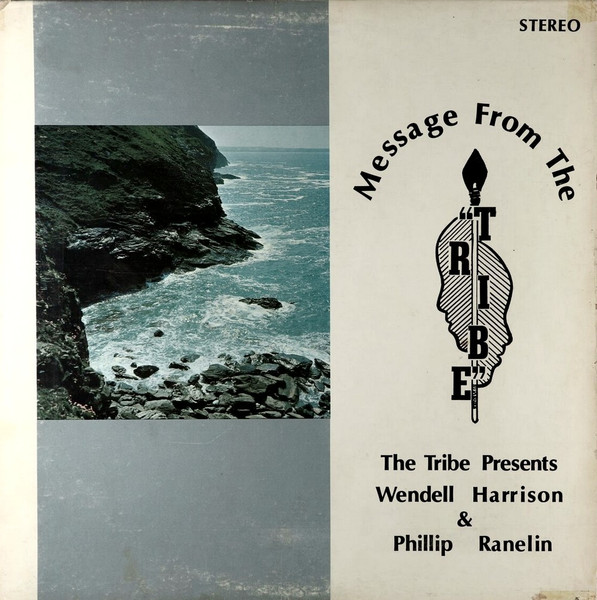
Wendell Harrison & Phil Ranelin – Message From The Tribe – Vinyl Front Cover – Released 1972 – Tribe
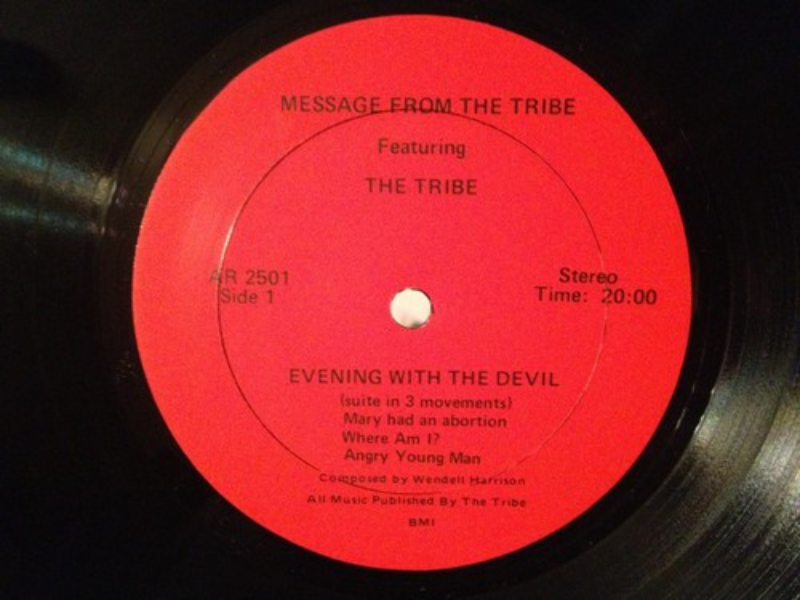
Wendell Harrison & Phil Ranelin – Message From The Tribe – Vinyl Label Side 1 – Released 1972 – Tribe
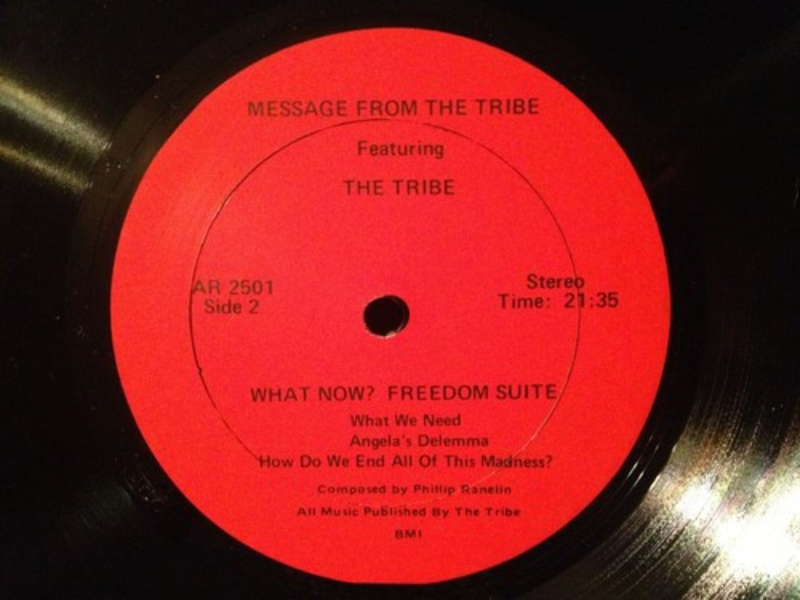
Wendell Harrison & Phil Ranelin – Message From The Tribe – Vinyl Label Side 2 – Released 1972 – Tribe
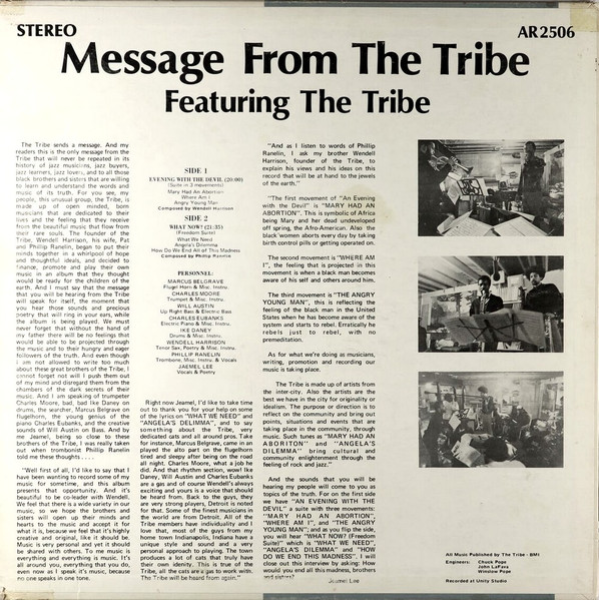
Wendell Harrison & Phil Ranelin – Message From The Tribe – Vinyl Back Cover – Released 1972 – Tribe
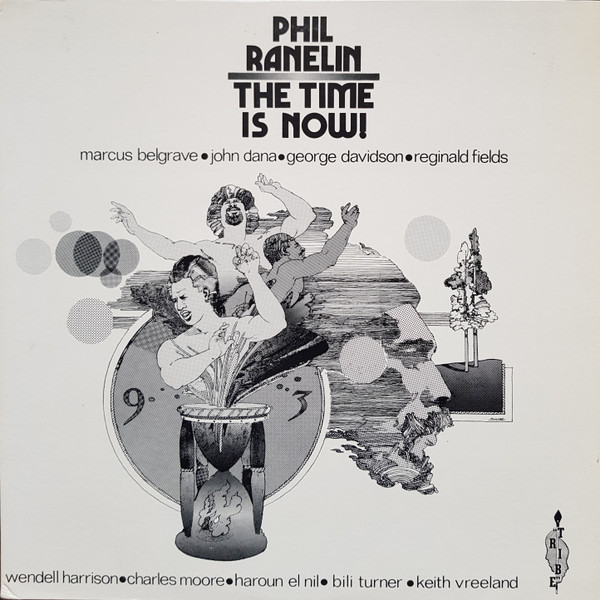
Phil Ranelin And The Tribe – The Time Is Now – Front Cover – Released 1974
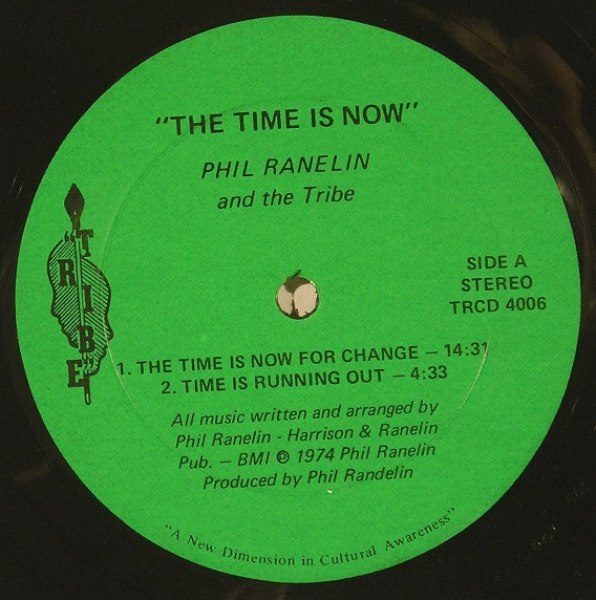
Phil Ranelin And The Tribe – The Time Is Now – Vinyl Label – Side A – Released 1974 – Tribe
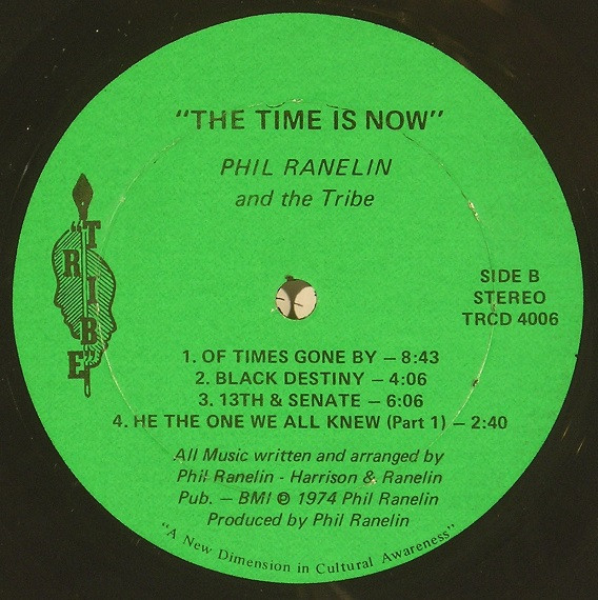
Phil Ranelin And The Tribe – The Time Is Now – Vinyl Label – Side B – Released 1974 – Tribe
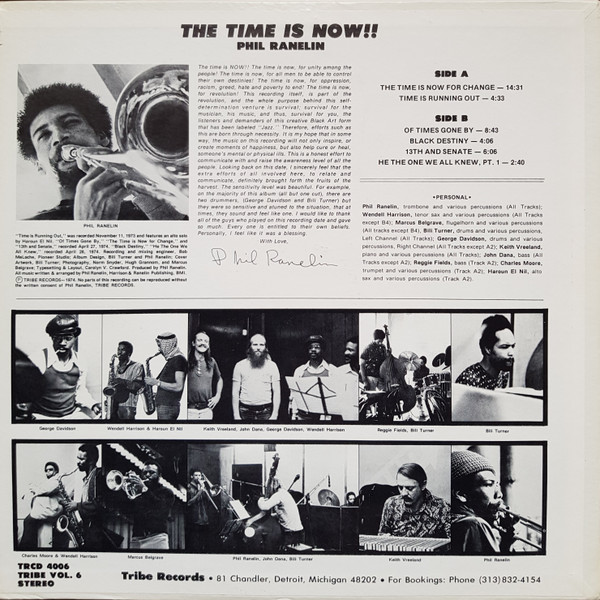
Phil Ranelin And The Tribe – The Time Is Now – Back Cover – Released 1974
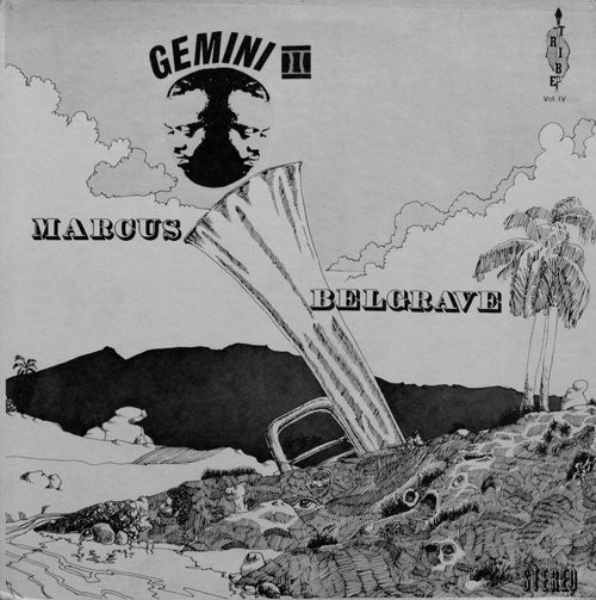
Marcus Belgrave – Gemini II – Featuring Phil Ranelin on Trombone and Percussion – Front Cover – Released 1974 – Tribe Records
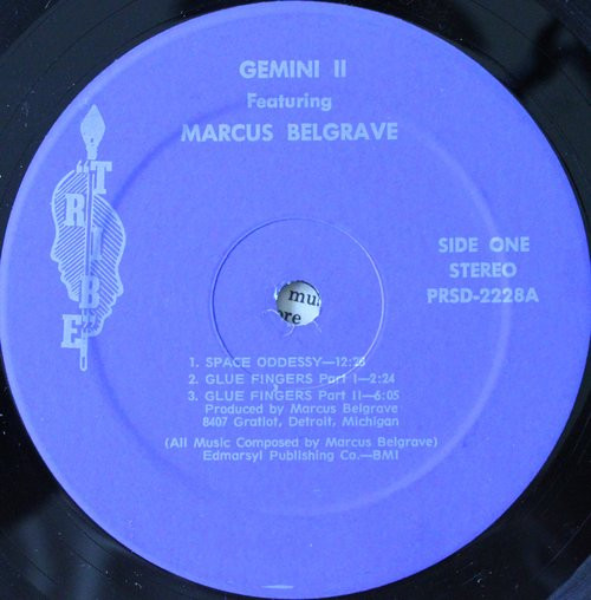
Marcus Belgrave – Gemini II – Featuring Phil Ranelin on Trombone and Percussion – Vinyl Label – Side One – Released 1974 – Tribe Records
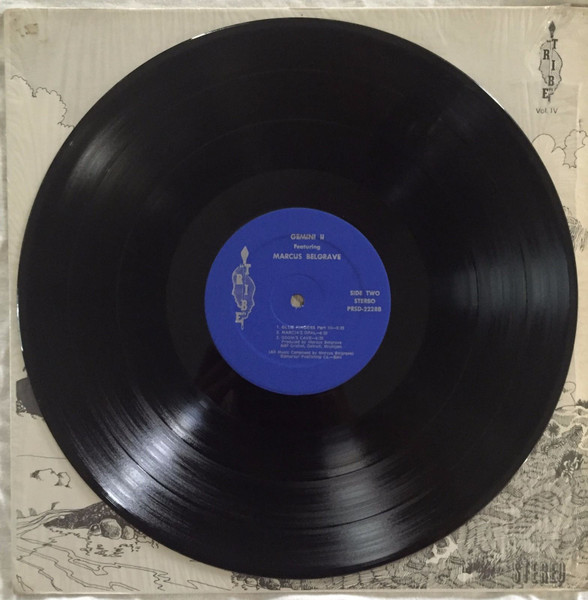
Marcus Belgrave – Gemini II – Featuring Phil Ranelin on Trombone and Percussion – Vinyl – Side Two – Released 1974 – Tribe Records
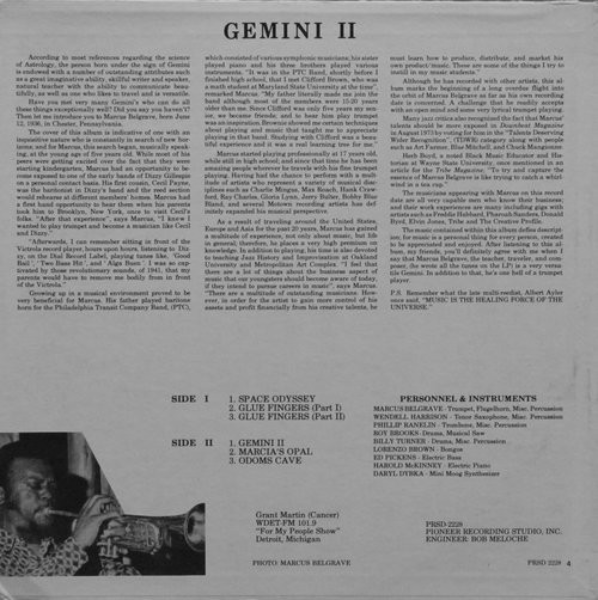
Marcus Belgrave – Gemini II – Featuring Phil Ranelin on Trombone and Percussion – Back Cover – Released 1974 – Tribe Records
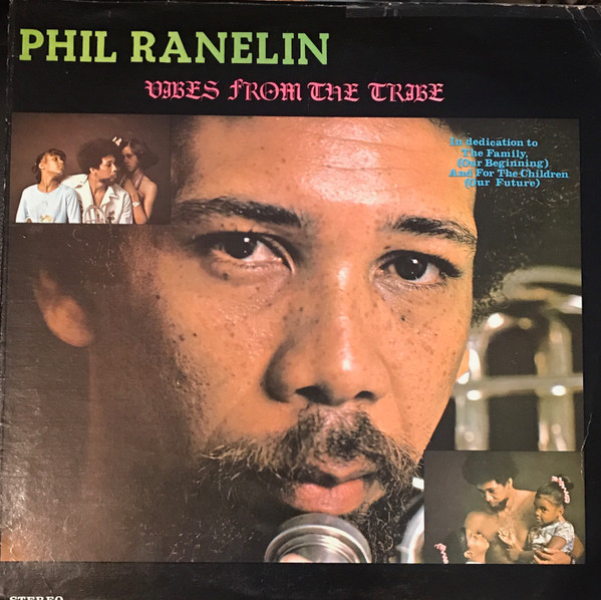
Phil Ranelin – Vibes From The Tribe – Front Cover – Released 1976 – Tribe
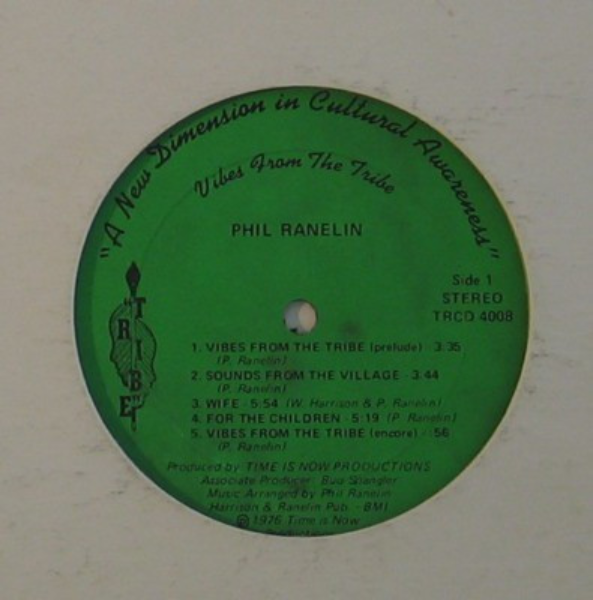
Phil Ranelin – Vibes From The Tribe – Vinyl Label – Side 1 – Released 1976 – Tribe
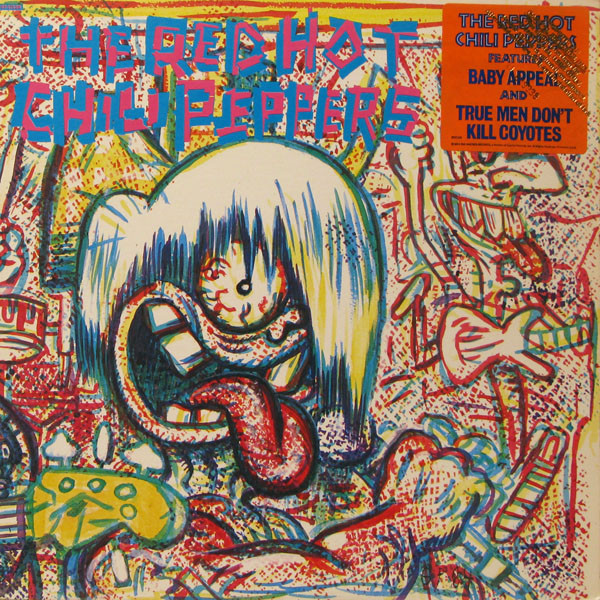
Cover of the Red Hot Chili Peppers’ self-titled 1984 debut album. Phil Ranelin contributed trombone to the recording, adding another notable credit to his work as a Los Angeles-based session musician during the 1980s.
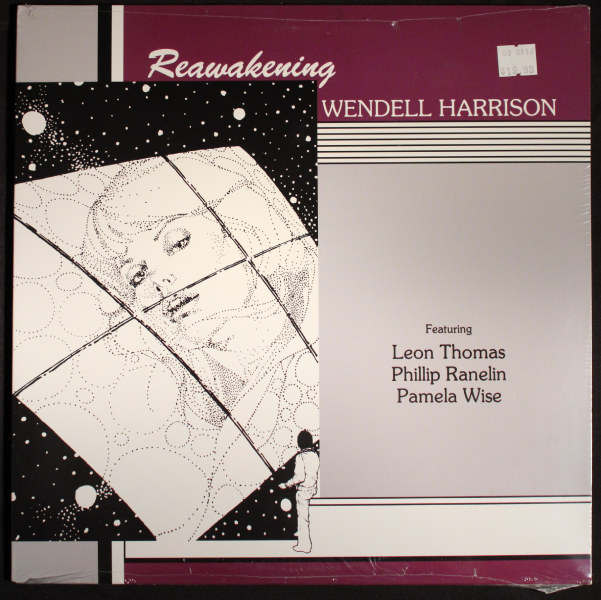
Cover of Wendell Harrison’s Reawakening, featuring Leon Thomas, Phil Ranelin, and Pamela Wise. The album documents Ranelin’s continuing musical collaboration with Harrison, his longtime colleague and fellow co-founder of the Detroit-based Tribe collective and record label.
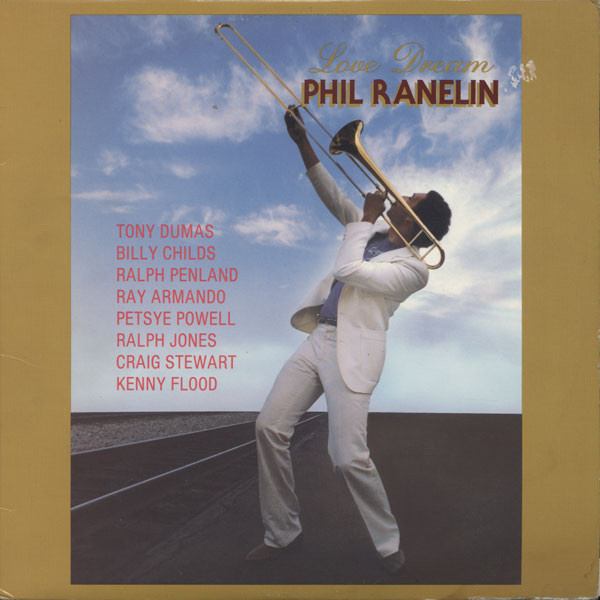
Phil Ranelin – Love Dream – Front Cover – Released 1986 – Rebirth Records
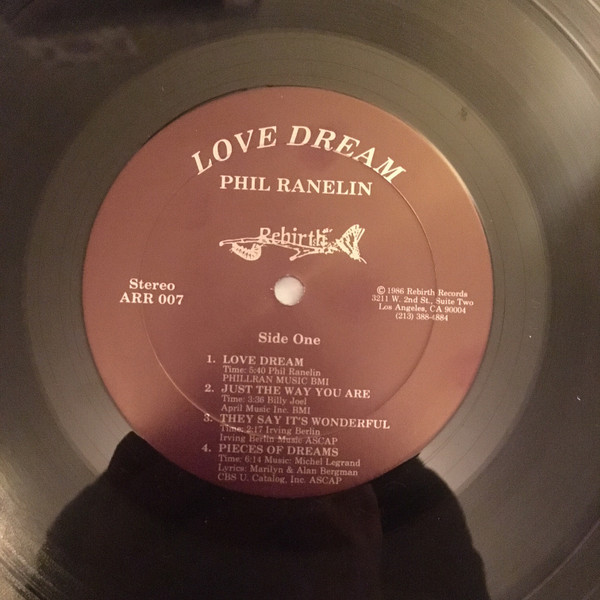
Phil Ranelin And The Tribe – The Time Is Now – Vinyl Label – Side One – Released 1986 – Rebirth Records
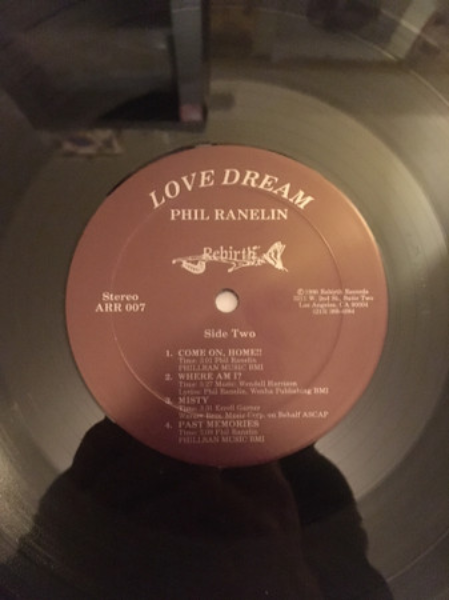
Phil Ranelin And The Tribe – The Time Is Now – Vinyl Label – Side Two – Released 1986 – Rebirth Records
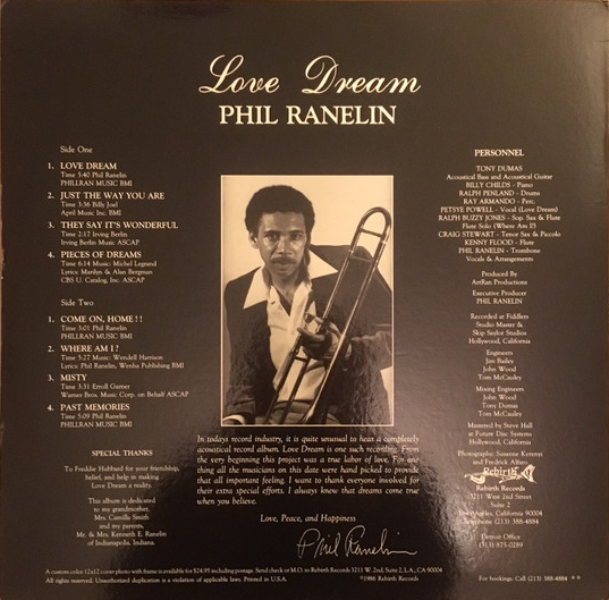
Phil Ranelin – Love Dream – Back Cover – Released 1986
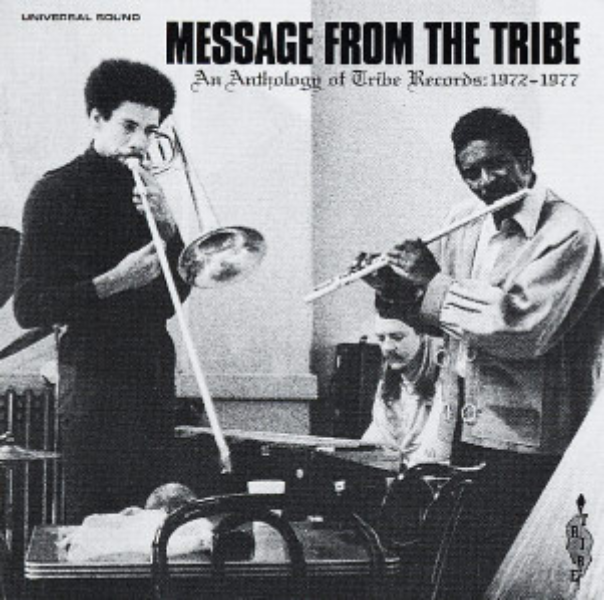
Various Artists – Message From The Tribe Anthology – 1972-1977 – Front Cover – Released 1996
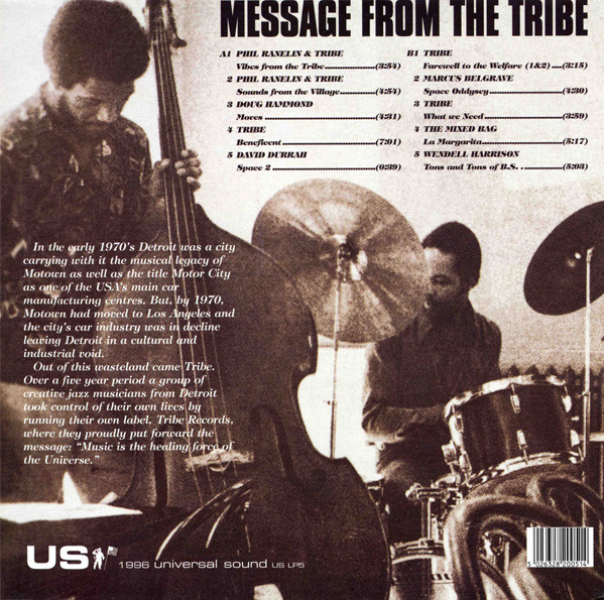
Various Artists – Message From The Tribe Anthology – 1972-1977 – Back Cover – Released 1996
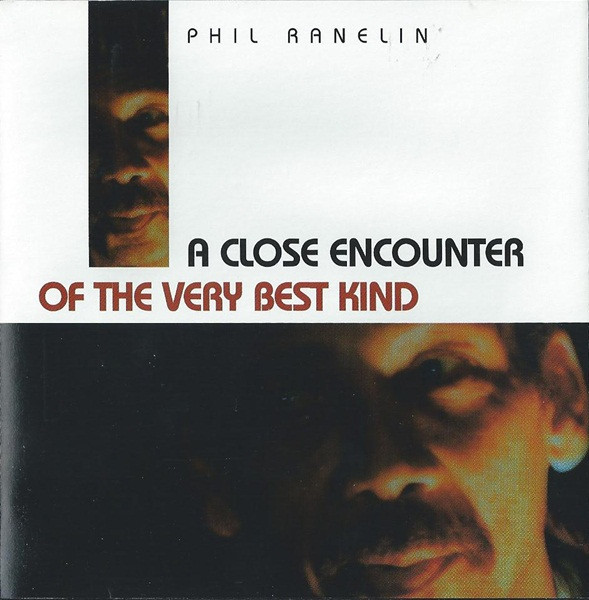
Phil Ranelin – A Close Encounter of the Very Best Kind front cover, released in 1996 on Life Force Records.
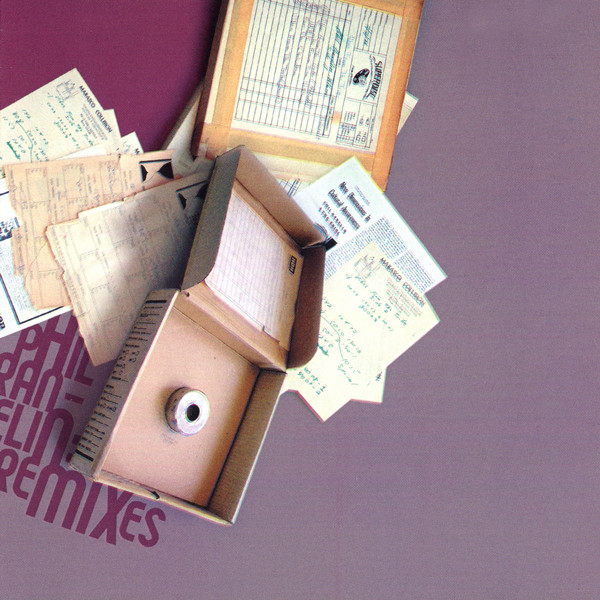
Phil Ranelin – Remixes – Front Cover – Released 2001 – Hefty Records
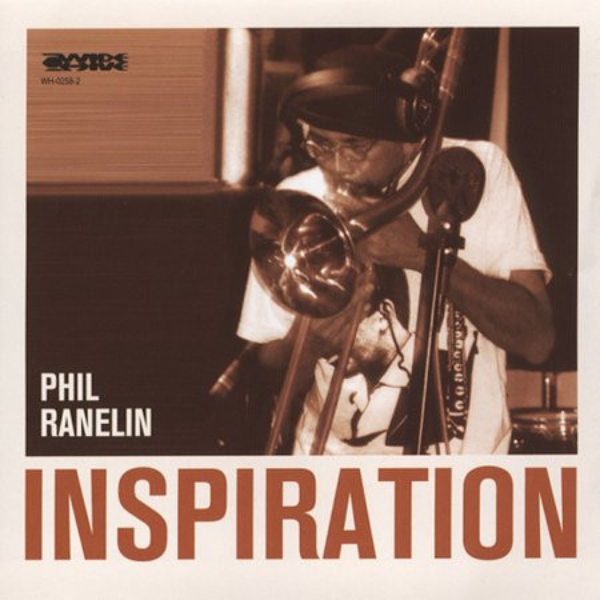
Phil Ranelin – Inspiration front cover, released in 2004 on Wide Hive Records.
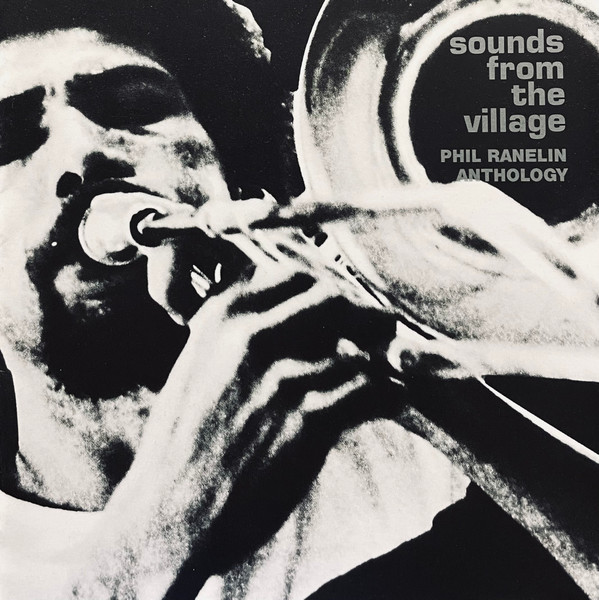
Phil Ranelin Sounds From The Village – Phil Ranelin Anthology – Vinyl Label – Front Cover – Released 2004
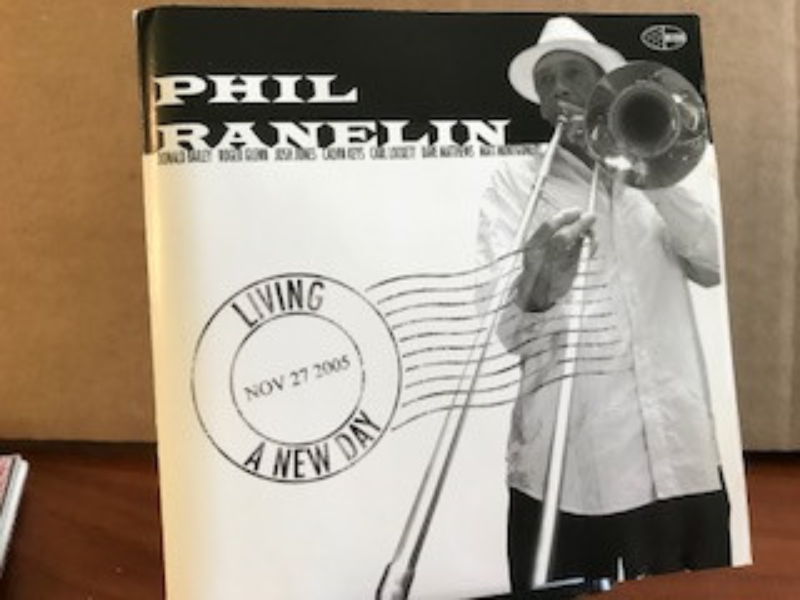
Phil Ranelin – Living A New Day – Front Cover – Released 2005 – Wide Hive Records
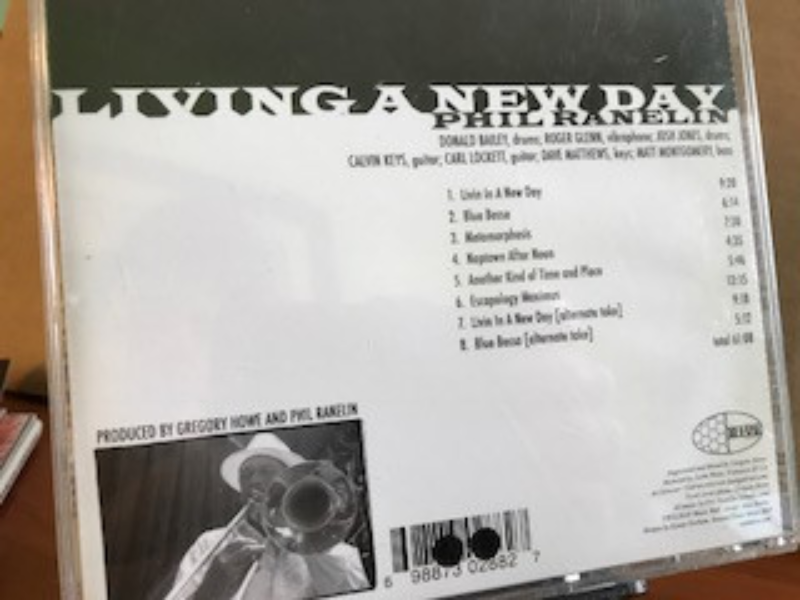
Phil Ranelin – Living a New Day back cover, released in 2005 on Wide Hive Records.
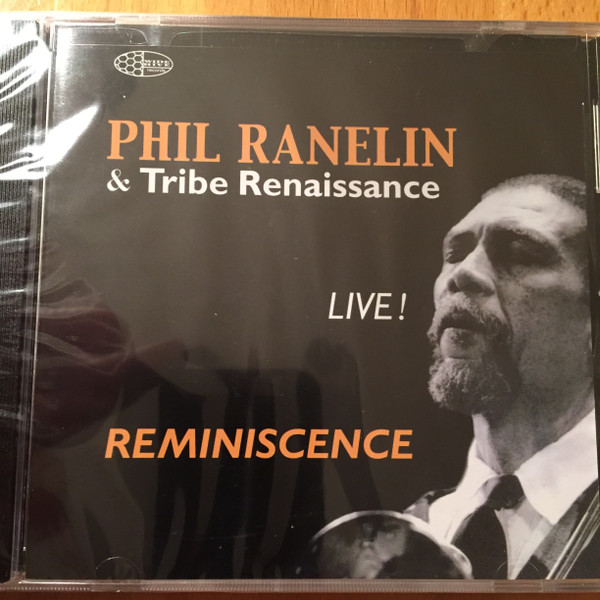
Phil Ranelin – Reminiscence front cover, released in 2009 on Wide Hive Records. The live album features Ranelin performing with Tribe Renaissance.
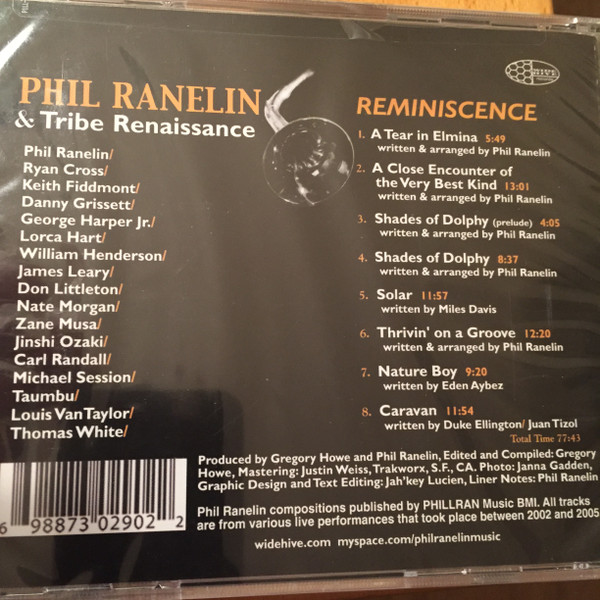
Phil Ranelin – Reminiscence – Back Cover – Released 2009 – Wide Hive Records
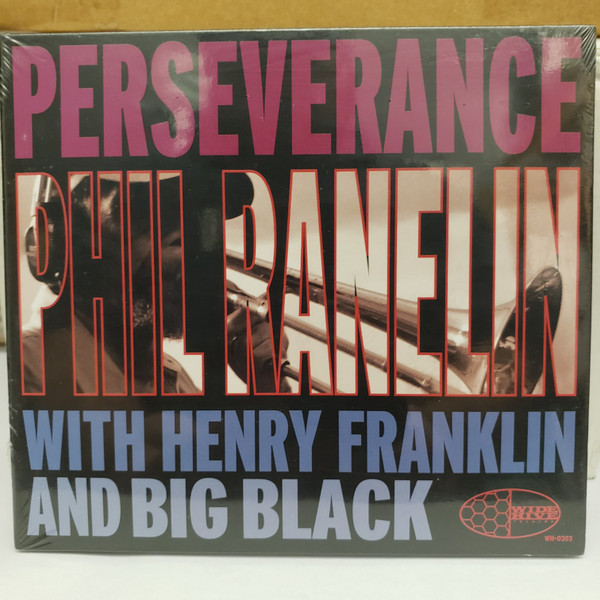
Phil Ranelin With Henry Franklin And Big Black – Perseverance – Front Cover – Released 2011 – Wide Hive Records
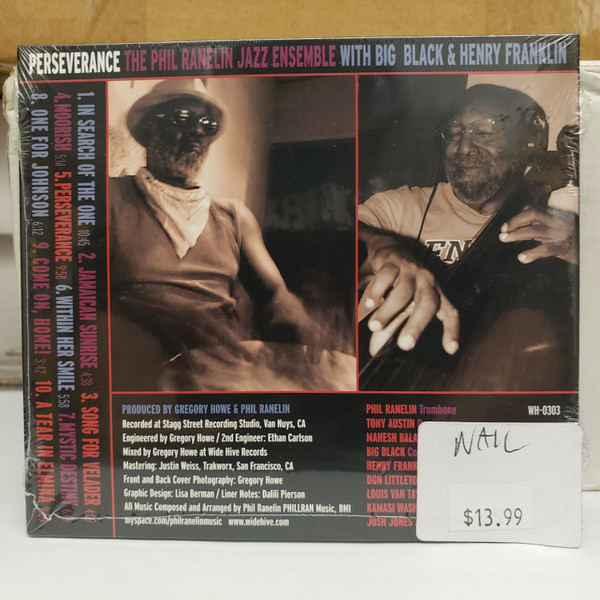
Phil Ranelin With Henry Franklin And Big Black – Perseverance – Back Cover – Released 2011 – Wide Hive Records
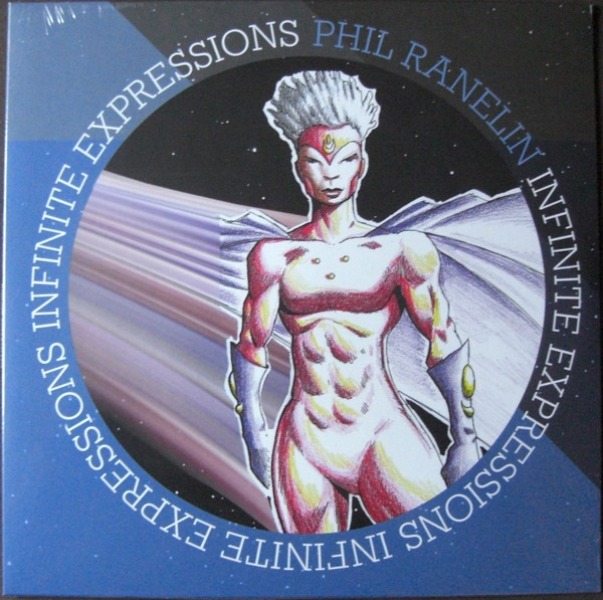
Phil Ranelin – Infinite Expressions front cover, released in 2022 on ORG Music.
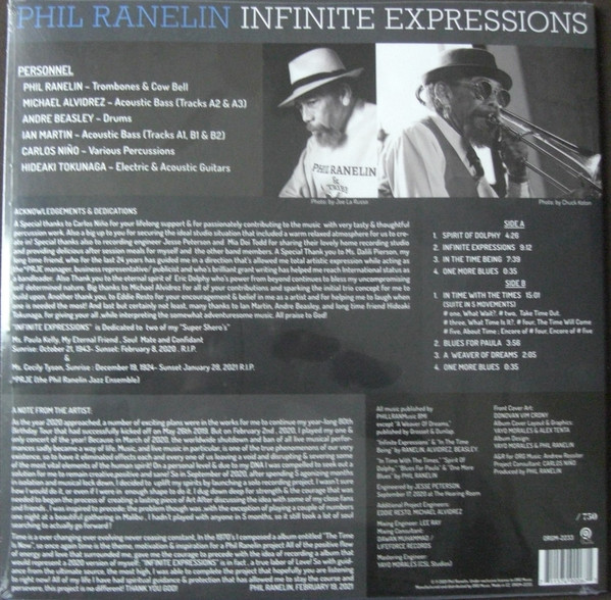
Phil Ranelin – Infinite Expressions back cover, released in 2022 on ORG Music.
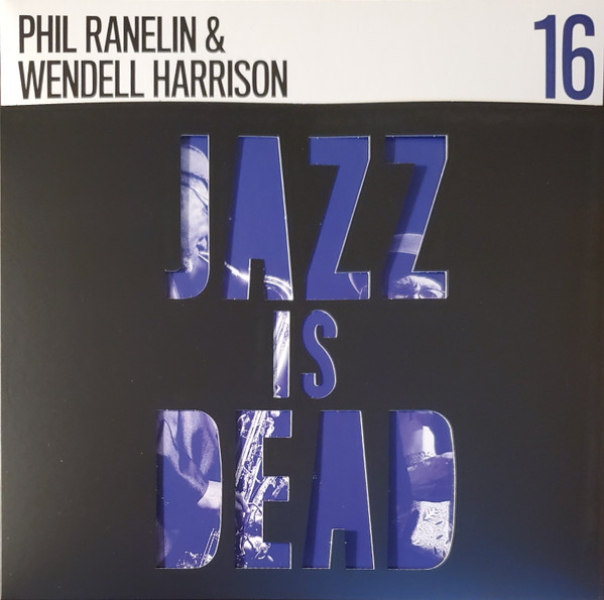
Phil Ranelin & Wendell Harrison – Ali Shaheed Muhammad & Adrian Younge – Jazz Is Dead 16 – Front Cover – Released 2023
Phil Ranelin & Wendell Harrison – Ali Shaheed Muhammad & Adrian Younge – Jazz Is Dead 16 – Vinyl – Released 2023
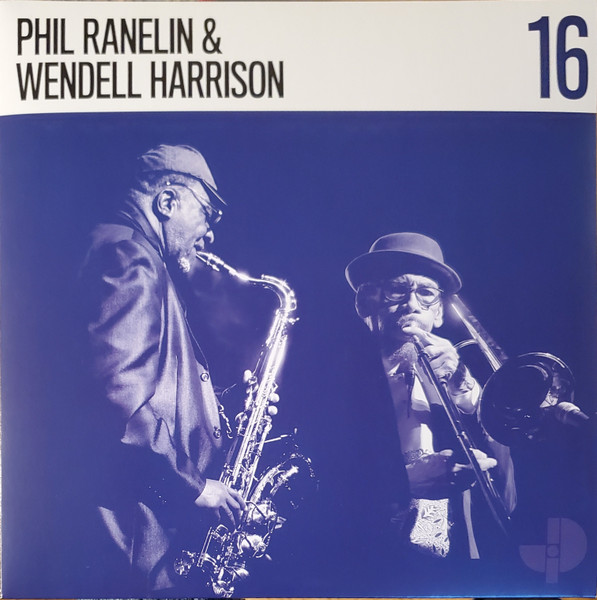
Phil Ranelin & Wendell Harrison – Ali Shaheed Muhammad & Adrian Younge – Jazz Is Dead 16 – Back Cover – Released 2023
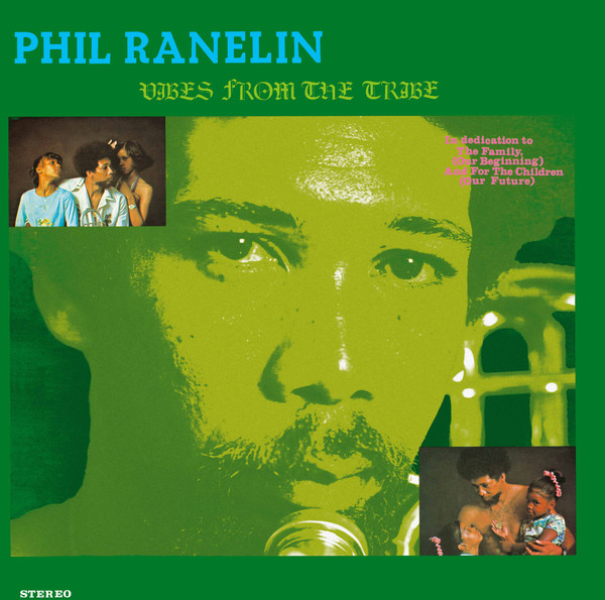
Phil Ranelin – Vibes From The Tribe – Alternate Album – Front Cover – Released 2023 – Japan
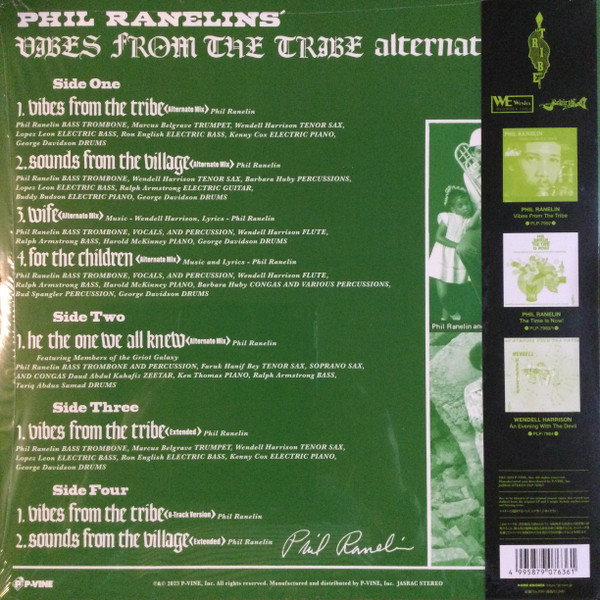
Phil Ranelin – Vibes From The Tribe – Alternate Album – Back Cover – Released 2023 – Japan
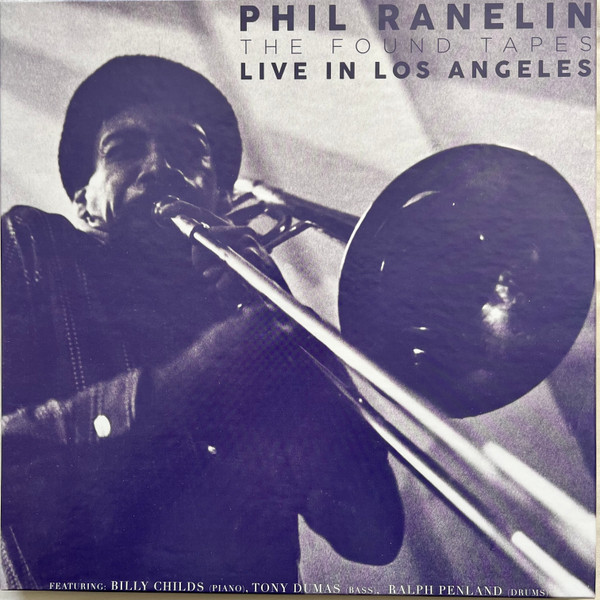
Phil Ranelin – The Found Tapes – Live In Los Angeles – Front Cover – Released 2024
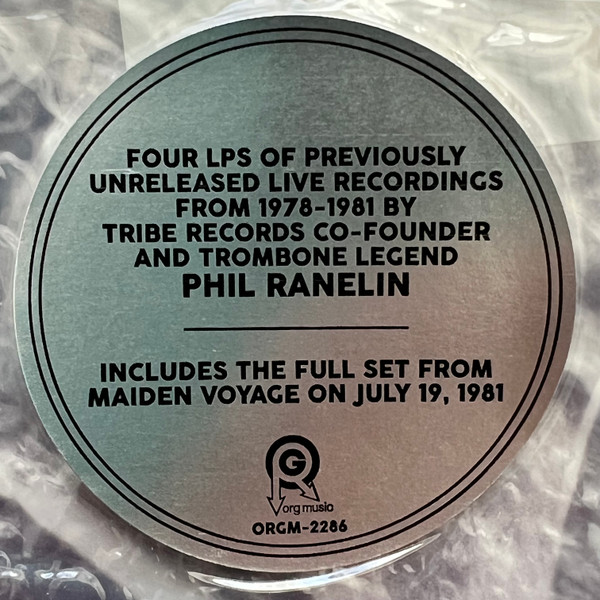
Phil Ranelin – The Found Tapes – Live In Los Angeles – Record Info – Released 2024
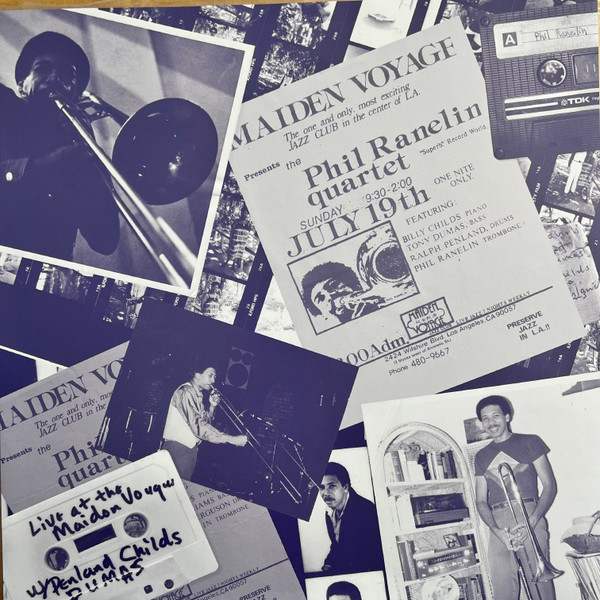
Phil Ranelin – The Found Tapes – Live In Los Angeles – Inside Cover Page 2 – Released 2024
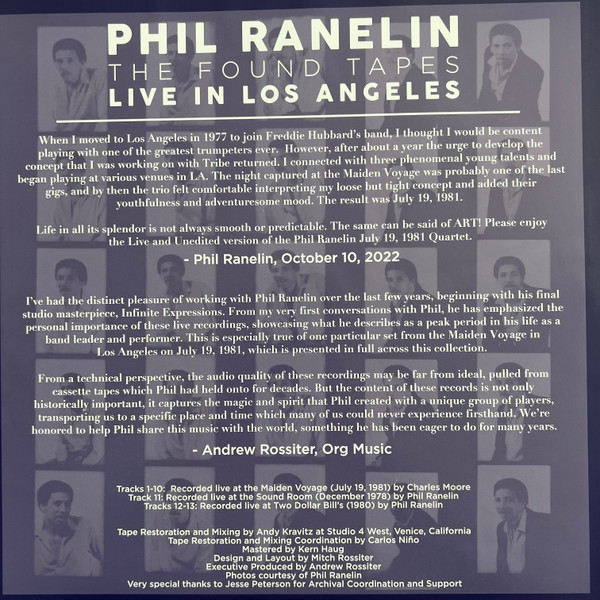
Phil Ranelin – The Found Tapes – Live In Los Angeles – Inside Cover – Released 2024
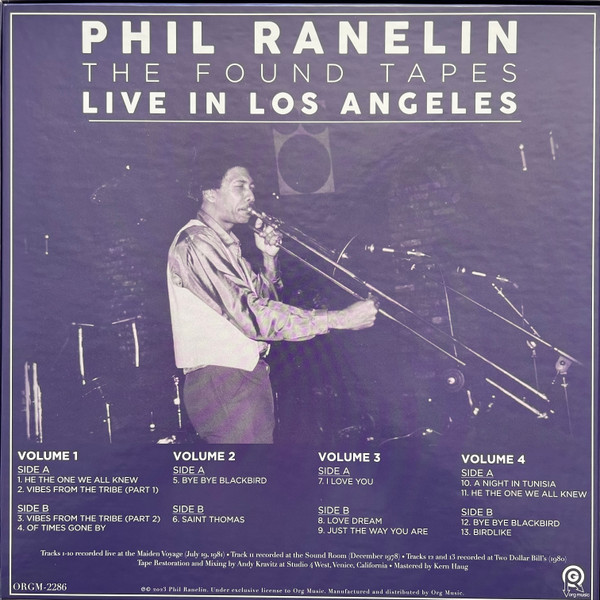
Phil Ranelin – The Found Tapes – Live In Los Angeles – Back Cover – Released 2024
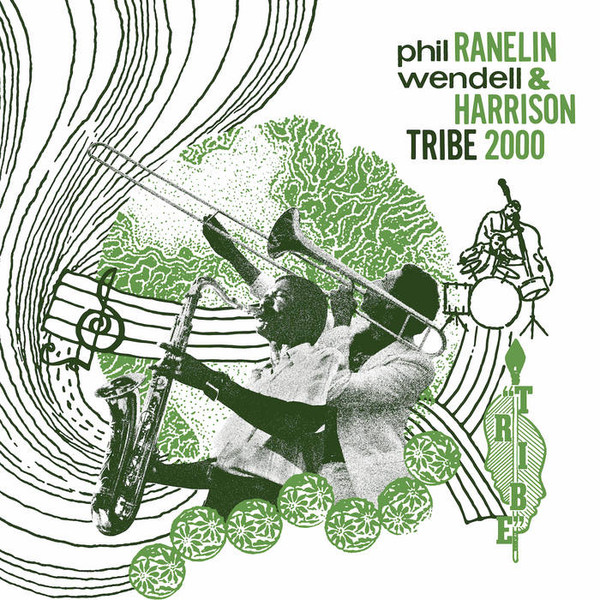
Phil Ranelin & Wendell Harrison – Tribe 2000 – Front Cover – Released 2024 – ORG Music
Preserving Indiana’s Music History
The Indiana Music History Project is made possible through the generous support of the Allen Whitehill Clowes Charitable Foundation. Their commitment to preserving Indiana’s rich musical heritage helps ensure these oral histories remain accessible for future generations.

Help Improve This Archive
Have additional information about this artist, story, or any of the photographs? If you can identify people, dates, locations, or have memories you’d like to share, we’d love to hear from you. Please use the button below and select “Submit Historical Information or Corrections” as the reason for your message.