
Rodney Stepp Oral History

Rodney Stepp is an Indianapolis keyboardist, songwriter, arranger, producer, bandleader, and recording studio owner whose career spans more than six decades. Raised in the historic Flanner House Homes neighborhood near Indiana Avenue, Stepp displayed an extraordinary musical ability from early childhood and was accepted for private instruction at Jordan College of Music when he was only four and a half years old.
As a teenager, Stepp helped form The Diplomats, later renamed The Diplomatics, and co-wrote the Indianapolis soul favorite “Hum-Bug,” released on Herb Miller’s LAMP Records. He went on to perform with The Spinners during some of the group’s most successful years, appearing on major stages, television programs, and the 1975 album Spinners Live!. After returning to Indianapolis, he formed the influential soul and funk band Rapture and later established Brooks Street Music Productions, where he continued writing, recording, producing, and developing artists. For more than two decades, Stepp has also performed with Indianapolis favorites The Flying Toasters, continuing to entertain audiences throughout Indiana while remaining an active recording artist and producer.
Interview Highlight
In this Interview Highlight, Rodney Stepp recalls forming The Diplomats as a teenager and explains why the group changed its name to The Diplomatics when recording for Herb Miller’s LAMP Records. He reflects on the friendships forged during those early years and describes how Indianapolis musicians regularly backed nationally touring R&B performers.
Stepp also shares how The Spinners remembered the talented young musicians they had worked with in Indianapolis. As the group’s success grew and it became possible to assemble a permanent touring band, The Spinners returned to the city to recruit musicians they already knew and trusted. As Stepp recalls, “In 1969, when money got better and they were able to put their own band together, they came right to Indianapolis to get their musicians.”
Complete Interview
In this Complete Interview, Rodney Stepp traces his musical journey from growing up in the Flanner House Homes neighborhood on Indianapolis’s west side to becoming one of the city’s most accomplished musicians. He recalls beginning piano lessons at Jordan College of Music at four and a half years old, forming The Diplomats while still in school, changing the group’s name to The Diplomatics, and recording the Indianapolis soul favorite “Hum-Bug” for Herb Miller’s LAMP Records.
Stepp shares stories of performing behind national recording artists through Designated Productions before joining The Spinners’ touring band. He recalls his audition in Detroit, his first major performance at Madison Square Garden, appearances on television and the Grammy Awards, performing at the historic Zaïre 74 music festival, and the organ solo on “Mighty Love” that helped establish his reputation within the music industry.
The conversation continues with the formation of Rapture, the band’s pursuit of a national recording contract, and the challenges that ultimately brought that chapter to an end. Stepp also discusses establishing Brooks Street Music, operating multiple recording studios, producing and recording other artists, assembling his Stepp Treasures collections, joining the Flying Toasters, and continuing to write, record, produce, and perform music more than six decades after his career began.
Biography
Rodney Stepp was born in Indianapolis in 1952 and raised in the historic Flanner House Homes neighborhood near Indiana Avenue. His family lived at 1245 Brooks Street, an address he later honored through the name Brooks Street Music. Growing up, Stepp heard gospel music through family members who were ministers, along with the jazz, blues, rhythm and blues, and popular music his parents played at home. At five years old, he saw Mahalia Jackson perform at the Walker Theatre, an experience that remained among his earliest musical memories.
Stepp’s musical ability became evident almost immediately. As a small child, he regularly climbed onto the bench of his aunt’s grand piano and began picking out melodies by ear. After his family had him evaluated, Jordan College of Music accepted him for private instruction at four and a half years old, even though students normally began at an older age. His teacher, Mrs. Kitt, encouraged the young musician and helped make formal music education an important part of his childhood.
Music and basketball became Stepp’s two great interests. He grew up near Crispus Attucks High School and dreamed of playing basketball and participating in the school’s music program. Although he initially attended Shortridge High School as part of a college-preparatory program, he later transferred to Crispus Attucks, where he completed his education while continuing to develop as a working musician.
Stepp’s first public performance came during a talent show at Booker T. Washington School No. 17. Performing “Watermelon Man” with drummer Bobby Gayhart and guitarist Jerry “Boing-Boing” Miller, the young musicians won the competition. By eighth grade, Stepp was playing paying engagements. At an early performance at a Masonic hall, each member received $100, convincing the young keyboardist that music might provide a future.
In 1966, Stepp, Miller, Gayhart, and bassist Rodney Vorhis formed The Diplomats. Saxophonist Richard Gamble and trumpeter Maurice Taylor later expanded the lineup. The group developed into one of Indianapolis’s leading young soul bands, performing at dances, clubs, and other events while building a reputation for its musicianship.
The group worked with Designated Productions, an Indianapolis organization operated by Beau Ramsey, Guy Russell, Freddie Thompson, and Rudy Smith, a cousin of Billy Henderson of The Spinners. The organization helped educate, groom, and manage young musicians while assembling backing bands for nationally touring artists. Because many performers traveled with only a conductor or musical director, Indianapolis musicians capable of reading written arrangements could be assembled into larger show bands when major acts came through the region.
While still in their teens, Stepp and his fellow musicians backed artists including Patti LaBelle and the Bluebelles, The Emotions, Joe Tex, and The Spinners. Designated Productions selected the strongest musicians from several local groups to create the Creations Show Band, a nine- or ten-piece ensemble with horns. These experiences gave Stepp extensive professional training before he had finished high school and created relationships that would shape the next phase of his career.
When the group prepared to record, its members discovered that another act in Washington, D.C., was already using the name The Diplomats. They added letters to become The Diplomatics. Herb Miller gave the teenagers an opportunity to record for his Indianapolis-based LAMP Records label, and Stepp co-wrote “Hum-Bug” with bassist Miles “Butch” Loyd. Released in 1969, the instrumental became a popular Indianapolis recording and remains one of the best-known releases associated with the LAMP catalog.
The group’s recordings were later preserved through a 2002 Now-Again Records reissue of Hum-Bug (Parts 1 & 2). The release included liner notes written by Stepp, photographs of the young musicians, and his firsthand account of The Diplomats, The Diplomatics, and the friendships formed during those years.
Members of The Diplomatics later worked as Jazzie Cazzie and the Eight Sounds, releasing the song “Young Girl” on Knaptown Records in 1970. Stepp’s early bands provided a foundation not only for his career but also for the careers of several other Indianapolis musicians, including Rodney Vorhis, Jerry Miller, Bobby Gayhart, and others who went on to perform with nationally recognized artists.
After graduating from high school, Stepp served in the United States Army. While stationed in Washington, D.C., he continued playing music and became acquainted with musicians associated with the city’s jazz and emerging go-go scenes. He spent time around artists including Donald Byrd and Blackbyrds keyboardist Kevin Toney, ensuring that music remained central to his life even during his military service.
After receiving an early release from the Army to return to school, Stepp had been home only a short time when he received a call from Detroit. The Spinners needed a keyboard player. Stepp traveled to Detroit and auditioned for arranger and conductor Maurice King, who placed increasingly difficult arrangements in front of him. After Stepp successfully sight-read “Fascinating Rhythm,” one of the group’s most challenging charts, King left the room, returned, and asked a simple question: “Do you want this job?”
Stepp joined The Spinners in early 1974. After a hometown performance at Detroit’s 20 Grand, his first major engagement with the group was at Madison Square Garden in New York City on a bill that also included Graham Central Station and Ashford & Simpson. Stepp performed on Hammond B-3 organ, Fender Rhodes electric piano, clavinet, and later Minimoog synthesizer as the group toured during one of the most commercially successful periods in its history.
As The Spinners’ keyboardist and assistant music director, Stepp appeared on major stages, television programs, and three Grammy Awards broadcasts. His playing is documented on the 1975 Atlantic Records double album Spinners Live!, which also featured his former Diplomatics bandmate Rodney Vorhis on bass.
Stepp’s organ solo during “Mighty Love” became one of his most recognizable performances. Vocalist Philippé Wynne encouraged him to improvise during the song, and producer Thom Bell chose to preserve the solo in the final mix. Stepp later credited that performance with helping establish his name within the recording industry and leading to additional session work.
In September 1974, Stepp traveled with The Spinners to Kinshasa, Zaïre, now the Democratic Republic of the Congo, for the historic Zaïre 74 music festival. Organized in connection with Muhammad Ali and George Foreman’s “Rumble in the Jungle,” the festival brought together leading African, African American, and Afro-Latin performers. Stepp performed with The Spinners and was photographed with Muhammad Ali and Etta James during the trip. Footage of the event later appeared in the documentaries When We Were Kings and Soul Power.
Stepp remained with The Spinners for approximately four years. As the group’s lineup and musical direction began to change, he started developing a project of his own. Before leaving The Spinners, Stepp assembled Indianapolis musicians for a studio group called Rapture. The original lineup included Harry Eaton, Tony Hayes, Lonnie Williams, Rodney Vorhis, Alphonso Surrett, and Stepp.
Rapture recorded an album’s worth of original material in 1977 at Mantra Recording Studio in Chicago. Stepp produced the sessions, wrote the songs with contributions from several bandmates, and arranged the horns and strings with Jesus Wayne. The project began as a studio ensemble but evolved into one of Indianapolis’s most prominent soul and funk bands of the late 1970s.
Rapture developed a strong following and attracted interest from major record companies, including Capitol and RCA. The group spent extended periods in New York and Los Angeles while pursuing a national recording agreement and performed on United States Air Force entertainment tours alongside bands that included Manchild, Lakeside, and the group that evolved into Roger Troutman’s Zapp. Despite the band’s momentum, personnel changes and the pressures of the music business eventually brought Rapture to an end.
The unreleased 1977 sessions remained in Stepp’s archive for nearly five decades. In 2025, Now-Again Records released the recordings as Rapture. The project was produced for release by Eothen Alapatt, with liner notes and associate production by Indianapolis music historian Kyle Long. Tape transfers were completed by Jeff Gardner and Alapatt, and the recordings were restored and remastered by Jason Bitner.
The album offered a new opportunity to recognize Rapture’s place in Indianapolis music history. In the liner notes, Kenneth “Babyface” Edmonds recalled that Rapture had become the group other Indianapolis bands wanted to surpass. Edmonds remembered Stepp as one of the local musicians who had already reached the national stage and demonstrated that a musician from Indianapolis could build a lasting career.
After Rapture ended, Stepp temporarily stepped away from professional music. He eventually resumed performing around Indianapolis with musicians including Billy Wooten and began envisioning a recording facility of his own. In 1991, he asked Jeff Gardner to design and build his first studio, which became Brooks Street Music Recording Studio.
The name Brooks Street Music honored the street where Stepp grew up in the Flanner House Homes neighborhood. Over the years, he expanded his work to three commercial recording studios, in addition to a studio in his home. Through Brooks Street Music Productions, Stepp recorded and produced gospel, R&B, pop, hip-hop, and other artists while continuing to write and develop his own material.
Stepp assembled much of this work into the five-volume Stepp Treasures collection. Each volume highlights a different portion of his catalog, including gospel and inspirational recordings, hip-hop and rap, collaborations with Brooks Street Music artists, and songs written with longtime collaborators. His publishing catalog grew to include over 400 compositions spanning from the 1960s to the present.
Stepp also released projects under his own name and with BSB, including Steppin’ Out, which was produced by Rodney Stepp for Brooks Street Music Productions. His later work includes Sunny Days, featuring saxophonist Bryan Thompson. Produced by Stepp and recorded at Rodney Stepp Music Productions, the project reflects his continued activity as a writer, producer, studio operator, and recording artist.
After decades working primarily in soul, R&B, funk, and gospel, Stepp accepted a new challenge when he joined the Indianapolis party band The Flying Toasters. He first encountered the band after hiring Jason Hayes to provide sound for one of his performances. Hayes and Darren Owens later encouraged Stepp and Pheldon “Jay” Majors to audition.
Stepp had never played in a rock-oriented cover band and initially did not recognize the name Matchbox Twenty when it came up during rehearsal. He nevertheless embraced the opportunity to learn a different style of music and became The Flying Toasters’ original keyboardist. More than two decades later, he remained an active member of the group and continued performing for audiences throughout Indiana.
Throughout his career, Stepp has balanced performing with songwriting, arranging, producing, mentoring, and operating recording studios. His story connects the Indiana Avenue and Flanner House music communities, LAMP and Knaptown Records, The Spinners’ international success, Indianapolis funk and soul, independent music production, and generations of musicians who followed him.
When offering advice to younger artists, Stepp emphasizes education, preparation, and a genuine love for music. He acknowledges the difficulties musicians face but remains committed to creating for as long as he is able. As he explained during his Indiana Music History Project interview, he does not continue because he is still trying to “make it.” He continues because music remains central to his identity and his life.
More than six decades after his first public performance, Rodney Stepp continues to write, record, produce, and perform. His career reflects both the extraordinary talent found within Indianapolis and the relationships that have connected generations of Indiana musicians. From The Diplomats and The Spinners to Rapture, Brooks Street Music Productions, and The Flying Toasters, Stepp’s work remains an important part of Indiana music history.
Image Gallery
Explore photographs, recordings, album artwork, promotional materials, and other images documenting Rodney Stepp’s career, including The Diplomats, The Diplomatics, The Spinners, Rapture, Brooks Street Music Productions, and more than six decades of writing, recording, producing, and performing music.
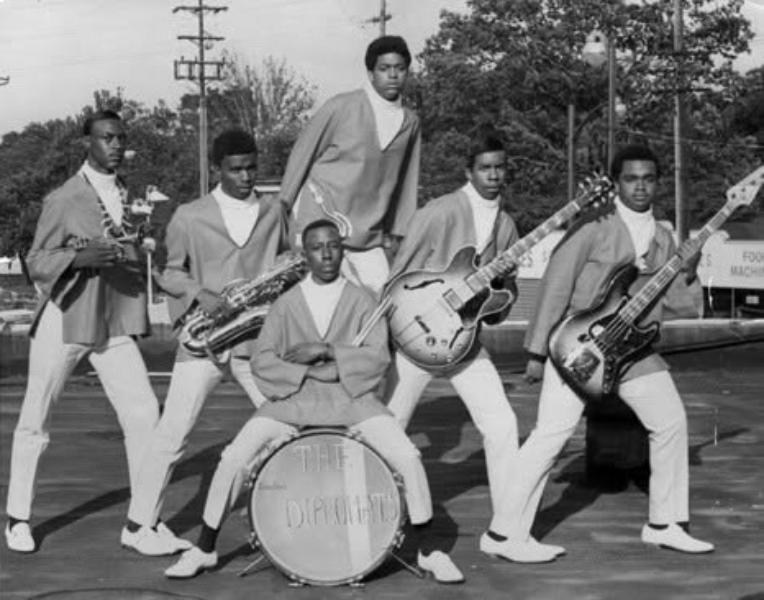
The Fabulous Diplomats – Front: Bobby Gayhart. Back (L to R): Maurice Taylor, Richard Gamble, Rodney Stepp, Jerry “Boing-Boing” Miller, and Rodney Vorhis. Photo by Rudy Smith, circa 1965. This early publicity photograph was later featured on the front cover of the 2002 Now-Again Records reissue of Hum-Bug (Parts 1 & 2).
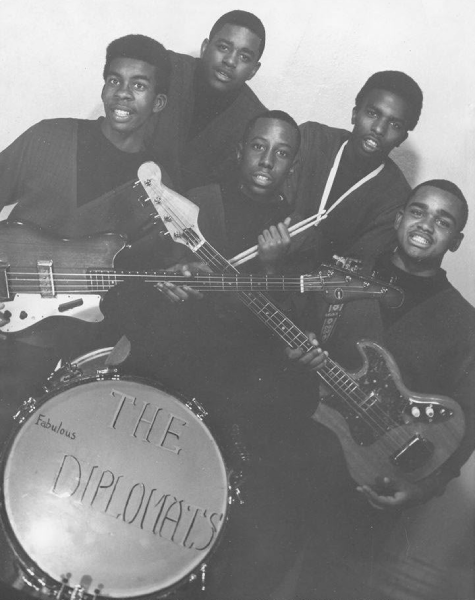
The Fabulous Diplomats – Rodney Stepp (second from the left) with the band’s early lineup, circa mid-1960s.
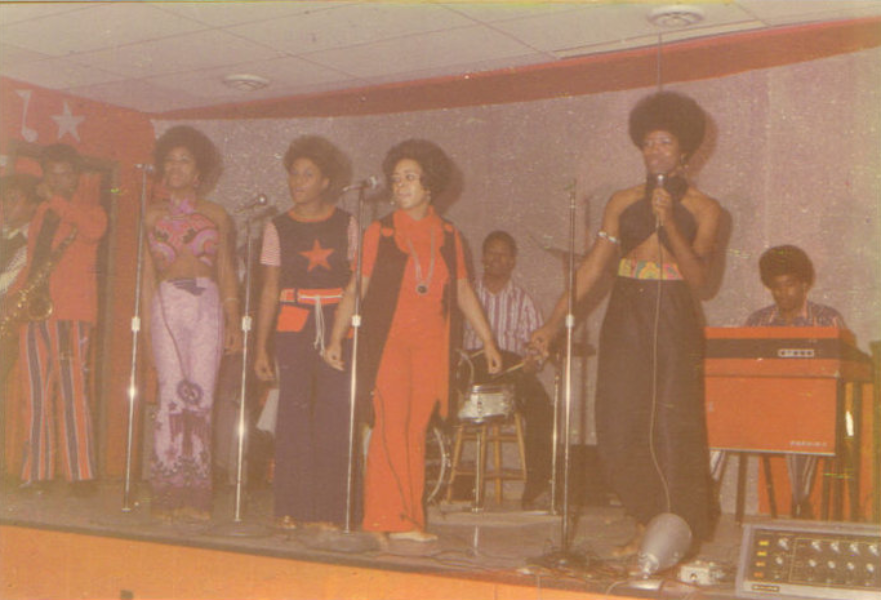
The Lovely Shades of Brown perform with Rodney Stepp on keyboards. Vocals (L to R): Barbara Martin, Martha Bonds, Brenda Simmons, and Joy Upton. Indianapolis, circa 1970s.
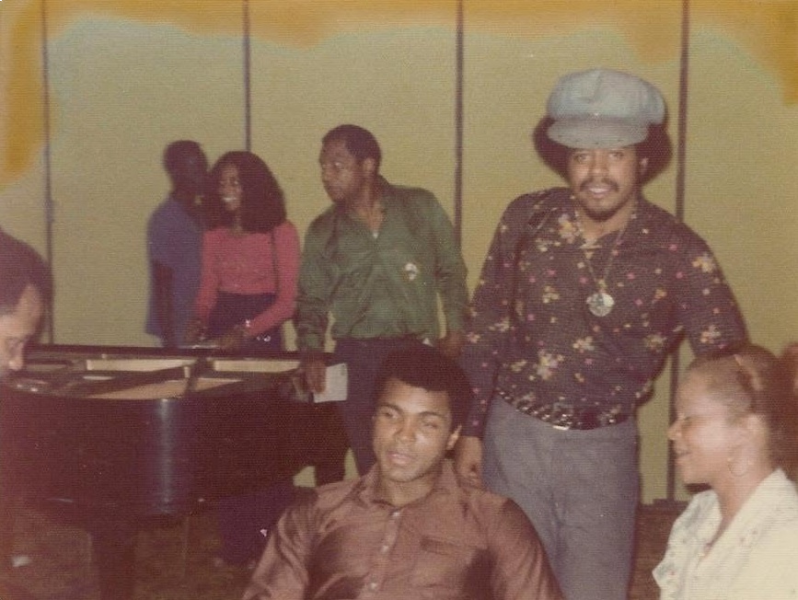
Rodney Stepp (standing) with Muhammad Ali and Etta James backstage during the Zaïre 74 music festival in Kinshasa, Zaïre (now the Democratic Republic of the Congo), September 1974. Ali remained in Kinshasa after George Foreman’s injury postponed the “Rumble in the Jungle” heavyweight championship, allowing the festival to proceed as scheduled while the fighters continued preparations for the historic bout.
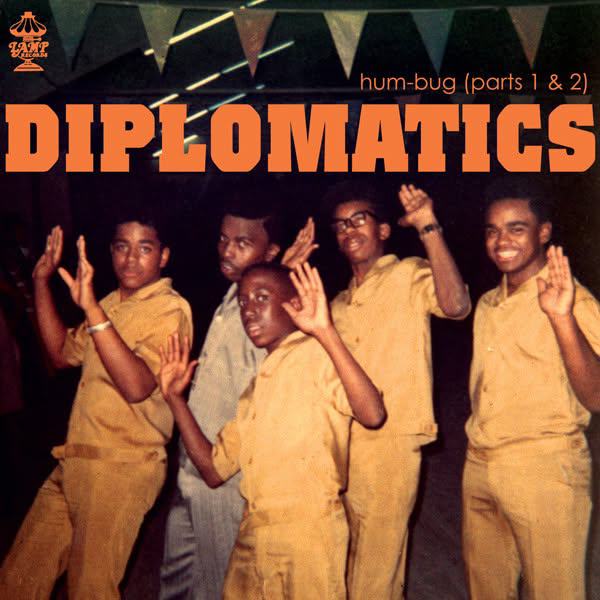
Diplomatics – Front: Bobby Gayhart. Back (L to R): Rodney Stepp, Richard Gamble, Jerry “Boing-Boing” Miller, Rodney Vorhis. Photo by Rudy Smith, circa 1965. The band’s local hit “Hum-Bug (Parts 1 & 2)” was originally released on Indianapolis producer Herb Miller’s LAMP Records and preserved for a new generation through its 2002 reissue by Now-Again Records.
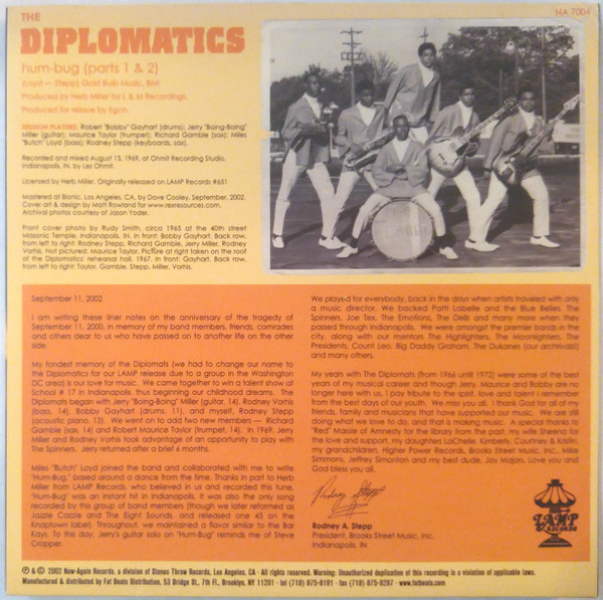
Diplomatics – Back cover of the 2002 Now-Again Records reissue of Hum-Bug (Parts 1 & 2) featuring Rodney Stepp’s liner notes and a 1967 photograph of the band on the roof of The Diplomatics’ rehearsal hall. Front: Bobby Gayhart. Back (L to R): Maurice Taylor, Richard Gamble, Rodney Stepp, Jerry “Boing-Boing” Miller, Rodney Vorhis.
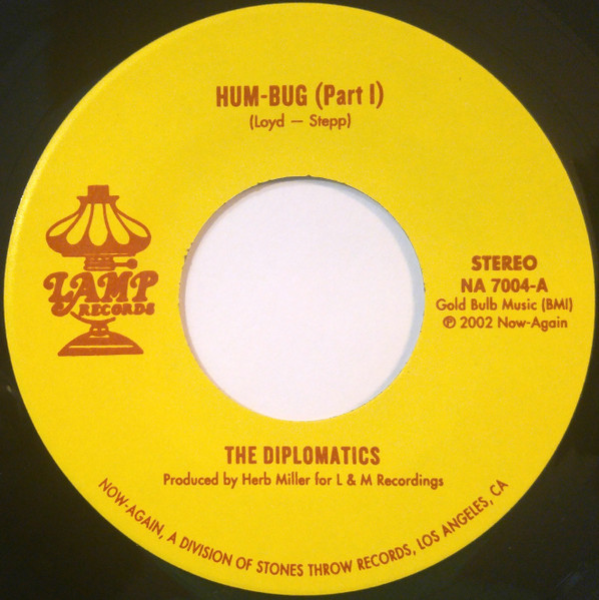
The Diplomatics – Label from the 2002 Now-Again Records reissue of “Hum-Bug (Part 1).” Written by Miles “Butch” Loyd and Rodney Stepp, the recording was produced by Herb Miller for L & M Recordings and originally released on Indianapolis’ LAMP Records.
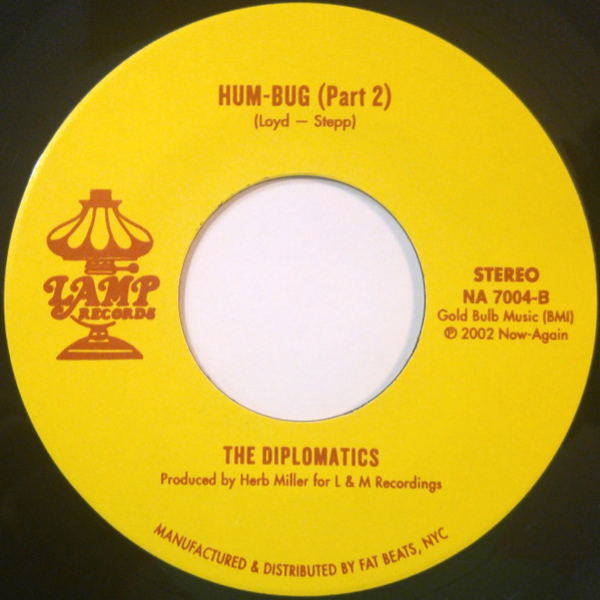
The Diplomatics – Label from the 2002 Now-Again Records reissue of “Hum-Bug (Part 2).” Written by Miles “Butch” Loyd and Rodney Stepp, the recording was produced by Herb Miller for L & M Recordings and originally released on Indianapolis’ LAMP Records.
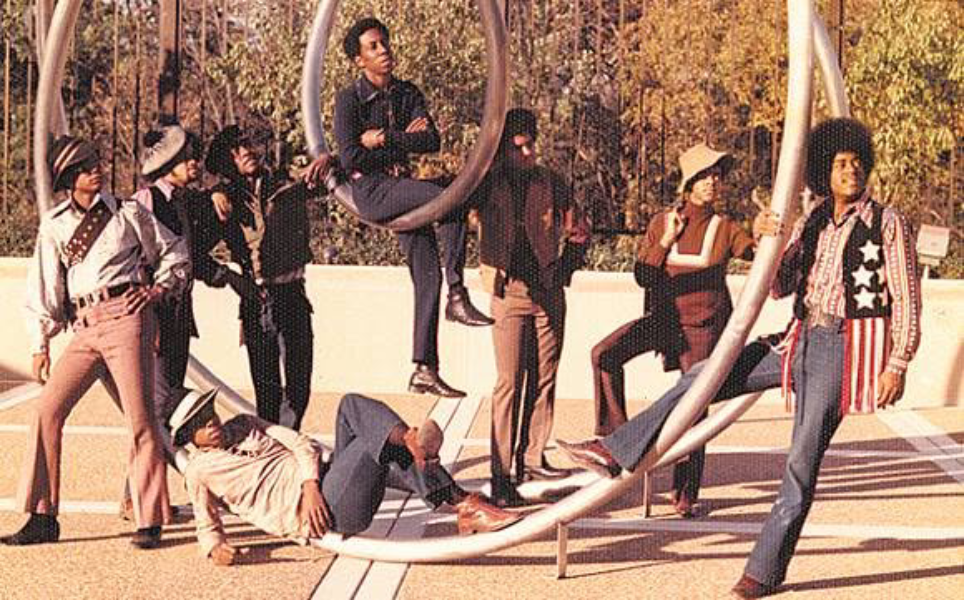
Rodney Stepp (far right), wearing the stars-and-stripes vest, poses with fellow musicians during the late 1970s.
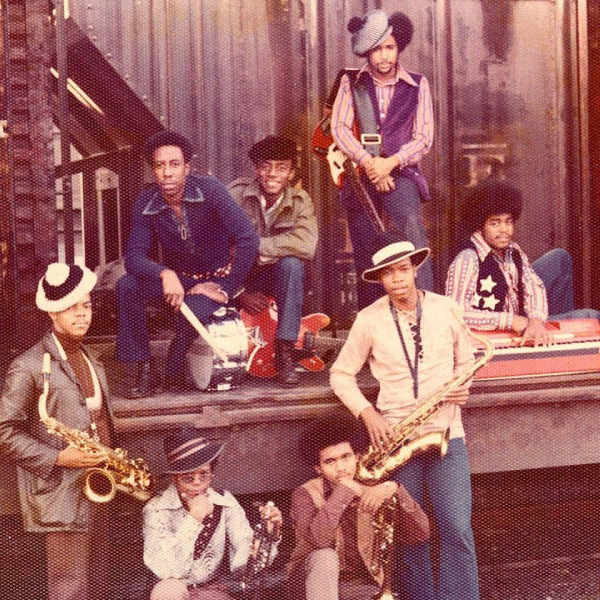
Rodney Stepp (right), wearing his distinctive stars-and-stripes vest, poses with fellow musicians during the late 1970s.
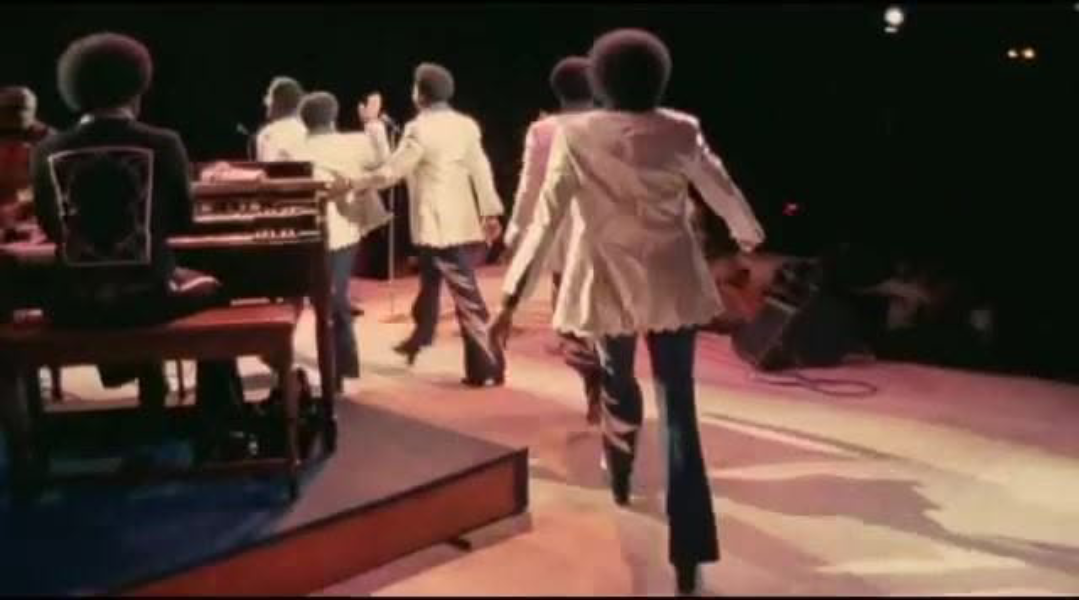
Rodney Stepp (left) performs with The Spinners during the historic Zaïre 74 music festival in Kinshasa, Zaïre (now the Democratic Republic of the Congo), September 1974. As keyboardist and assistant music director, Stepp toured internationally with the group during one of its most successful periods. Held in conjunction with Muhammad Ali’s legendary “Rumble in the Jungle” fight against George Foreman, Zaïre 74 featured performances by James Brown, B.B. King, Bill Withers, Celia Cruz, Miriam Makeba, Tabu Ley Rochereau, TPOK Jazz, The Spinners, and many other renowned American and African artists.
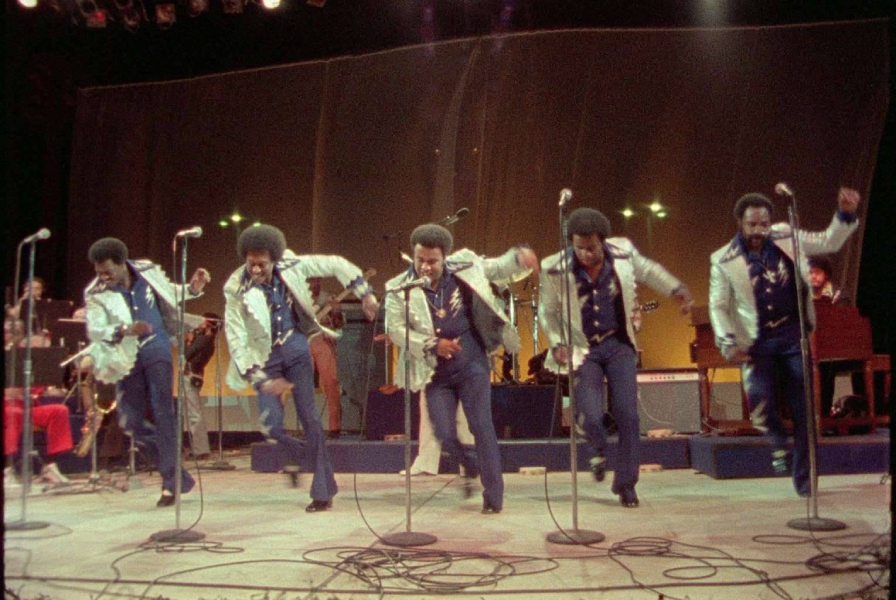
The Spinners perform at the historic Zaïre 74 music festival in Kinshasa, Zaïre (now the Democratic Republic of the Congo), September 1974. Rodney Stepp can be seen performing on organ at the far right as keyboardist and assistant music director during one of the group’s most celebrated touring periods. The festival, held in conjunction with Muhammad Ali’s legendary “Rumble in the Jungle” heavyweight championship against George Foreman, brought together many of the world’s leading American and African musicians.
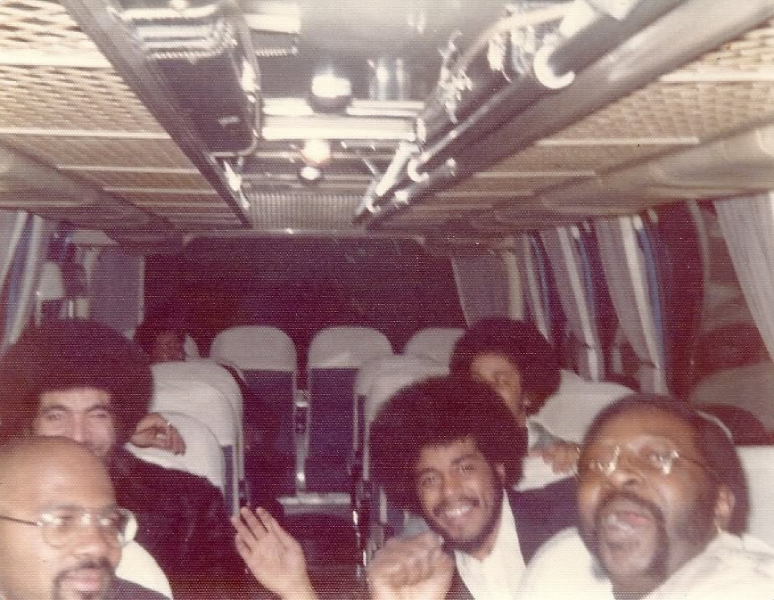
Rodney Stepp (center) travels with fellow musicians during a tour in the 1970s.
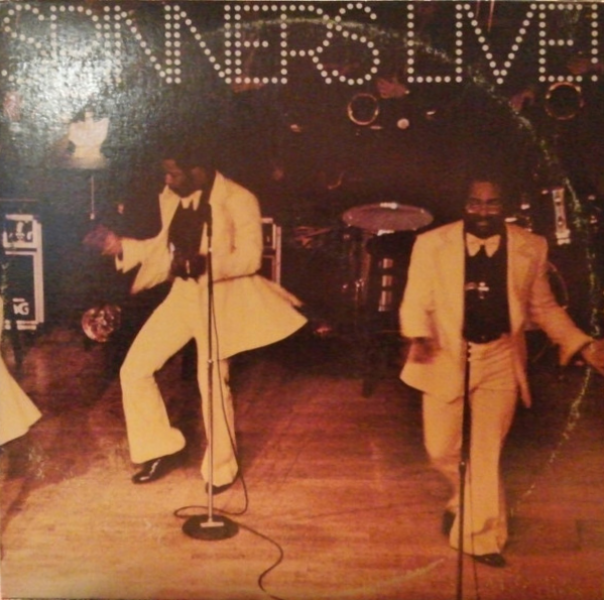
The Spinners – Front cover of the 1975 Atlantic Records double album Spinners Live!. Rodney Stepp is credited on piano and organ, while fellow former Diplomatics bassist Rodney Vorhis is credited on bass during the group’s acclaimed mid-1970s touring years
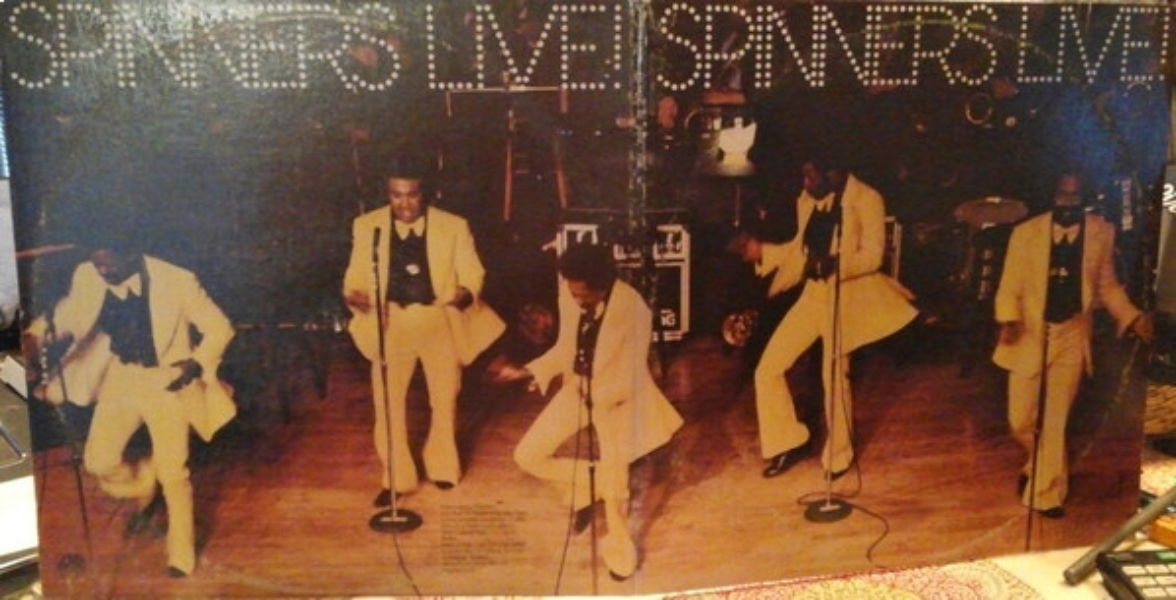
The Spinners – Complete front and back cover artwork for the 1975 Atlantic Records double album Spinners Live!. The album documents Rodney Stepp’s work as pianist, organist, and assistant music director during one of the group’s most successful touring periods and also features fellow former Diplomatics bassist Rodney Vorhis.
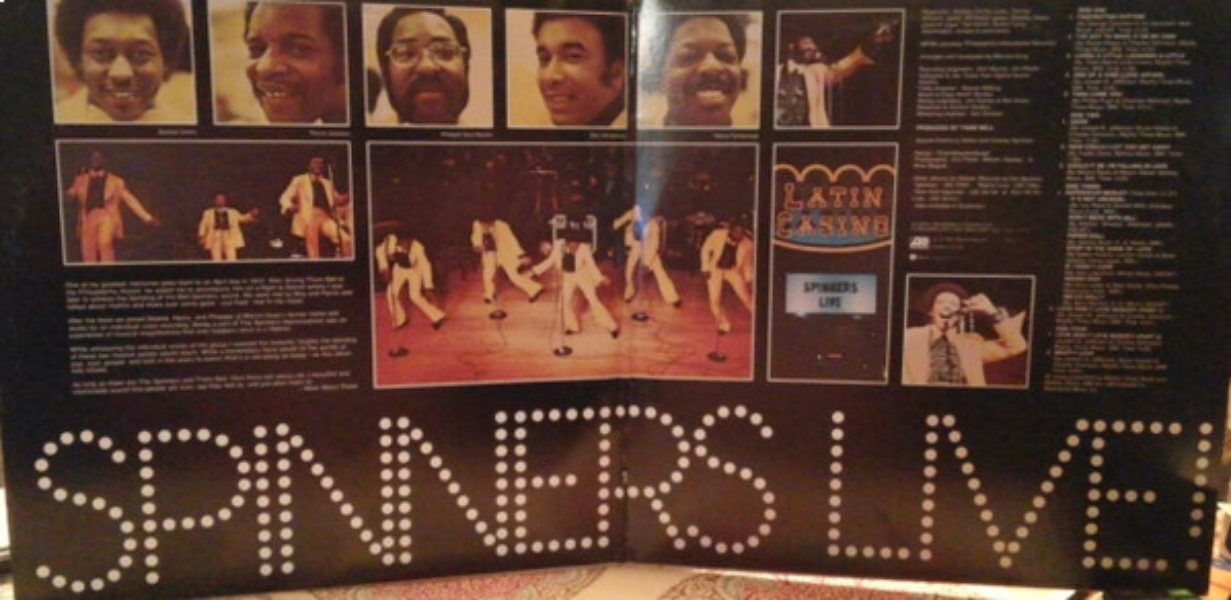
The Spinners – Complete gatefold interior of the 1975 Atlantic Records double album Spinners Live!. Rodney Stepp is credited on piano and organ, and fellow former Diplomatics bassist Rodney Vorhis is credited on bass.
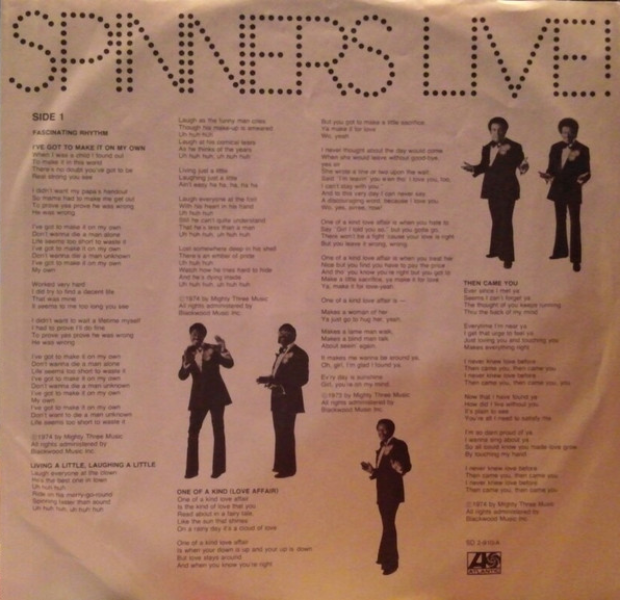
The Spinners – Side 1 inner sleeve from the 1975 Atlantic Records double album Spinners Live!. Rodney Stepp is credited on piano and organ, while fellow former Diplomatics bassist Rodney Vorhis is credited on bass during the group’s celebrated mid-1970s touring years.
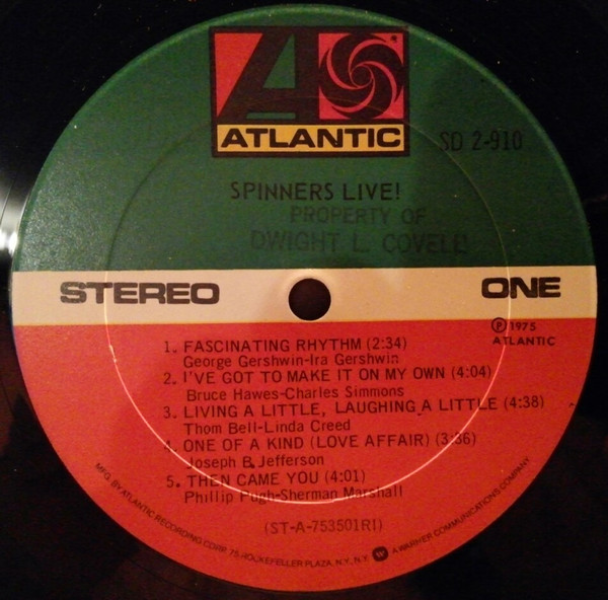
The Spinners – Label for Side 1 of the 1975 Atlantic Records double album Spinners Live!. Rodney Stepp is credited on piano and organ, while fellow former Diplomatics bassist Rodney Vorhis is credited on bass.
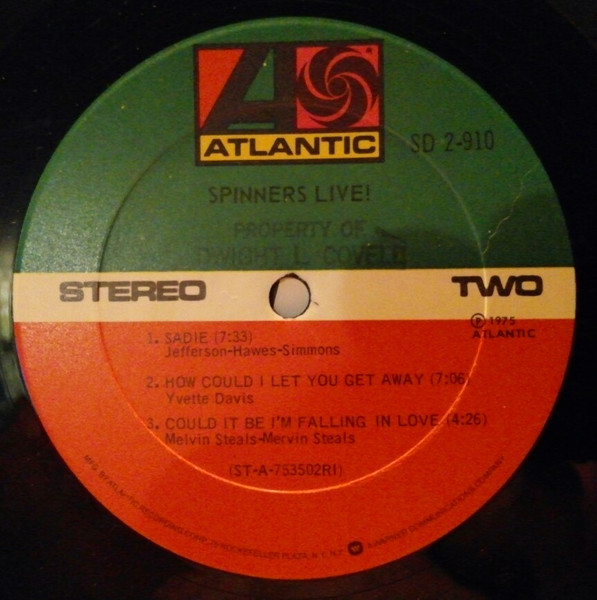
The Spinners – Label for Side 2 of the 1975 Atlantic Records double album Spinners Live!. Rodney Stepp is credited on piano and organ, while fellow former Diplomatics bassist Rodney Vorhis is credited on bass.
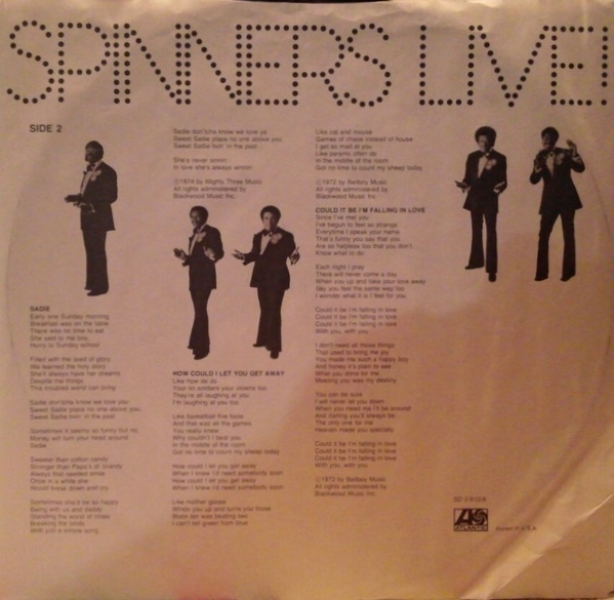
The Spinners – Side 2 inner sleeve from the 1975 Atlantic Records double album Spinners Live!. Rodney Stepp is credited on piano and organ, while fellow former Diplomatics bassist Rodney Vorhis is credited on bass during the group’s celebrated mid-1970s touring years.
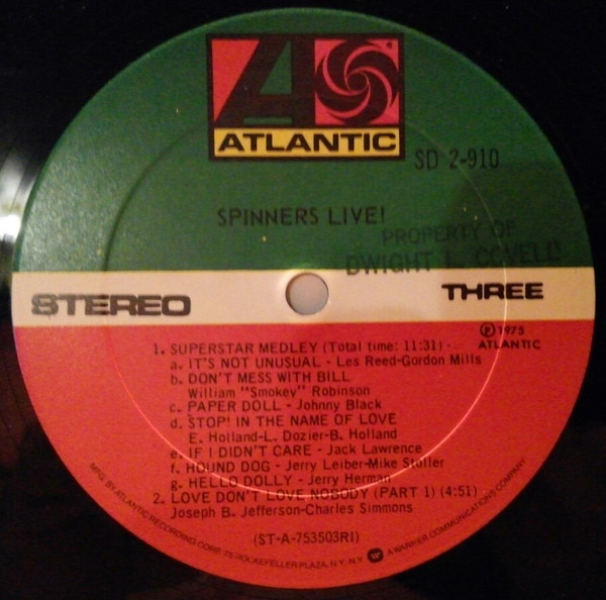
The Spinners – Label for Side 3 of the 1975 Atlantic Records double album Spinners Live!. Rodney Stepp is credited on piano and organ, while fellow former Diplomatics bassist Rodney Vorhis is credited on bass.
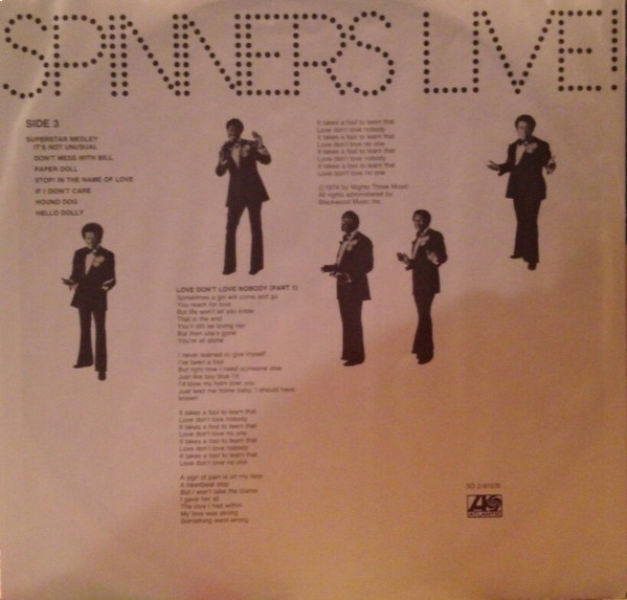
The Spinners – Side 3 inner sleeve from the 1975 Atlantic Records double album Spinners Live!. Rodney Stepp is credited on piano and organ, while fellow former Diplomatics bassist Rodney Vorhis is credited on bass during the group’s celebrated mid-1970s touring years.
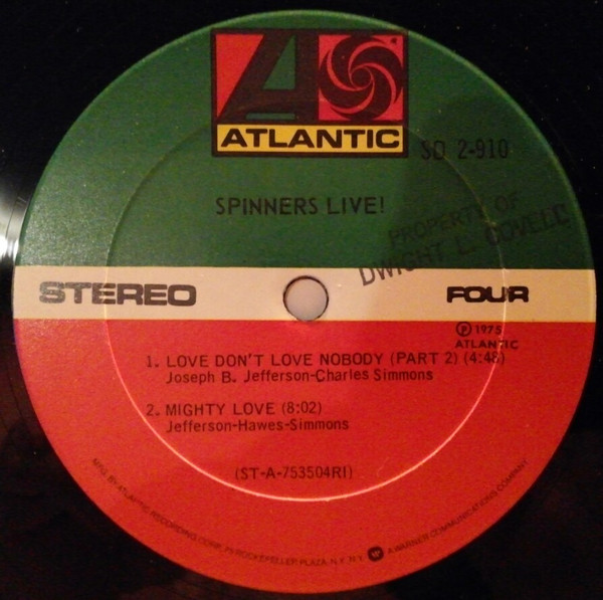
The Spinners – Label for Side 4 of the 1975 Atlantic Records double album Spinners Live!. Rodney Stepp is credited on piano and organ, while fellow former Diplomatics bassist Rodney Vorhis is credited on bass.
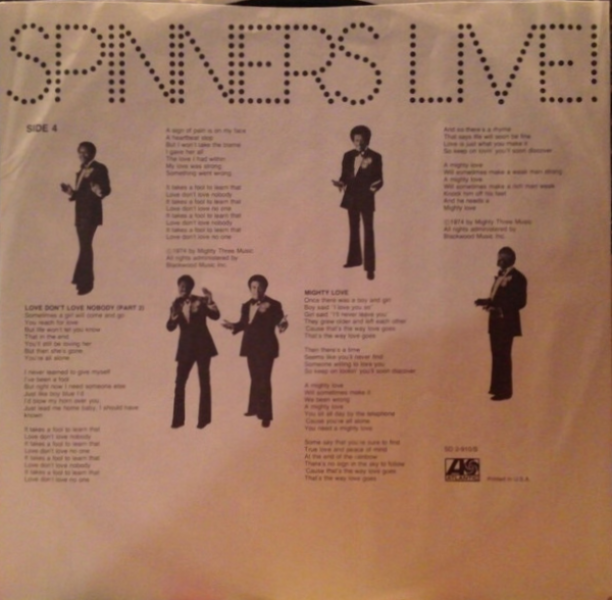
The Spinners – Side 4 inner sleeve from the 1975 Atlantic Records double album Spinners Live!. Rodney Stepp is credited on piano and organ, while fellow former Diplomatics bassist Rodney Vorhis is credited on bass during the group’s celebrated mid-1970s touring years.
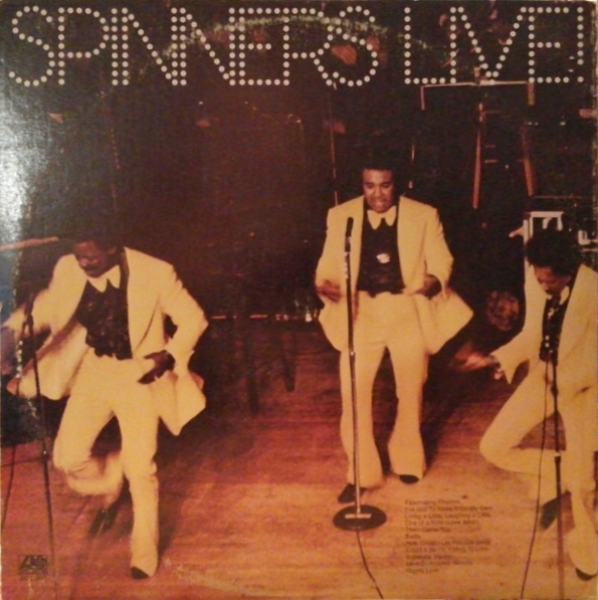
The Spinners – Back cover of the 1975 Atlantic Records double album Spinners Live!. Rodney Stepp is credited on piano and organ, while fellow former Diplomatics bassist Rodney Vorhis is credited on bass during one of the group’s most celebrated touring periods.
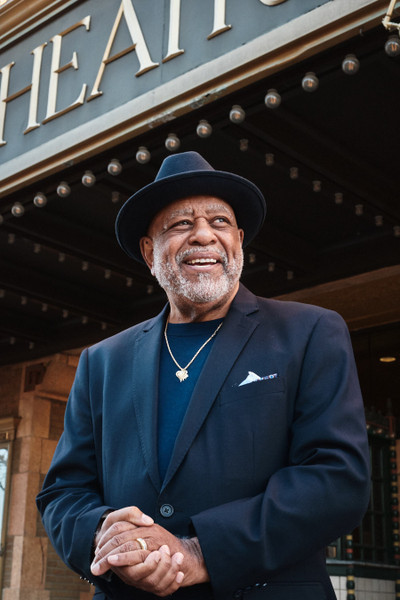
Rodney Stepp, Indianapolis keyboardist, songwriter, producer, and bandleader, photographed in front of the historic Madam Walker Theatre Center on Indiana Avenue.
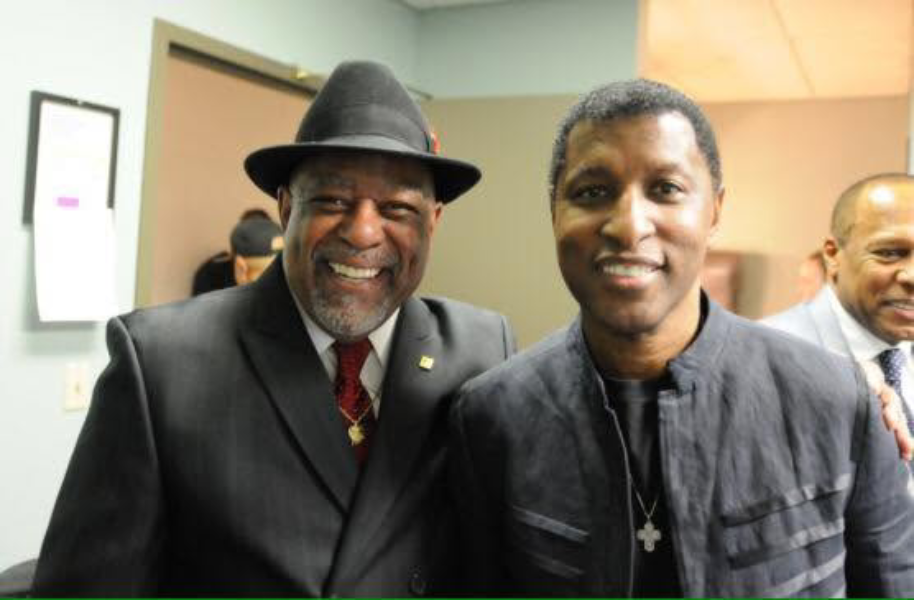
Rodney Stepp (left) with Kenneth “Babyface” Edmonds. In the liner notes for Rapture, Edmonds recalled that Rodney “was one of the musicians that had made it out of Indianapolis” and remembered Rapture as one of the city’s premier bands.
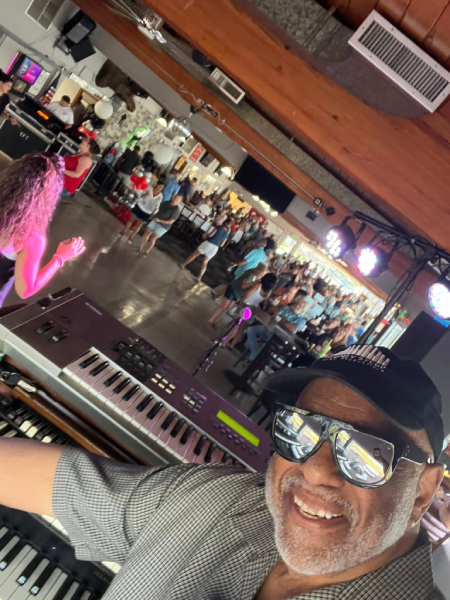
Rodney Stepp takes a selfie from behind the keyboards before a live performance.
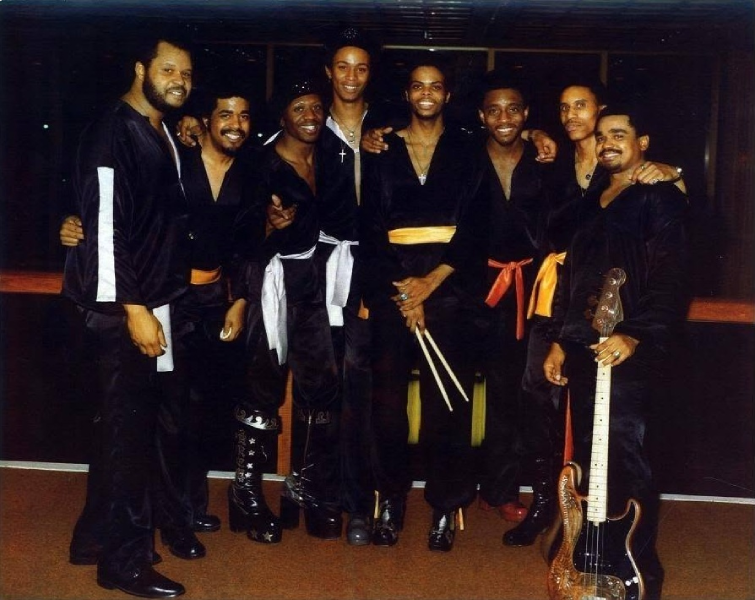
Rapture – L to R: Herman “Squally” Walker Jr., Rodney Stepp, Greg Russell, Pheldon Jay Majors, Harry Eaton, Lonnie Williams, Tony Hayes, and Rodney Vorhis. Posed before a concert with Mfume and Manchild at the Indianapolis Convention Center on October 28, 1978.
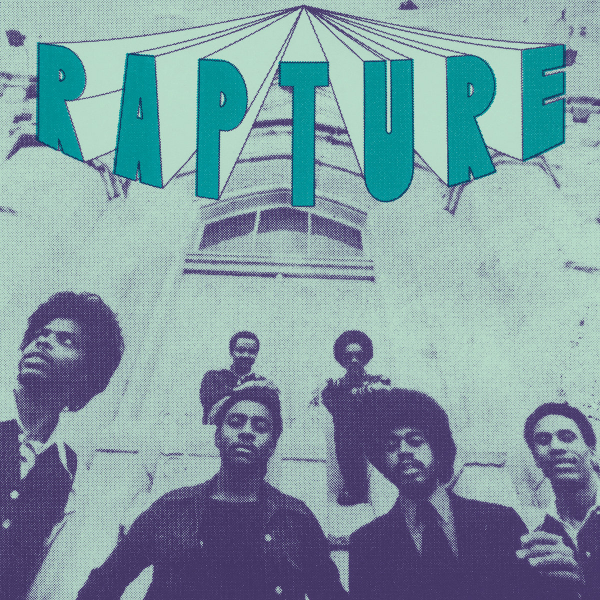
Rapture, 1977. Front (L to R): Harry Eaton, Lonnie Williams, Rodney Stepp, Tony Hayes. Top: Rodney Vorhis and Alphonso Surrett Jr. At the time of this recording, Rodney Stepp and Rodney Vorhis were touring with The Spinners. The album remained unreleased until 2025, when Now-Again Records finally brought the long-lost sessions to the public.
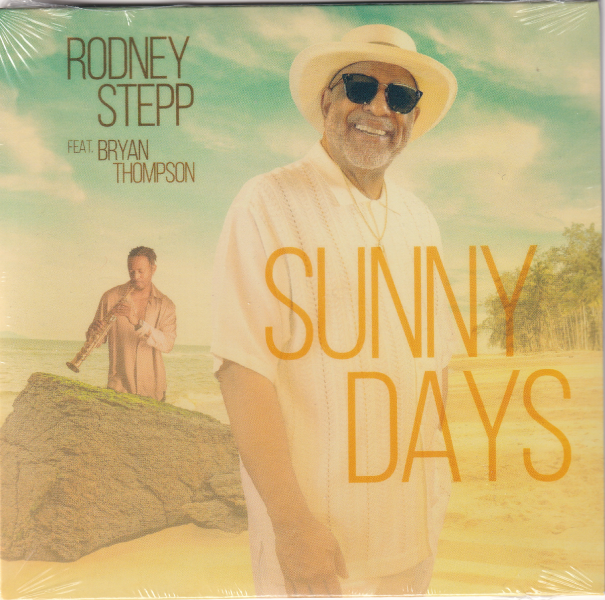
Rodney Stepp featuring Bryan Thompson – Front cover of Sunny Days. Produced by Rodney Stepp and recorded at Rodney Stepp Music Productions, the album reflects Stepp’s continued work as a songwriter, keyboardist, producer, and recording studio owner.
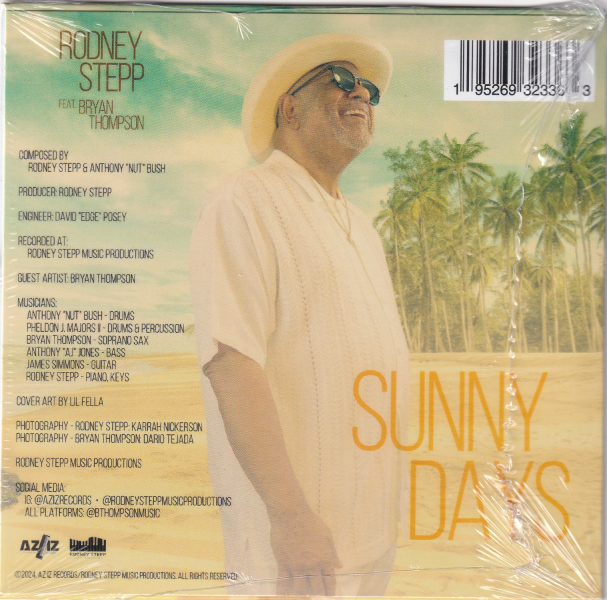
Rodney Stepp Featuring Bryan Thompson – Sunny Days – Back Cover
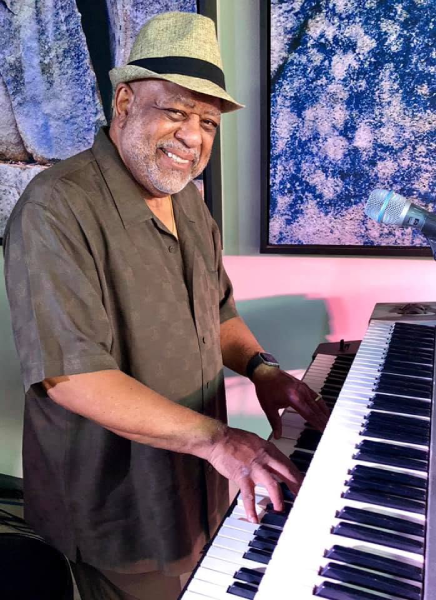
Rodney Stepp at the keyboard. From The Diplomats and The Spinners to Rapture and his own recording studio, Stepp continues to perform, write, produce, and record music.
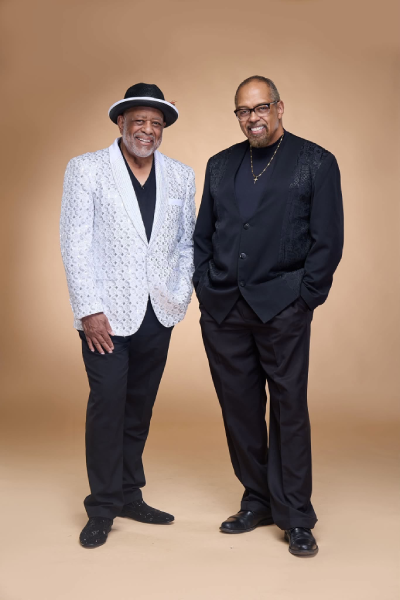
Rodney Stepp (left) and Allen “Turk” Burke, two Indianapolis music legends whose careers each included touring with The Spinners during different eras.
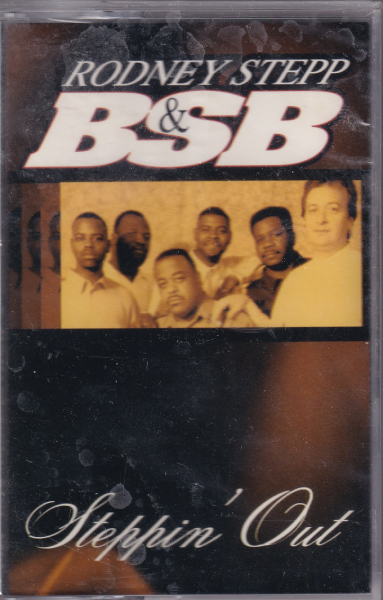
Rodney Stepp & BSB – Front cover of Steppin’ Out. Produced by Rodney Stepp for Brooks Street Music Productions, highlighting Stepp’s longtime work behind the scenes as a producer and recording studio owner.
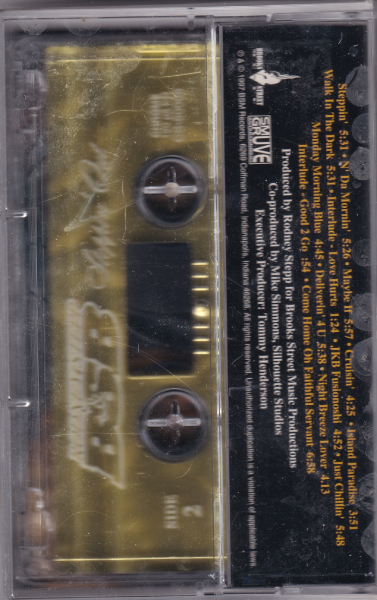
Rodney Stepp & BSB – Back cover of Steppin’ Out. Produced by Rodney Stepp for Brooks Street Music Productions, highlighting Stepp’s longtime work behind the scenes as a producer and recording studio owner.
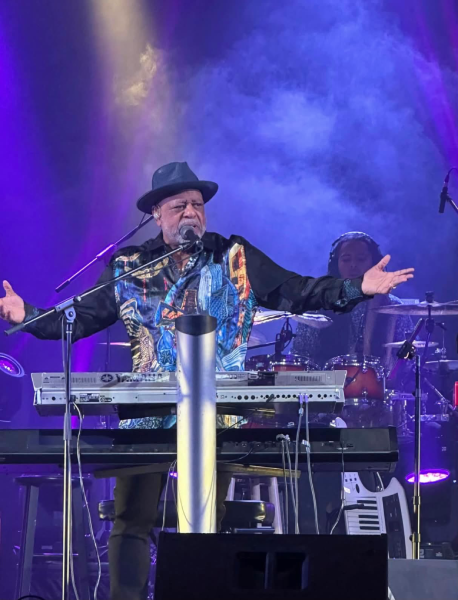
Rodney Stepp performs at the keyboard, continuing a musical career that has spanned more than six decades as a keyboardist, songwriter, producer, and bandleader.
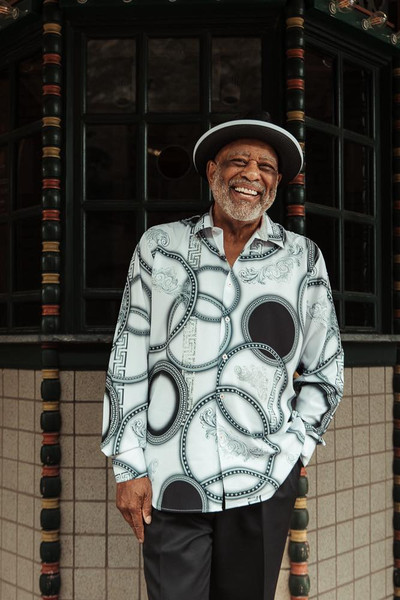
Rodney Stepp poses outside the historic Madam Walker Theatre Center in Indianapolis, Indiana, a landmark that has played an important role in the city’s rich musical heritage.
Preserving Indiana’s Music History
The Indiana Music History Project is made possible through the generous support of the Allen Whitehill Clowes Charitable Foundation. Their commitment to preserving Indiana’s rich musical heritage helps ensure these oral histories remain accessible for future generations.

Help Improve This Archive
Have additional information about this artist, story, or any of the photographs? If you can identify people, dates, locations, or have memories you’d like to share, we’d love to hear from you. Please use the button below and select “Submit Historical Information or Corrections” as the reason for your message.

