
Sir Winston and the Commons Oral History

Sir Winston and the Commons emerged from Indianapolis during the early 1960s, beginning as an instrumental surf-rock group called The Illusions before briefly performing as The Suspicions and eventually adopting the name that would define the band. The classic lineup featured Ron Matelic and Herb Crawford on guitars, Don Basore on bass, John Medvescek on drums, and Joe Stout on keyboards and saxophone. Together, they became one of Indiana’s most distinctive garage rock and psychedelic bands of the era.
As the British Invasion transformed popular music, the group shifted from surf instrumentals toward vocals, original songwriting, and a more adventurous sound. Sir Winston and the Commons built a strong regional following through teen clubs, college dances, and performances across Indiana and the Midwest. Their growing audience was devoted enough that two busloads of fans once traveled with the band to Chicago for a performance at The Cellar.
Interview Highlight
In this Interview Highlight, Ron Matelic, John Medvescek, and Joe Stout reflect on the band’s move to California, where they performed at the Galaxy Club on the Sunset Strip. They also recall one memorable night when The Doors were performing just two doors away. John Medvescek shares the story of touring with blues legend Big Mama Thornton, while the band also remembers opening for Joe Cocker in New York City.
Complete Interview
In this Complete Interview, Ron Matelic, John Medvescek, and Joe Stout trace the band’s evolution from its earliest days as The Illusions and The Suspicions through the formation of Sir Winston and the Commons.
They discuss winning local Battle of the Bands competitions, recording their first records, writing original music during the British Invasion, performing throughout the Midwest, and building such a loyal following that two busloads of fans traveled to Chicago to see the band perform.
The conversation also explores the stories behind the band’s recordings, the creation of “Not the Spirit of India,” their move to California, and an opportunity to tour Europe that they ultimately declined. The musicians follow their later paths through Madison Zane, Anonymous, J. Rider, Ross, the Carl Taylor Band, and the DoorJams reunion, while reflecting on the Indianapolis music scene and friendships that have endured for more than sixty years.
Biography
Sir Winston and the Commons began in Indianapolis in 1963, when a group of young musicians came together around a shared interest in surf music, rhythm and blues, and the rapidly changing sound of American rock and roll. Ron Matelic and John Medvescek had already begun playing together, while Joe Stout and Don Basore lived near one another and were developing musical ideas of their own. After the musicians connected, the early group initially performed without a fixed name and jokingly referred to itself as The Pickups because the members picked one another up for rehearsals.
The band soon adopted the name The Illusions and focused primarily on instrumental surf music. Matelic’s guitar work drew heavily from players such as Dick Dale, while Medvescek developed his drumming style by listening to early rock and roll records. Stout entered the group as a saxophonist, bringing experience from school marching and jazz bands, while Basore played bass. As the British Invasion reshaped popular music, the group began adding vocals and Top 40 material to its repertoire, briefly performing as The Suspicions before becoming Sir Winston and the Commons.
The band’s new name arrived through booking agent Bob Kelly, who encouraged the musicians to adopt an English-sounding identity that fit the era. For a short time, promotional materials even presented the Indianapolis group as being “direct from Liverpool,” requiring the musicians to use mock British accents at some appearances. The strategy produced humorous situations when audience members who had attended school with the band recognized them onstage.
Sir Winston and the Commons developed during a period when teen clubs, college dances, armories, and youth venues offered young bands abundant opportunities to perform. The group played regularly throughout Indianapolis and across Indiana, appearing at locations including Indiana Beach, college dances, teen clubs, and the National Guard Armory in Crawfordsville. Their growing popularity led to a loyal regional following, and on at least one occasion two busloads of fans traveled with the band to Chicago to see them perform at The Cellar.
One of the band’s earliest recording experiences came while backing singer Rojay Gotee on “Thunder ‘n Lightnin'” and “Miss Jantje Jones.” The musicians rehearsed the material and recorded it at Jan Eden Recording & Sound in Indianapolis while they were still known as The Suspicions. Hearing “Thunder ‘n Lightnin'” played on the radio became an early milestone and encouraged the group to pursue its own recordings.
Influenced by The Beatles and the growing expectation that bands should write original music, members of Sir Winston and the Commons began composing their own songs. Manager Sonny Hobbs helped the group secure a relationship with Soma Records, and the band traveled to Columbia Records Studios in Chicago to record “We’re Gonna Love” and “Come Back Again.” Released in 1966, the single introduced the band to listeners beyond Indiana and became its best-known commercial release.
The group continued writing and recording, issuing “Not the Spirit of India” backed with “One Last Chance” on its own Nauseating Butterfly! label in 1967. Written by Ron Matelic and Herb Crawford, “Not the Spirit of India” reflected the period’s growing psychedelic and Eastern musical influences. The band also recorded other original material, including “No Sorrow” and “All of the Time,” some of which remained unreleased for decades before later appearing on archival garage-rock compilations.
Sir Winston and the Commons were known not only for their recordings but also for a visually distinctive stage presentation. Photographs from the period show the musicians in dramatic clothing, including capes, patterned jackets, bandoliers, and other theatrical attire. Members occasionally switched instruments for photographs and performances, reflecting the flexible and playful nature of the group. Joe Stout, originally the band’s saxophonist, moved to keyboards after the group won a Lowrey organ in a Battle of the Bands competition. He later expanded his setup with electric piano, Vox organ, Hammond B-3, and Leslie speaker.
The band’s lineup evolved over time. Herb Crawford replaced earlier guitarist Gary Crawford, joining Matelic, Basore, Medvescek, and Stout in what became the group’s best-known configuration. The musicians worked closely as a unit, rehearsing for years in the garage at Stout’s family home. The garage became an informal gathering place where neighborhood listeners and aspiring young musicians could hear the band practice.
In 1967, Don Basore was drafted into military service. The remaining members continued as a four-piece and began looking toward opportunities beyond Indiana. After an exploratory trip to California, the band relocated to Los Angeles the following year. They auditioned at several venues before securing an extended engagement at the Galaxy Club on the Sunset Strip, where they performed five hours a night, from 9 p.m. until 2 a.m., for approximately six weeks. During at least one of those nights, The Doors were performing nearby, two doors down.
While in California, the band recorded additional material whose eventual fate remained uncertain. John Medvescek later toured with blues legend Big Mama Thornton, a story he shares during the interview. The musicians were also offered an unusual opportunity to tour Europe while assuming the identity of another group whose song had become successful overseas. Sir Winston and the Commons declined the proposal rather than present themselves as another band.
After returning from California, Joe Stout left the group, and Sir Winston continued as a three-piece with Ron Matelic, Herb Crawford, and John Medvescek. In that configuration, the band traveled to New York City and performed at Steve Paul’s The Scene, opening for Joe Cocker. They also recorded material in New York, though it was not released at the time.
The members continued pursuing music after Sir Winston and the Commons ended. Joe Stout and John Medvescek helped form Madison Zane in the early 1970s. As the group evolved, it became Ross, an eight-piece disco and funk band, and later the Carl Taylor Band. The Carl Taylor Band won the Marlboro Talent Roundup, opened at Market Square Arena for Barbara Mandrell, Ronnie Milsap, and Ricky Skaggs, and recorded the album Indiana Lady at Bill Gaither’s studio in Alexandria, Indiana. Herb Crawford returned to California for additional musical work, including recording and film-score projects joined later by John Medvescek for a period of time before returning to Indianapolis.
Ron Matelic, John Medvescek, Marsh Ervin and Glenn Weaver recorded the Anonymous album through the auspices of Jim Spencer, a highly talented songwriter/performer who occasionally partnered with Matelic on co-writing songs. The album eventually became a highly sought-after recording among collectors of psychedelic and progressive rock. Matelic, Medvescek, Marsha Ervin, Greg Reynolds and Justin Garriott later formed J. Rider, continuing the creative path that had begun with Sir Winston and the Commons.
Decades later, Matelic, Medvescek, and Reynolds reunited musically along with Bill Kossmann in the DoorJams, a group focused on original material. The band performed around Indianapolis and recorded new music before the COVID-19 pandemic interrupted its momentum. Their reunion demonstrated that the friendships, musical instincts, and creative ambitions formed during the Sir Winston years remained strong.
The recordings of Sir Winston and the Commons continued to find new audiences long after the band’s original era. Their songs appeared on garage-rock compilations, and Sundazed Music released an EP collecting the band’s recordings in 1999. “We’re Gonna Love” has since been recognized by garage-rock historians as one of the notable American recordings of its era.
More than sixty years after the musicians first began rehearsing together, Sir Winston and the Commons remain an important part of Indiana music history. Their story connects Indianapolis teen clubs, Midwestern dance halls, Chicago recording studios, the Sunset Strip, New York City, and later generations of collectors and musicians. Through original songwriting, ambitious performances, enduring friendships, and a willingness to follow music wherever it led, the band created a body of work whose reputation continues to grow.
Image Gallery
Explore photographs, recordings, magazine features, artwork, promotional materials, and other images documenting the history of Sir Winston and the Commons, along with related projects that followed the band’s original era.
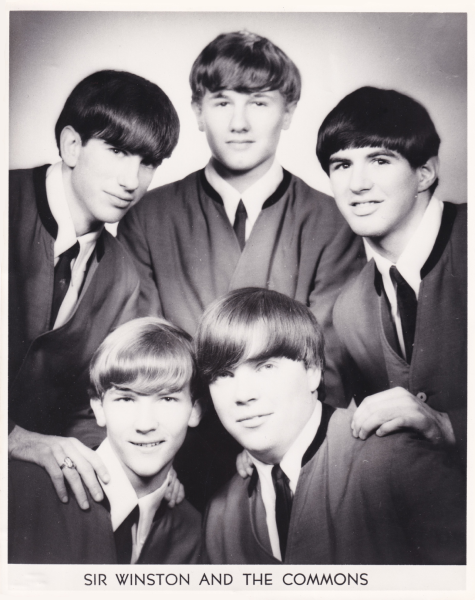
Sir Winston and the Commons pose for a promotional portrait. Back row (left to right): Herb Crawford, John Medvescek, and Don Basore. Front row (left to right): Ron Matelic and Joe Stout.
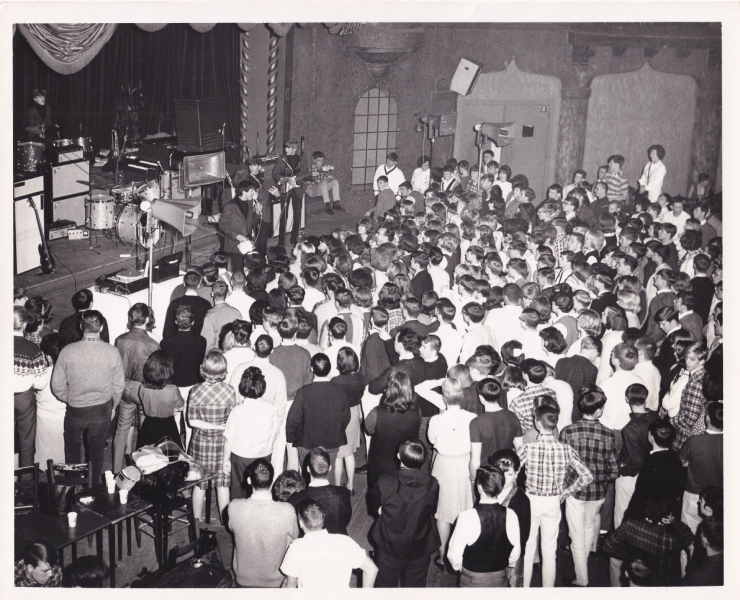
Sir Winston and the Commons perform to a packed house. Left to right: John Medvescek (drums), Don Basore (tambourine), Joe Stout (bass), Herb Crawford (guitar), and Ron Matelic (guitar).
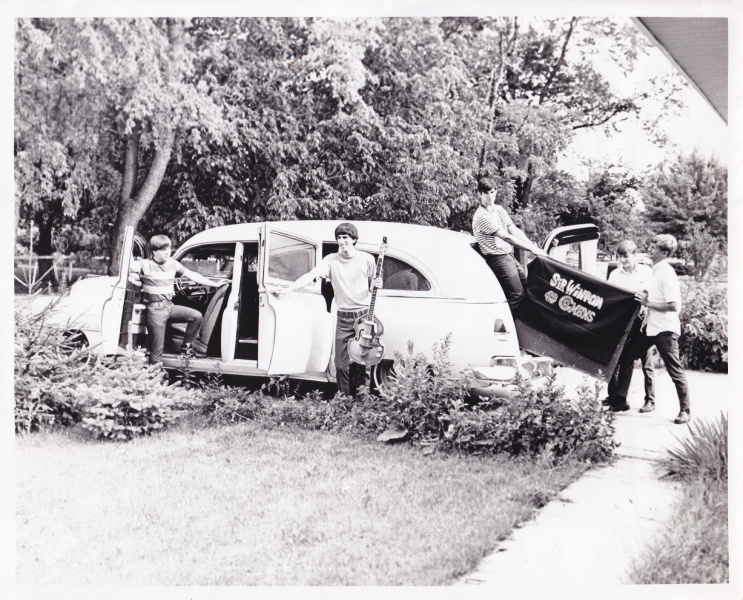
Sir Winston and the Commons pose with their equipment in a promotional photograph. This image was later used for the cover of Sundazed Music’s 1999 EP featuring the band’s complete released recordings.
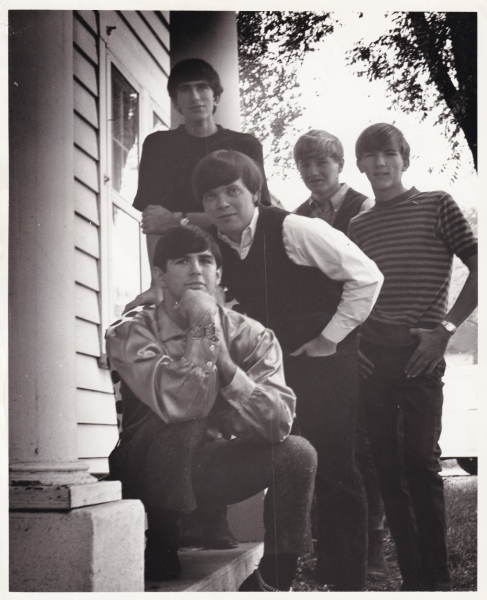
Seated Front – Don Basore, Leaning Center – Joe Stout, Back L to , Herb Crawford, John Medvescek and Ron Matelic
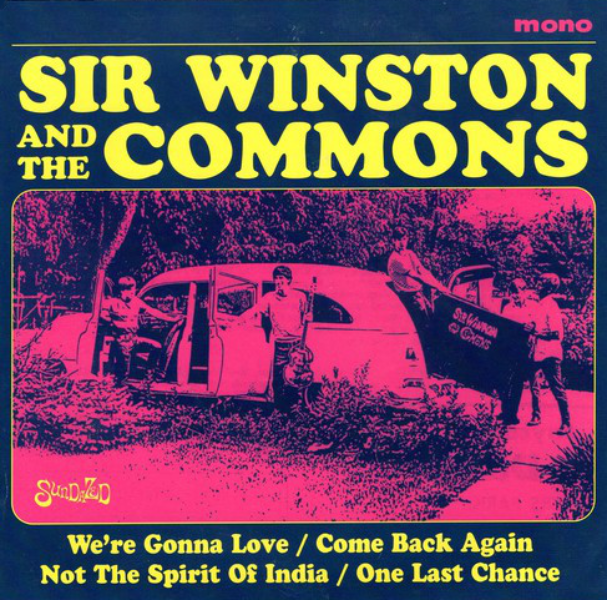
Sundazed Music’s 1999 EP of Sir Winston and the Commons, featuring the band’s complete released recordings and using the promotional photograph shown above as its cover artwork.
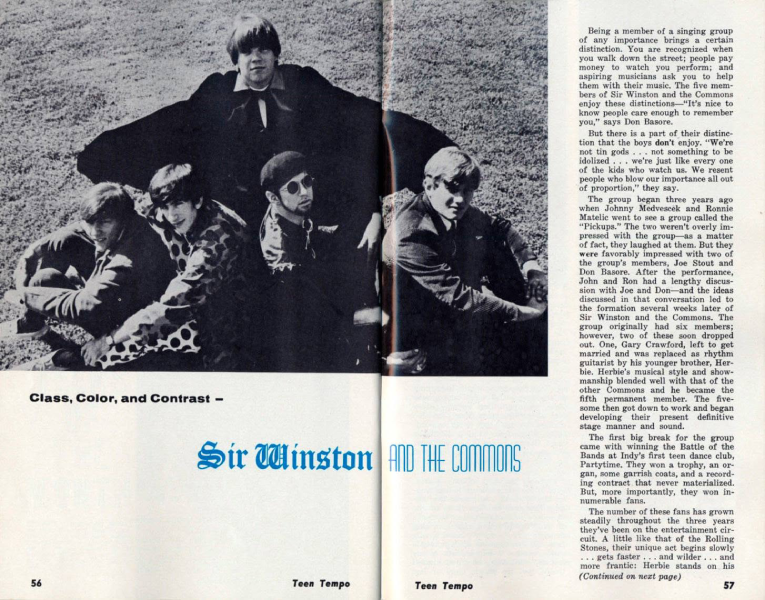
Feature on Sir Winston and the Commons in Teen Tempo magazine, pages 56–57, featuring a well-known promotional photograph.
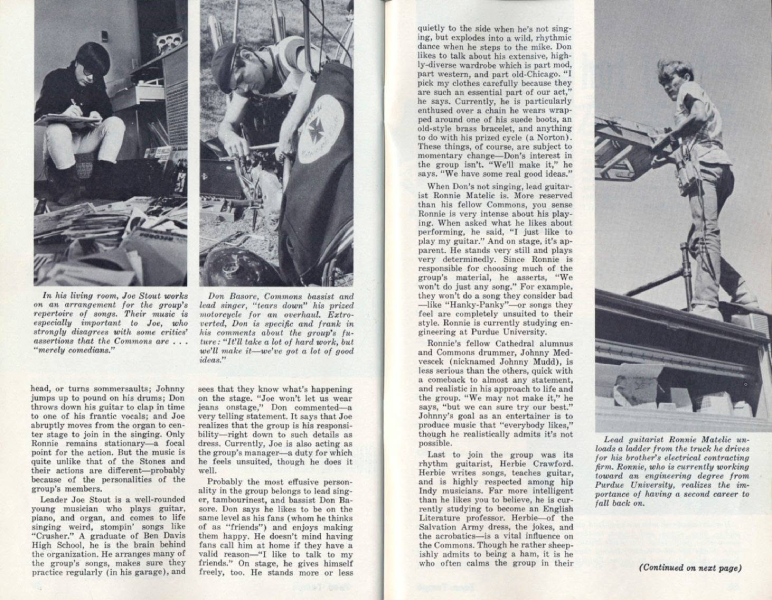
Continuation of the Teen Tempo magazine feature on Sir Winston and the Commons, pages 58–59.
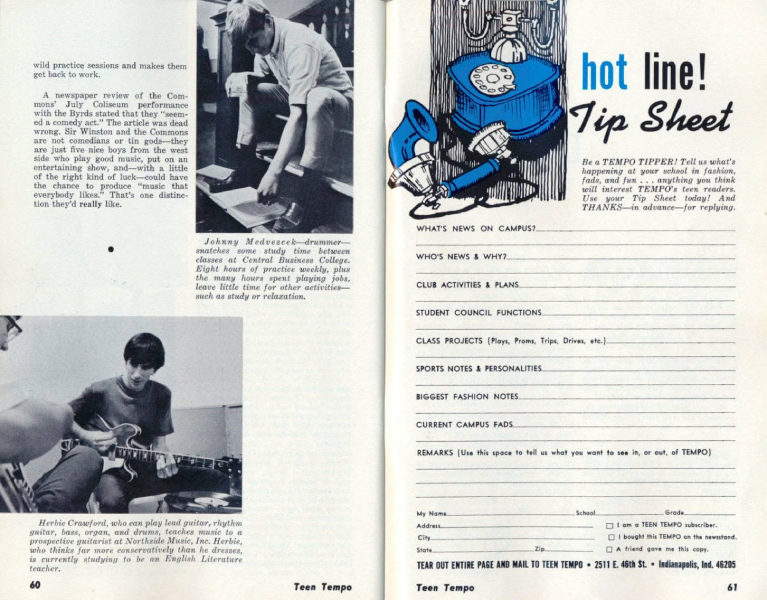
Conclusion of the Teen Tempo magazine feature on Sir Winston and the Commons, pages 60–61.
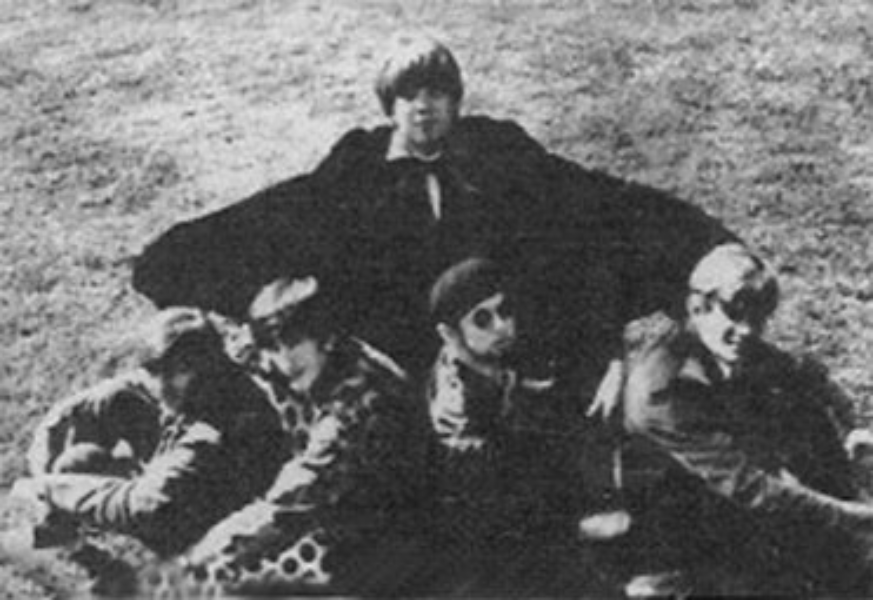
A well-known promotional photograph of Sir Winston and the Commons, featured in Teen Tempo magazine.
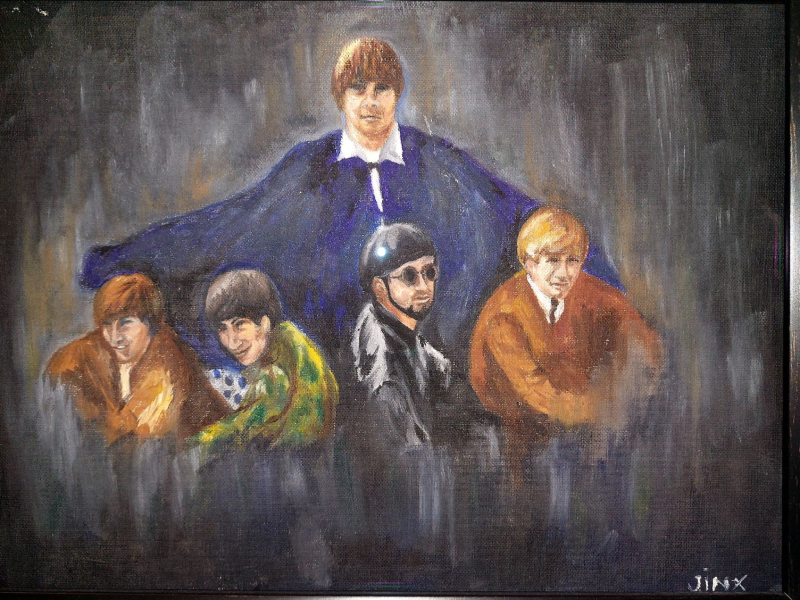
An original painting by artist Jinx inspired by the well-known Sir Winston and the Commons promotional photograph featured in Teen Tempo magazine.
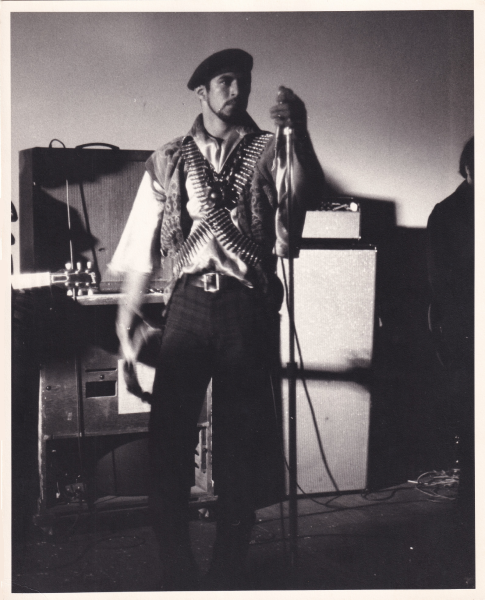
Don Basore performs with Sir Winston and the Commons wearing a distinctive bullet bandolier as part of his stage attire.
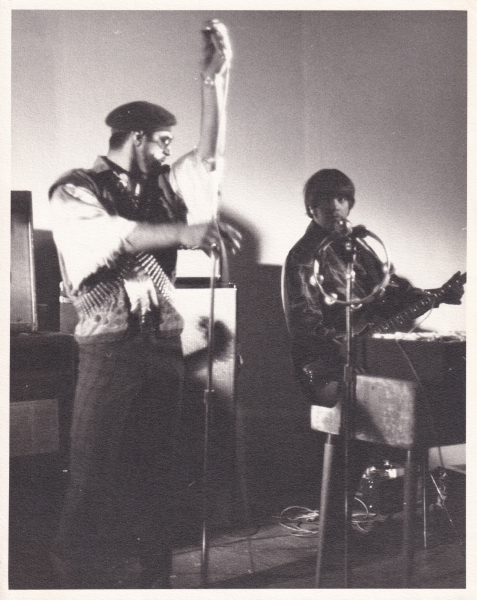
Don Basore and Joe Stout perform with Sir Winston and the Commons. Basore is wearing his distinctive bullet bandolier as part of his stage attire.
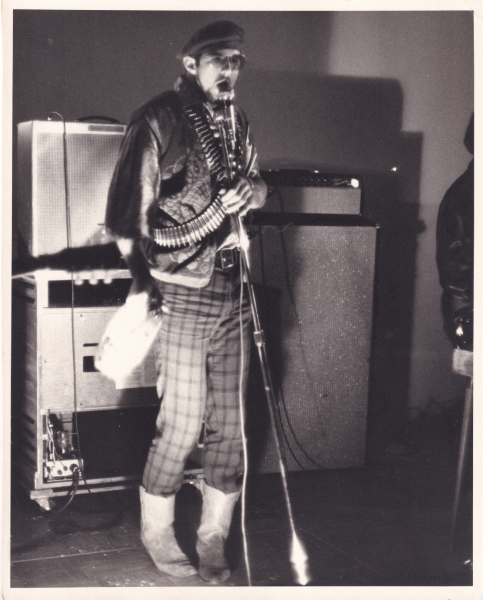
Don Basore performs with Sir Winston and the Commons in a theatrical stage costume.
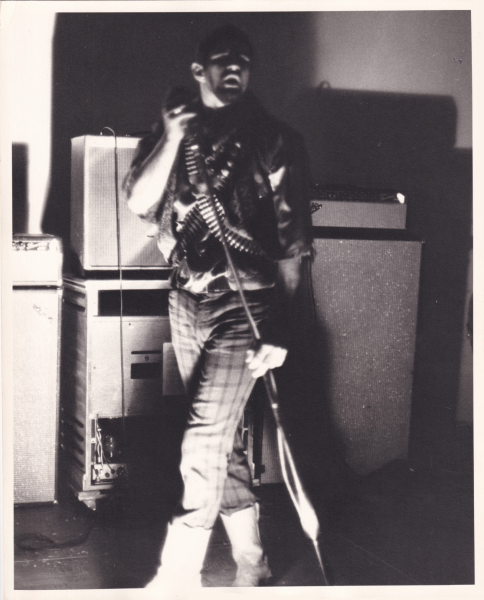
Don Basore performing with Sir Winston and the Commons
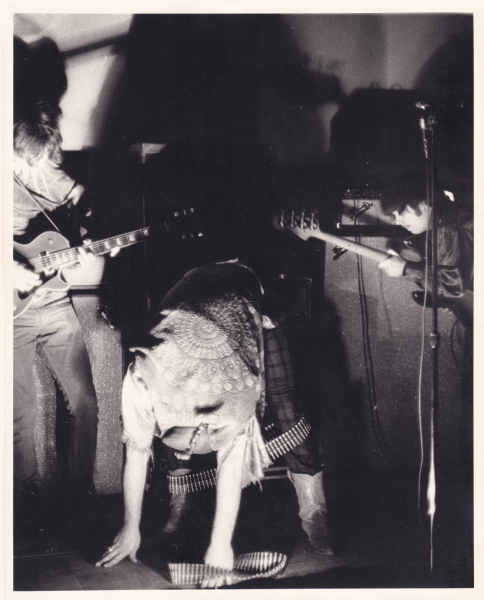
Left to right: Herb Crawford, Don Basore, and Joe Stout perform with Sir Winston and the Commons.
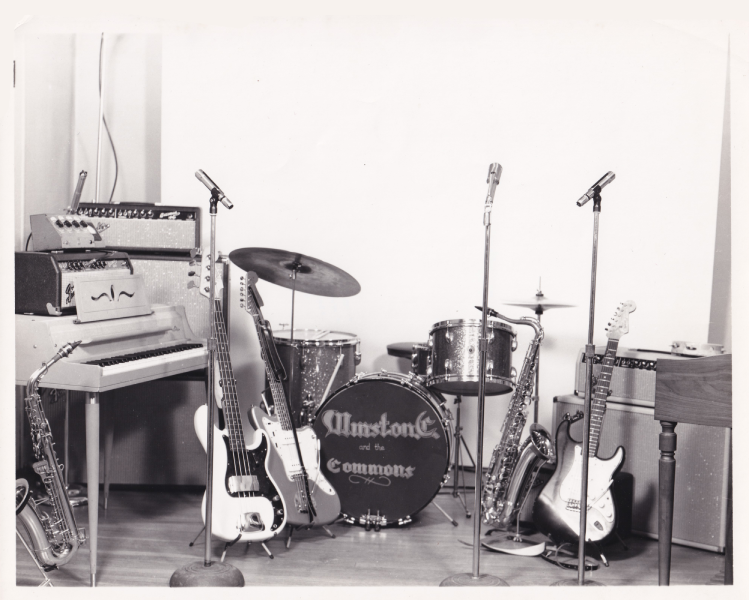
The stage setup of Sir Winston and the Commons, featuring the band’s custom-logo bass drum and performance equipment.
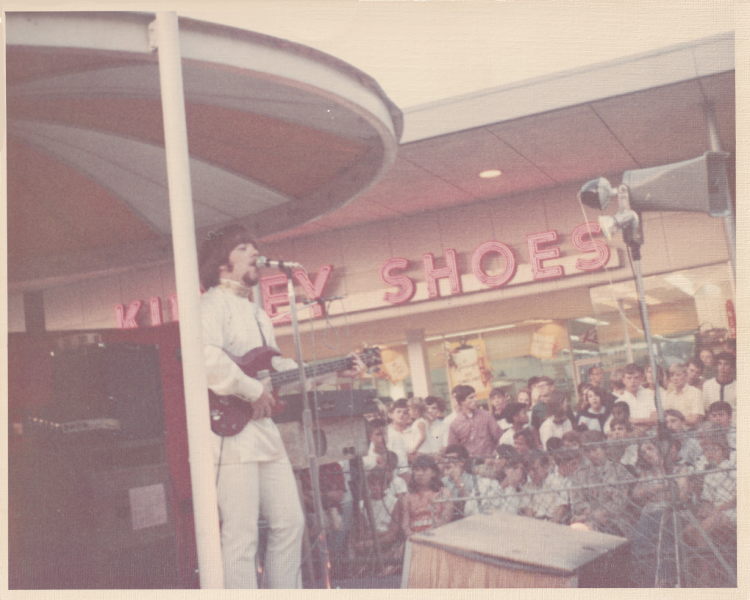
Joe Stout performs with Sir Winston and the Commons before a crowd at Glendale Shopping Center in Indianapolis, circa 1966.
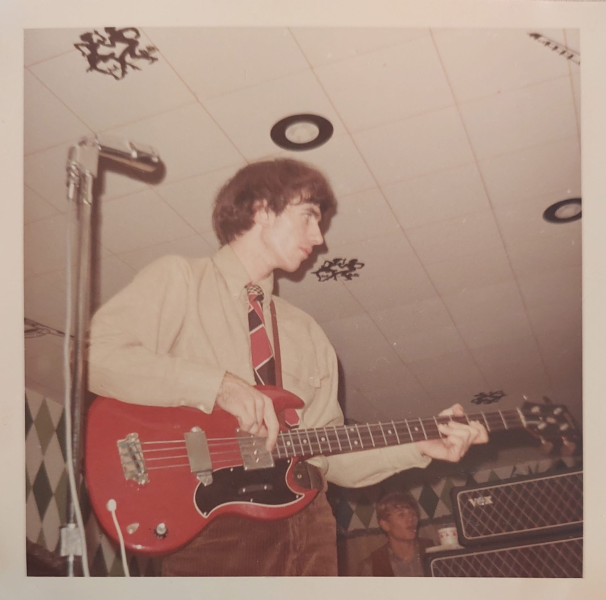
Herb Crawford performs with Sir Winston and the Commons. Although primarily the band’s guitarist, he is pictured here playing bass.
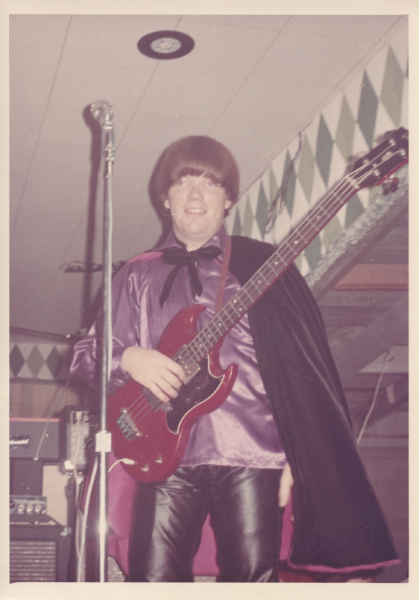
Joe Stout performs with Sir Winston and the Commons, wearing a cape as part of the band’s theatrical stage attire.
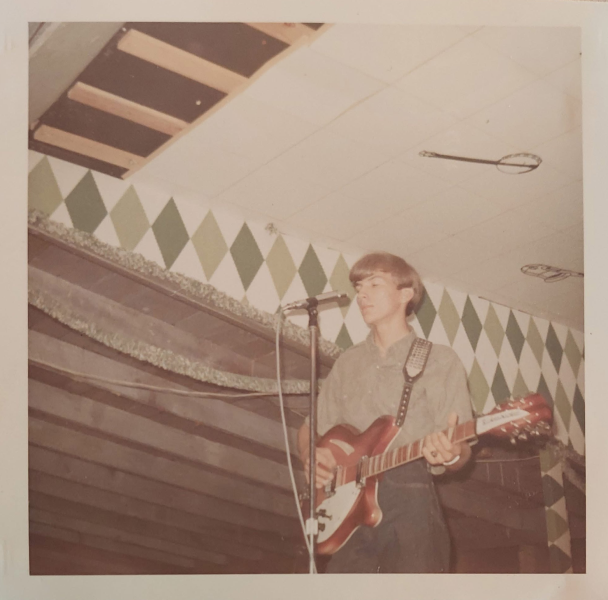
Ron Matelic Performing with Sir Winston and the Commons
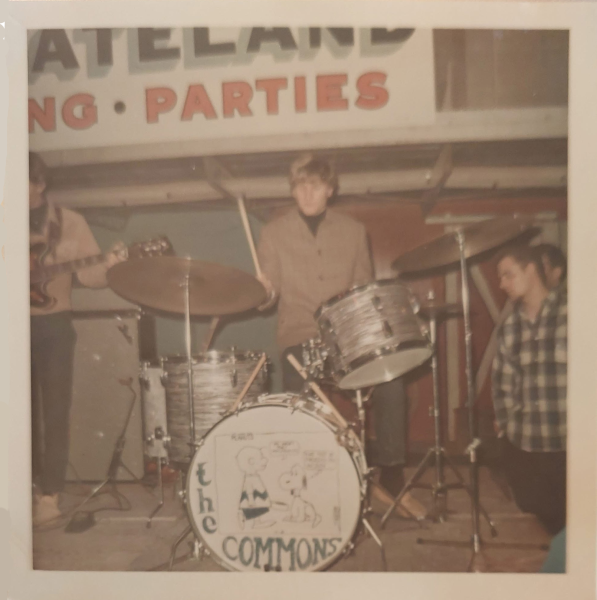
John Medvescek performs with Sir Winston and the Commons behind the band’s custom-logo drum kit.
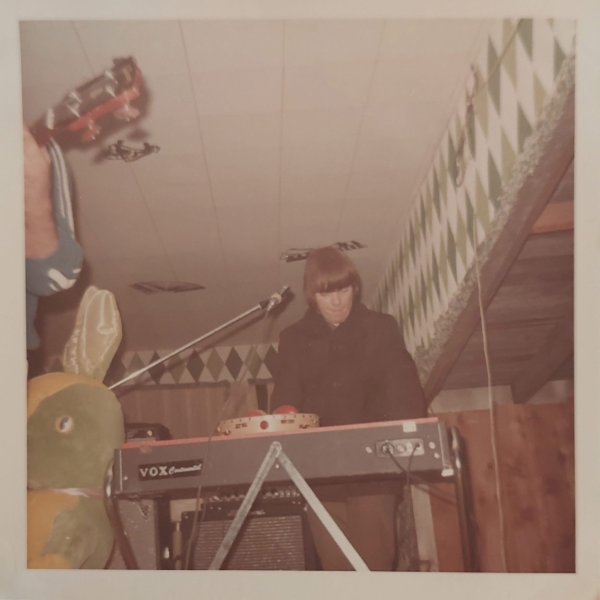
Joe Stout performs on keyboard with Sir Winston and the Commons.
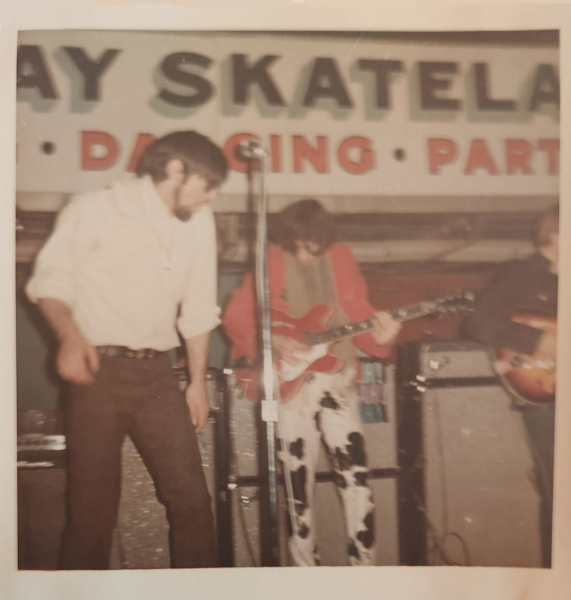
Don Basore (left) and Herb Crawford (center) perform with Sir Winston and the Commons.
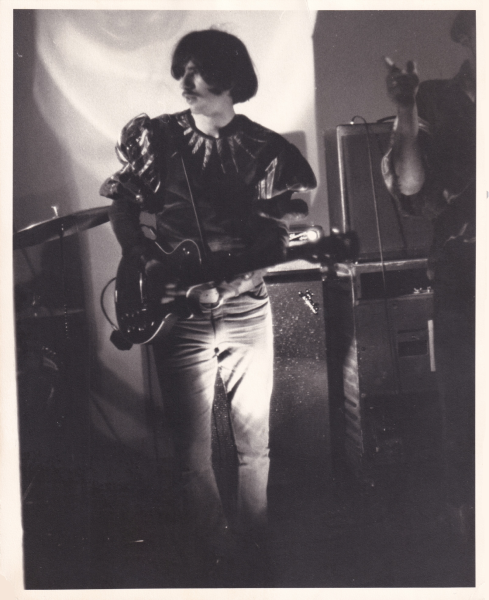
Herb Crawford performs with Sir Winston and the Commons during one of the band’s live appearances.
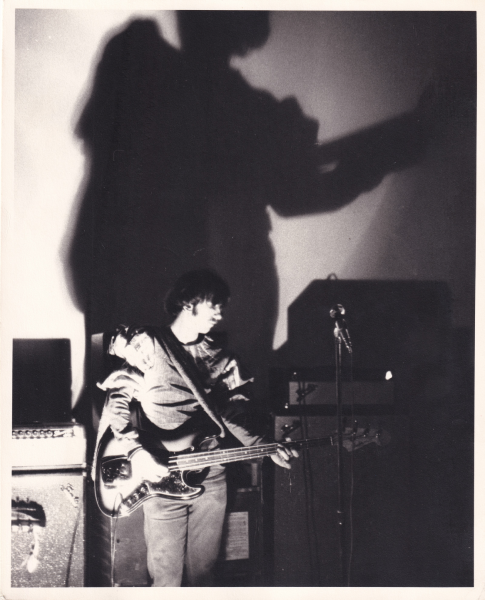
Herb Crawford performs with Sir Winston and the Commons as his shadow looms behind him on stage.
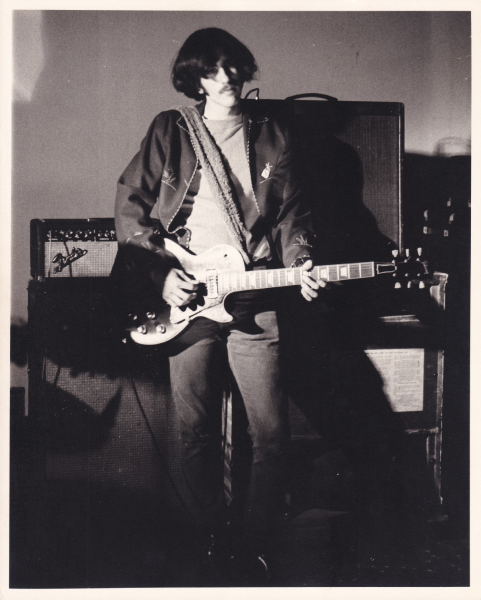
Herb Crawford performs on guitar with Sir Winston and the Commons.
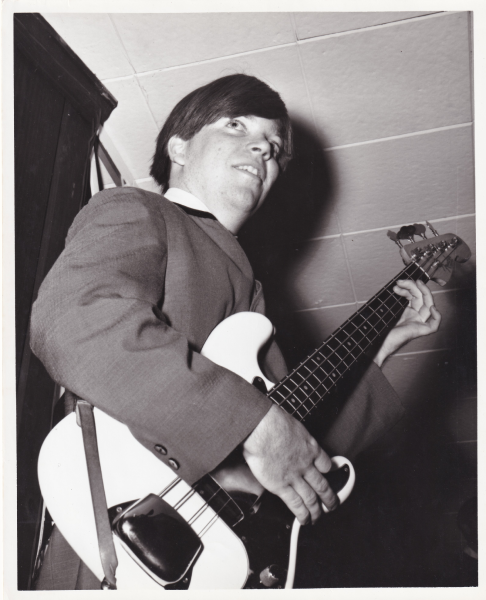
Joe Stout performs on bass with Sir Winston and the Commons during one of the band’s live appearances.
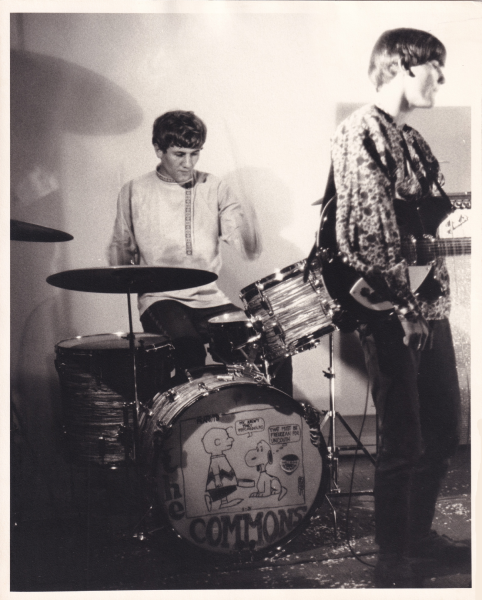
John Medvescek (drums) and Ron Matelic (guitar) perform with Sir Winston and the Commons
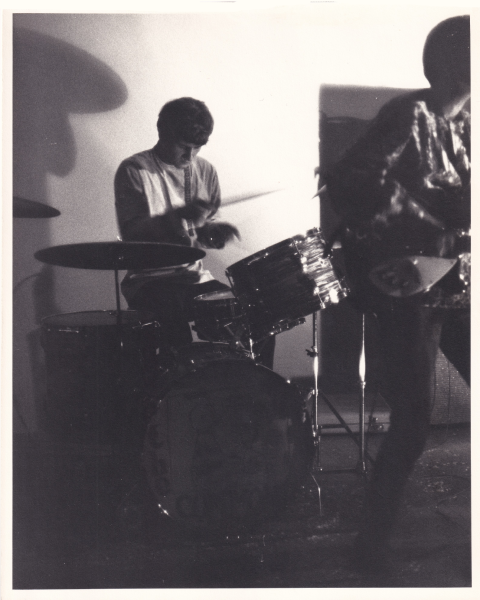
John Medvescek (drums) and Ron Matelic (guitar) perform with Sir Winston and the Commons during a live performance.
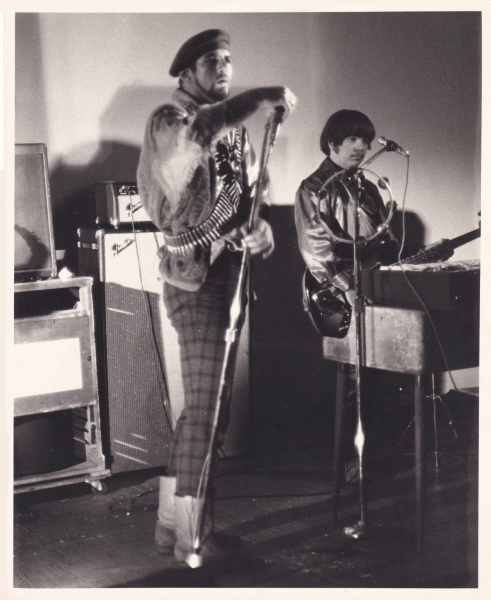
Left to right: Don Basore and Joe Stout perform with Sir Winston and the Commons.
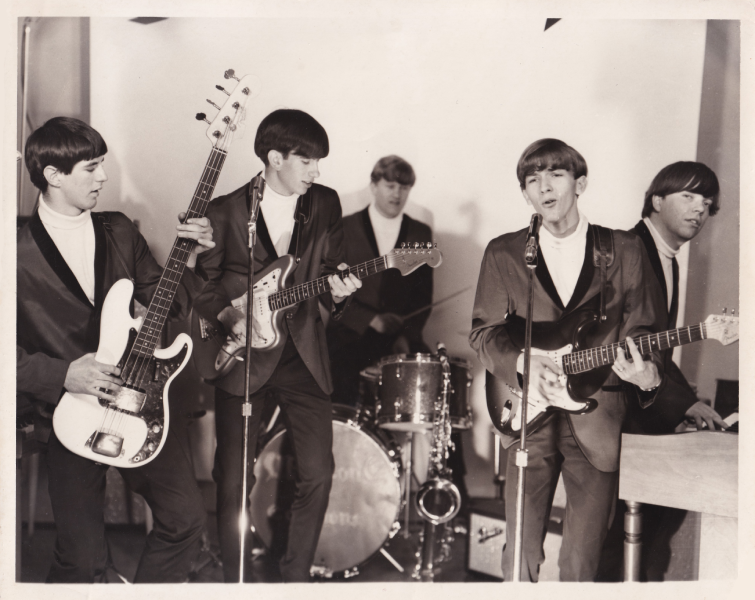
A promotional photograph of Sir Winston and the Commons. Left to right: Don Basore, Herb Crawford, John Medvescek, Ron Matelic, and Joe Stout.
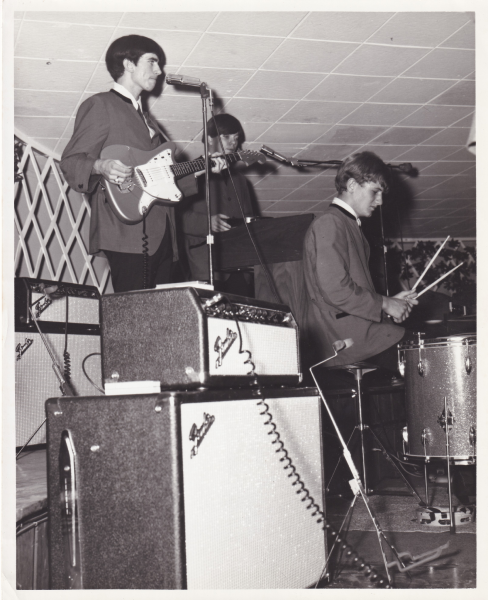
Herb Crawford (left), Joe Stout (center), and John Medvescek (right) perform with Sir Winston and the Commons.
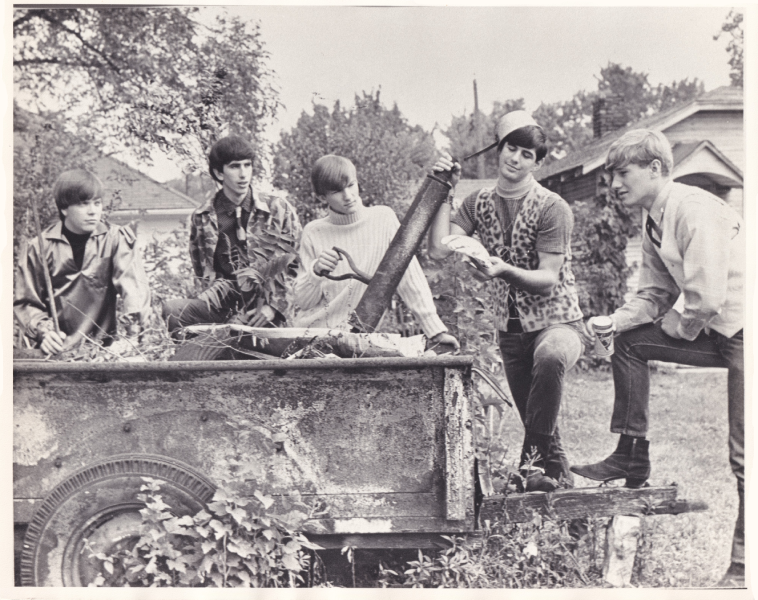
Sir Winston and the Commons pose for a promotional photograph. Left to right: Joe Stout, Herb Crawford, Ron Matelic, Don Basore, and John Medvescek.
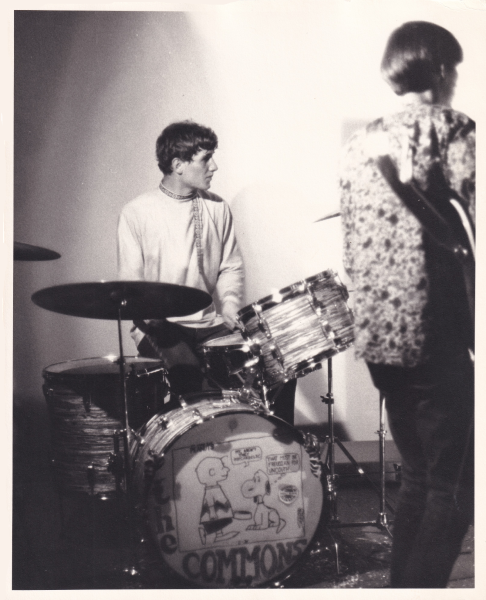
John Medvescek performs on drums with Sir Winston and the Commons, with the band’s custom-logo bass drum prominently displayed. Ron Matelic is partially visible at right.
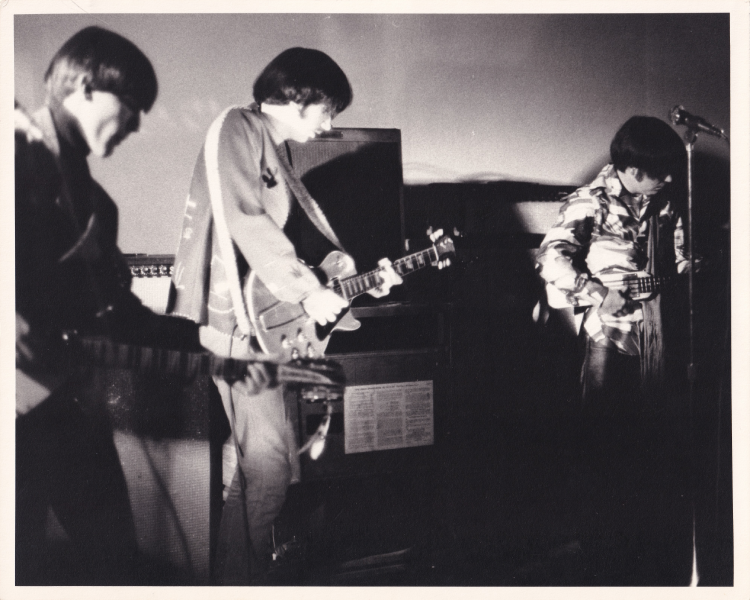
Ron Matelic (left), Herb Crawford (center), and Joe Stout (right) perform with Sir Winston and the Commons.
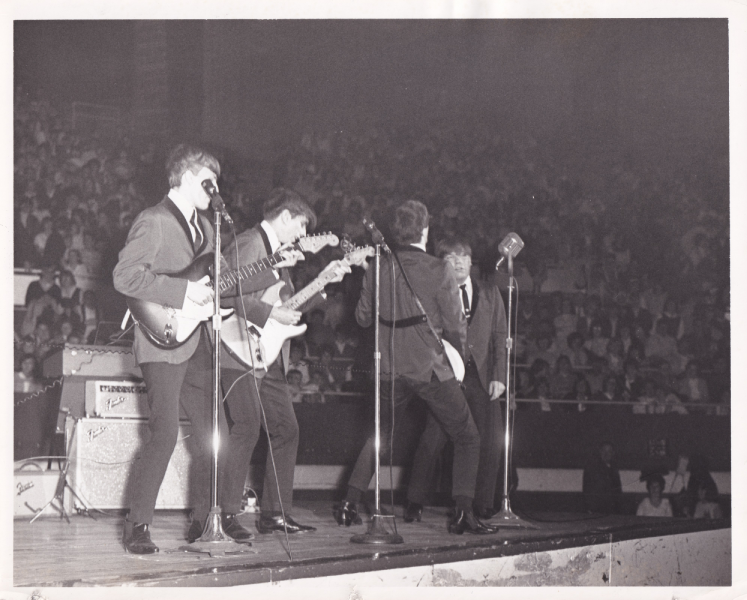
Ron Matelic, Herb Crawford, Don Basore, and Joe Stout perform before a large audience with Sir Winston and the Commons.
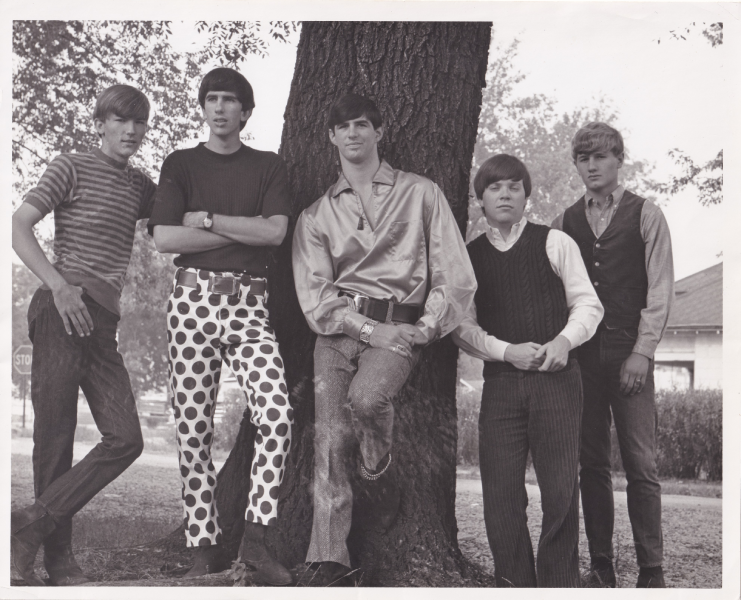
Sir Winston and the Commons pose for a promotional photograph. Left to right: Ron Matelic, Herb Crawford, Don Basore, Joe Stout, and John Medvescek.
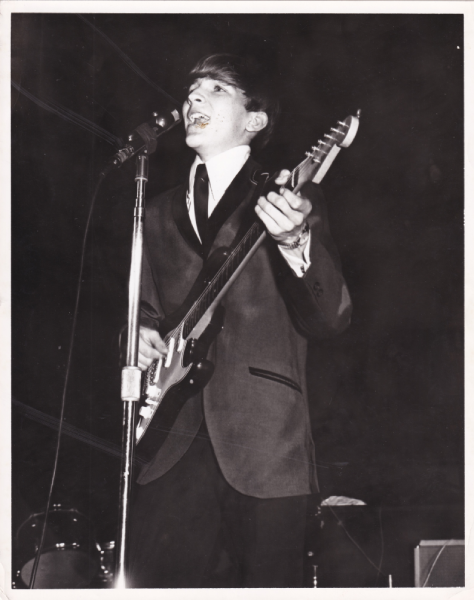
Ron Matelic Performing with Sir Winston and the Commons
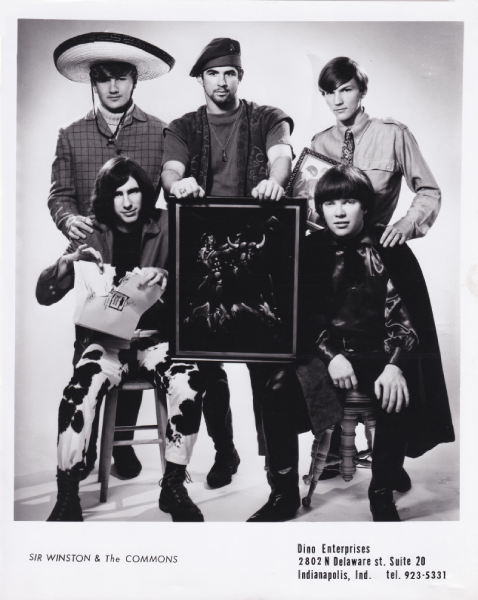
Sir Winston and the Commons pose for a promotional photograph. Back row (left to right): John Medvescek, Don Basore, and Ron Matelic. Front row (left to right): Herb Crawford and Joe Stout.
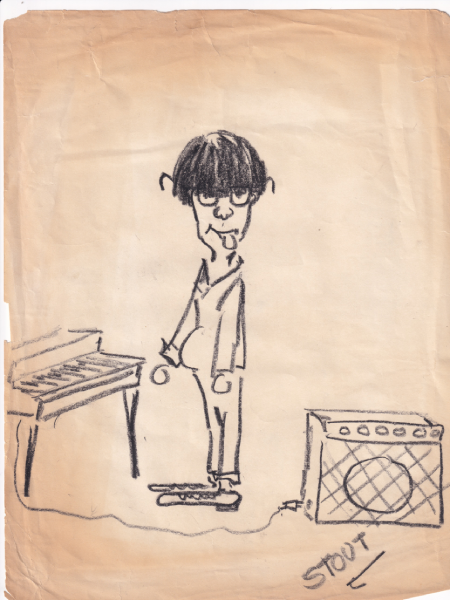
An early fan drawing of Joe Stout at the keyboard with Sir Winston and the Commons.
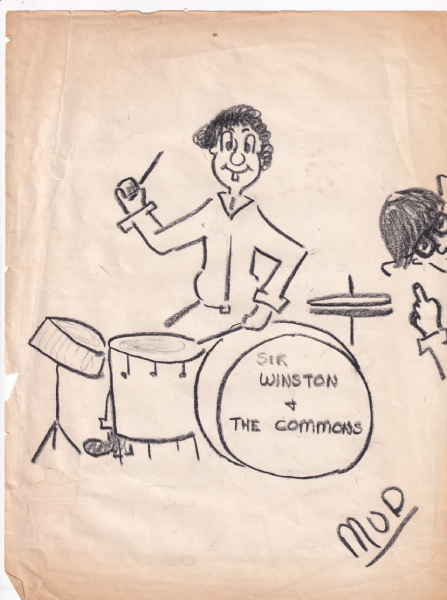
A hand-drawn caricature of John Medvescek behind the drums, with Joe Stout partially visible at right, created by an early fan of Sir Winston and the Commons.
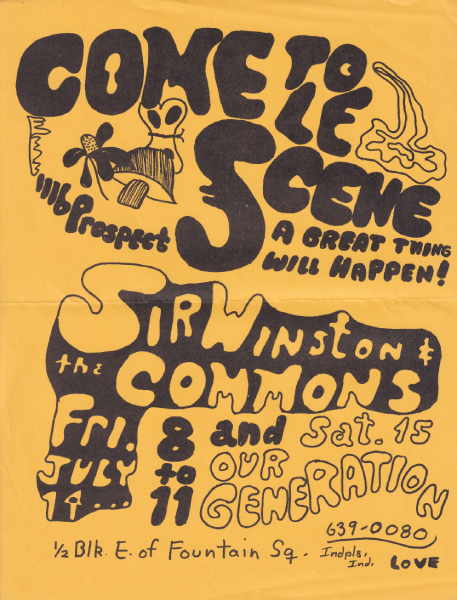
Original promotional flyer for Sir Winston and the Commons and Our Generation. “Come to Le Scene—A Great Thing Will Happen!” Friday, July 14 and Saturday, July 15, from 8:00 to 11:00 p.m. at ½ block east of Fountain Square, Indianapolis, Indiana.
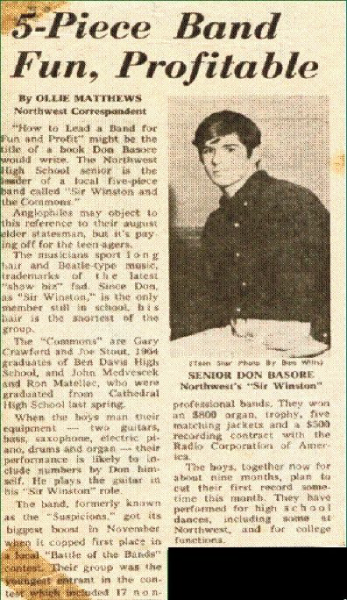
The newspaper article “5-Piece Band Fun, Profitable” profiles Sir Winston and the Commons and features a photo of “Sir Winston” Don Basore.
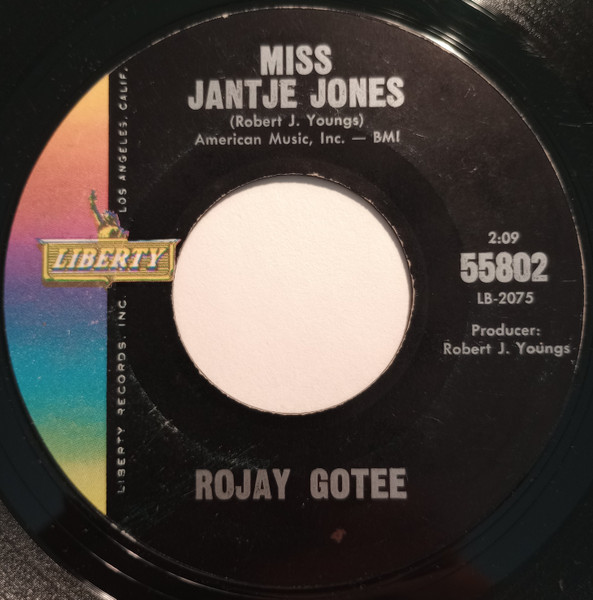
Rojay Gotee performs – Miss Jantje Jones – backed by The Suspicions, the Indianapolis band that later became Sir Winston and the Commons
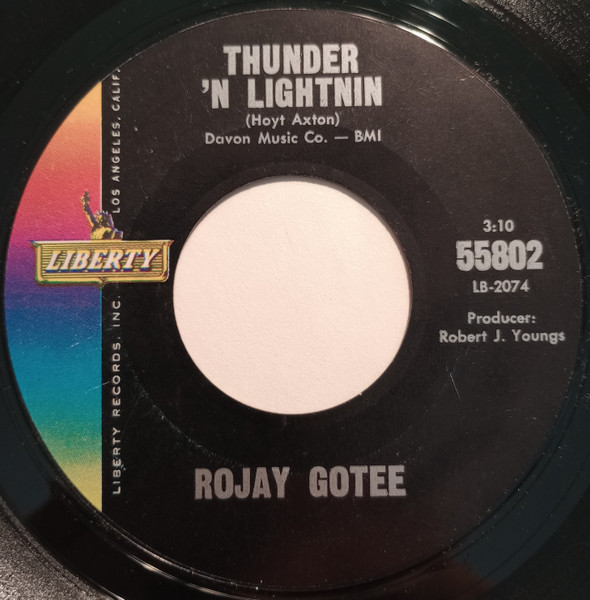
Rojay Gotee performs – Thunder ‘n Lightnin – backed by The Suspicions, the Indianapolis band that later became Sir Winston and the Commons
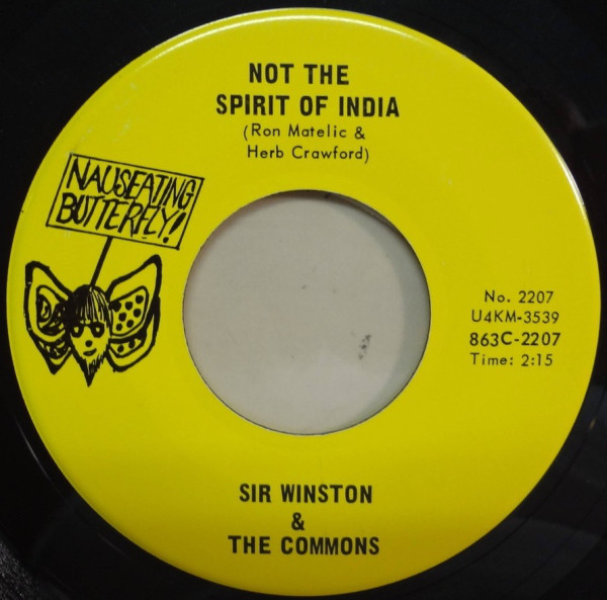
The Nauseating Butterfly! Records label for Sir Winston and the Commons’ 1967 single, “Not the Spirit of India,” written by Ron Matelic and Herb Crawford.
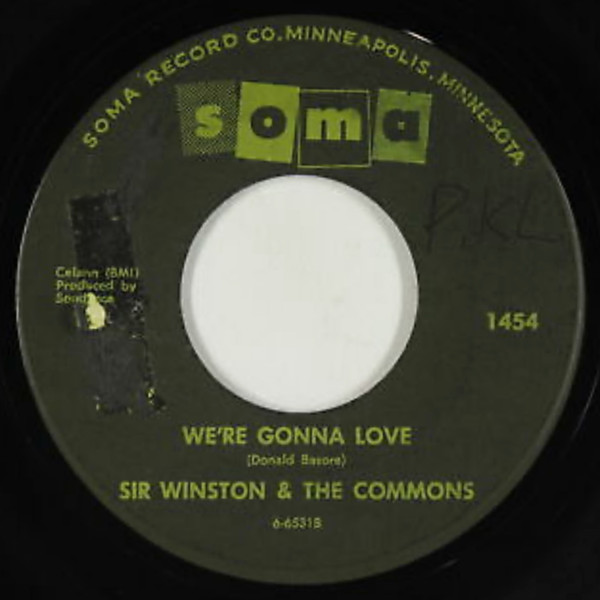
The Soma Records label from Sir Winston and the Commons’ debut single, “We’re Gonna Love,” released in 1966.
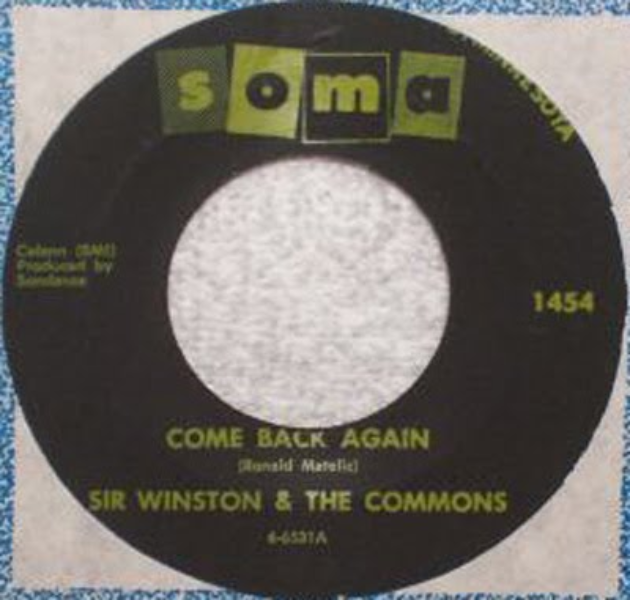
The Soma Records label for “Come Back Again,” the B-side of Sir Winston and the Commons’ 1966 debut single, written by Ron Matelic.
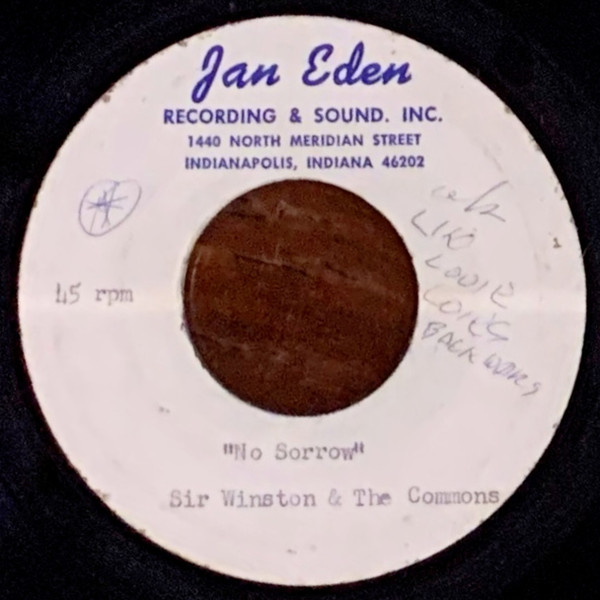
“No Sorrow” by Sir Winston and the Commons, recorded at Jan Eden Recording & Sound, 1440 North Meridian Street, Indianapolis, Indiana. Released May 1966.
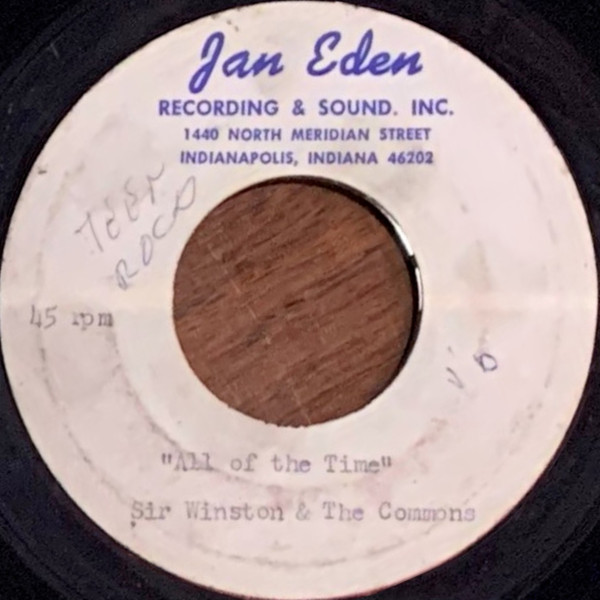
“All of the Time” by Sir Winston and the Commons, recorded at Jan Eden Recording & Sound, 1440 North Meridian Street, Indianapolis, Indiana. Released May 1966.
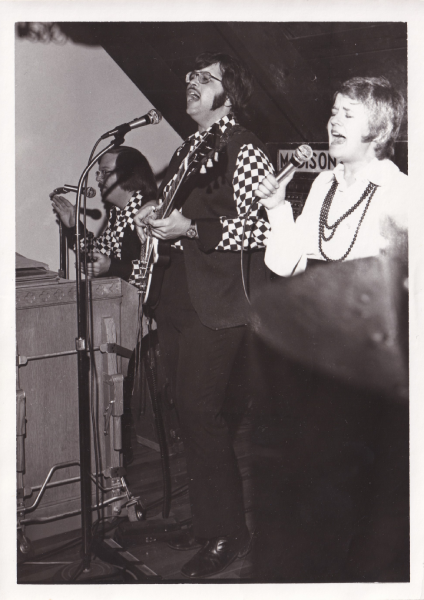
Madison Zane performs live. Left to right: Joe Stout, Jim Benge, and Marianne Erne.
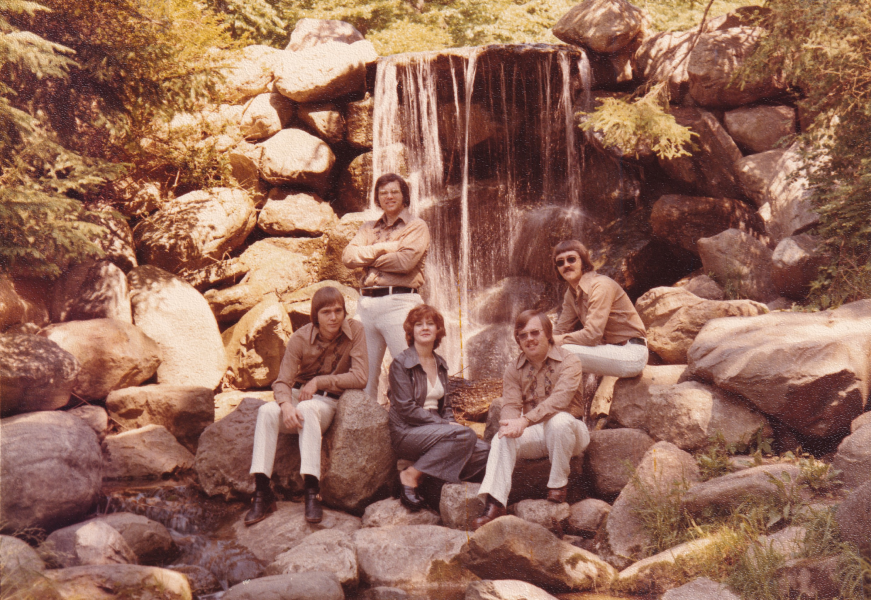
Madison Zane poses for a promotional photograph. Left to right: Mardy Wilson, Jim Benge, Marianne Erne, Joe Stout, and Lanny Lambert.
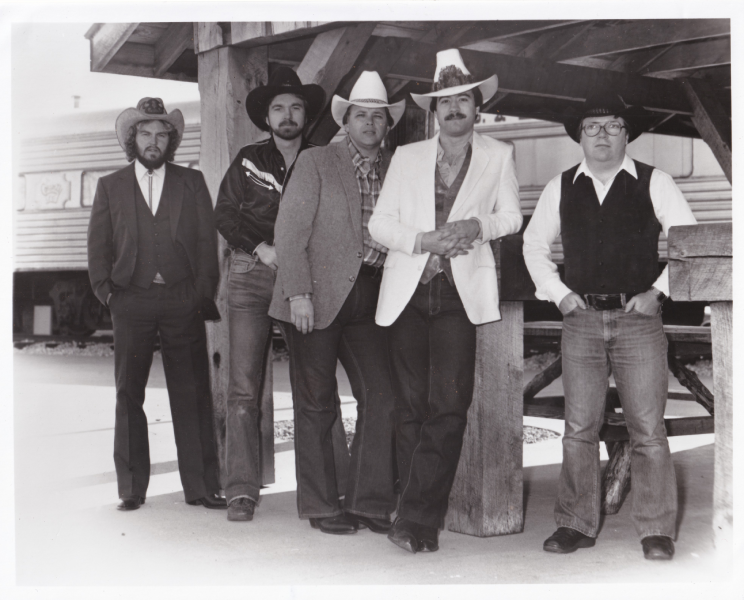
Carl Taylor Band promotional photograph. Left to right: Dave Coleman, Mardy Wilson, Jim Benge, Don Ewigleben, and Joe Stout.
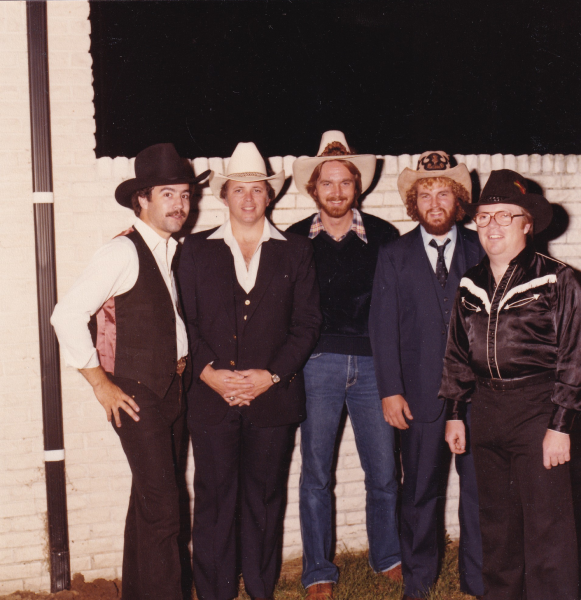
The Carl Taylor Band poses for a group photograph. Left to right: Don Ewigleben, Jim Benge, Mardy Wilson, Dave Coleman, and Joe Stout.
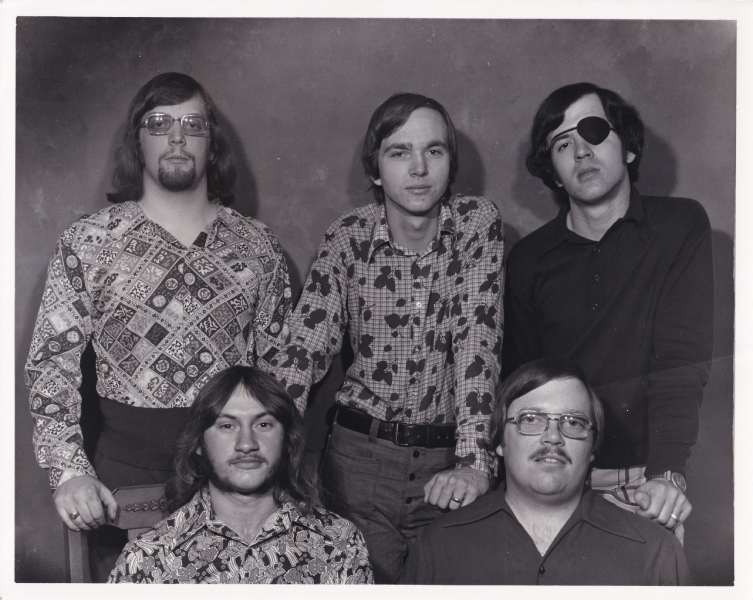
Madison Zane poses for a group photograph. Front row (left to right): Larry Evans and Joe Stout. Back row (left to right): Eric Louck, Mardy Wilson, and Steve Mann.
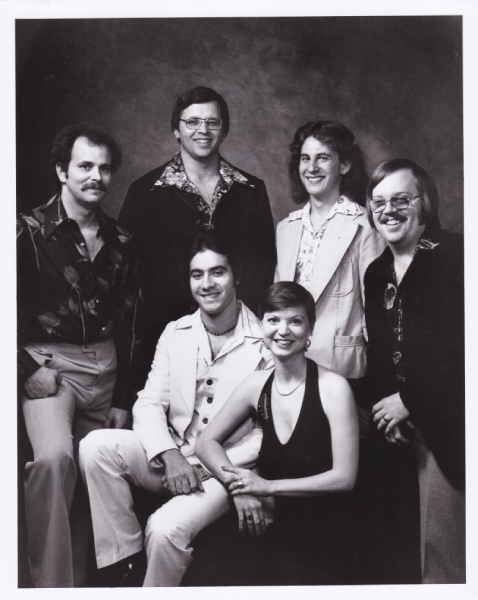
Madison Zane promotional photograph. Seated (left to right): Don Ewigleben and Paula Barga. Standing (left to right): Steve Drybread, Jim Benge, Larry Sauer, and Joe Stout.
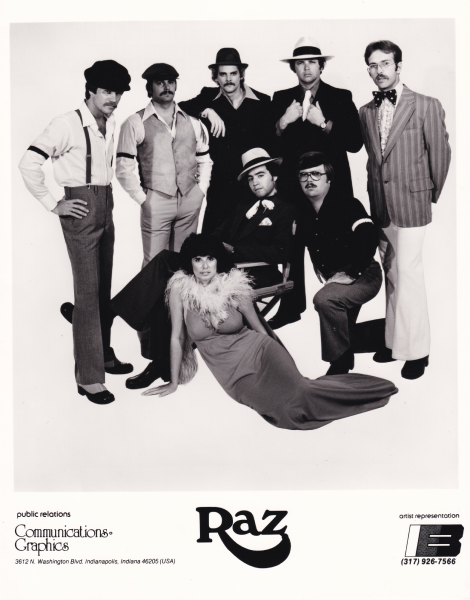
Raz promotional photograph. Back row (left to right): Don Kratz, Steve Drybread, Craig Drybread, Jim Benge, and Bruce Smith. Seated: Don Ewigleben. Kneeling: Joe Stout. Front: Sherri Spaulding.
Preserving Indiana’s Music History
The Indiana Music History Project is made possible through the generous support of the Allen Whitehill Clowes Charitable Foundation. Their commitment to preserving Indiana’s rich musical heritage helps ensure these oral histories remain accessible for future generations.

Help Improve This Archive
Have additional information about this artist, story, or any of the photographs? If you can identify people, dates, locations, or have memories you’d like to share, we’d love to hear from you. Please use the button below and select “Submit Historical Information or Corrections” as the reason for your message.

