Steve Weakley Oral History
Steven Weakley is a guitarist whose career spans Indianapolis’s historic Indiana Avenue scene, the national success of early 1970s funk and soul-jazz, and decades of continued work as a respected jazz musician. Known for his versatility and deep musicality, Weakley first gained national recognition as the guitarist for Funk, Inc., one of the most influential Indiana-based groups of that era, before becoming widely regarded for his contributions to jazz.
Raised in Indianapolis’s Indiana Avenue neighborhood, Weakley was surrounded by music from an early age. His older brother, Richard Corbin, a working bassist, played a formative role in shaping Steven’s decision to pursue music. Weakley began his formal musical training on cello while attending Booker T. Washington Junior High School, where classical instruction and music reading became second nature. He later attended Crispus Attucks High School, where access to strong teachers, practice facilities, and music theory further solidified his foundation. Weakley credits this early classical training as instrumental in his understanding of harmony, structure, and improvisation on guitar.
As a teenager, Weakley began performing throughout Indianapolis, working in rock-and-roll and R&B groups while steadily developing a jazz voice influenced by players such as Kenny Burrell, Tal Farlow, and later Wes Montgomery. His transition into the professional jazz and funk world deepened through mentorship and collaboration on Indiana Avenue, eventually leading to his involvement with Funk, Inc. Formed in 1969 under the leadership of organist Bobby Watley, the band signed with Prestige Records and recorded a series of albums in the early 1970s that fused jazz improvisation with driving funk rhythms. Among these recordings was the influential track Kool Is Back, which later became one of the most heavily sampled recordings in hip-hop history. Weakley performed on multiple Funk, Inc. sessions, including recordings made at Van Gelder Studio, engineered by Rudy Van Gelder—placing him and his bandmates within one of the most significant recording legacies in American jazz.
Following Funk, Inc.’s original run, Weakley continued to build a diverse career, recording and performing with artists including Billy Wooten, Rob Dixon, and Tony Zamora, while remaining a vital presence in Indianapolis’s jazz community. In recognition of his contributions to the city’s musical legacy, he was inducted into the Indianapolis Jazz Foundation in 2011. Today, Steven Weakley is regarded as an essential link between the historic Indiana Avenue era and the modern Indianapolis jazz scene.
This interview is part of the Indiana Music History Project’s Amazing Indiana Music Stories series, made possible with generous support from the Allen Whitehill Clowes Charitable Foundation. On this page, you’ll find the Complete Interview, an Interview Highlight, and an Image Gallery featuring archival photographs that help bring Steven Weakley’s story to life.
Interview Highlight
In this interview highlight, Steven Weakley reflects on his early musical journey growing up in Indianapolis’s Indiana Avenue neighborhood, from beginning on cello at Booker T. Washington Junior High School to discovering guitar as his primary voice. He shares how family influence, early education, and the Avenue’s club scene shaped his development, leading to national recording sessions at Van Gelder Studio with Funk, Inc. during the early 1970s.
The Complete Interview
In this complete interview, Steven Weakley offers an in-depth account of his musical life, from his early training on cello and guitar and formative years on Indianapolis’s Indiana Avenue to his work with Funk, Inc. and recording sessions at Van Gelder Studio. He reflects on touring, mentorship, and collaborations across jazz, funk, and R&B, while discussing his continued presence in the Indianapolis jazz community and the lasting impact of the Avenue on his approach to music.
Image Gallery
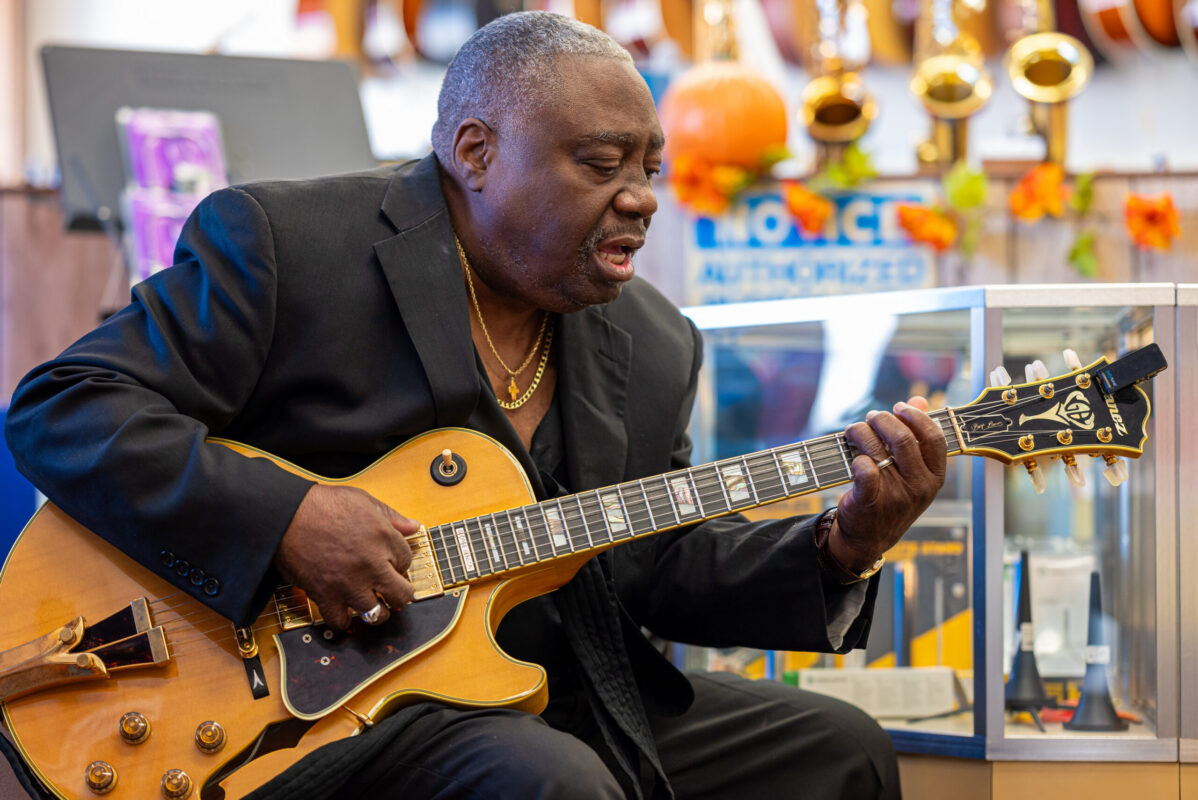
Steven Weakly playing Guitar by Wildstyle Paschall
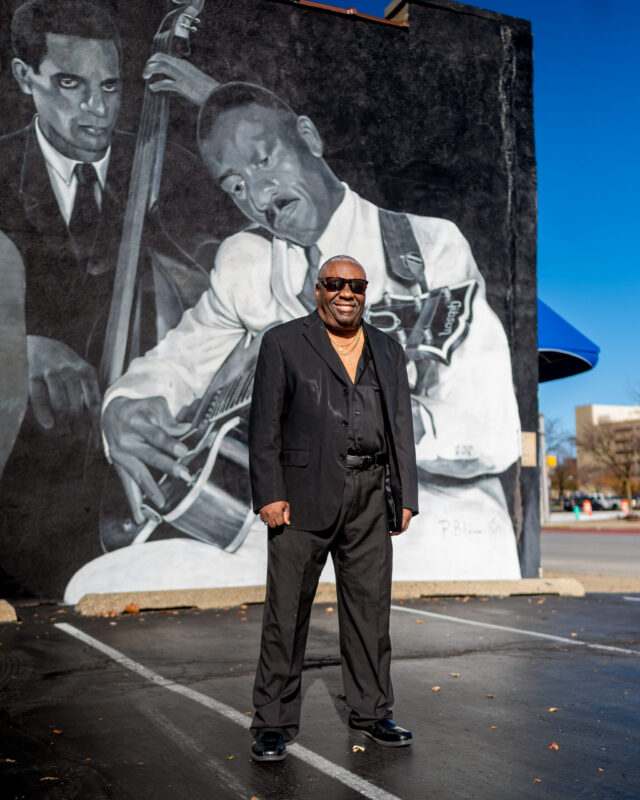
Steven Weakly standing in front of Wes Mural by Wildstyle Paschall
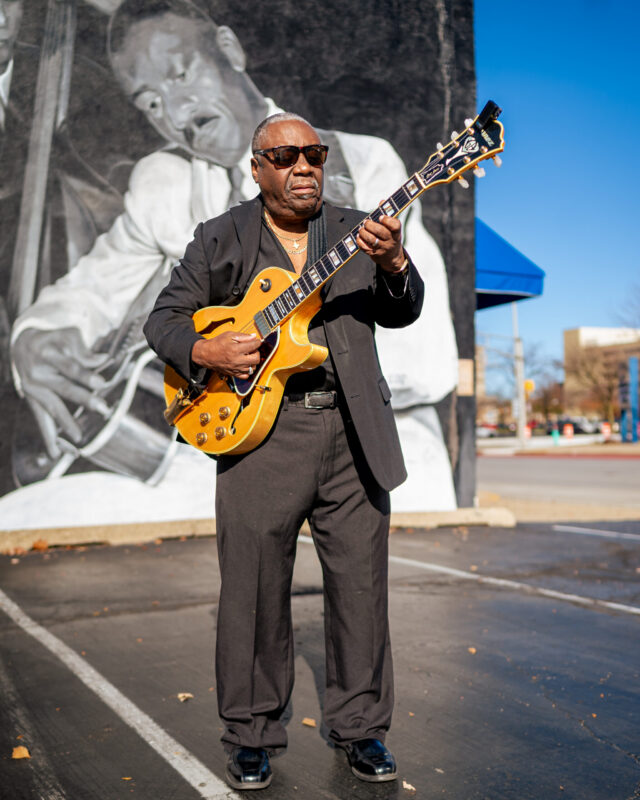
Steven Weakly playing Guitar in front of Wes Mural by Wildstyle Paschall
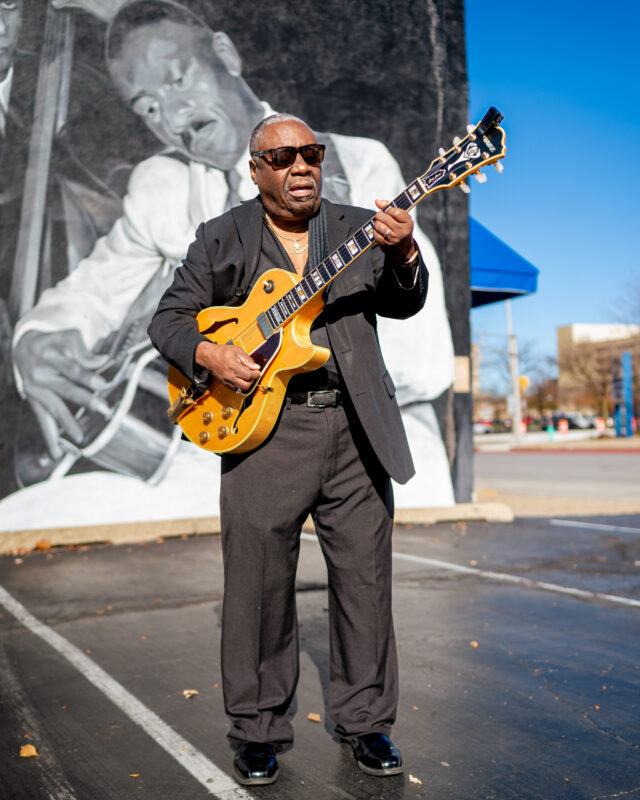
Steven Weakly playing Guitar in front of Wes Mural by Wildstyle Paschall 2
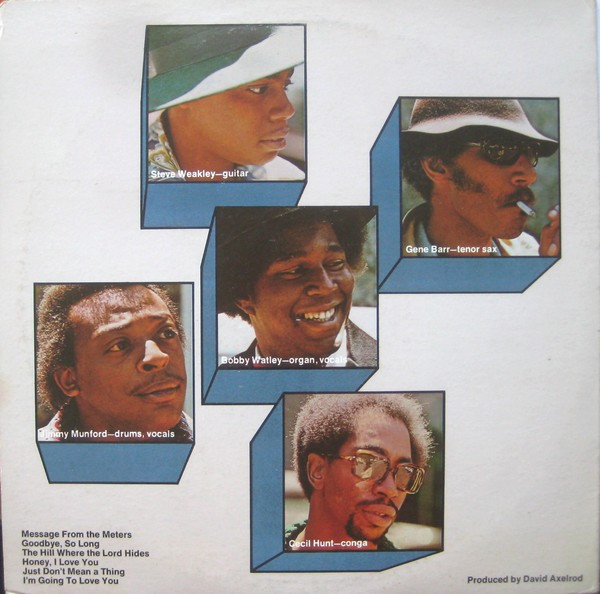
Funk Inc. Superfunk – Back Cover – 1972 – Prestige
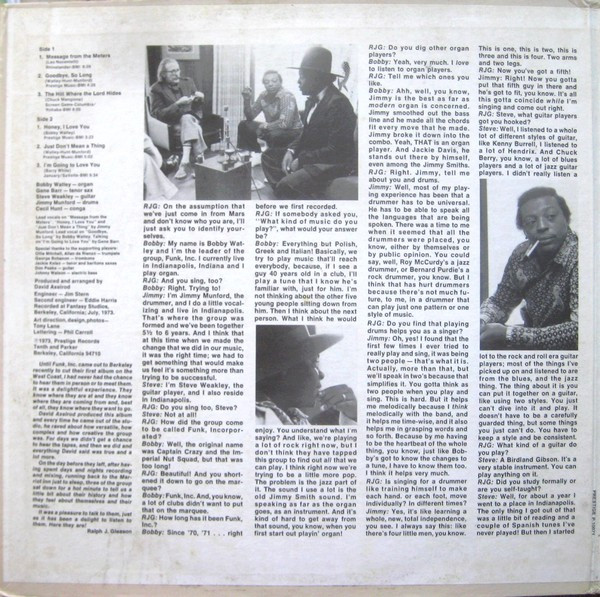
Funk Inc. Superfunk – Album Insert and Interview
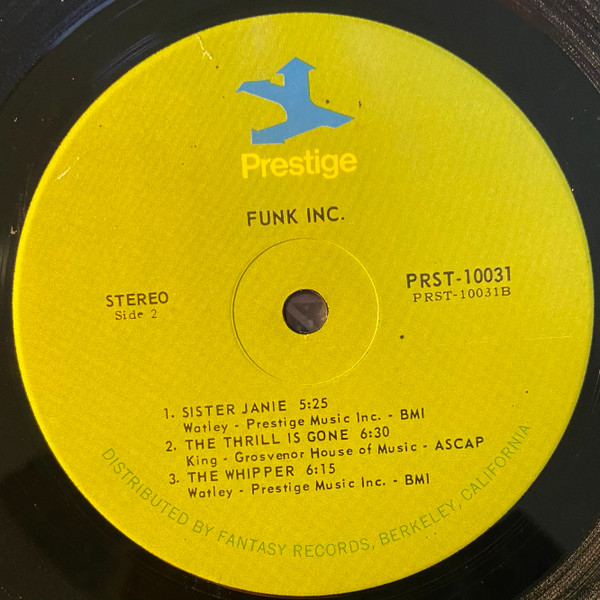
Funk Inc. – Vinyl Label – Prestige – Side 2
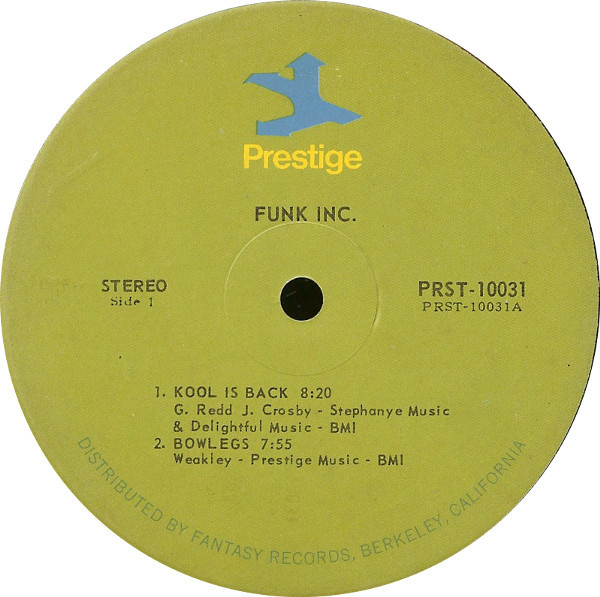
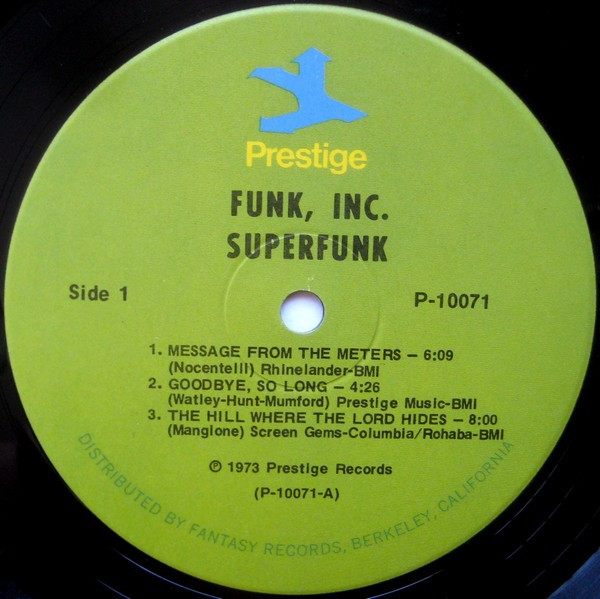
Funk Inc. – Vinyl Label – Prestige – Side 1
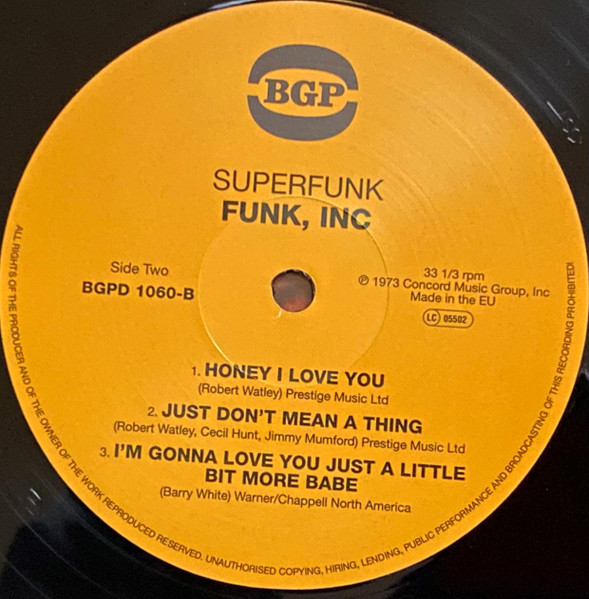
Funk Inc. – Superfunk – Vinyl Label – Side 2 – BGP
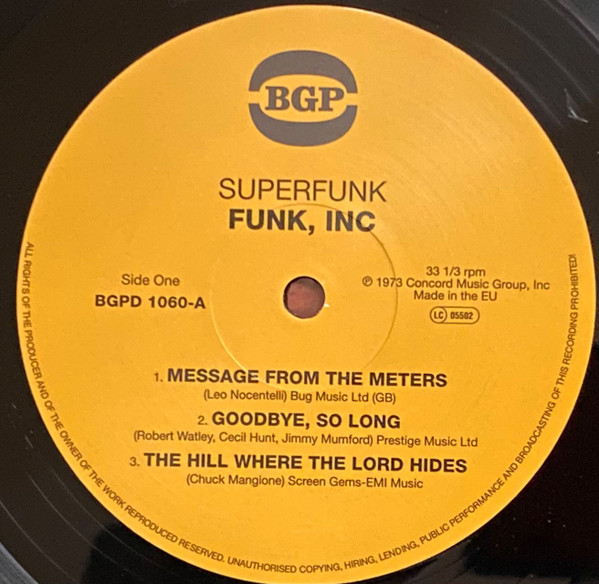
Funk Inc. – Superfunk – Vinyl Label – Side 1 – BGP
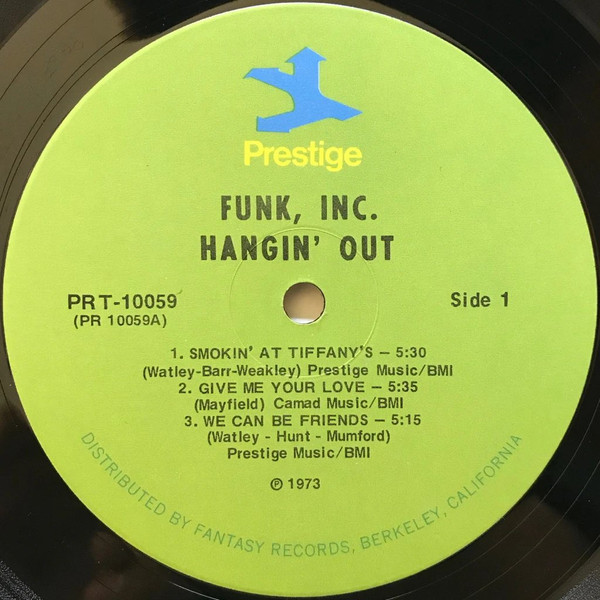
Funk Inc. – Hanging Out – Vinyl Label – Side 1
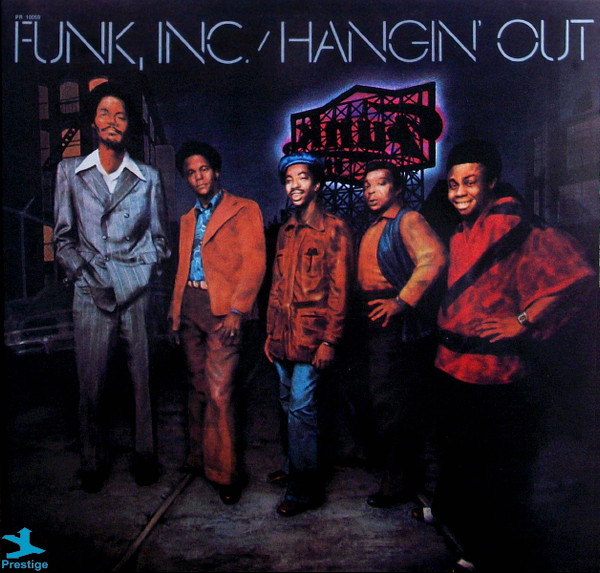
Funk Inc. – Hanging Out – Front Cover
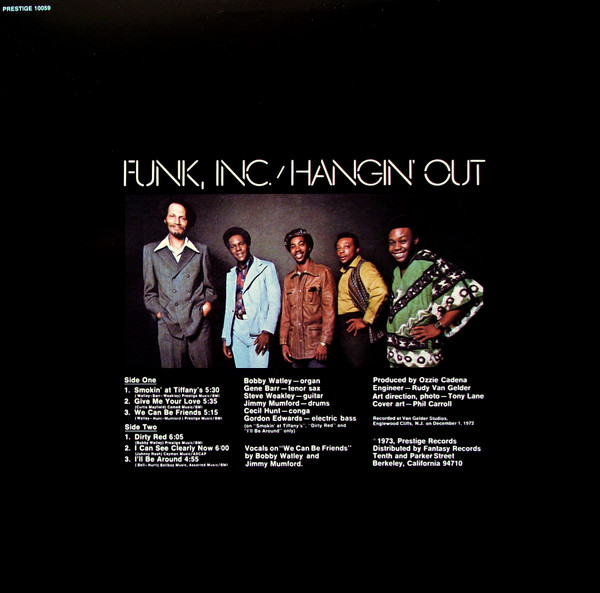
Funk Inc. – Hanging Out – Back Cover
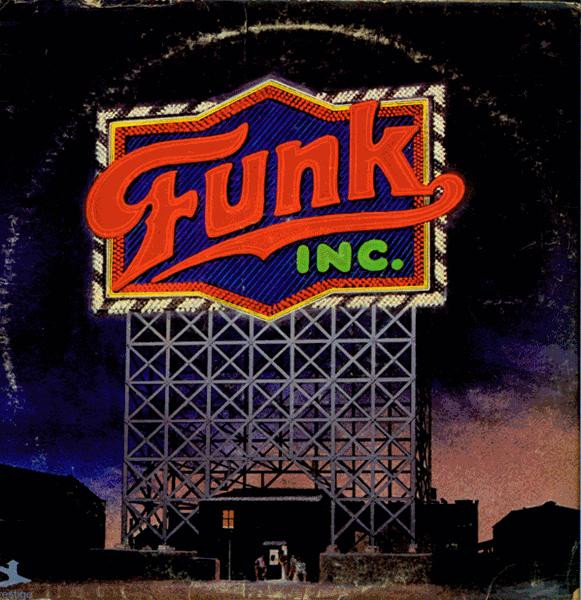
Funk Inc. – Funk Inc. – Front Cover – 1971
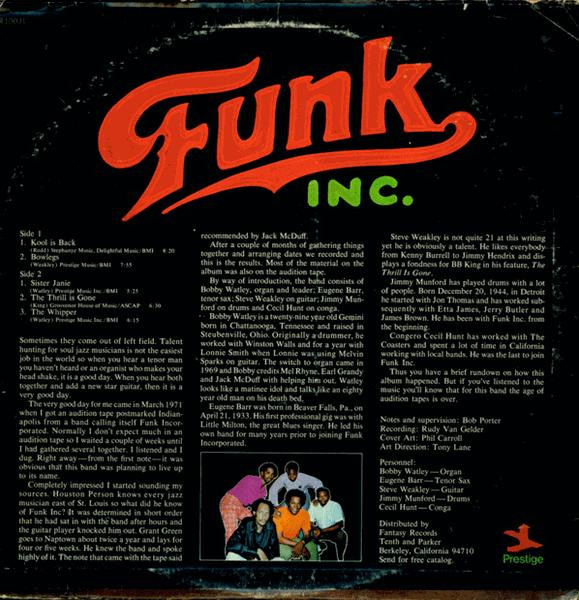
Funk Inc. – Funk Inc. – Back Cover – 1971
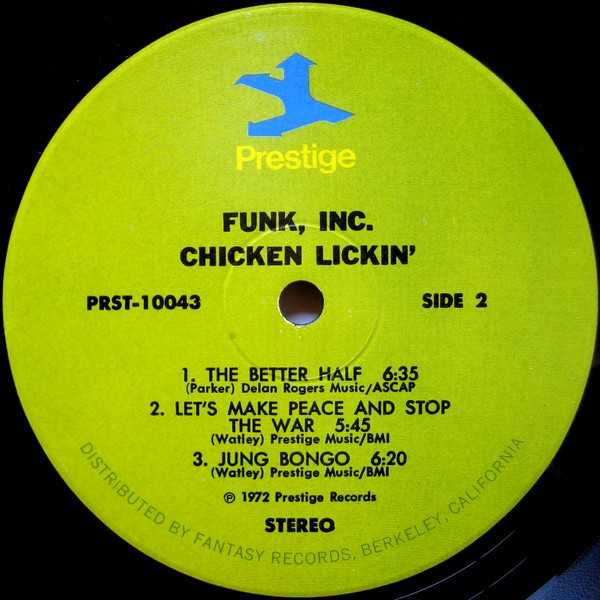
Funk Inc. – Chicken Lickin’ – Vinyl Label – Prestige – Side 2
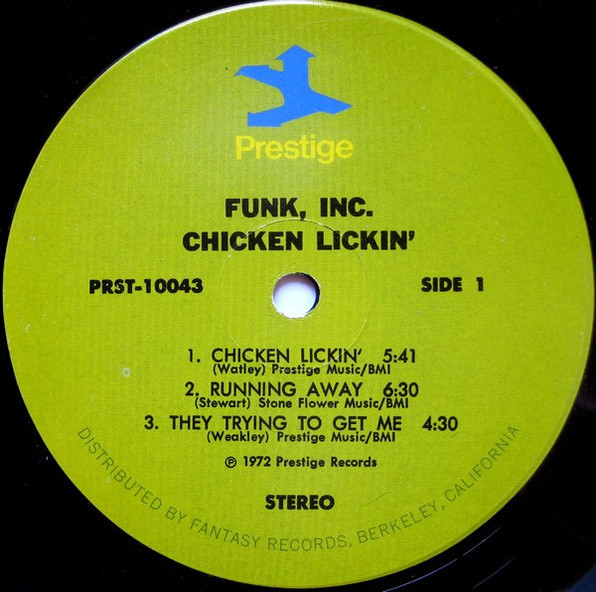
Funk Inc. – Chicken Lickin’ – Vinyl Label – Prestige – Side 1
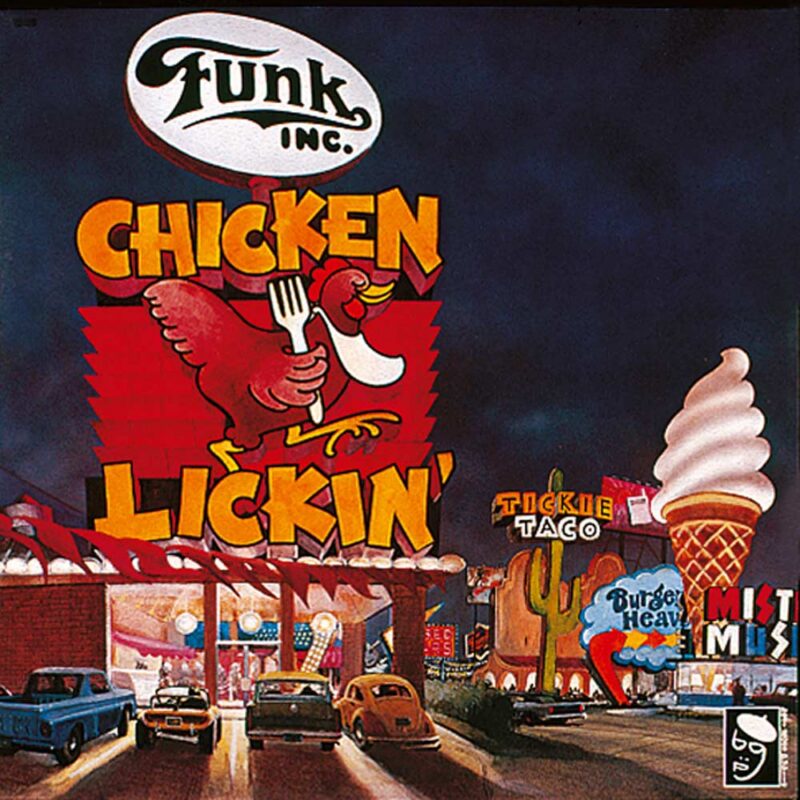
Funk Inc. – Chicken Lickin’ – Front Cover – Digital Copy
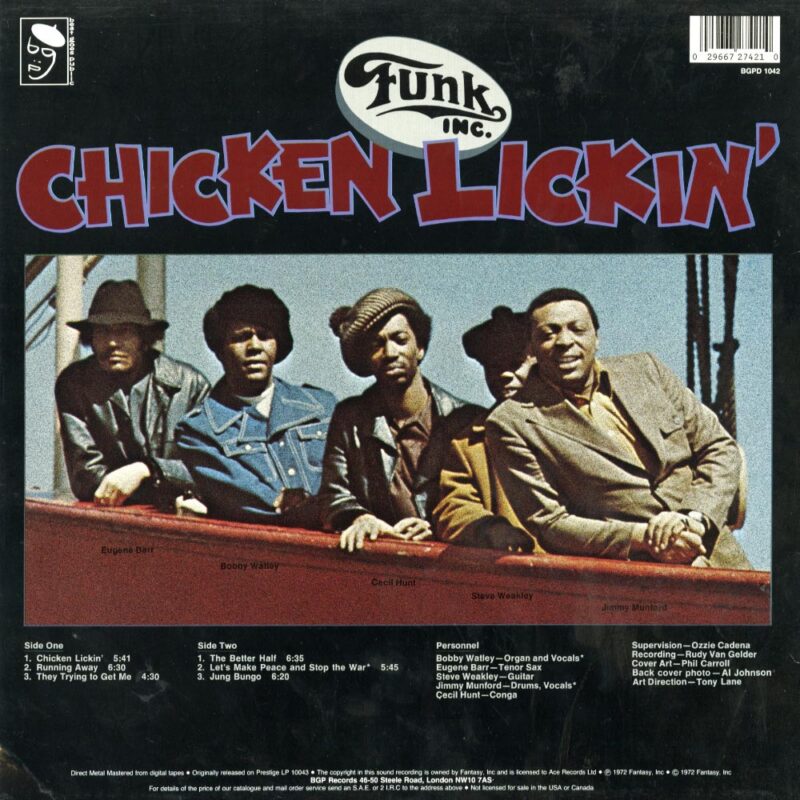
Funk Inc. – Chicken Lickin’ – Back Cover – Digital Copy
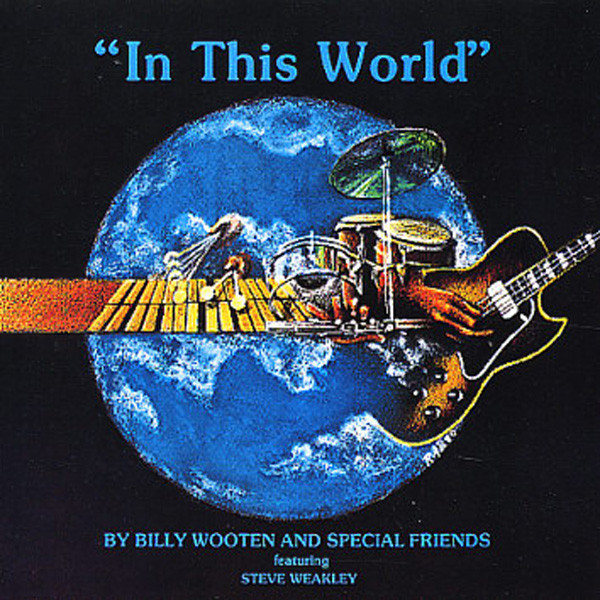
Billy Wooten And Special Friends Featuring Steve Weakley – In This World – Front Cover
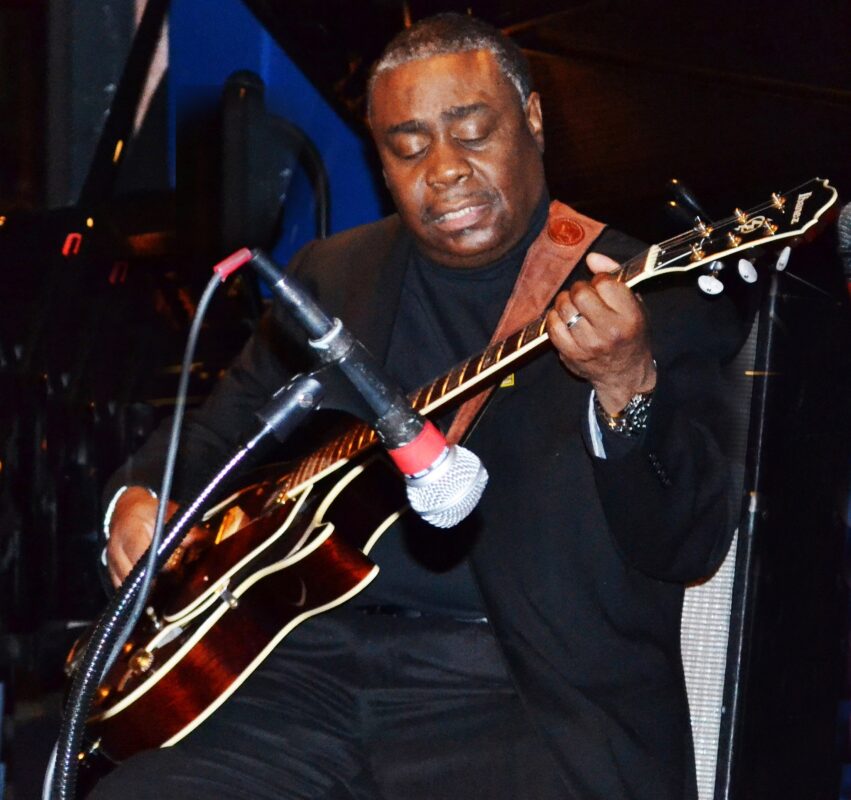
Steven Weakley – Photo by Larry Goshen Photographs
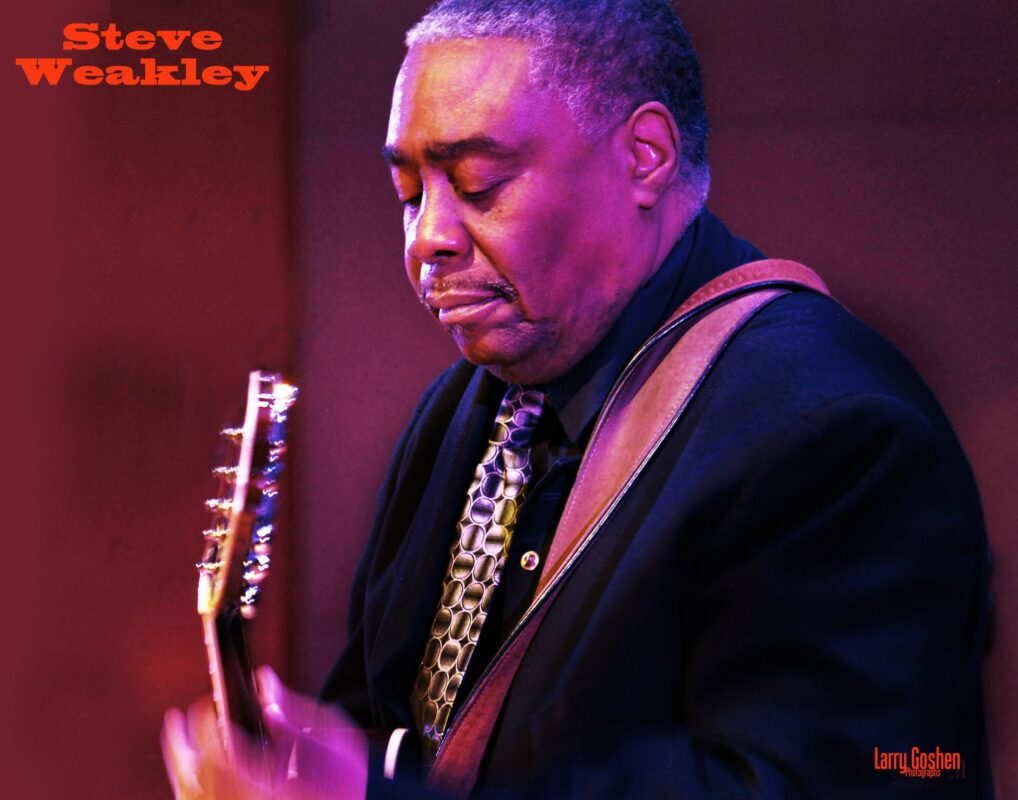
Steven Weakley – Photo by Larry Goshen Photographs 2
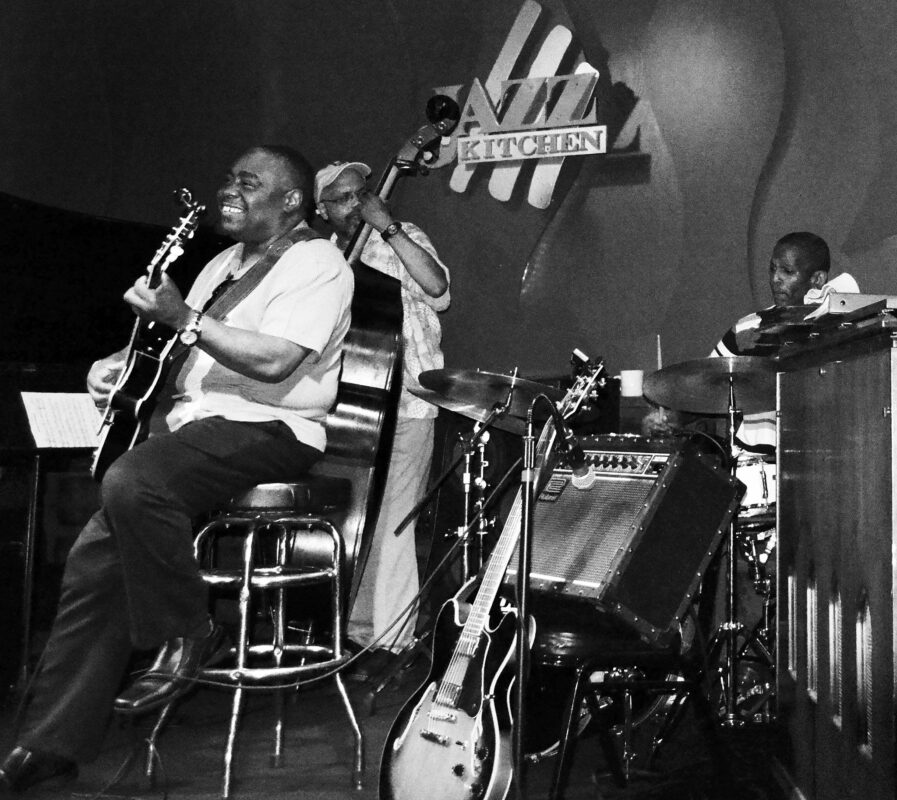
Steven Weakley – Jazz Kitchen – Photo by Larry Goshen Photographs
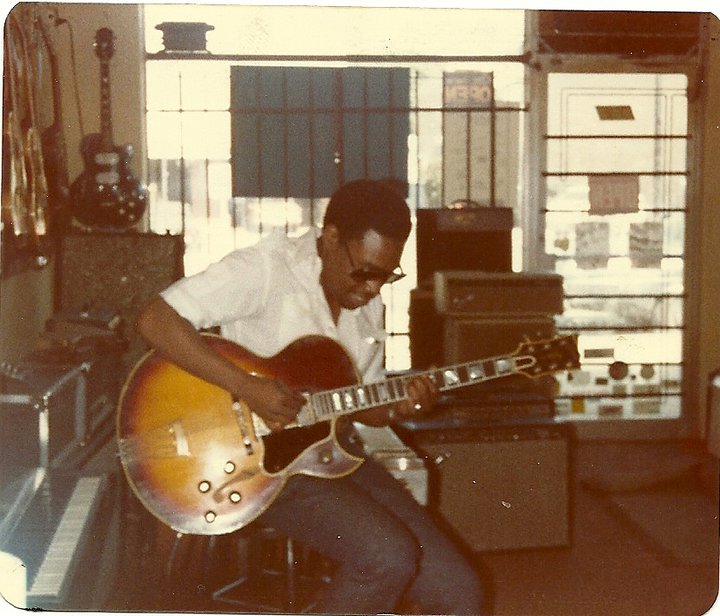
Steve Weakley playing his Byrdland Gibson 1980 at the Guitar Shop at 54th and College
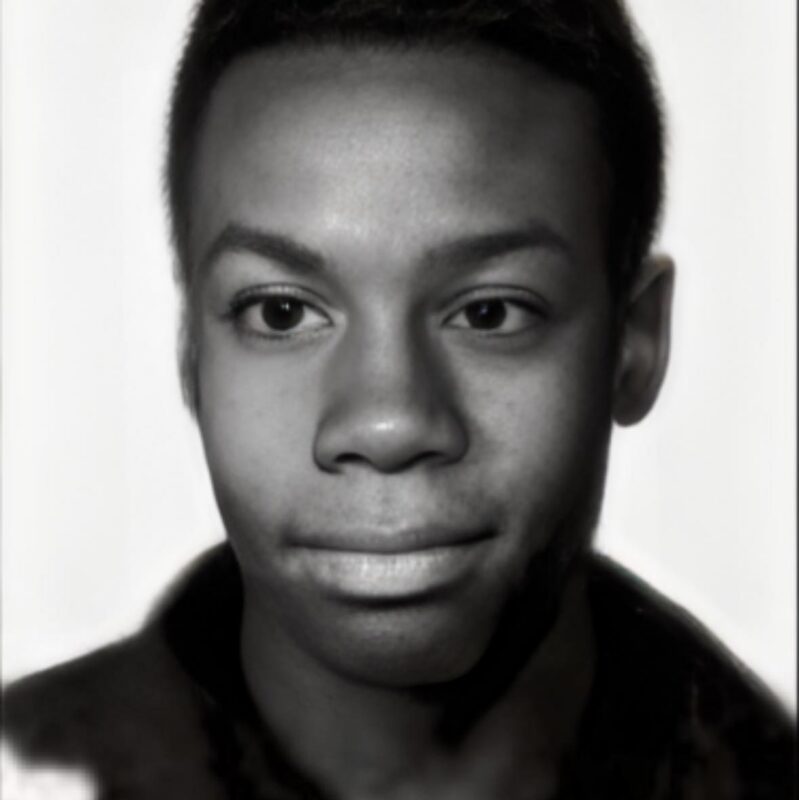
Steve Weakley – 1968 at Crispus Attucks High School – Freshman Year – Orchestra and Played Cello for Mr Laverne Newsome
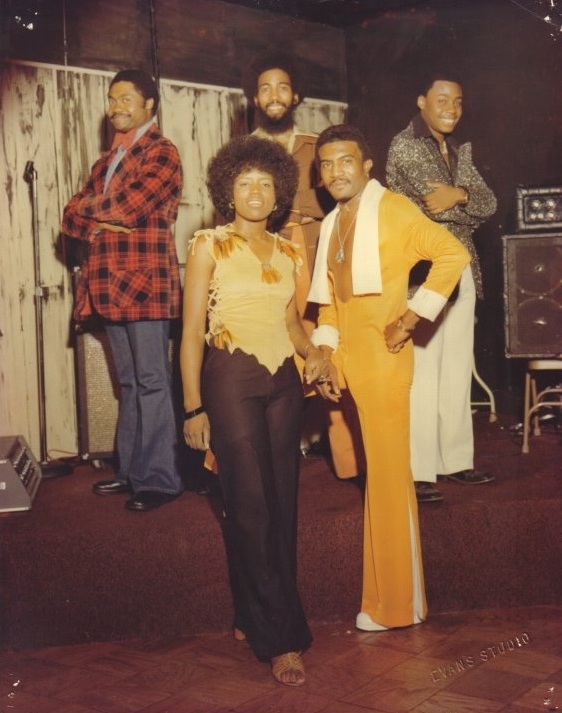
Sinful Soul Ensemble – 1970s – Front LtoR – Joy Upton, Walter Webb, Back LtoR Richard Corbin, Larry Clark III and Steve Weakley
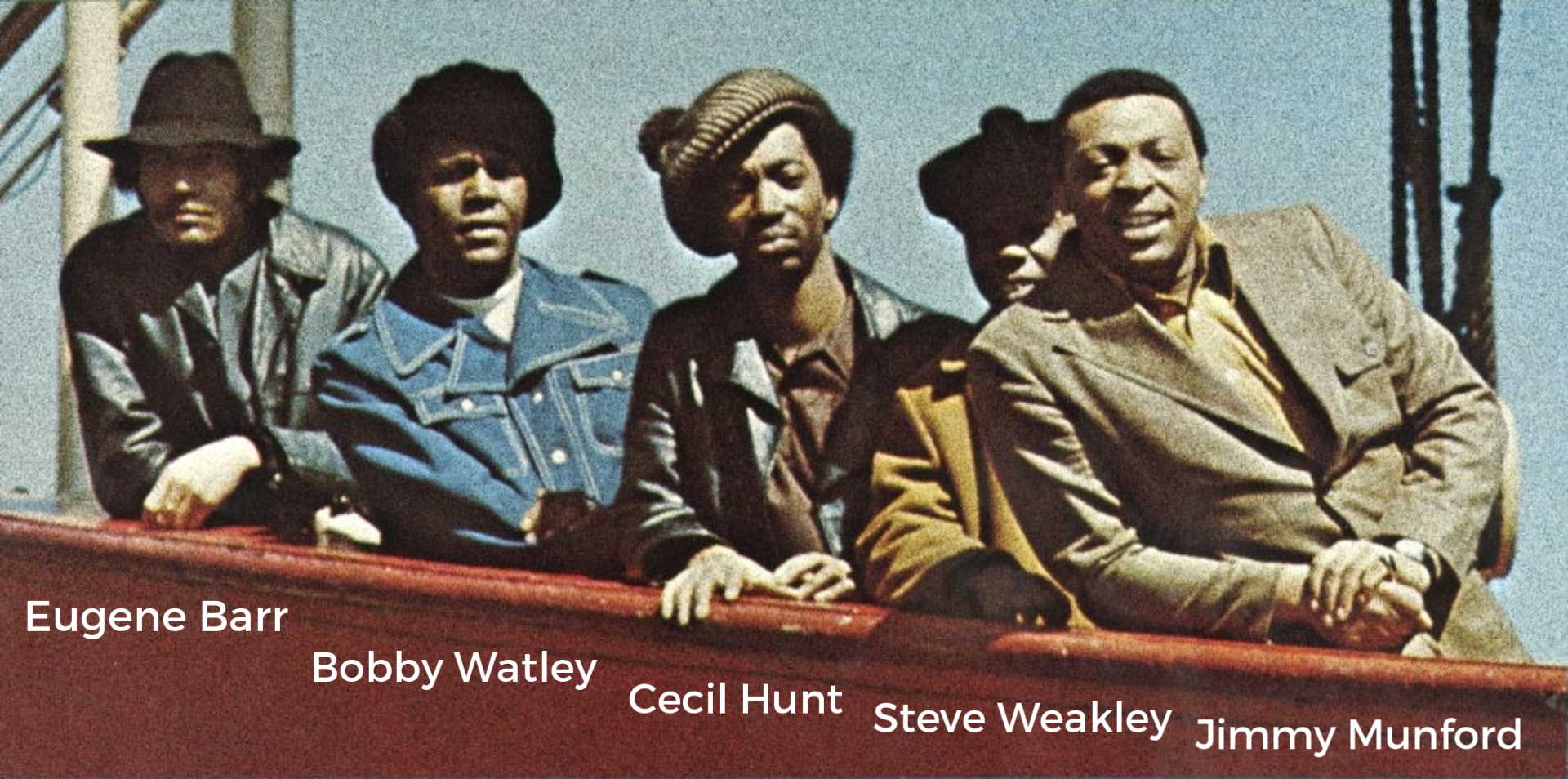
Picture from Funk Inc. – Chicken Lickin’ – Back Cover – Digital Copy – with Names
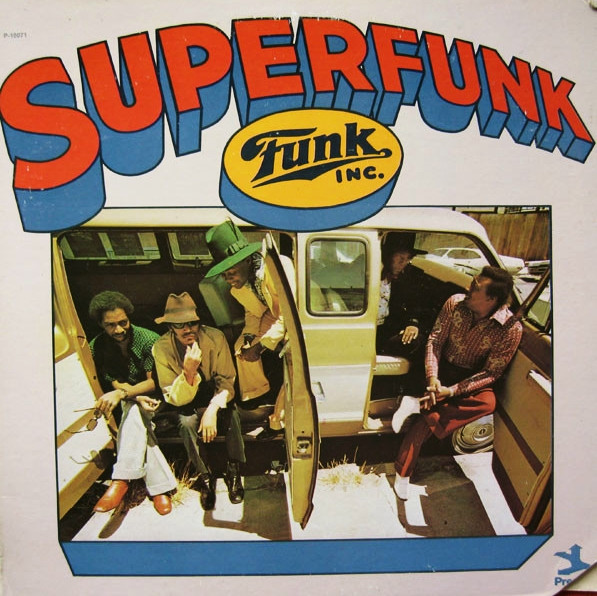
Funk Inc. Superfunk – Front Cover – 1972 – Prestige
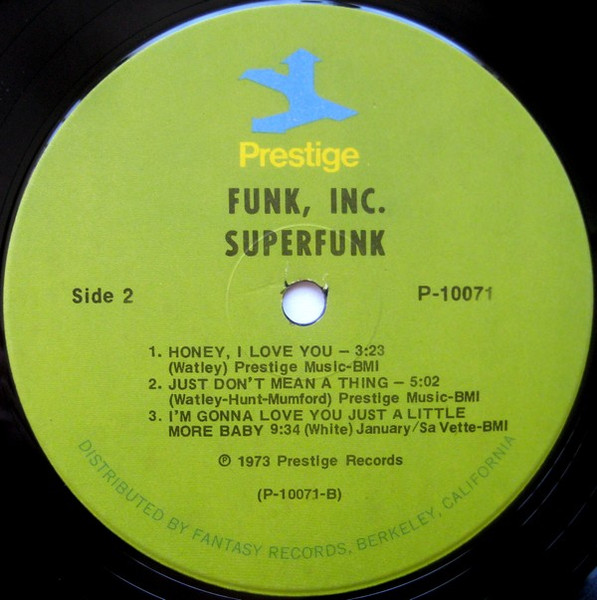
Funk Inc. Superfunk – Vinyl Label – 1972 – Prestige – Side 2