
The Spirtles Oral History

The Spirtles are widely recognized as one of Indiana’s pioneering psychedelic jam bands. Founded in 1978 by James Booth and Josef M. Huber, the group’s earliest rehearsals took place in Huber’s great-grandmother’s living room, surrounded by Indian tapestries as the pair learned Grateful Dead songs and began developing the improvisational style that would become the band’s hallmark. The band’s first drummer was Tim Cooper, a friend of Booth’s from Arsenal Technical High School, before Keith Yount joined the lineup. Several months later, Rickey Freeman became part of the group, completing the creative partnership that would guide The Spirtles for decades. In those earliest days, the band had no dedicated bassist, so Huber and Freeman alternated on bass while continuing to refine their sound.
The young musicians soon rented a house on East 19th Street, affectionately known as the Euphoria Emporium, where several members lived together and hosted legendary psychedelic gatherings that became part of the band’s early mythology. That chapter came to an abrupt end when the house was burglarized and much of the band’s equipment—including several guitars—was stolen. The members returned home, and the original lineup gradually dissolved as the band entered a brief hiatus. During the hiatus, Huber became involved in stage lighting and toured with several Indianapolis bands, while The Spirtles eventually re-formed with a new lineup that included bassist Greg Ziesemer.
Reflecting on those formative years, Greg Ziesemer described James Booth and Rickey Freeman as “the nucleus of the band,” crediting the pair with establishing the musical and creative foundation that would define The Spirtles for nearly five decades. Booth helped shape the group’s identity from the very beginning, creating its distinctive name while serving as one of its principal creative forces alongside Freeman. After Rickey Freeman joined the group several months later, he and James Booth developed the band’s adventurous musical direction, blending original compositions with Grateful Dead material, carefully chosen covers, and open-ended improvisation that encouraged every performance to evolve in its own unique way. After joining the band during its earliest months, Keith Yount became the group’s longest-running musical constant, remaining through every major chapter of its history and helping preserve the spirit and continuity that defined The Spirtles across decades of changing lineups.
Interview Highlight
In this Interview Highlight, members of The Spirtles explain how founding member James Booth came up with the band’s unusual name before recalling their collaboration with legendary pedal steel guitarist Buddy Cage. They discuss traveling to the 25th Annual International Steel Guitar Convention in St. Louis, where Cage was backed by Greg Ziesemer, Keith Yount, and members of EarthTones for an all-Grateful Dead set that surprised the traditional country audience. The excerpt concludes with the story behind “Lavender,” Rickey Freeman’s heartfelt tribute to Jerry Garcia, performed by Laboratory Experiment 3 (Lab 3) featuring Buddy Cage, and ends with footage from The Spirtles’ November 12, 1999 performance with Cage at Zanies Too in Indianapolis.
Complete Interview
In this Complete Interview, drummers Joe O’Connell and Keith Yount, bassist Greg Ziesemer, and longtime lighting and visual effects engineer Jeff Lint trace nearly five decades of The Spirtles’ history. Founded in 1978 by James Booth and Josef M. Huber, the band’s earliest years provide the foundation for the story, while the interview focuses on the era that followed after Rickey Freeman joined the group and the lineup evolved into the band audiences came to know.
The musicians recall how James Booth and Rickey Freeman established the creative foundation that shaped The Spirtles for decades. Remembered by Greg Ziesemer as “the nucleus of the band,” Booth and Freeman developed a sound rooted in the Grateful Dead, San Francisco psychedelia, improvisation, and their original songwriting. They discuss the many musicians who passed through the group, the band’s distinctive two-drummer rhythm section, and performances at Indianapolis venues including The Vogue, The Hummingbird, Bogart’s, Zanies Too, and The Monkey’s Tail.
The conversation explores the recording of the album One Step at a Time, Jeff Lint’s elaborate psychedelic stage presentations, and the creation of the Indianapolis public-access television program Trouble Is In. The musicians also remember performing with Timothy Leary during a Summer of Love anniversary celebration at The Vogue and reflect on their collaborations with legendary pedal steel guitarist Buddy Cage, including the story behind Rickey Freeman’s tribute to Jerry Garcia, “Lavender.”
The interview follows The Spirtles through changing lineups, related projects including The Looney Tunes, EarthTones and Laboratory Experiment 3 (Lab 3), reunions, and the loss of friends and bandmates, while celebrating the music, creativity, and lasting friendships that defined one of Indiana’s most enduring psychedelic jam bands.
Biography
The Spirtles are widely recognized as one of Indiana’s pioneering psychedelic jam bands. Founded in 1978 by James Booth and Josef M. Huber, the group’s earliest rehearsals took place in Huber’s great-grandmother’s living room, surrounded by Indian tapestries as the pair learned Grateful Dead songs and began developing the improvisational style that would become the band’s hallmark. The band’s first drummer was Tim Cooper, a friend of Booth’s from Arsenal Technical High School, before Keith Yount joined the lineup. Several months later, Rickey Freeman became part of the group, completing the creative partnership that would guide The Spirtles for decades. In those earliest days, the band had no dedicated bassist, so Huber and Freeman alternated on bass while continuing to refine their sound.
The young musicians soon rented a house on East 19th Street, affectionately known as the Euphoria Emporium, where several members lived together and hosted legendary psychedelic gatherings that became part of the band’s early mythology. That chapter came to an abrupt end when the house was burglarized and much of the band’s equipment—including several guitars—was stolen. The members returned home, and the original lineup gradually dissolved as the band entered a brief hiatus. During the hiatus, Huber became involved in stage lighting and toured with several Indianapolis bands, while The Spirtles eventually re-formed with a new lineup that included bassist Greg Ziesemer.
When The Spirtles re-formed following their early hiatus, bassist Greg Ziesemer became an important part of the group’s musical identity, and later additions further expanded the band’s sound. Following James Booth’s departure in late 1982, the band briefly adopted the name The Looney Tunes while continuing to perform with guitarist John Bigelow. After Bigelow relocated to Oregon, guitarist Becky Brindle joined the group, helping define this chapter of the band’s history. Brindle later relocated to Woodstock, New York, where she became friends with members of The Band, toured throughout Europe, and was inducted into the New York Blues Hall of Fame. During the Looney Tunes era, Rickey Freeman’s first wife, Barb, joined the group on percussion, adding another layer to the band’s evolving rhythmic sound. When James Booth returned in 1985, the band reunited under its original name, The Spirtles. At the same time, drummer Joe O’Connell returned to the band after first performing with The Spirtles in 1979 before work commitments had forced him to step away.
With Joe O’Connell’s return in 1985, he and Keith Yount established the dual-drummer lineup that became a signature of The Spirtles’ live sound. Inspired by the Grateful Dead’s celebrated two-drummer approach, O’Connell and Yount developed complementary rhythms, textures, and accents rather than simply duplicating one another’s parts. Their interplay gave each performance its own energy and direction, creating the layered rhythmic foundation that became an essential part of the band’s live sound. Songs frequently expanded, changed direction, and evolved differently from one performance to the next, ensuring that no two concerts were ever quite the same.
While deeply influenced by the Grateful Dead and other psychedelic and improvisational artists, The Spirtles established a musical identity all their own. Original songs by Booth and Freeman formed the heart of the band’s repertoire while blending naturally with Grateful Dead classics, other carefully chosen cover material, and extended improvisational passages. The band’s evolving repertoire also occasionally showcased original compositions by other members, including bassist Greg Ziesemer’s “Jacob’s Ladder” and “Safe Passage,” which he later recorded on his solo album Baptism of Fire.
The Spirtles performed throughout the Indianapolis area at venues including The Vogue, The Hummingbird, Bogart’s, Zanies Too, and The Monkey’s Tail. Their concerts attracted a devoted following drawn to the band’s unpredictable performances, seamless transitions between originals and covers, and the sense of community that developed around every show.
The Spirtles’ concerts were equally distinguished by the work of longtime lighting and visual effects engineer Jeff “Scamp” Lint. Lint transformed each performance through elaborate psychedelic visual presentations using 16mm film projectors, slide projectors, cartoons, vintage educational films, video feedback, police lights, and countless other visual elements. Rather than serving as a simple backdrop, the visuals became an integral part of the performance. Images shifted, overlapped, and synchronized with the music, creating immersive audiovisual experiences that became a defining signature of The Spirtles’ live performances.
From approximately 1983 through 1985, Lint also produced the Indianapolis public-access television series The Trouble Is in Your Set. The program featured local musical acts, comedy sketches, short films, and experimental video. During the Looney Tunes era, the band served as the show’s house band, appearing on numerous episodes while helping showcase Indianapolis’s thriving underground music scene. Over the course of its run, the production grew to 83 episodes, preserving an important chapter in Indianapolis’s independent music and television history.
Greg Ziesemer later formed EarthTones after leaving The Spirtles in 1987. In the years that followed, members of EarthTones and The Spirtles joined together in Laboratory Experiment 3 (Lab 3), allowing many of the friendships and musical collaborations established in The Spirtles to continue in new forms. Gene Deer was among the Indiana musicians associated with this extended musical family, illustrating the close relationships and creative exchange that characterized the region’s jam-band and psychedelic rock scene.
One of the band’s most memorable performances took place in 1987 at The Vogue, when The Spirtles shared the bill with counterculture author and speaker Timothy Leary during his one-man philosophy tour. After delivering his presentation, Leary remained to watch the band’s performance before joining The Spirtles onstage during the closing moments of their set while wearing one of the band’s tie-dye shirts—a highlight fondly remembered by the musicians.
In 1993, The Spirtles independently released One Step at a Time, documenting the band’s original music in a collection that reflected its distinctive blend of thoughtful songwriting, improvisation, and psychedelic rock. The album featured Rick Freeman, Gregg Hill, Keith Yount, Joe O’Connell, and John Vendely, preserving a snapshot of one chapter in the band’s long musical journey.
The Spirtles also developed a long-running musical friendship with legendary pedal steel guitarist Buddy Cage, best known for his work with New Riders of the Purple Sage. One of the most memorable collaborations took place at the 25th Annual International Steel Guitar Convention in St. Louis in 1996, where Cage was backed by Greg Ziesemer, Keith Yount, and members of EarthTones. Their high-energy set stood in sharp contrast to the traditional country steel guitar performances that dominated the convention. According to Greg Ziesemer, Buddy “rocked so hard he kicked his stool clear off the stage,” and although some audience members left expecting a more traditional performance, “the cool people stayed and the curious people stayed,” making it one of the weekend’s most talked-about sets.
The musical friendships formed during that era extended well beyond the convention stage. Over the years, musicians from The Spirtles, EarthTones, Laboratory Experiment 3 (Lab 3), and Buddy Cage’s band, Stir Fry, performed together in various combinations. One notable performance took place at Zanies Too in Indianapolis in 1999, where Buddy Cage joined Rickey Freeman and members of The Spirtles on stage, performing pedal steel on songs including “Lavender,” Freeman’s musical tribute to Jerry Garcia. A video of that performance survives today, preserving one of the memorable collaborations between Cage and the Indianapolis musicians.
Behind the scenes, The Spirtles’ ambitious live productions depended on a dedicated crew whose contributions became an important part of the band’s identity. Longtime sound and recording engineer Jeff Lieber, production manager Jim Meyers, monitor engineer Brian Hart, drum technician Roger Baker Garriott, Jeff “Scamp” Lint, and many others helped bring the band’s music and elaborate visual productions to life. James Booth, himself a professional stagehand, made it a point to recognize the crew by name at every performance—a tradition remembered by the band as a reflection of the respect, gratitude, and sense of community that defined The Spirtles both onstage and behind the scenes.
Although periods of inactivity separated different chapters of the band’s history, members of The Spirtles continued to reunite and perform. These reunions allowed the musicians and their audience to revisit the songs, friendships, and shared experiences that had developed over decades.
Rickey Freeman’s passing in 2015 marked the loss of one of The Spirtles’ central creative forces, but the band’s music and friendships continue through the musicians who played alongside him and the fans who have supported The Spirtles for decades. More than just a local band, The Spirtles became an important part of Indiana’s improvisational rock scene, earning a loyal following while helping to establish a scene in Indiana for psychedelic and jam-oriented music.
Nearly five decades after The Spirtles first came together, their story remains an important part of Indiana music history. Through original music, fearless improvisation, immersive live performances, and decades of friendship, The Spirtles left a lasting mark on Indiana’s psychedelic and improvisational rock scene. During their Indiana Music History Project interview, the band reflected on a recent reunion performance and joked that there might still be another show someday, even if no one was making any promises. Nearly five decades after the band began, The Spirtles remain an enduring part of Indiana’s musical legacy.
Image Gallery
Explore photographs from The Spirtles’ history, including performances, backstage moments, band lineups and images documenting the musicians, venues and visual creativity that helped define one of Indianapolis’s original psychedelic jam bands.
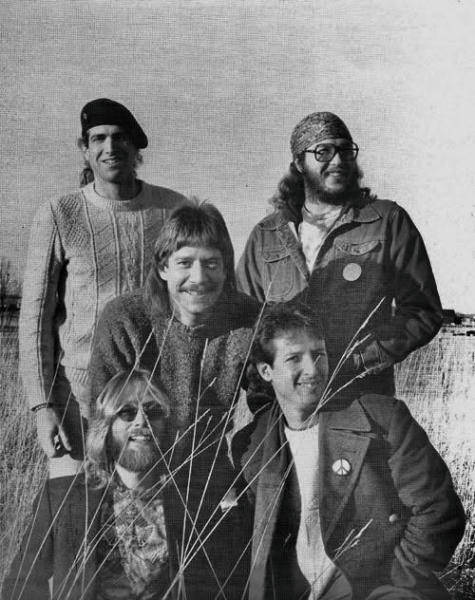
The Spirtles – Back Row – Russ Levitt, James Booth, Middle Row – Joe O’Connell, Front Row – Rickey Freeman, Keith Yount
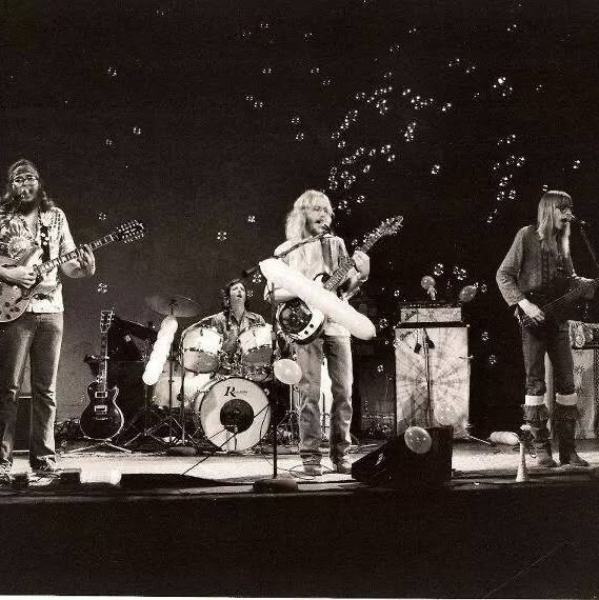
The Spirtles at the Vogue – James Booth, Keith Yount, Rickey Freeman and Greg Ziesemer – 1982
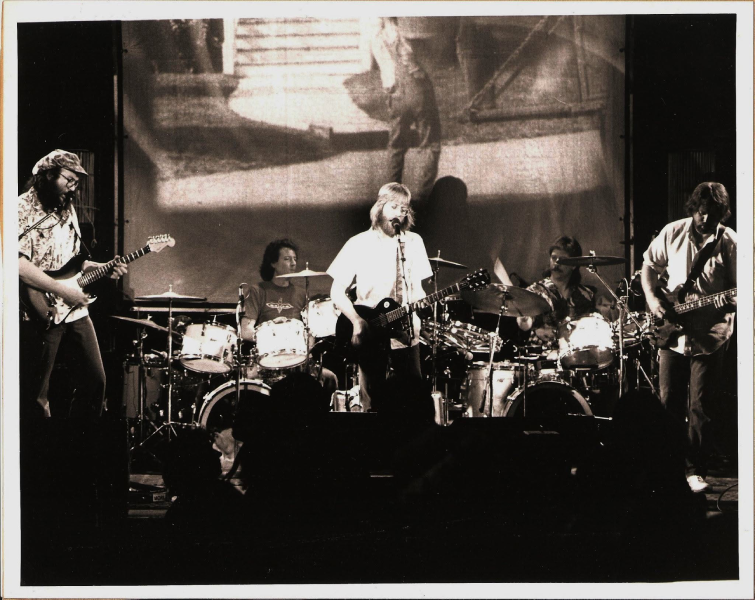
The Spirtles at the Vogue – James Booth, Keith Yount, Rickey Freeman, Joe O’Connell and John Vendely – 1982
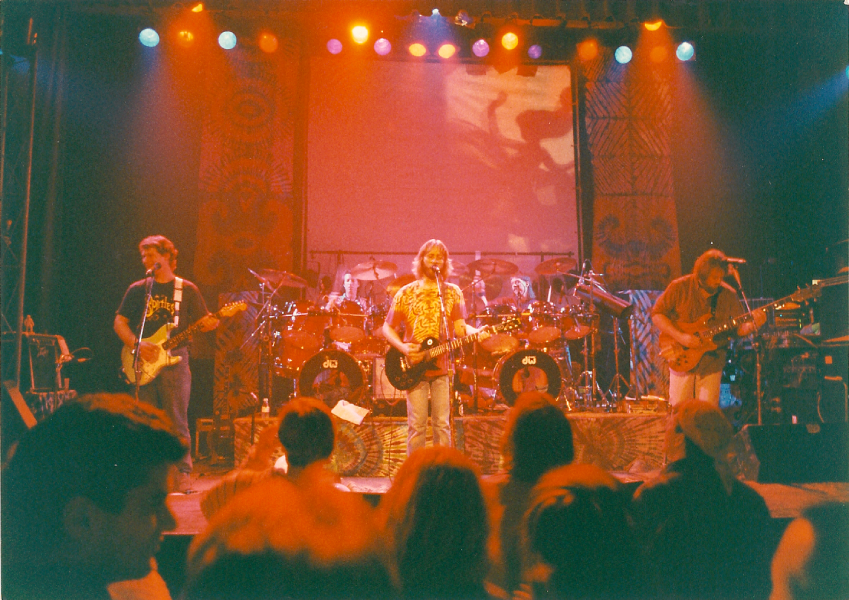
The Spirtles Live
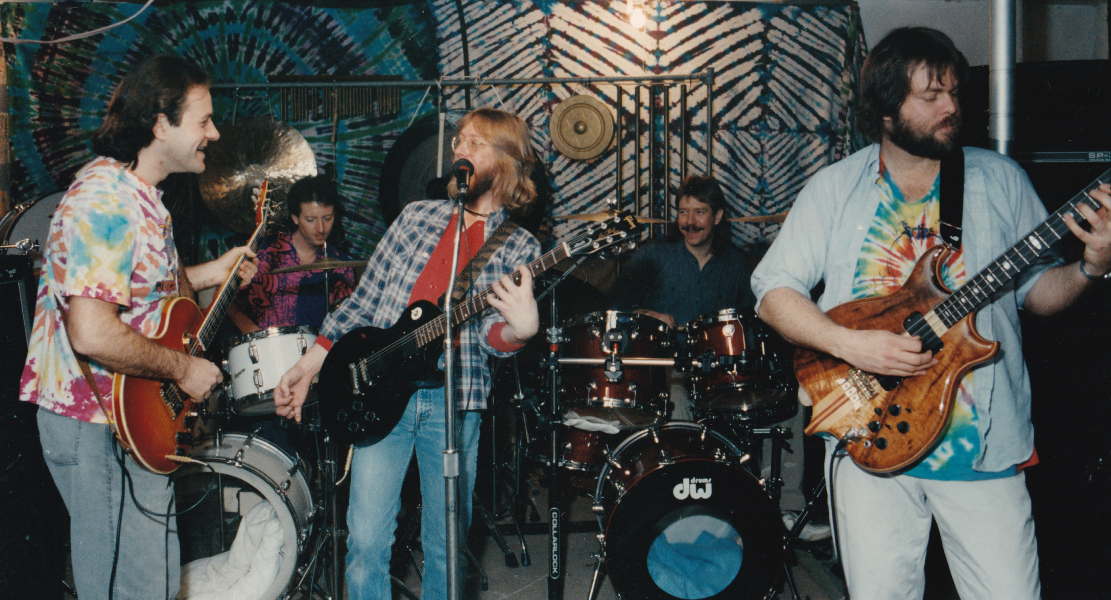
The Spirtles – Left to Right – John Bigelow, Keith Yount, Rickey Freeman, Joe O’Connell, John Vendely
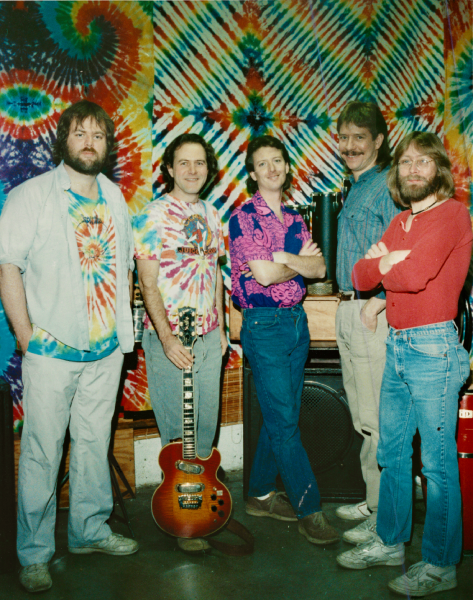
The Spirtles John Vendely, John Bigelow, Keith Yount, Joe O’Connell, Rickey Freeman Promo – 1989
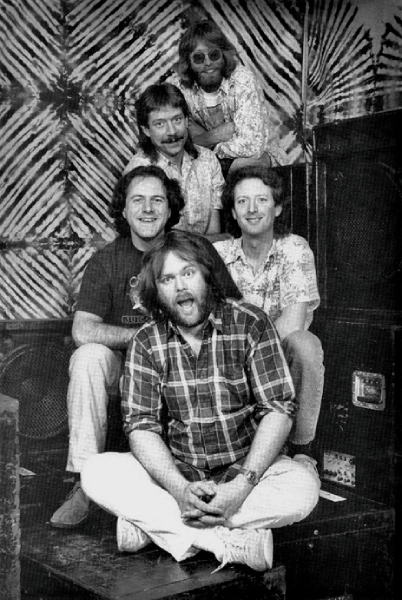
The Spirtles – Top to Bottom – Rickey Freeman, Joe O’Connell, John Bigelow, Keith Yount and John Vendely
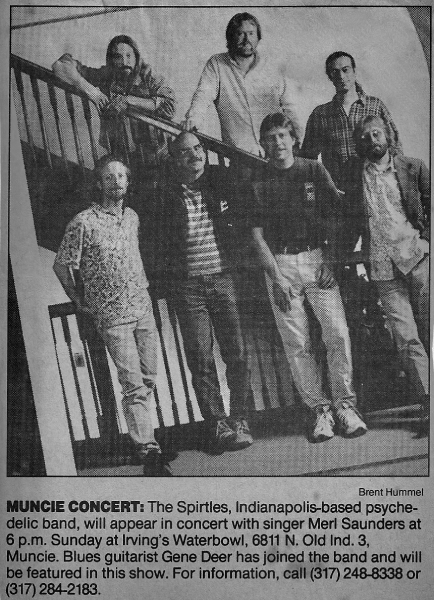
The Spirtles – Pic Bottom L to R Keith Yount, Jim Curry, Joe O’Connell, Rickey Freeman. Top L to R Gene Deer, John Vendely, Bill Mallers
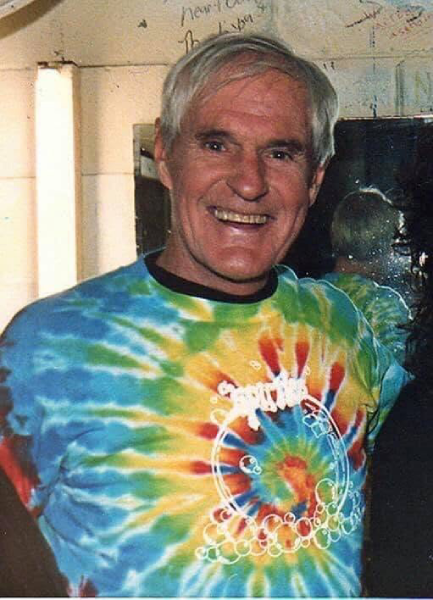
Dr. Timothy Leary backstage at the Vogue Theatre wearing a Spirtles shirt on the night he performed with the band.
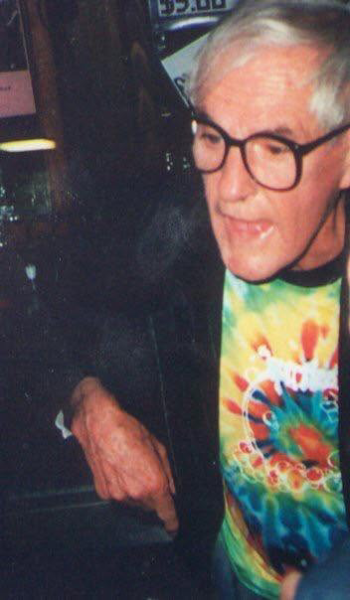
Dr. Timothy Leary wearing a Spirtles shirt on the night he performed with the band at the Vogue.
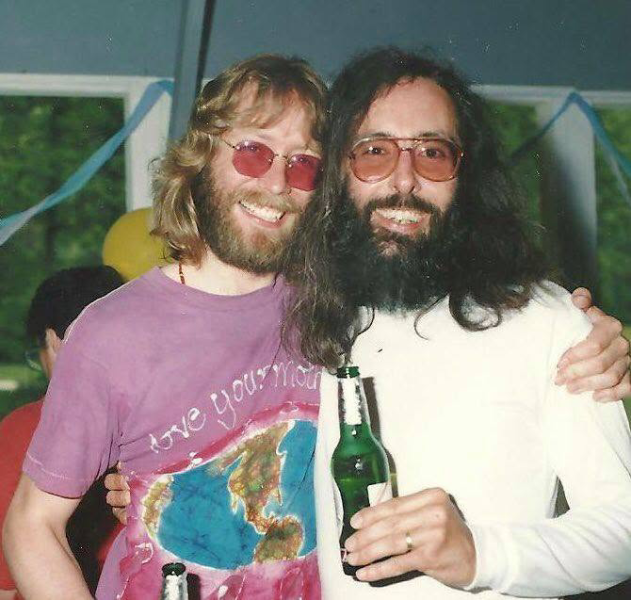
Rickey Freeman and Terry Walsh.
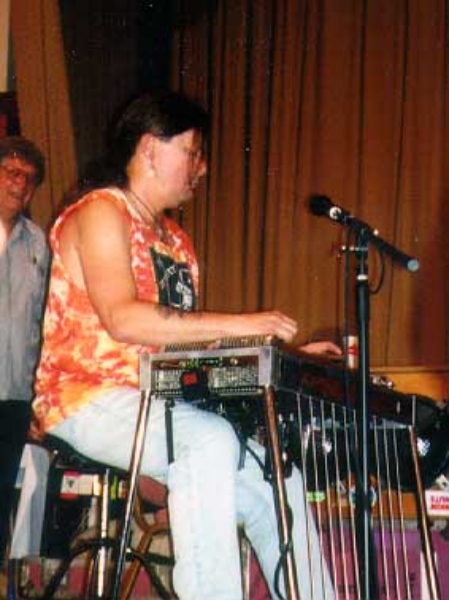
Buddy Cage performs with members of The Spirtles at the 25th Annual International Steel Guitar Convention in St. Louis as Stoney Stoneciper looks on.
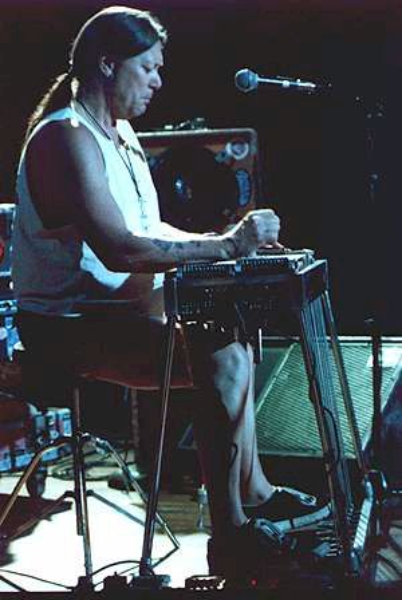
Buddy Cage performing on pedal steel guitar.
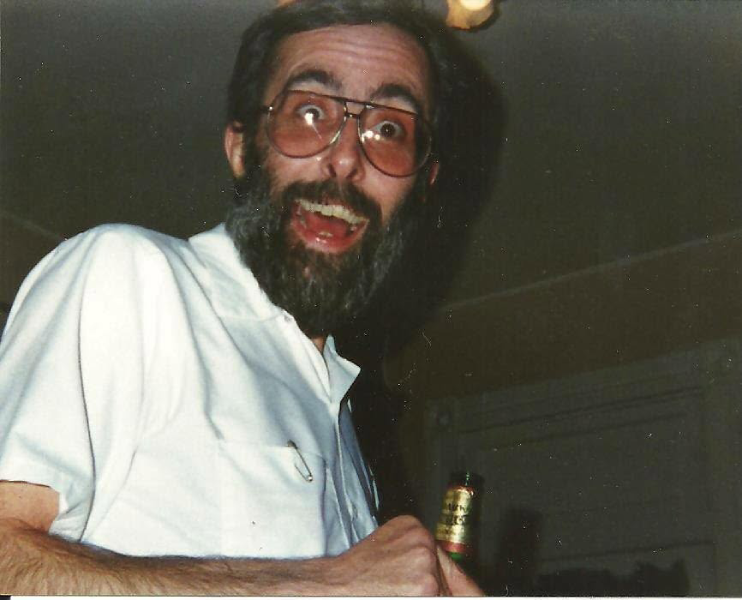
Terry Walsh – Spirtle since before the beginning – Photo by Eli Freeman, aged 3, at his birthday party with his new camera
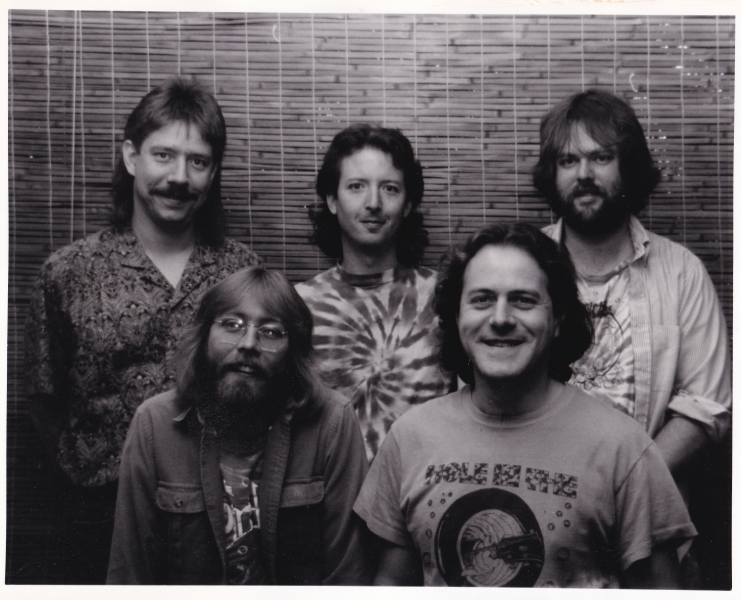
The Spirtles – Left to Right – Back Row – Joe O’Connell, Keith Yount, John Vendely, – Front Row – Rickey Freeman, John Bigelow
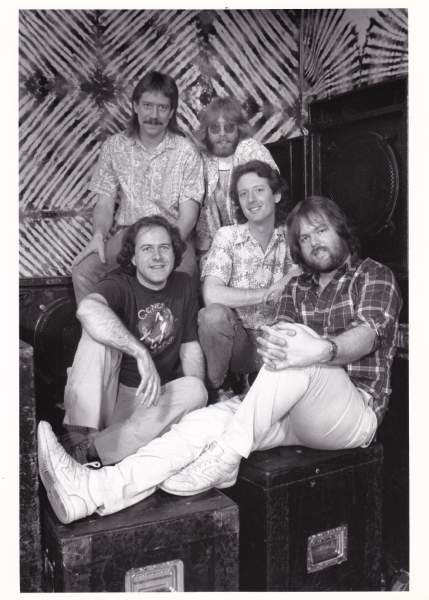
The Spirtles – Left to Right – Back Row – Joe O’Connell, Rickey Freeman – Front Row – John Bigelow, Keith Yount, John Vendely
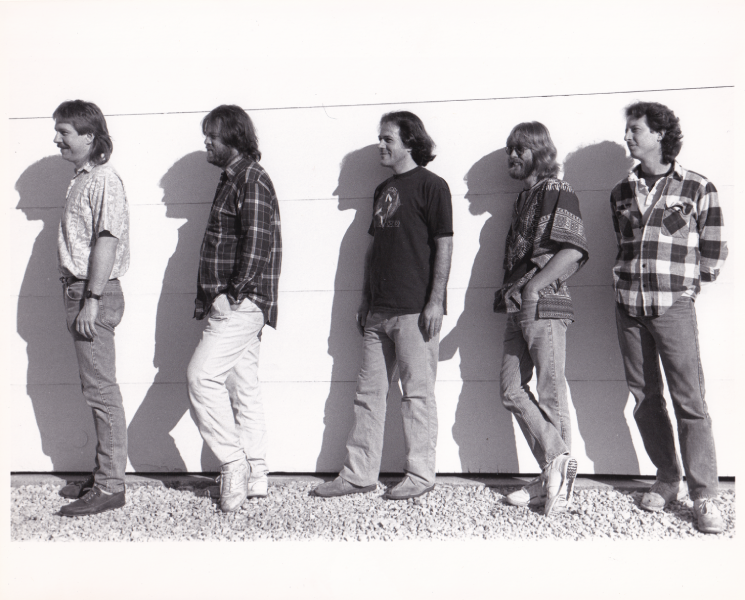
The Spirtles – Left to Right – Joe O’Connell, John Vendely, John Bigelow, Rickey Freeman, Keith Yount
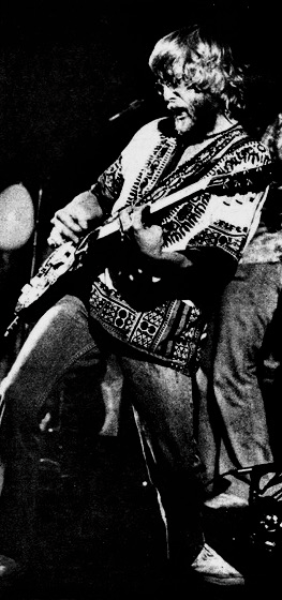
The Spirtles – Rickey Freeman at the Bluebird in Bloomington – Circa 1980’s
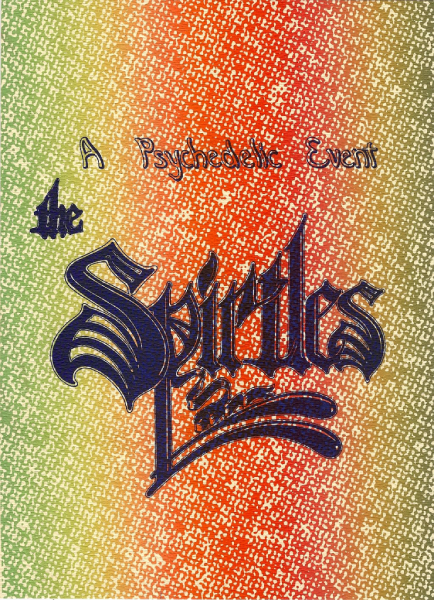
The Spirtles – A Psychedelic Event Poster
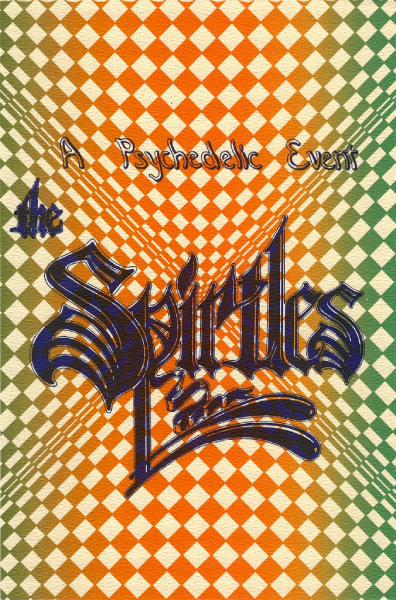
The Spirtles – A Psychedelic Event Poster
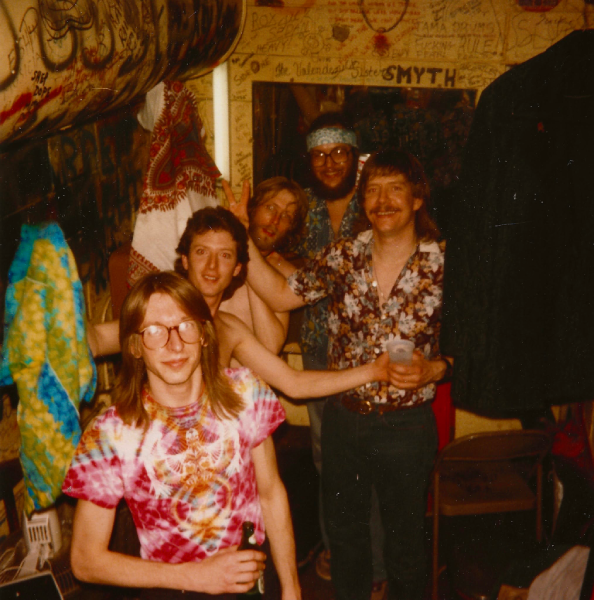
The Spirtles – Backstage at the Vogue – 1985 or 1986 – Front to Back – Greg Ziesemer, Keith Yount, Rickey Freeman, Joe O’Connell and James Booth
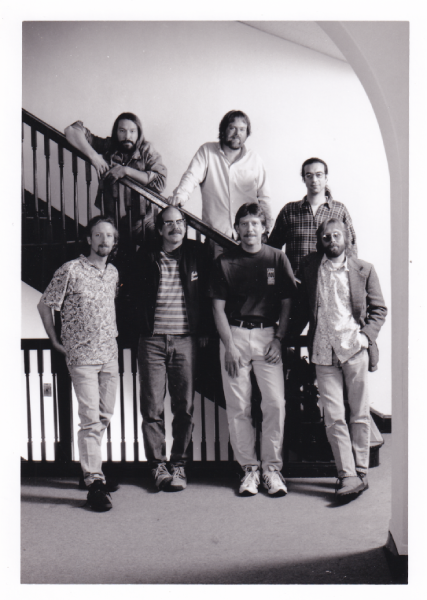
The Spirtles – Bottom L to R Keith Yount, Jim Curry, Joe O’Connell, Rickey Freeman. Top L to R Gene Deer, John Vendely, Bill Mallers
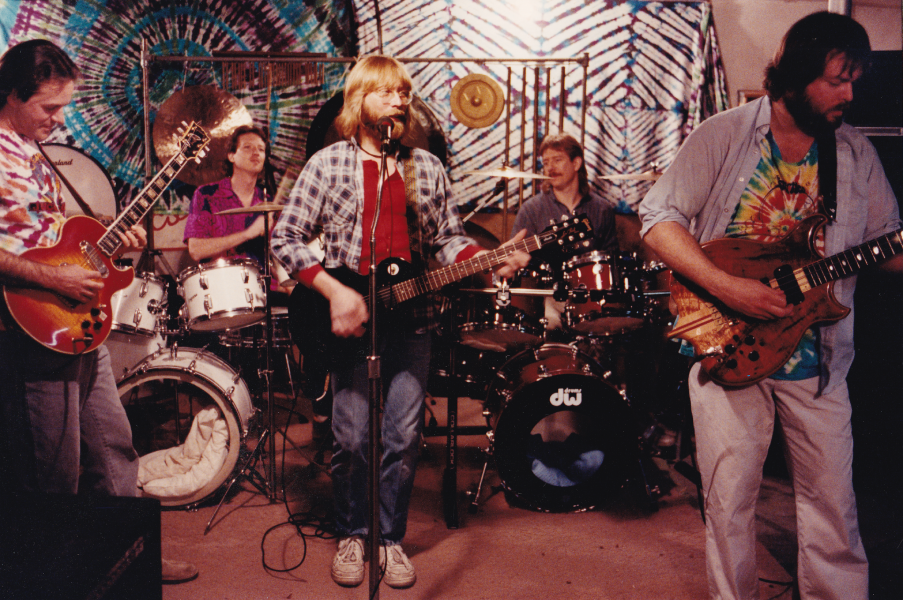
The Spirtles – Left to Right – John Bigelow, Keith Yount, Rickey Freeman, Joe O’Connell, John Vendely
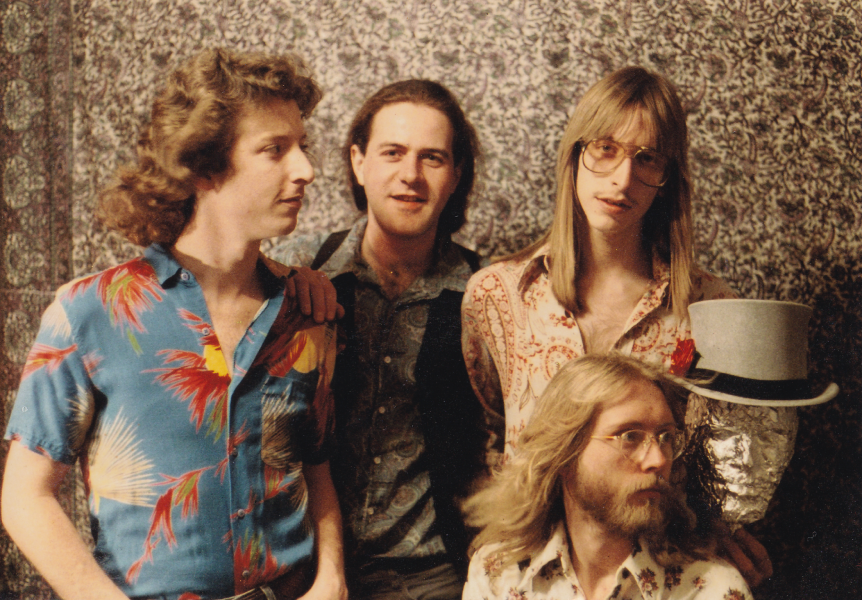
The Spirtles – Left to Right – Keith Yount, John Bigelow, Greg Ziesemer – Seated – Rickey Freeman
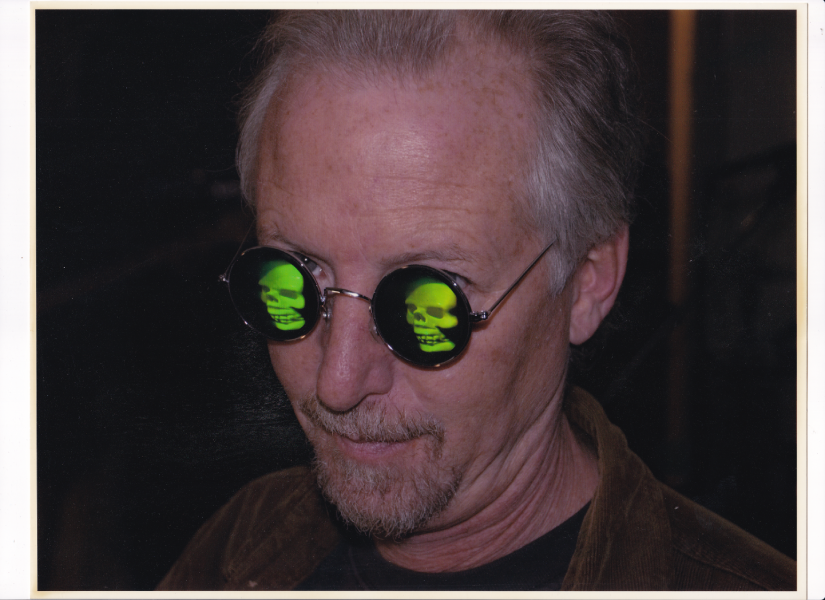
The Spirtles – Rickey Freeman
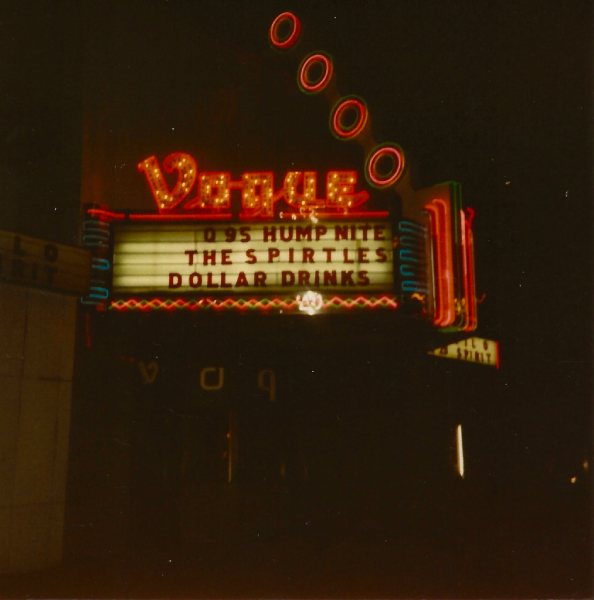
The Spirtles – On the Marquee of the Vogue
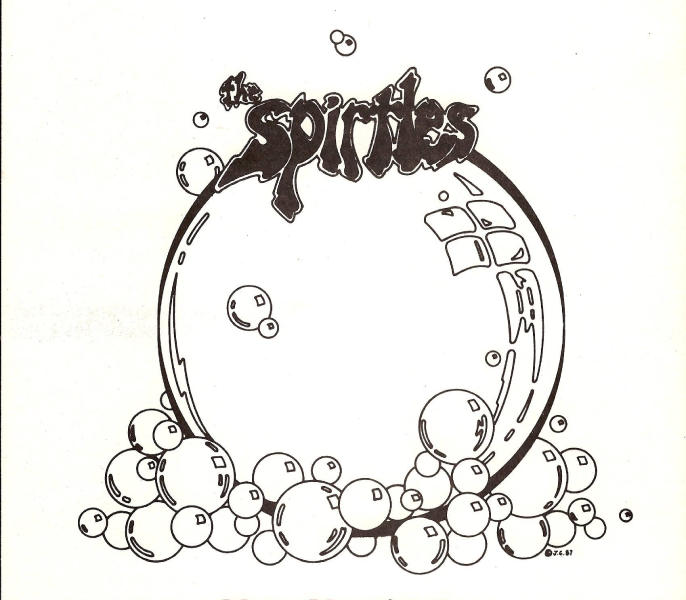
The Spirtles – Bubble Poster
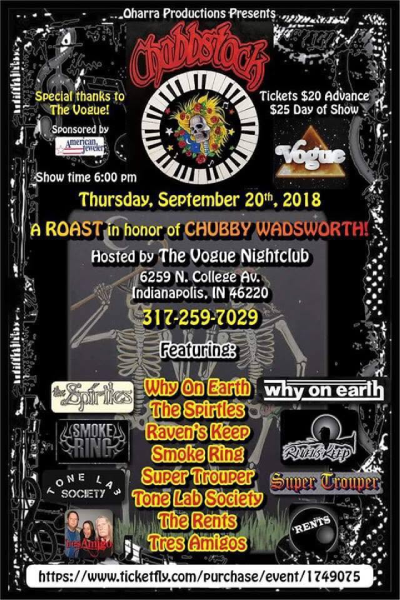
The Spirtles – Chubbstock – Poster
The Spirtles – Classic Greg Ziesemer Logo with Blue Background
The Spirtles – Classic Greg Ziesemer Logo
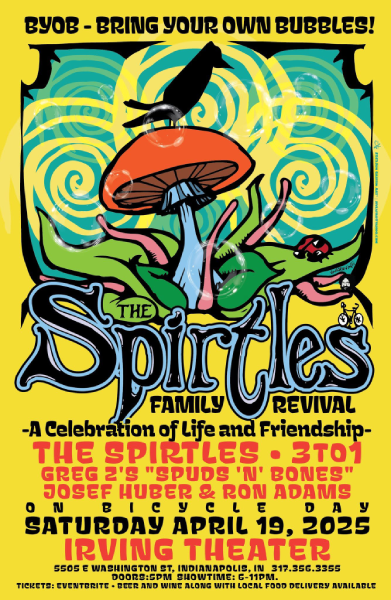
The Spirtles – Greg Z’s Spuds N Bones – Irving Theater – Poster
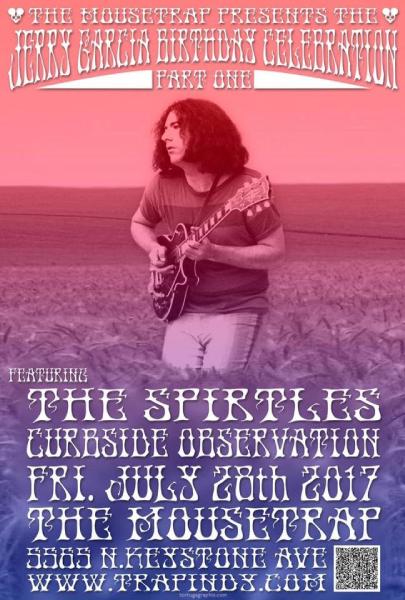
The Spirtles – Jerry Garcia Birthday Celebration – The Mousetrap – Poster
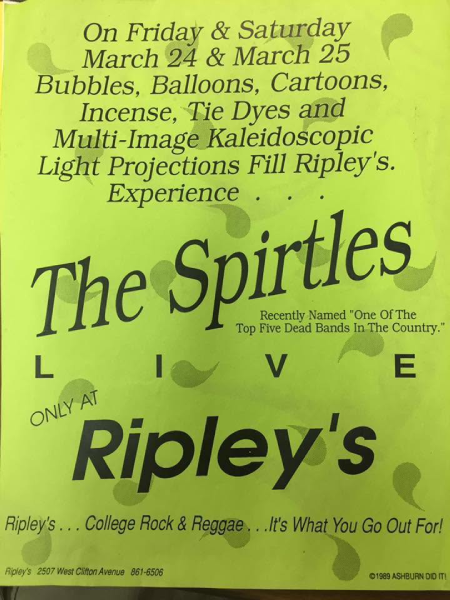
The Spirtles – Live at Ripley – Poster
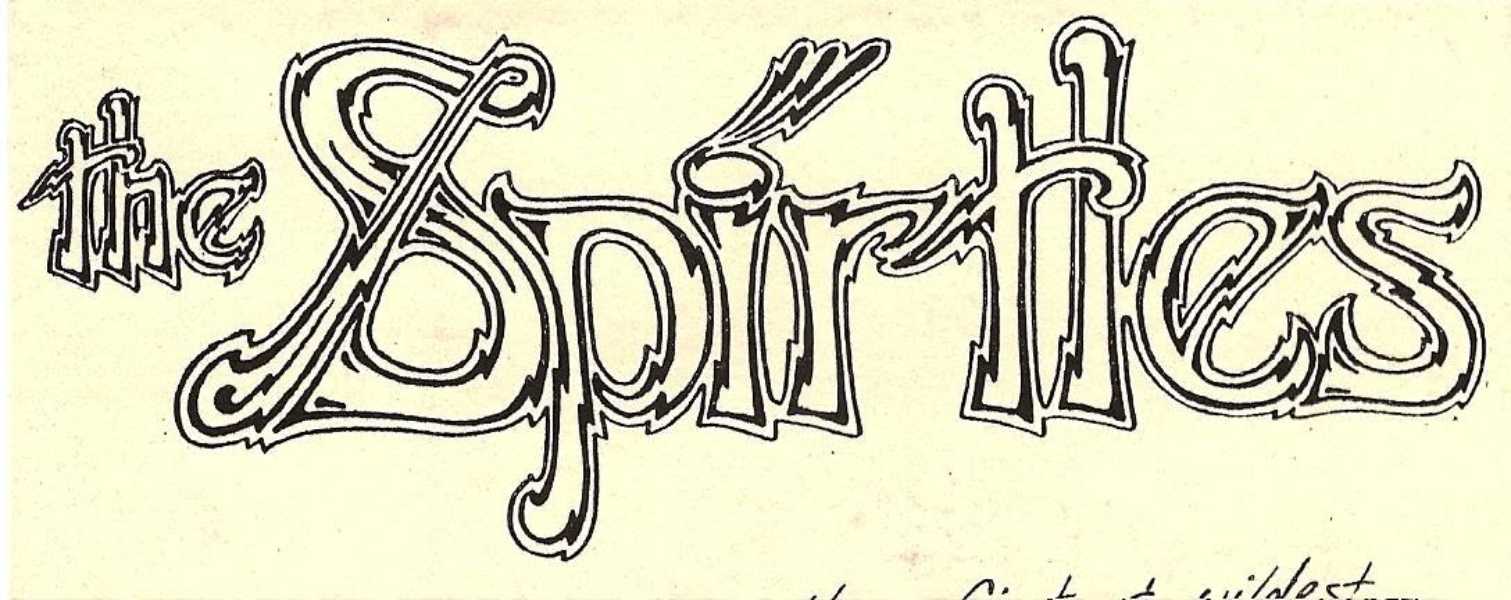
The Spirtles – Logo – Black and White
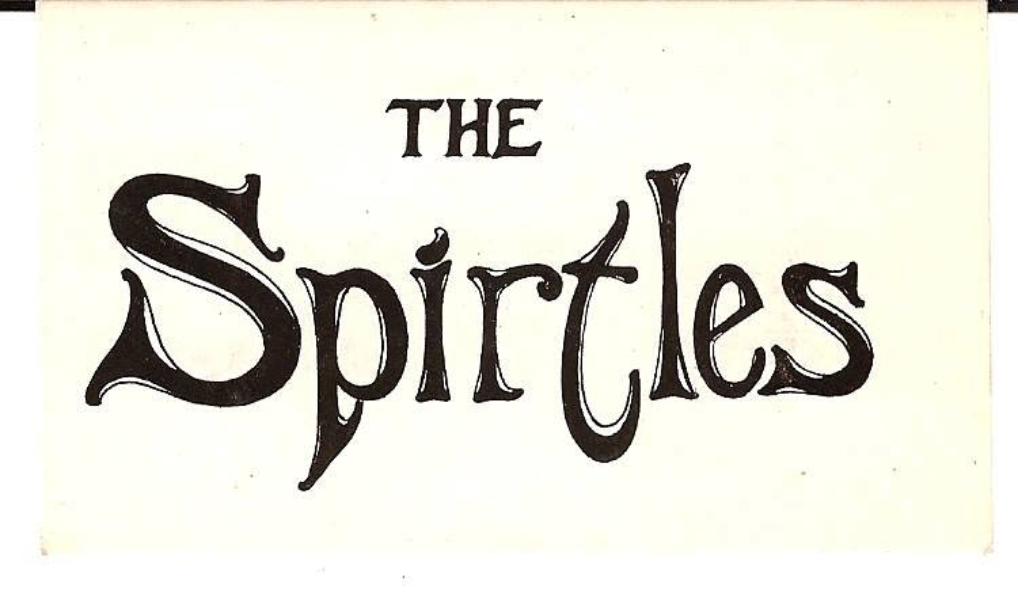
The Spirtles – Logo – Black and White
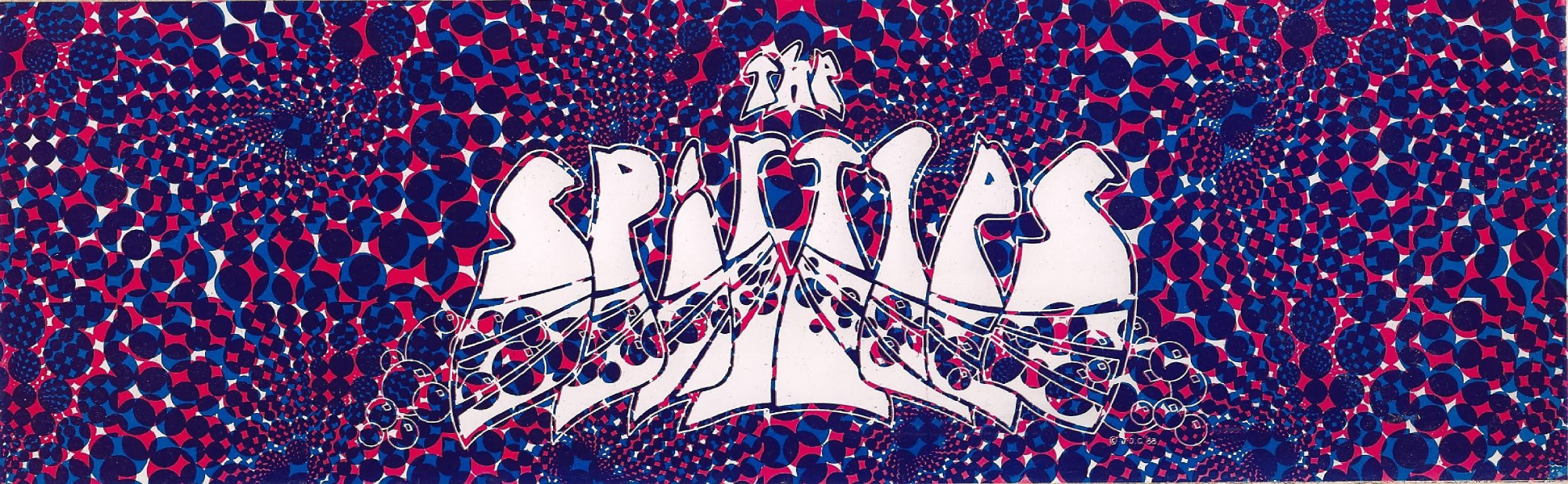
The Spirtles – Logo
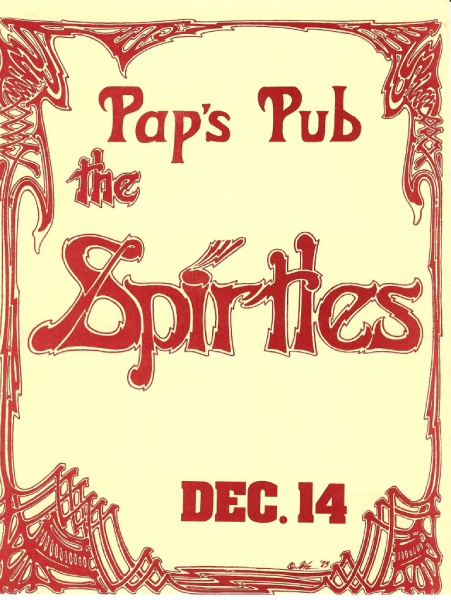
The Spirtles – Pap’s Pub – Poster
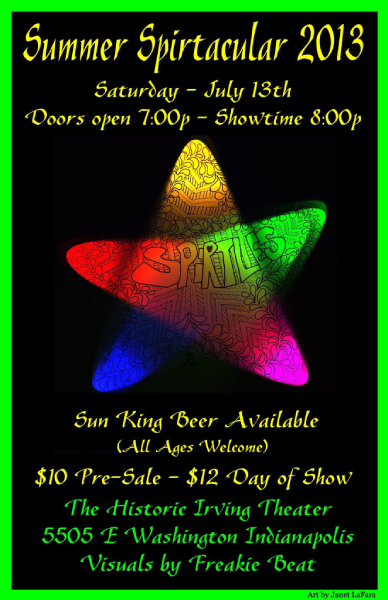
The Spirtles – Poster Designed by Janet LaFara
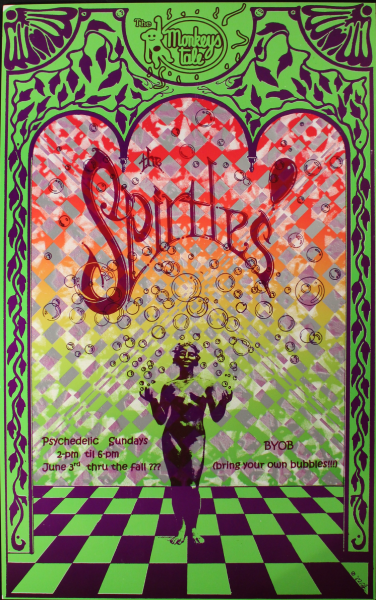
The Spirtles – Psychedelic Sundays at the Monkeys Tale – Poster
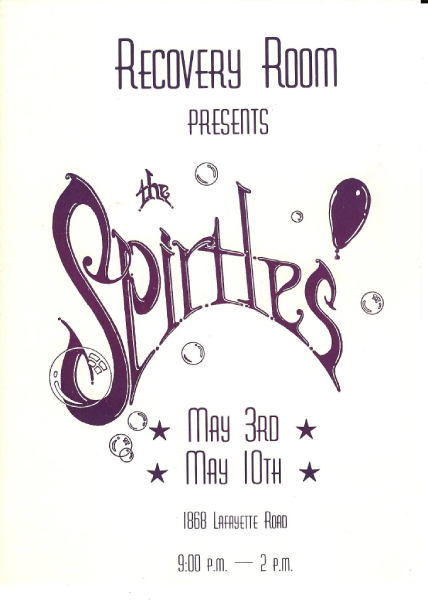
The Spirtles – Recovery Room Presents – Poster
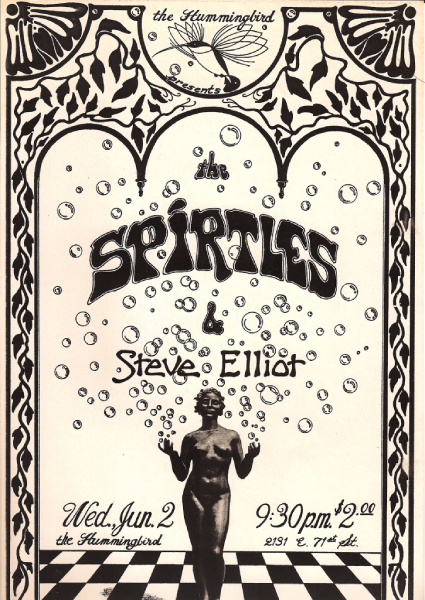
The Spirtles – The Humming Bird Presents – With Steve Elliot – Poster
The Spirtles Logo
The Spirtles Logo
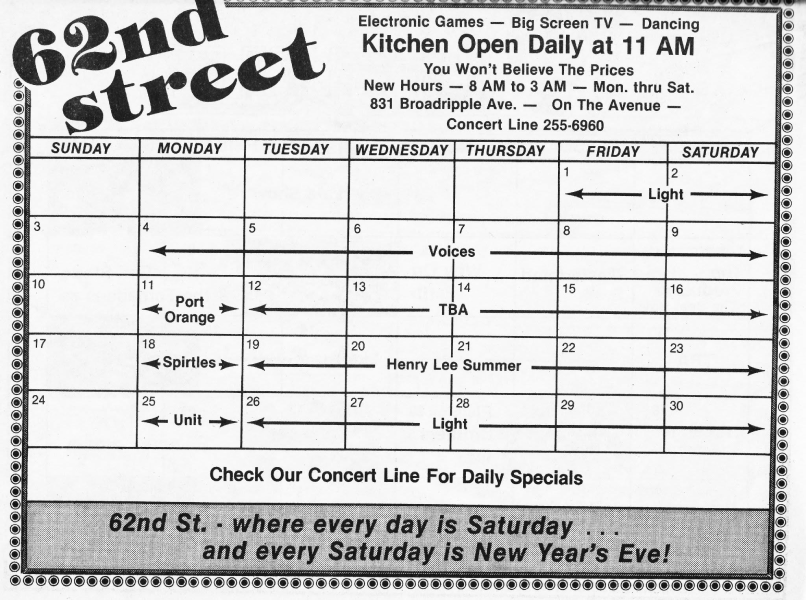
62nd Street October 1982 Calendar – The Spirtles – Photo from Roger Baker
Preserving Indiana’s Music History
The Indiana Music History Project is made possible through the generous support of the Allen Whitehill Clowes Charitable Foundation. Their commitment to preserving Indiana’s rich musical heritage helps ensure these oral histories remain accessible for future generations.

Help Improve This Archive
Have additional information about this artist, story, or any of the photographs? If you can identify people, dates, locations, or have memories you’d like to share, we’d love to hear from you. Please use the button below and select “Submit Historical Information or Corrections” as the reason for your message.

